





Blog
-
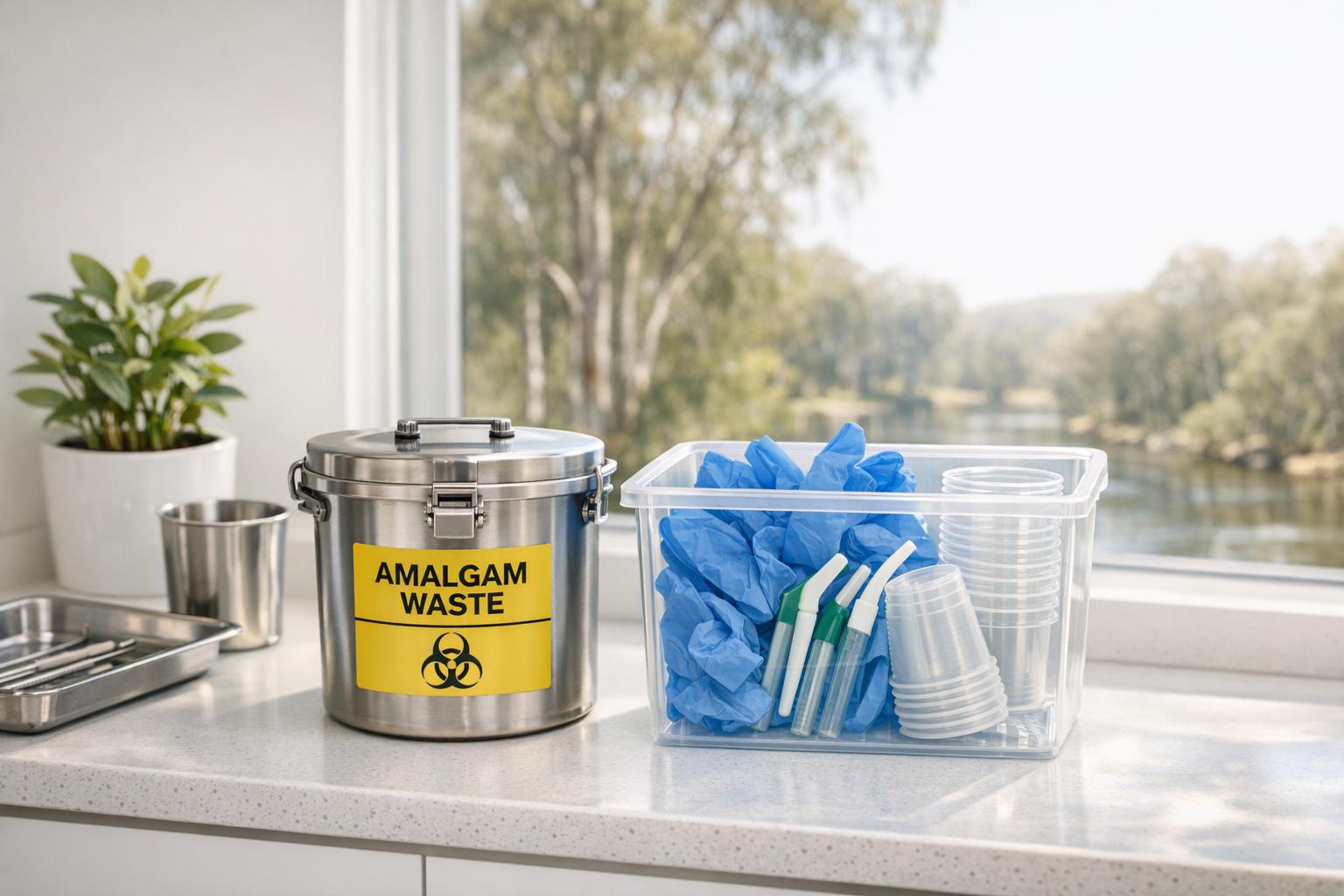
Dental Waste Impact on the Environment
How dental clinics’ mercury, plastics and disposal practices harm health and the environment, with practical steps to cut emissions, waste and pollution.
-
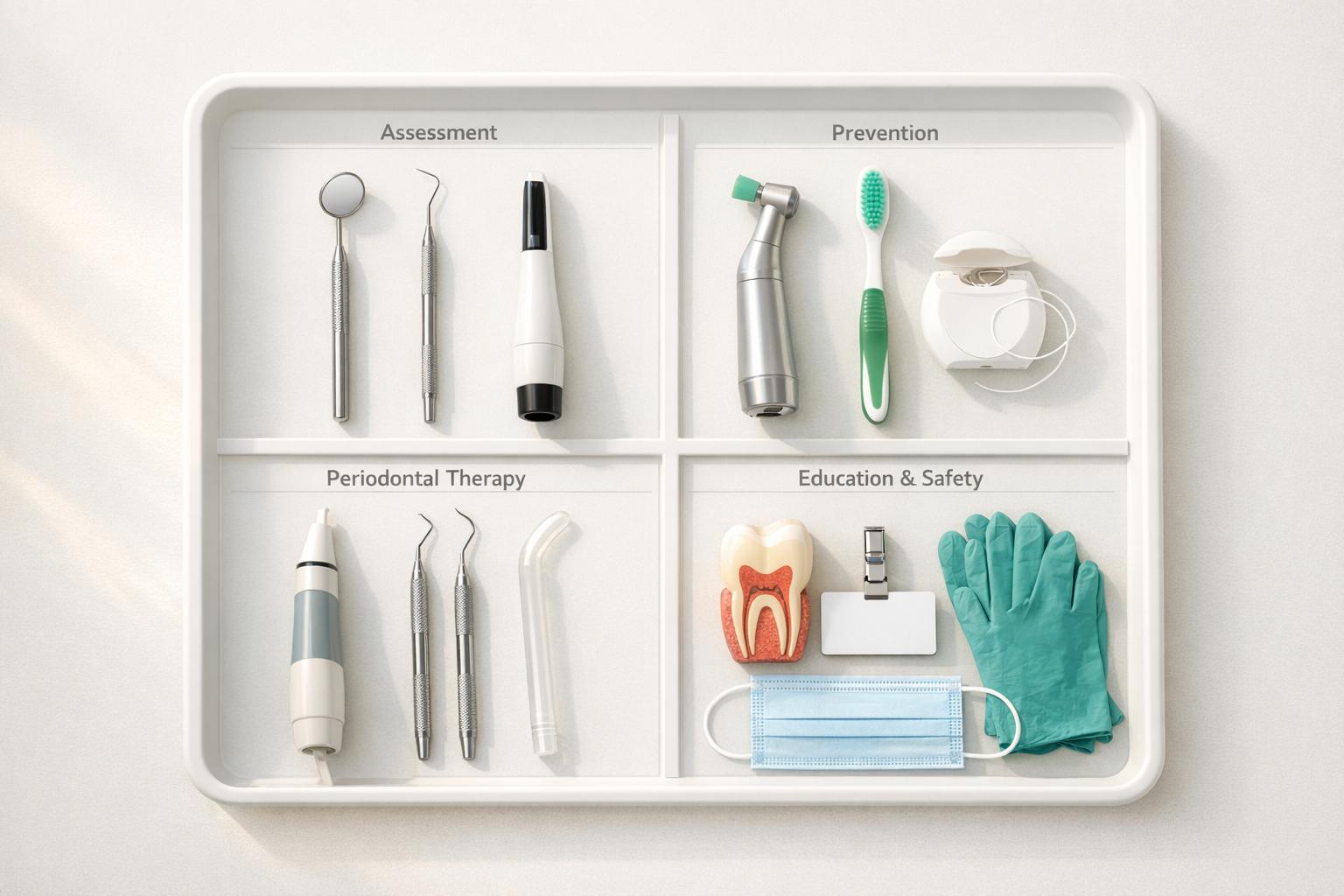
Scope of Practice for Dental Hygienists Explained
Clear guide to what dental hygienists in Australia are trained and allowed to do — duties, limits, registration and community roles.
-

Zirconia vs Titanium: Long-Term Cost Efficiency
Trade off cost, durability and aesthetics of titanium vs zirconia dental implants in Australia to judge long‑term value.
-

Plasma Coatings and Osseointegration: What Studies Show
Plasma‑sprayed hydroxyapatite and bioactive coatings boost bone‑implant contact, speed early healing and lower bacterial adhesion while posing delamination challenges.
-

How Dentists Manage Pain for Different Age Groups
Age-specific dental pain care for infants to teens: assessment tools, safe weight-based meds, behavioural techniques and opioid-sparing strategies.
-
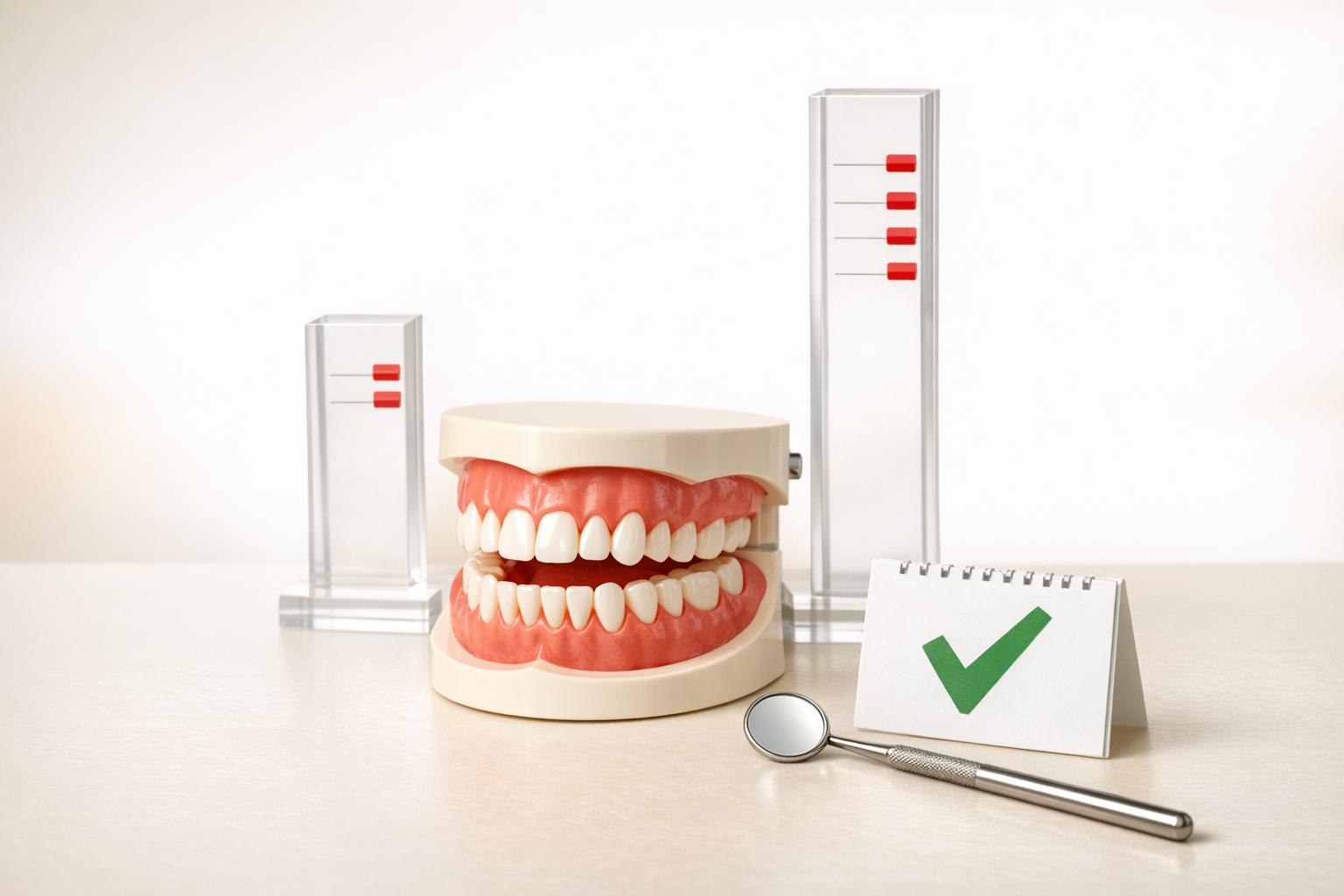
Oral Cancer Risk: Heavy vs. Light Smokers
Smoking raises oral cancer risk—light smoking roughly doubles it, heavy smoking can increase risk up to fivefold; quitting and dental checks reduce risk.
-

Why Teeth Feel Sensitive After Restorative Work
Why teeth are sensitive after fillings, crowns or deep cleanings; typical 2–4 week recovery, home relief tips and signs that need a dentist.
-

Self-Etch vs. Total-Etch Bonding: Durability Compared
Compare self-etch and total-etch dental adhesives — enamel strength, dentine sensitivity, durability and when to use selective-etch or universal adhesives.
-
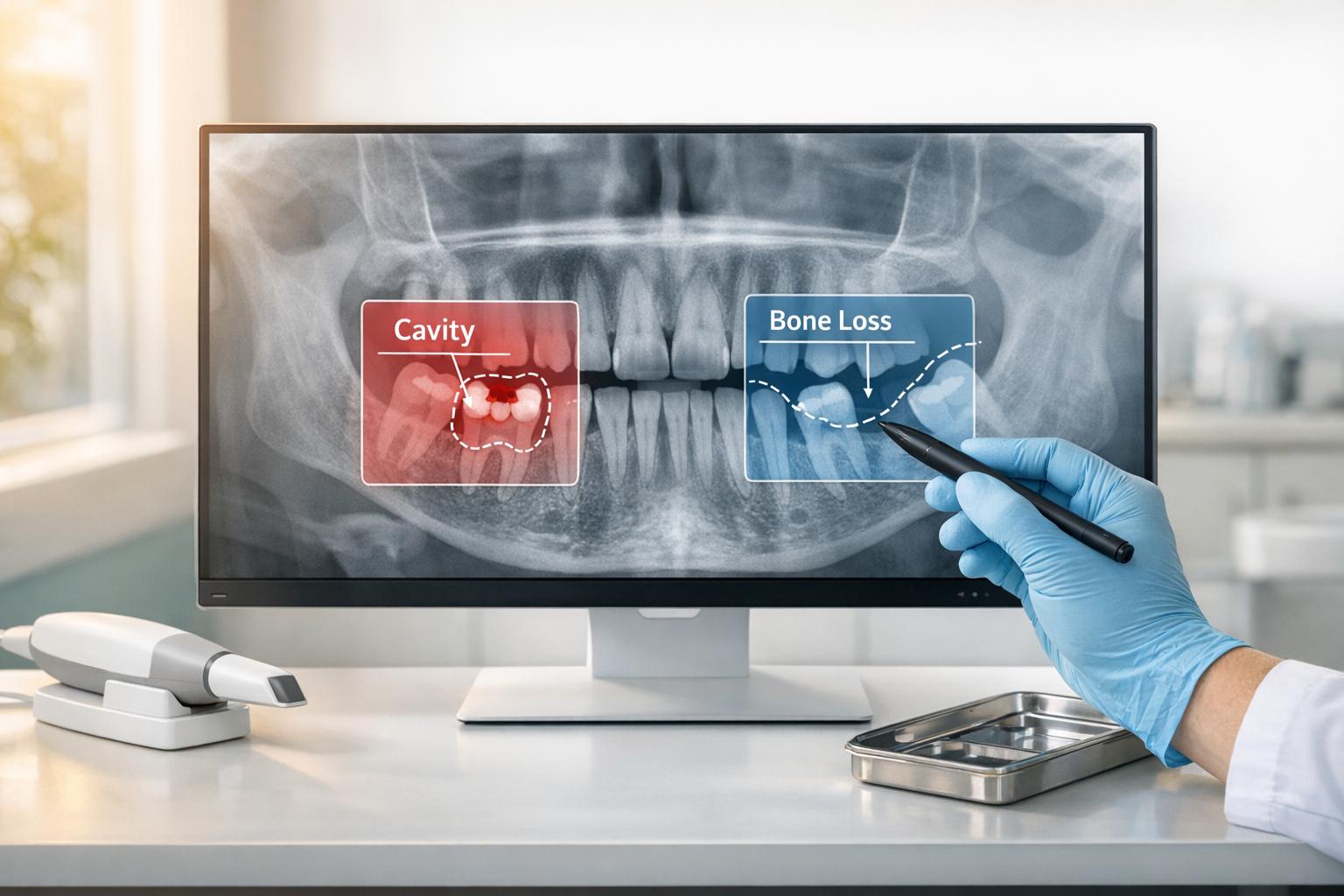
AI-Powered Dental Diagnostics Explained
AI is transforming dental diagnostics with faster, more accurate image analysis for earlier detection and personalised treatment, while requiring human oversight.
-

Advancements in Nanocoatings for Dental Restorations
Review of dental nanocoatings—nano-hydroxyapatite, silver, TiO2 and zirconia—improving durability, adhesion, antibacterial action and remineralisation.
-
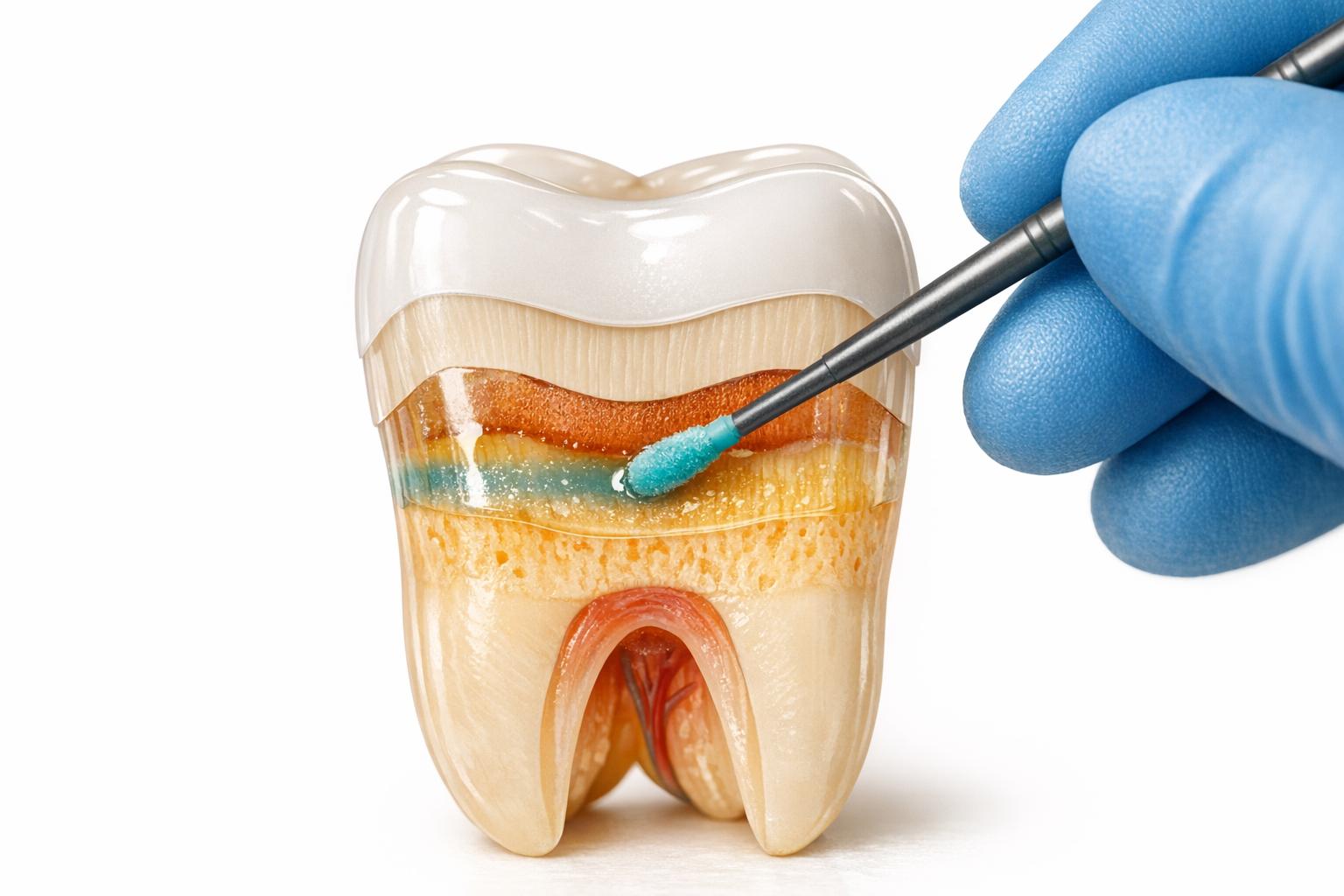
Factors Affecting Dental Bond Strength
How adhesive systems, surface preparation, contamination and hybrid-layer protection determine dental bond strength and long-term restoration durability.
-
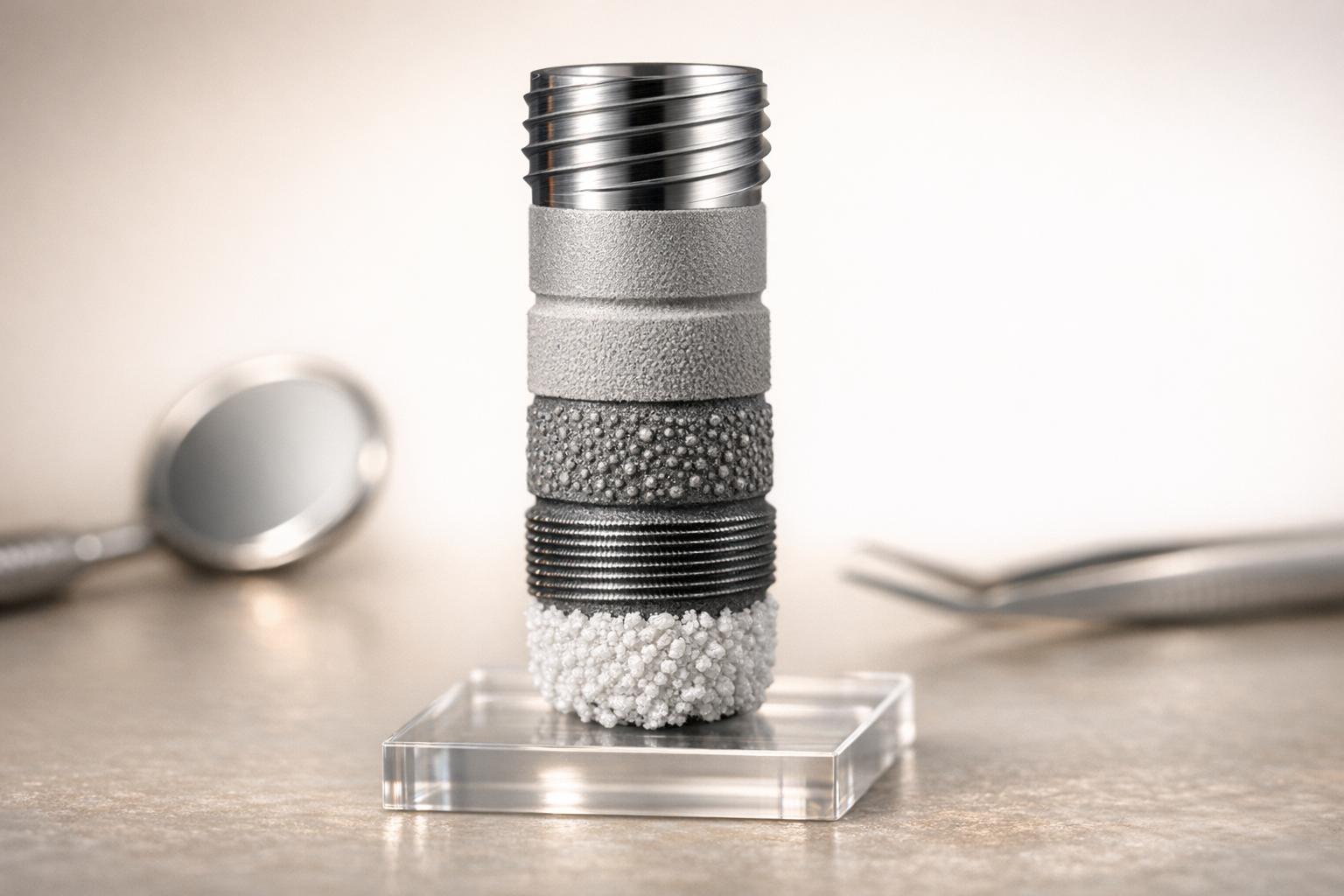
5 Implant Surface Modifications for Less Inflammation
Five implant surface strategies that direct immune response, lower infection risk and accelerate osseointegration for more stable dental implants.

Get in touch with us
For more information, call us now to start feeling better. Or fill the form below to make appointment
The Latest News from Complete Smiles
How to Clean Clear Plastic Retainers

Checklist for Choosing Wearable Dental Devices

Checklist for Choosing Cloud AI Platforms in Dentistry


Complete Smiles Bella VistaAccepts All Major Health Funds, Including





