




Wisdom Teeth
Home > General Dental > Wisdom Teeth

Wisdom teeth (third molars)
Wisdom teeth, also known as third molars, are the last set of teeth to develop at the back of the mouth, usually appearing between the ages of 17 and 21.
For some people, these teeth come through without causing issues. For others, there may not be enough space for them to erupt properly.
When this happens, wisdom teeth may become impacted, meaning they are trapped under the gums or grow at an angle.
Why wisdom teeth can cause problems
Impacted wisdom teeth can sometimes lead to discomfort or dental concerns, particularly if they are difficult to clean or are putting pressure on nearby teeth.
Common issues may include:
• Pain or swelling at the back of the mouth
• Red or inflamed gums
• Infection around the tooth
• Difficulty cleaning the area properly
• Pressure on nearby teeth
In some cases, cysts may form around an impacted wisdom tooth and may affect surrounding bone or teeth if left untreated.


Do wisdom teeth always need removal?
Not all wisdom teeth need to be removed.
If they are healthy, fully erupted and able to be cleaned properly, they may be monitored over time.
However, if they are impacted, causing pain or contributing to infection or decay, your dentist may discuss removal as a treatment option.
Why early assessment is important
Wisdom teeth can change over time, which is why regular dental check-ups and X-rays are important for monitoring their position and development.
Early assessment helps your dentist identify potential issues before they become more complex.

Treatment options
If wisdom teeth are causing problems, your dentist will discuss suitable treatment options based on your individual situation.
This may include monitoring the teeth or recommending removal if necessary.
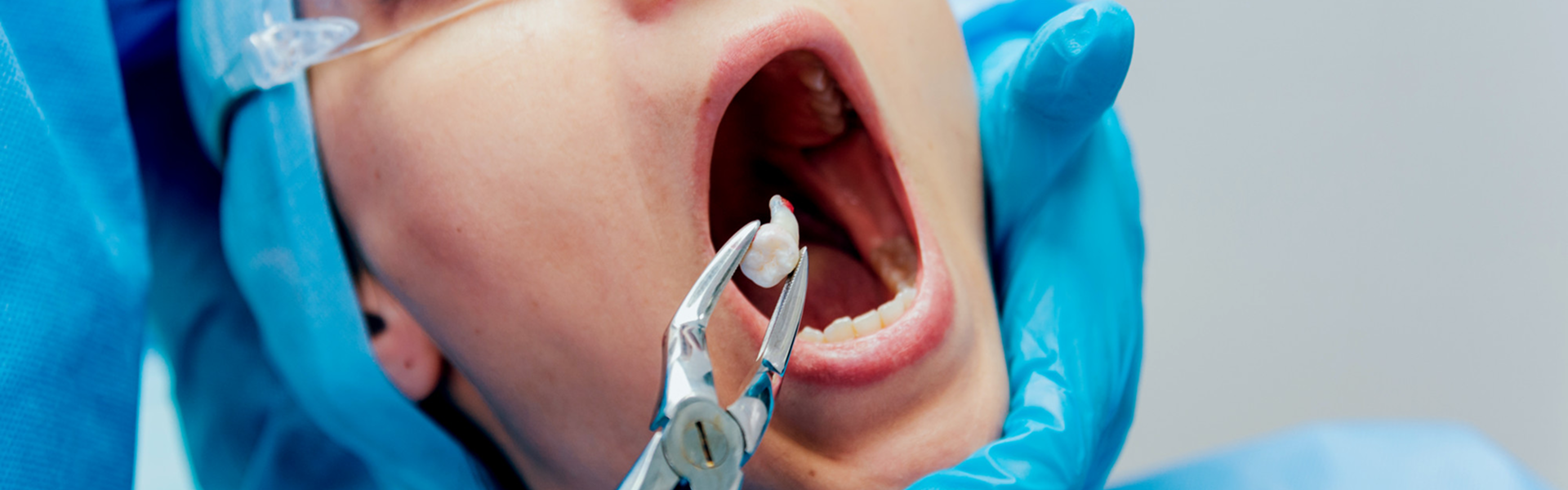
Wisdom tooth removal (if required)
In some cases, wisdom teeth may need to be removed if they are impacted, causing pain or contributing to infection or damage to nearby teeth.
If removal is recommended, your dentist will first assess the position of the tooth using an examination and X-rays.
The procedure may involve gently removing the tooth from the gum and jaw. Depending on the complexity, it can be a simple extraction or a surgical procedure.
Local anaesthetic is used to numb the area and your dentist will explain what to expect before and after treatment, including recovery care.
When to book an appointment
You should book a dental appointment if you experience:
- Pain or swelling at the back of the mouth
- Difficulty opening your jaw
- Ongoing discomfort in the area of your wisdom teeth
- Signs of infection or inflammation
Wisdom teeth vary from person to person. A dental assessment is the best way to understand whether they are likely to cause future problems and what treatment is needed.


You can book an appointment immediately via the form above, or feel free to contact us via email or phone.
The Latest News from Complete Smiles
How to Clean Clear Plastic Retainers

Checklist for Choosing Wearable Dental Devices

Checklist for Choosing Cloud AI Platforms in Dentistry


Complete Smiles Bella VistaAccepts All Major Health Funds, Including





