





Blog
-

Dental Fluorosis: Causes and Risk Factors
Explains how excess fluoride affects children’s enamel, common sources (toothpaste, water, formula), age-based prevention tips and treatment options.
-

Periodontal Care for Autoimmune Patients: What to Know
Autoimmune conditions increase gum‑disease risk. Learn the warning signs, prevention tips and tailored dental treatments, including frequent cleanings and dry‑mouth care.
-

Teeth Whitening Cost Calculator
Curious about teeth whitening costs in Australia? Use our free calculator to estimate prices based on your city and preferred method!
-

3D Bioprinting Materials for Endodontic Repair
Compare polymer, composite, resin and mineral materials for 3D bioprinting in endodontic repair — biocompatibility, mechanics and degradation.
-

5 Types of Intraoral Scanners for Orthodontics
Compare five leading intraoral scanners for orthodontics — accuracy, speed, costs and best-use guidance to pick the right digital impression system.
-

Comparing Pain Relief Methods for Kids: What Works Best?
Non-drug pain relief for kids: compares CBT, audio/video distraction and tactile methods by effectiveness, age suitability, cost and ease.
-
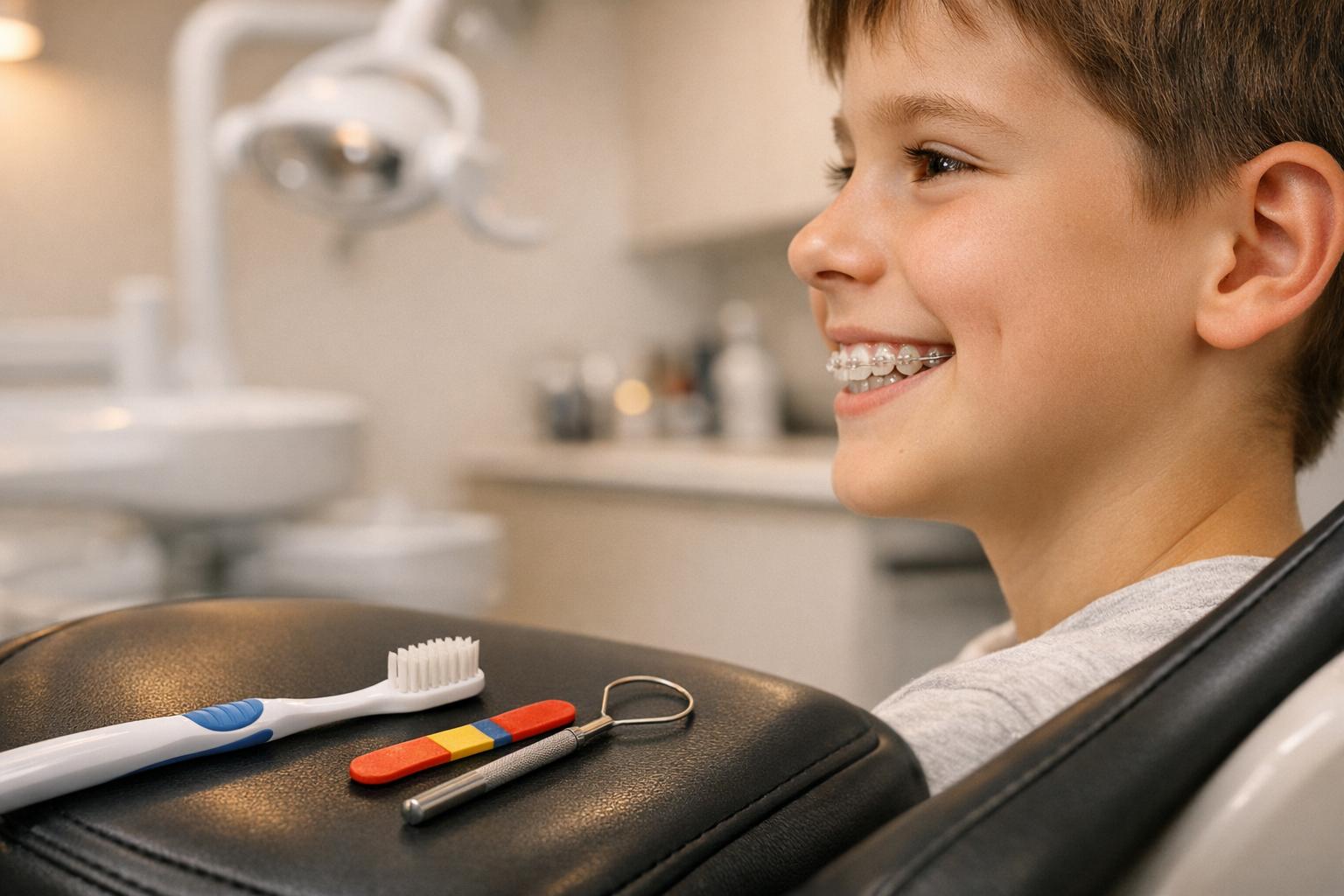
Speech Disorders and Dental Health: Research Insights
How misaligned teeth, cleft palate and orofacial problems affect speech and how dentistry plus speech therapy can improve outcomes.
-

How 3D Bioprinting Creates Periodontal Scaffolds
3D bioprinting rebuilds the bone–ligament–cementum interface with patient-specific, cell-laden scaffolds that guide periodontal tissue regeneration.
-

5 Methods for Sterilizing Endodontic Files
Compare five endodontic file sterilisation methods—autoclave, CO2 and diode lasers, glass‑bead, and glutaraldehyde—covering effectiveness, time and chairside use.
-
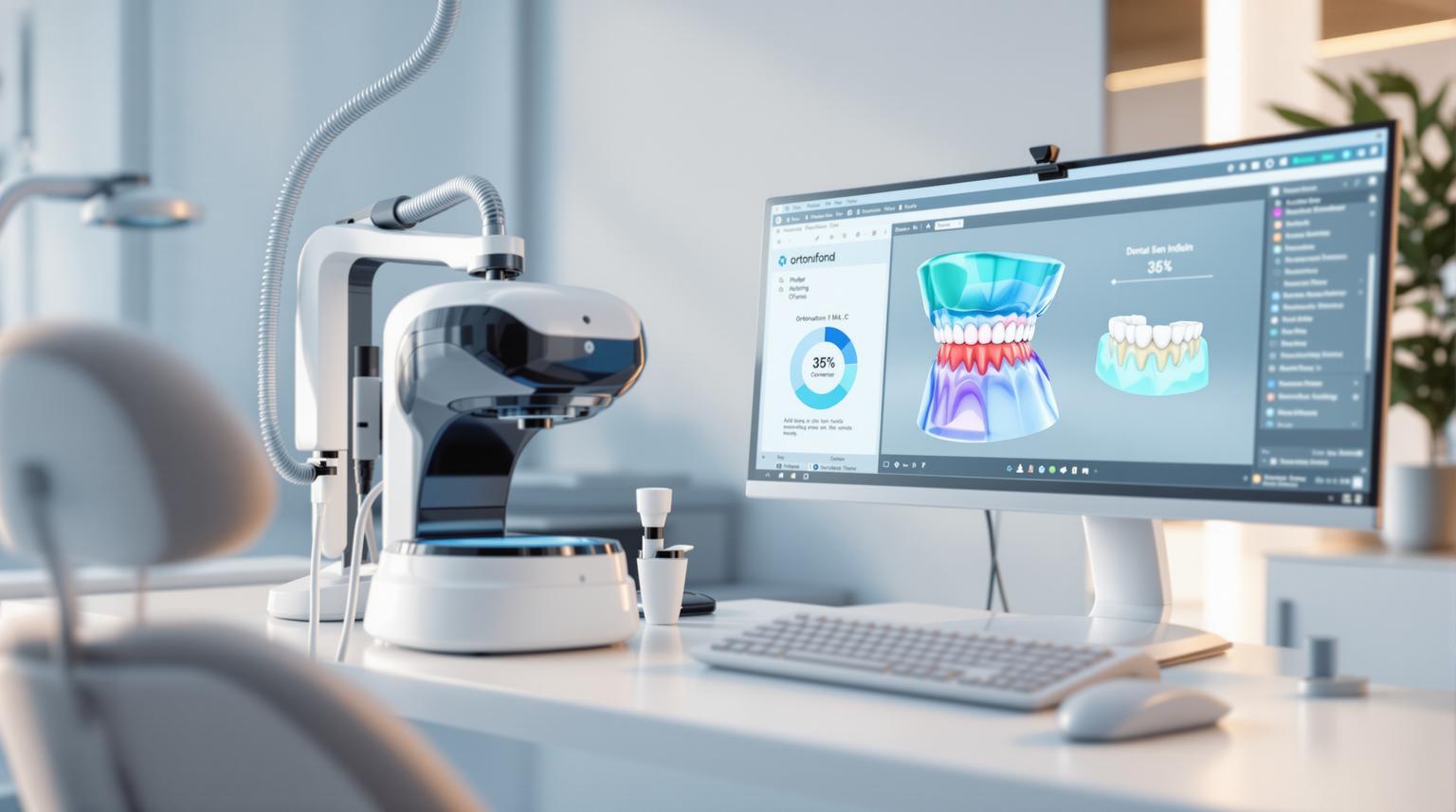
AI in Orthodontics: What Patients Should Know
How AI improves orthodontic diagnosis, treatment planning and remote monitoring, and what patients should know about safety and privacy.
-
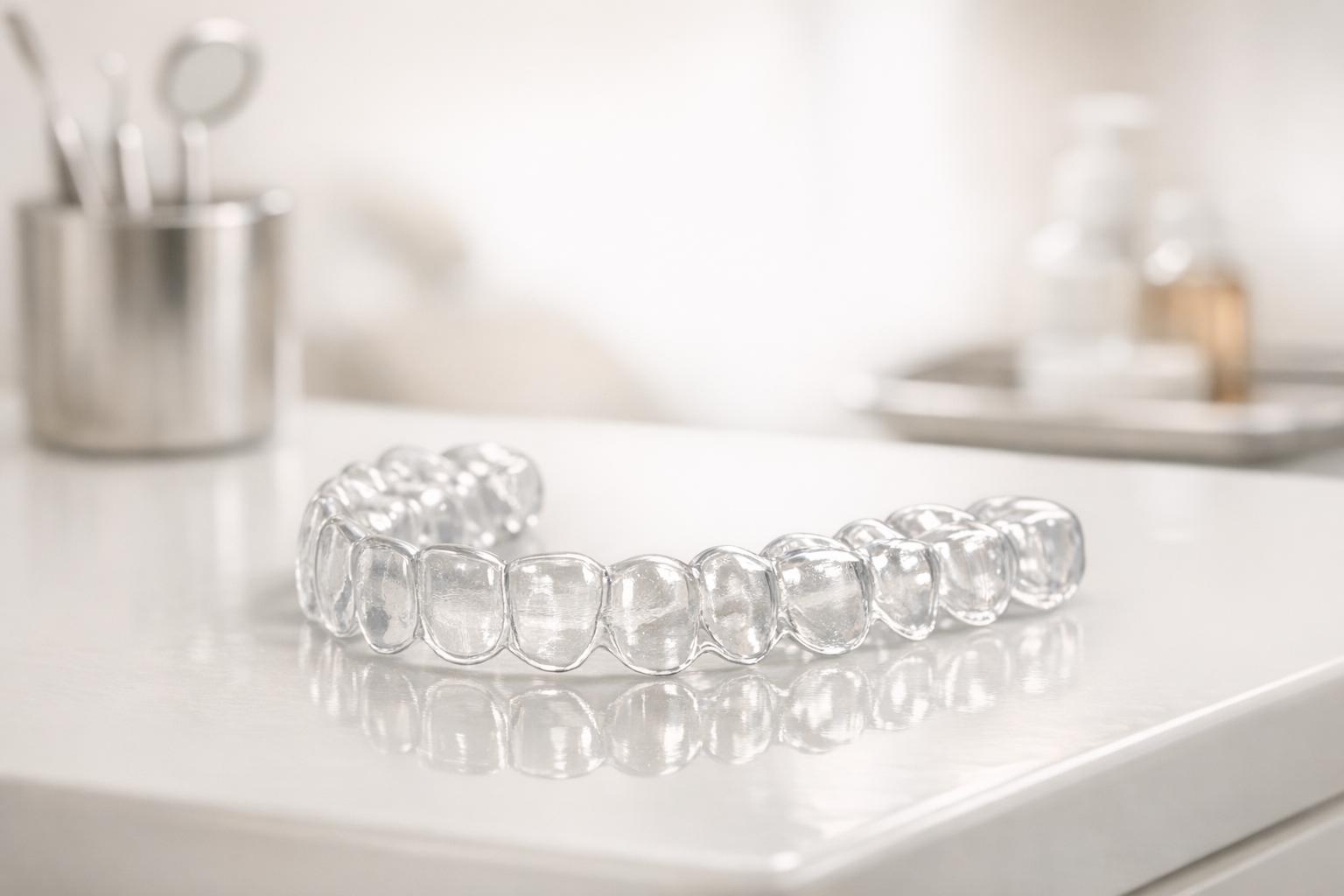
Benefits of 3D-Printed Clear Aligners
3D-printed clear aligners deliver faster in‑office production, precise custom fit, improved comfort and less plastic waste versus traditional thermoformed trays.
-

CPD Requirements for Dental Hygienists in Australia
Mandatory CPD for Australian dental hygienists: 60 hours every 3 years (min 48 clinical, max 12 non-clinical). Renew by 30 Nov and keep audit-ready records.

Get in touch with us
For more information, call us now to start feeling better. Or fill the form below to make appointment
The Latest News from Complete Smiles
How to Clean Clear Plastic Retainers

Checklist for Choosing Wearable Dental Devices

Checklist for Choosing Cloud AI Platforms in Dentistry


Complete Smiles Bella VistaAccepts All Major Health Funds, Including





