





5 Types of Intraoral Scanners for Orthodontics

Intraoral scanners have simplified orthodontic care, replacing traditional moulds with digital impressions. These devices create precise 3D models of teeth, improving treatment planning and producing devices like clear aligners. They’re faster, more comfortable for patients, and reduce errors in orthodontic workflows.
Here’s a quick overview of five popular intraoral scanners used in orthodontics:
- 3Shape TRIOS: Offers high accuracy (112 µm) and seamless integration with platforms like Invisalign. Lightweight and wireless but comes with steep costs and subscription fees.
- iTero Scanners: Known for its integration with Invisalign and advanced features like TimeLapse tracking. Accurate (57–69 µm) but requires ongoing service plans and disposable tips.
- Medit i700: Affordable with no subscription fees, delivering solid accuracy (114 µm) and AI-powered features. However, it requires a high-spec PC and may be less effective for complex cases.
- CEREC Primescan: Extremely fast (scans in under 60 seconds) with advanced imaging capabilities. High initial cost and heavy weight make it less accessible for some.
- Planmeca Emerald: Precise (20 µm) and free of recurring fees, supporting various orthodontic systems. High initial investment and specific PC requirements are potential drawbacks.
Quick Comparison
| Scanner | Accuracy (µm) | Best Use | Key Advantage | Main Limitation |
|---|---|---|---|---|
| 3Shape TRIOS | 112 | Clear aligners, diagnostics | Wireless design, AI tools | High cost, subscription fees |
| iTero Scanners | 57–69 | Invisalign workflows | Seamless Invisalign integration | Expensive service plans |
| Medit i700 | 114 | General orthodontics | Budget-friendly, no subscriptions | Wired connection, PC needs |
| CEREC Primescan | 127 | Fast full-arch scans | High speed, powder-free | High price, heavy device |
| Planmeca Emerald | 20 | Aligners, digital models | No recurring fees, lightweight | High initial cost |
Each scanner meets different clinical needs, from budget-friendly options to advanced tools for complex cases. Choose based on your practice’s priorities, budget, and workflow.
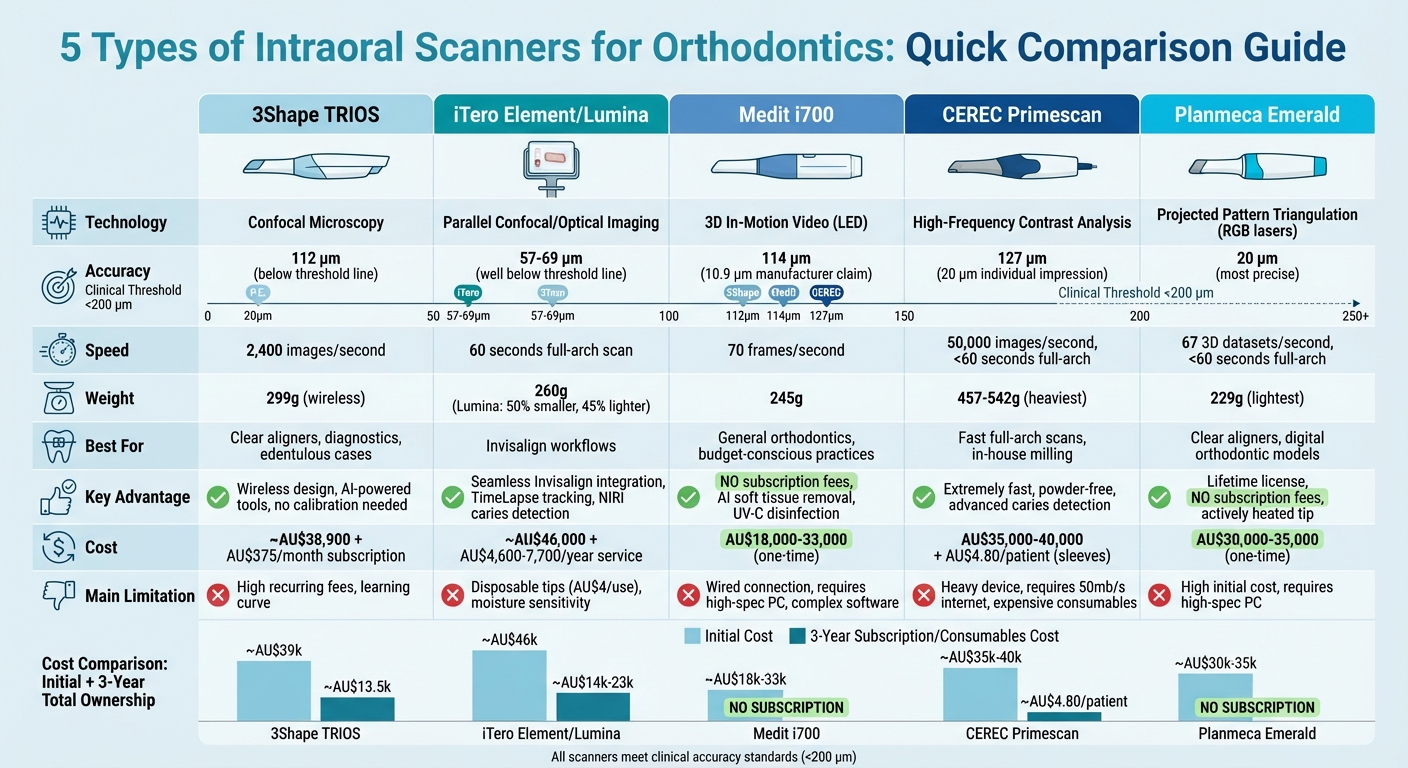
Comparison of 5 Intraoral Scanners for Orthodontics: Accuracy, Cost, and Features
1. Confocal Microscopy Scanners (e.g., 3Shape TRIOS)
Technology Type
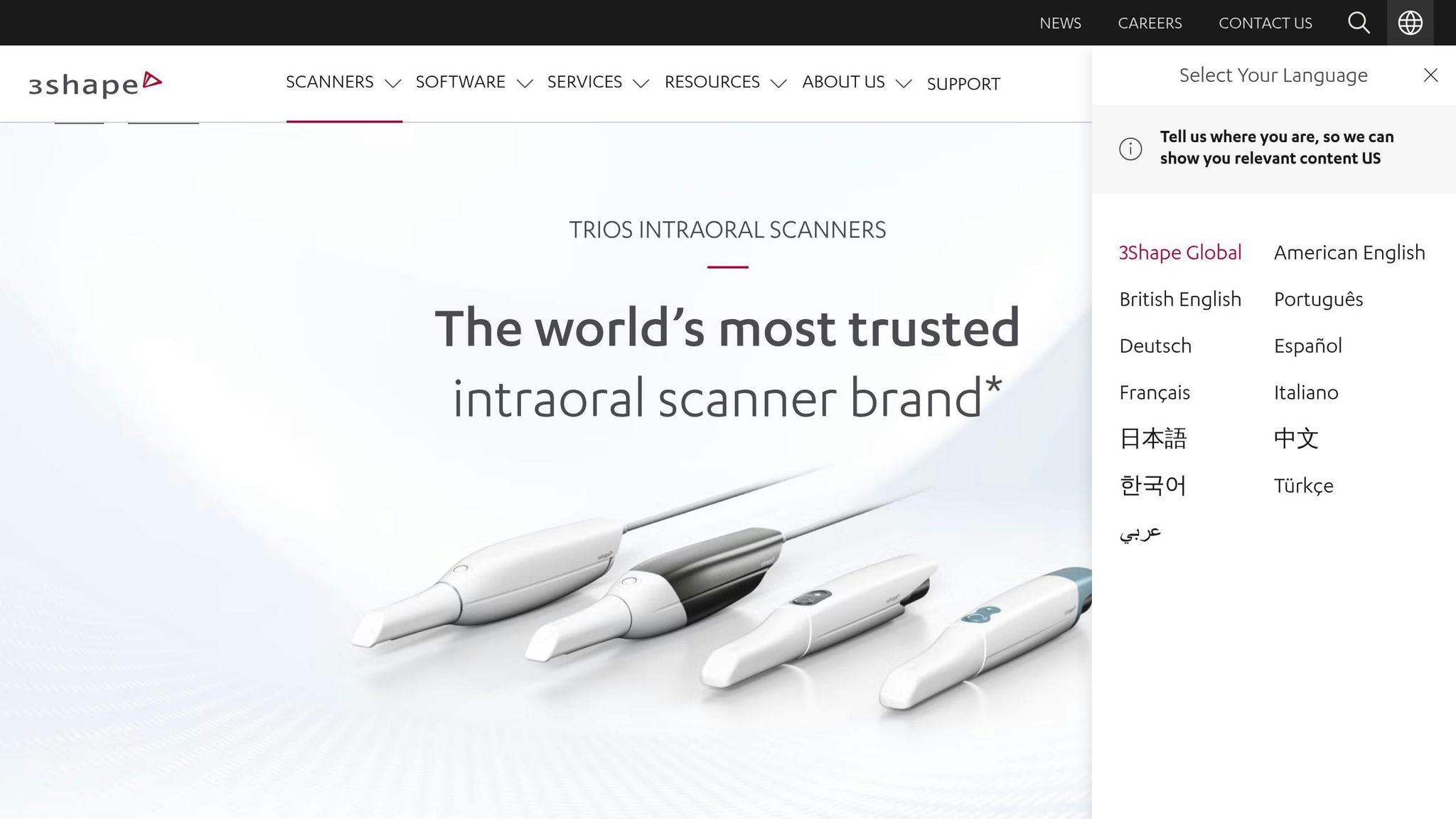
Confocal microscopy scanners rely on parallel confocal imaging to create detailed 3D dental models. The technology works by using a small aperture in front of the sensor to block out-of-focus light, ensuring only sharply focused details are captured. By slicing and stitching together thousands of data points, it produces a complete 3D image. Take the 3Shape TRIOS 6, launched in 2025, for example – it captures an impressive 2,400 images per second to deliver highly accurate digital models. This scanner achieves a Mean Absolute Deviation of 112 µm in full-arch scans, which speaks volumes about its clinical precision [8][7].
Accuracy (Average Deviation in µm)
A 2024 study comparing scanners revealed that the 3Shape TRIOS 5 maintains an average Mean Absolute Deviation of 112 µm, comfortably within the clinically accepted 200 µm threshold for full-arch scans. The scanner performs particularly well in the anterior region (112 µm), though its accuracy slightly decreases in the posterior region (127 µm) [9][11].
Orthodontic Applications
The high-resolution imaging provided by these scanners is invaluable for orthodontic tasks like digital diagnosis and treatment planning. They are commonly used in creating clear aligners (e.g., Invisalign), setting up digital diagnostics, planning treatments, and indirect bonding. These scanners excel at measuring critical parameters such as arch width, tooth size, and Bolton discrepancies. The TRIOS series is also compatible with Invisalign and ClearCorrect platforms, enabling precise treatment simulations [6].
Advantages and Disadvantages
Advantages of the TRIOS lineup include its lightweight, wireless design – the TRIOS 5 weighs only 299 g – and its user-friendly features. It requires no calibration and comes with AI-powered tools like "Scan Assist" and the TRIOS Dx Plus software, which can monitor caries and gum recession [6]. The autoclavable scan tips are durable, lasting up to 100 cycles, and the battery is robust enough to scan up to 33 patients on a single charge [10]. Dr Jonathan Ferencz emphasises its convenience in patient communication:
The best patient is an educated patient. But communication has to be quick and intuitive. So now, rather than taking out the camera and iPad, I reach for my scanner [7].
However, there are disadvantages to consider. The initial investment is steep, costing around AU$38,900, with additional monthly fees of AU$375 for TRIOS Care coverage. Operators may face a learning curve, and the scanner can struggle with deep subgingival margin lines or when heavy bleeding obscures the field [1]. These limitations highlight the scanner’s specific strengths and challenges in orthodontic practice.
2. iTero Scanners
Technology Type
iTero scanners use optical imaging to create detailed 3D models of intraoral anatomy by generating triangulated point clouds [10]. Older models rely on parallel confocal imaging, while the newer Lumina model employs multi-direct capture, extending scanning depth from 15 mm to 25 mm [15][17]. Advanced versions also feature Near-Infrared Imaging (NIRI) technology, which can visualise internal tooth structures and detect interproximal caries without the need for radiation [12]. The Lumina model boasts a field of view three times wider than its predecessors, making it especially effective for scanning hard-to-reach areas like the palate or crowded teeth [17][20].
Accuracy (Average Deviation in µm)
The iTero Element delivers reliable clinical performance, with an average trueness of 55.1 ± 41.2 µm and precision of 51.8 ± 48.5 µm [16]. In actual patient use, the Element shows deviations of approximately 57 µm in the maxilla and 69 µm in the mandible. Meanwhile, the Lumina meets ADA/ANSI 132 standards, with full-arch errors ranging between 0.03% and 0.24% [19][20][17][9]. The Lumina captures details as fine as 30 µm, well within the clinically acceptable threshold of 200 µm for full-arch scans [20][9]. This level of precision makes it suitable for a variety of orthodontic applications.
Orthodontic Applications
iTero scanners integrate seamlessly with Invisalign workflows, streamlining processes like case submission by eliminating the need for separate intraoral photos [12][18]. The Invisalign Outcome Simulator allows clinicians to show patients a visualisation of their potential post-treatment smile, which some practitioners report has led to a 50% increase in Invisalign case starts [18]. Additionally, the TimeLapse feature enables orthodontists to monitor changes in tooth position, wear, and gingival levels over time by comparing past scans [10]. Full-arch scans can be completed in as little as 60 seconds, and by late 2022, the system had been used in over 66.4 million orthodontic case scans [10][20]. On average, orthodontic practices adopting iTero have seen an increase of 12.42 Invisalign cases and approximately AU$75,000 in additional revenue within 12 months [14].
Advantages and Disadvantages
iTero scanners come with a mix of benefits and challenges, highlighting their role in modern orthodontics.
Advantages:
- They integrate smoothly with Invisalign systems, with 94% of surveyed doctors reporting faster and easier case submissions using the iTero Element 5D imaging systems [12].
- The iTero Lumina’s wand is 50% smaller and 45% lighter, improving patient comfort during scans [17].
"The iTero Lumina scanner has the ability to decrease the chair time that we spend with the patient. Scans take less time and we have a lower remake percentage." [12]
- NIRI technology is 66% more sensitive than bitewing X-rays for detecting interproximal caries and has been associated with a 36% reduction in impression remakes [13].
- New iTero Element systems are priced in the low-to-mid range (approximately AU$46,000), with refurbished models available at lower costs [10].
Disadvantages:
- The upfront cost is considerable, and precise moisture control is essential during scans, as saliva and blood can interfere with results [21].
- There is a learning curve when adopting the technology.
"Every one of my staff has adapted to the iTero Lumina™ scanner. It’s native adaptation – scanning with it is self-explanatory." [12]
- Annual service plans range from AU$4,600 to AU$7,700, adding to ongoing expenses [21].
3. Medit Scanners (e.g., Medit i700)
Technology Type
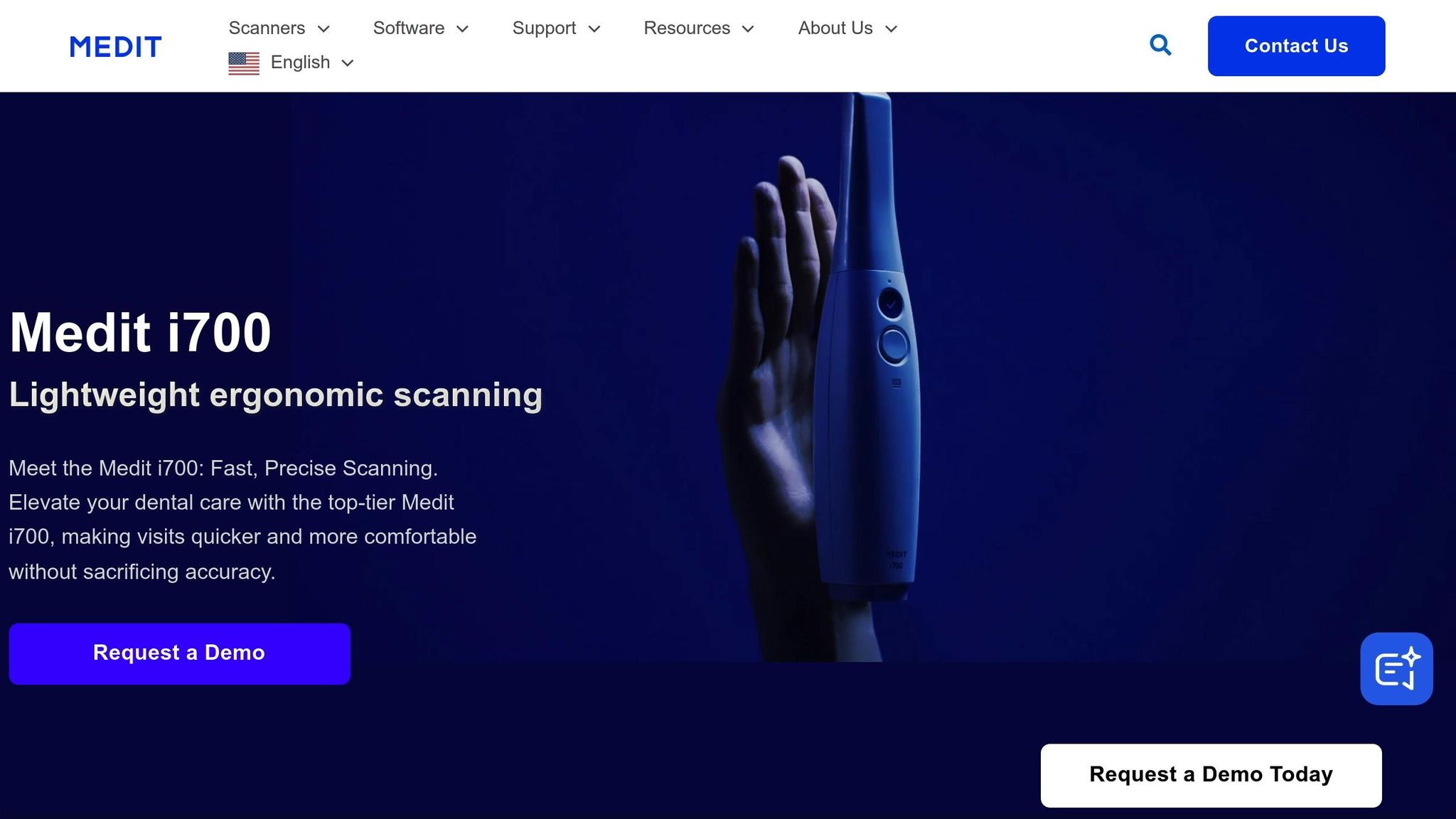
The Medit i700 combines an LED light source with 3D in-motion video capture to produce full-colour streaming scans [10][23]. Operating at a speed of 70 frames per second – the quickest in its category – it enables clinicians to perform full-arch scans efficiently [23]. The scanner also leverages artificial intelligence to automatically exclude unnecessary soft tissue data, like the cheeks and tongue, from scans [25][27]. Additionally, its adaptive anti-fogging feature ensures a clear view throughout the scanning process [10][23]. These features collectively contribute to its high level of precision, as outlined below.
Accuracy (Average Deviation in µm)
According to the manufacturer, the i700 delivers an accuracy of 10.9 µm ± 0.98 [23]. Independent studies show a full-arch mean absolute deviation (MAD) of 114 µm, which comfortably falls within the acceptable range of 200 µm [9]. In some real-world tests, deviations as low as 6 µm have been recorded [9].
Orthodontic Applications
Medit scanners are commonly used in orthodontics for diagnostics, treatment planning, and creating clear aligners and retainers [2][4]. The i700 includes built-in 3D facial and impression scanning capabilities, enabling comprehensive patient records [10]. It allows clinicians to measure arch width, tooth dimensions, Bolton discrepancies, overjet, and overbite directly from digital scans. Moreover, its open-system design supports exporting scan data in STL, OBJ, and PLY formats, making it easy to collaborate with various dental labs and CAD/CAM systems [10][24].
Advantages and Disadvantages
Advantages:
- Weighing just 245 g (including the tip), the i700 is 12% lighter than earlier Medit models, reducing operator fatigue during use [22][23].
- Its 180° reversible tip improves access to tight oral spaces and difficult-to-reach areas [22].
- A built-in UV-C LED disinfection system enhances hygiene, and its autoclavable tips can withstand up to 150 cycles at temperatures of up to 135°C [22][23].
- The "Plug & Scan" feature, using a single USB Type-C cable, simplifies setup. Additionally, a remote control button allows practitioners to manage scans without touching a computer, improving infection control [22].
- Unlike some competitors, the i700 does not require mandatory monthly fees, making it a more budget-friendly option [25][26].
- Pricing typically ranges from AU$18,000 to AU$33,000, depending on the selected package [10][26].
"The i700 uses artificial intelligence to automatically remove unnecessary soft tissue data, improving the clarity of scans and making procedures more efficient." – Next Dental Lab [25]
Disadvantages:
- The software interface can be complex, often requiring additional training for optimal use [26].
- Achieving consistently high-quality scans may demand more technical expertise and practice compared to some competitors [26].
- The standard i700 model relies on a wired USB connection, unlike wireless alternatives [23].
- While highly effective for dentate patients, it performs less effectively with challenging edentulous (toothless) cases [27].
4. CEREC Primescan
Technology Type
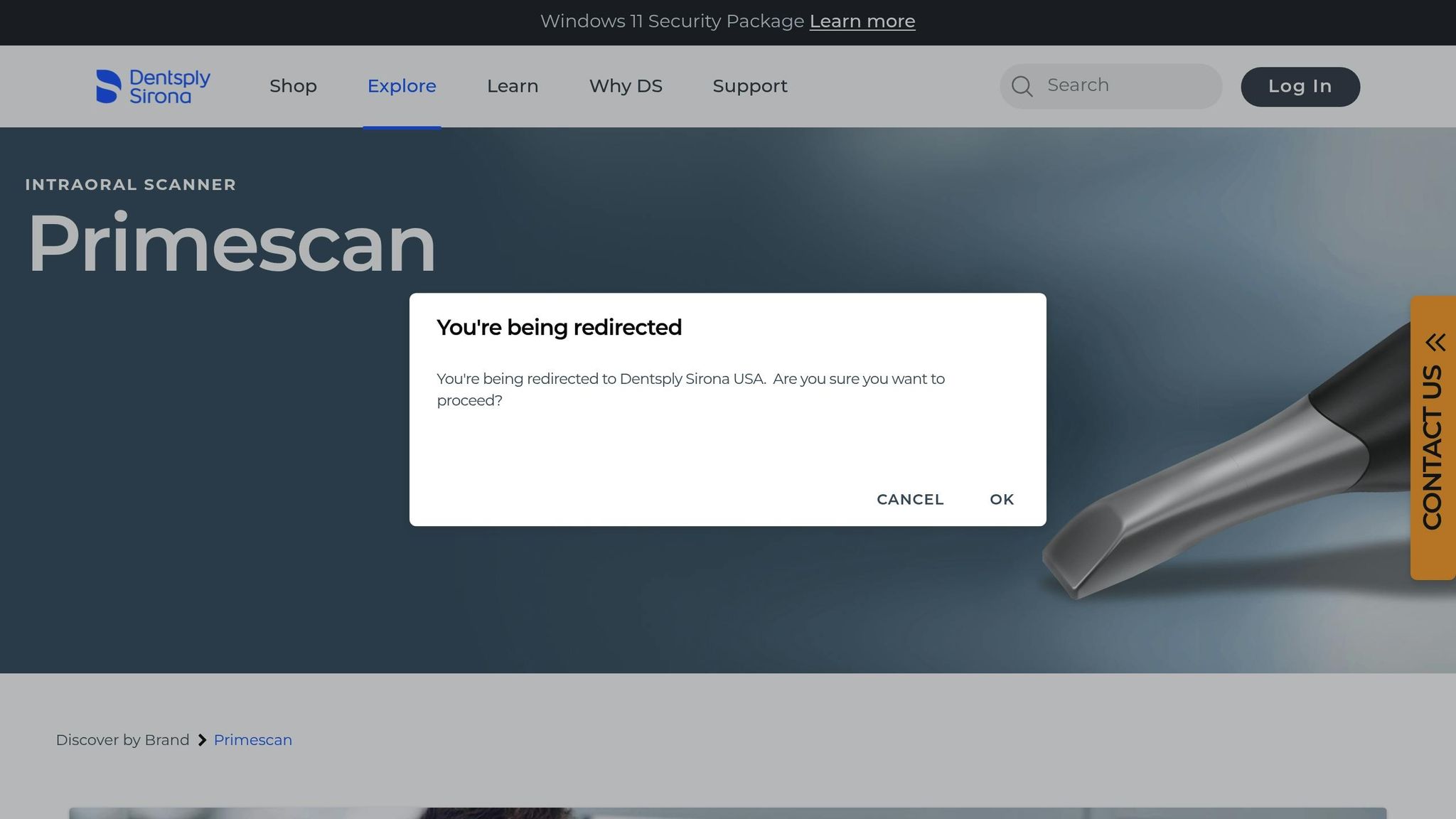
The CEREC Primescan is a cutting-edge device that captures an impressive 50,000 images per second, creating high-resolution 3D models [10]. It processes up to 1 million 3D points per second, allowing for advanced depth scanning up to 20 mm, which is particularly helpful for subgingival areas and implant procedures. Using high-resolution optical scanning based on triangulation, the Primescan achieves powder-free scanning without needing contrast agents [8][5]. This combination of speed and detail makes it a standout for precision and efficiency.
Accuracy (Average Deviation in µm)
According to a 2024 study, the Primescan achieved a Mean Absolute Deviation (MAD) of 127 µm for full-arch scans, with a standard deviation of 179 µm. While these figures are slightly higher than some competitors, they remain well within the clinically acceptable threshold of 200 µm. Additionally, the manufacturer reports an individual impression accuracy of approximately 20 µm, highlighting its capability for detailed and reliable results [9][21].
Orthodontic Applications
The Primescan shines in orthodontic workflows, thanks to its precise imaging capabilities. It integrates seamlessly with systems like SureSmile clear aligner workflows and the DS Core cloud platform, producing detailed 3D models that support virtual treatment simulations, accurate planning, and collaboration with specialists and dental labs [28][29][2]. This digital approach contributes to predictable biological outcomes and often reduces the need for refinements during treatment. When paired with 2D/3D X-ray imaging systems like Axeos, it offers comprehensive diagnostics, ensuring safer and more informed treatment planning [28].
Advantages and Disadvantages
Advantages:
- Scans an entire full arch in under 60 seconds, making it one of the fastest scanners available [8].
- Eliminates the need for traditional impression trays, significantly improving patient comfort by reducing gag reflexes and unpleasant tastes [28][2].
- Offers three sleeve options (autoclavable and disposable), providing flexibility in infection control [10].
- The Primescan 2 model includes advanced caries detection technology, using 405 nm fluorescence for surface caries and 850 nm near-infrared imaging for approximal caries [30].
- The DS Core cloud platform allows clinicians to access scans from any web-enabled device, making remote planning and consultations more convenient [30].
"Primescan enables all kinds of treatment, from single tooth to full arch. With its high accuracy, there are no open questions." – Dentsply Sirona [29]
Disadvantages:
- The wireless Primescan 2 weighs 542 g, while the original model weighs 457 g, making it the heaviest scanner on the market – almost double the weight of competitors like the iTero, which weighs only 260 g [30].
- Its price tag, ranging from AU$35,000 to AU$40,000, places it among the most expensive options [10].
- Requires a high-speed internet connection (minimum 50 mb/s), as any lag can disrupt scanning [30].
- The single-use scanning sleeves for the Primescan 2 cost approximately AU$145 for a box of 30, translating to about AU$4.80 per patient [30].
- The cloud-based scanning software is considered less advanced compared to some competitors [30].
sbb-itb-2be92ed
Top Intraoral Scanners Comparison
5. Planmeca Emerald Scanners
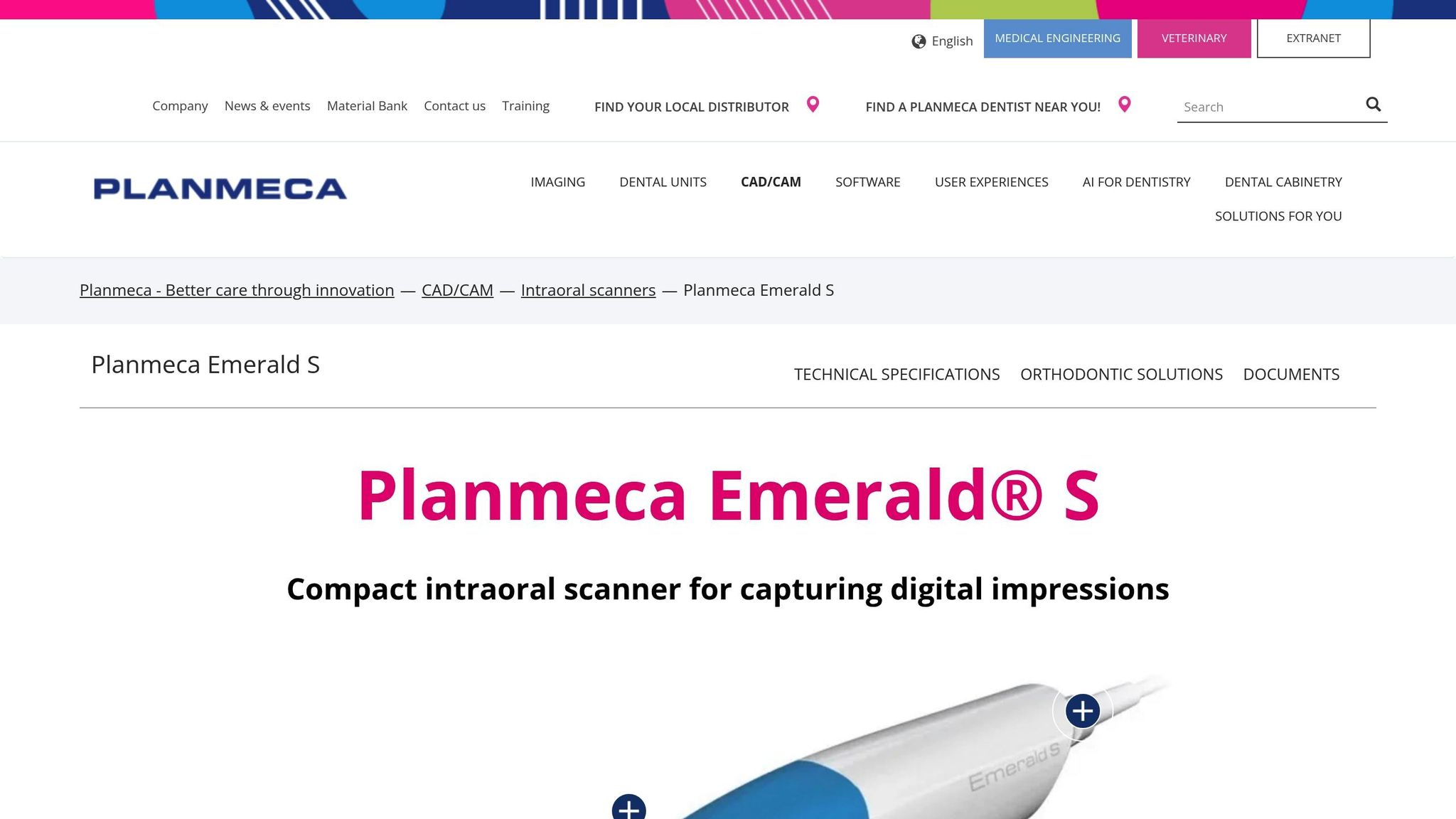
The Planmeca Emerald scanner combines precision with efficiency, making it a strong choice for digital orthodontic workflows. It offers practitioners an effective alternative for capturing digital impressions with accuracy and speed.
Technology Type
The Planmeca Emerald employs projected pattern triangulation with RGB lasers to produce true-colour digital impressions [35]. This optical scanning method ensures micron-level precision, as confirmed by independent studies [31]. With the ability to capture over 67 3D data sets per second, it provides smooth, real-time visualisation during scanning [36].
Accuracy (Average Deviation in µm)
This scanner delivers exceptional accuracy, typically around 20 µm, making it one of the most precise tools for orthodontic use [21]. The trueness and precision of the Emerald S model have also been independently validated [31].
Orthodontic Applications
The Planmeca Emerald is compatible with a wide range of orthodontic systems, including clear aligners (such as 3M, ClearCorrect, Ormco Spark, and SureSmile), custom bracket systems (like Ormco Insignia and WIN Lingual Systems), and sleep apnoea devices. It integrates seamlessly with Planmeca Romexis® software, which includes orthodontic simulation and 3D cephalometry modules. Additionally, it supports open STL and PLY file formats, allowing for easy collaboration with dental laboratories [31].
Advantages and Disadvantages
Advantages:
- At just 229 g (with the tip attached), the scanner is lightweight, reducing wrist strain during prolonged use [35].
- Users benefit from a lifetime licence without any ongoing subscription costs [31].
- Captures a full arch in under 60 seconds, significantly improving clinical efficiency [31].
- Offers autoclavable tips in two sizes – Standard and SlimLine. The SlimLine tip is ideal for patients with smaller mouths or hard-to-reach posterior areas.
- Features an actively heated tip to prevent fogging, enabling uninterrupted scanning right after powering on [35].
- An optional Cariosity tip provides radiation-free caries detection through transillumination, adding extra value during orthodontic consultations [32].
"The scanner is superbly accurate and allows restorations and appliances designed onto digital impressions captured with it to fit flawlessly." – Dental Edge UK [33]
Disadvantages:
- The initial cost is significant, typically ranging between AU$30,000 and AU$35,000 [34].
- Optimal performance requires a high-spec PC, such as an Intel i7 11th generation or better, 32 GB RAM, and an NVIDIA RTX A3000 graphics card [35].
Scanner Comparison Table
Choosing the right intraoral scanner depends on your practice’s needs, budget, and workflow. Below is a table highlighting each scanner’s core technology, accuracy, orthodontic applications, benefits, and drawbacks.
| Scanner Type | Scanning Technology | Accuracy (Mean Deviation) | Best Orthodontic Use | Key Advantage | Main Limitation |
|---|---|---|---|---|---|
| 3Shape TRIOS | Confocal Microscopy | 112 µm [9] | Comprehensive orthodontics & edentulous cases | Versatile and wireless [5] | High recurring subscription fees [5] |
| iTero Element | Parallel Confocal / Optical Wand | ~57 µm* [16] | Invisalign & clear aligner therapy | Seamless Invisalign integration; TimeLapse tracking [10][26] | Ongoing cost of disposable tips (AU$4 per use) [10][26] |
| Medit i700 | 3D-in-motion Video (LED) | 114 µm [9] | Entry-level orthodontics & general restorative | Affordable; no annual subscription fees [5] | Requires high-spec PC hardware [3] |
| CEREC Primescan | High-frequency Contrast Analysis | 127 µm [9] | Fixed dentition & in-house milling workflows | Extremely fast scanning; powder-free [5] | Very high initial cost (AU$40,000+) [26] |
| Planmeca Emerald | Optical Wand / Structured Light | 117 µm [9] | Clear aligners & digital orthodontic models | No recurring user fees | High initial investment (AU$30,000–AU$35,000) [34] |
*Maxillary deviation; mandibular deviation approximately 69 µm [16]
The Planmeca Emerald S demonstrated the lowest standard deviation in accuracy tests, showing consistent performance across multiple scans [9]. For practices focusing on Invisalign, the iTero Element stands out due to its certified connectivity. On the other hand, 3Shape TRIOS and Medit i700 offer more flexibility for broader applications.
When evaluating scanners, it’s essential to consider the total cost of ownership. Medit and Planmeca scanners are free from annual subscription fees, while 3Shape TRIOS and iTero require ongoing payments [5]. Additionally, keep in mind that the iTero Element relies on disposable, non-autoclavable sleeves, which can add to consumable expenses [10][26].
Conclusion
Intraoral scanners have reshaped orthodontic care, offering remarkable precision – achieving 10–20 micron accuracy with full-arch scans completed in under three minutes, and bite registrations in just 5–15 minutes [4][21]. Research consistently shows that patients overwhelmingly prefer digital scanning over traditional methods [4].
These advancements have led to a variety of scanners, each designed to meet different clinical needs. The 3Shape TRIOS stands out for its capabilities in edentulous scanning and wireless mobility, while the iTero Element is a go-to choice for practices focusing on Invisalign, thanks to its seamless integration [5]. For clinics mindful of costs, the Medit i700 is an attractive option as it eliminates annual subscription fees. On the other hand, the CEREC Primescan is highly favoured by those who prioritise in-house milling workflows [5]. Another solid contender is the Planmeca Emerald, known for its reliable performance without recurring user fees [34].
However, it’s not just about scanning performance – total ownership costs play a significant role. Annual service contracts typically range between AU$3,000 and AU$5,000, and there are additional expenses for software updates and consumables [21]. Despite these costs, digital impressions have been shown to deliver impressive results, with success rates for well-designed restorations nearing 99% [21].
When choosing a scanner, it’s essential to consider how well it aligns with your clinical needs, workflow, and clear aligner system. For personalised advice, consulting with dental experts, such as the team at Complete Smiles Bella Vista, can help guide your decision.
FAQs
What should I consider when selecting an intraoral scanner for my orthodontic practice?
Choosing the right intraoral scanner plays a big role in streamlining your orthodontic workflow and creating a smoother experience for your patients. When deciding, focus on accuracy, scan speed, and ease of use. A scanner with a lightweight, ergonomic design and user-friendly software can make it easier for your team to operate and shorten the learning curve. Features like real-time visual feedback can also make a big difference in patient comfort, particularly for those with a sensitive gag reflex.
Cost is another factor to weigh up, as intraoral scanners generally range from $15,000 to $35,000 AUD. Some systems may also come with additional costs, such as ongoing fees for licences or specific file types. Compatibility is key – make sure the scanner works seamlessly with your practice management software, lab platforms, and any clear aligner systems you rely on. This will help you avoid unnecessary workflow hiccups. Lastly, check what the manufacturer offers in terms of training, technical support, and warranty. These elements are essential for keeping your scanner running smoothly and protecting your investment over time.
How do intraoral scanners enhance the orthodontic experience compared to traditional impressions?
Intraoral scanners have transformed dental visits by replacing the messy, uncomfortable impression trays with a far more patient-friendly option. Using advanced digital technology, these scanners capture detailed 3D images of teeth quickly and efficiently.
This shift doesn’t just save time during appointments – it also makes the entire process cleaner and much more comfortable, something patients genuinely appreciate. Plus, the precision of these scanners ensures better-fitting orthodontic appliances, leading to improved treatment results overall.
Are there ongoing costs involved with using intraoral scanners in orthodontics?
When considering intraoral scanners, it’s not just the upfront cost you need to think about – there are ongoing expenses too. Many models come with monthly subscription or licensing fees, which can be as high as $531 per month. On top of that, you might want to budget for optional maintenance or support agreements to keep the scanner in top condition. If you’re looking at pre-owned scanners, they might not have monthly fees, but service contracts could still be necessary. These recurring costs are an important part of evaluating the overall investment for your practice.
Related Blog Posts
- How Intraoral Scanners Improve Orthodontic Workflows
- Future of Intraoral Scanners in Orthodontics
- Recent Advances in Intraoral Scanning Technology
- Study: Accuracy of 10 Intraoral Scanners
Important Notice: Any surgical or invasive procedure carries risks. Before proceeding, you should seek a second opinion from an appropriately qualified health practitioner.
Individual results may vary. The information provided in this article is for educational purposes only and does not constitute medical advice.
Checkout Related Blogs




Get in touch with us
For more information, call us now to start feeling better. Or fill the form below to make appointment
The Latest News from Complete Smiles
How to Clean Clear Plastic Retainers
Checklist for Choosing Wearable Dental Devices
Checklist for Choosing Cloud AI Platforms in Dentistry

Complete Smiles Bella VistaAccepts All Major Health Funds, Including





