





Pros and Cons of Ceramic Braces
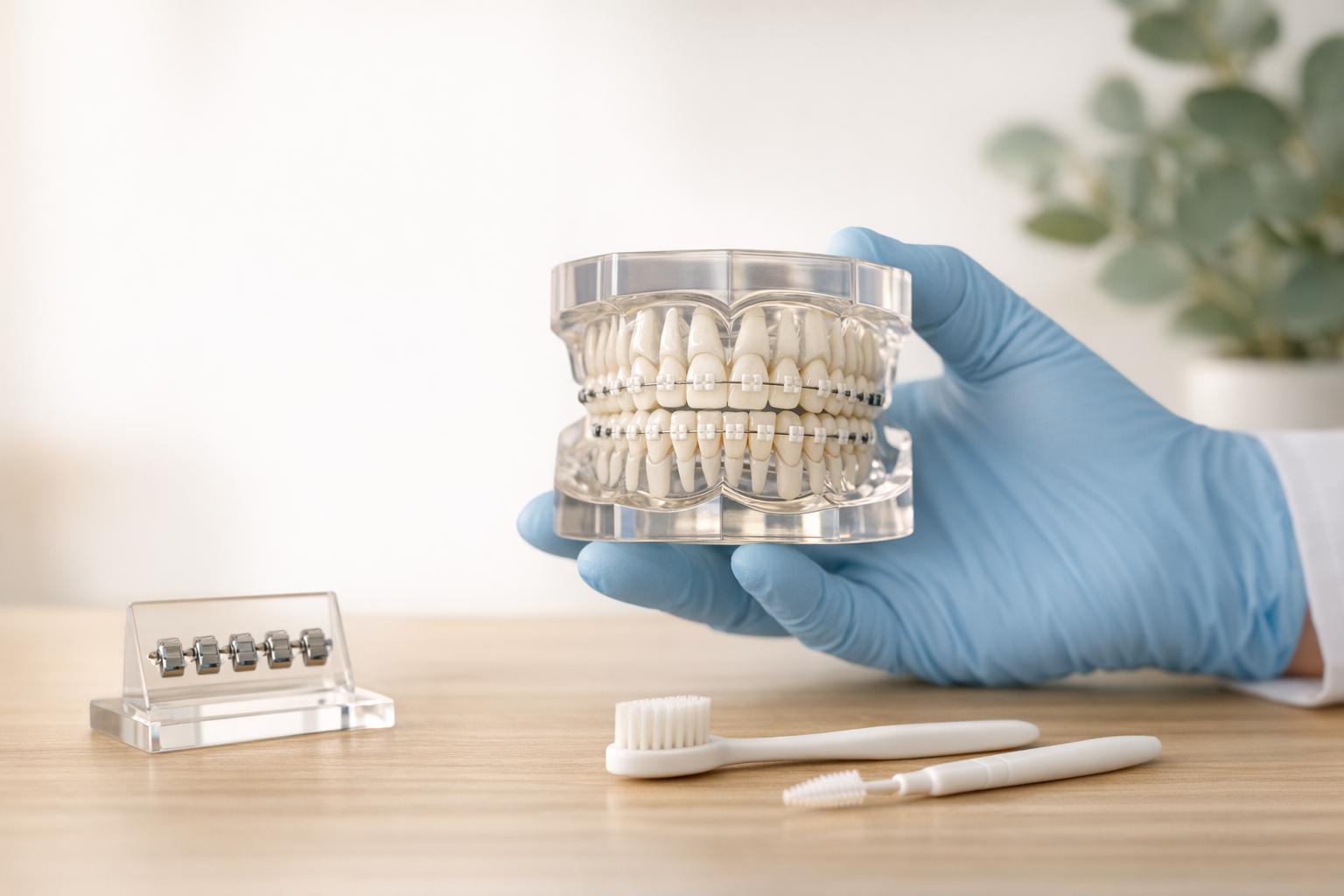
Ceramic braces are a discreet alternative to metal braces, offering tooth-coloured brackets that blend with your teeth. They are effective for treating complex orthodontic issues but come with higher costs, increased fragility, and additional maintenance requirements. Here’s what you need to know:
- Advantages: Less visible, suitable for severe misalignments, and ideal for those with metal allergies.
- Disadvantages: Prone to damage, elastic ties can stain, and they cost AUD $1,000–$2,000 more than metal braces.
Quick Comparison:
| Feature | Ceramic Braces | Metal Braces |
|---|---|---|
| Appearance | Tooth-coloured, less noticeable | Metallic, highly visible |
| Durability | More fragile, prone to chipping | Strong, difficult to break |
| Cost (Australia) | AUD $4,000–$8,000 | AUD $3,000–$6,000 |
| Allergy Risk | Low (nickel-free) | Higher (may contain nickel) |
| Maintenance | Requires extra care | Standard upkeep |
If you value aesthetics and are prepared for the extra care required, ceramic braces could be a great option. Consult your orthodontist to discuss orthodontics and Invisalign to determine the best choice for your needs.
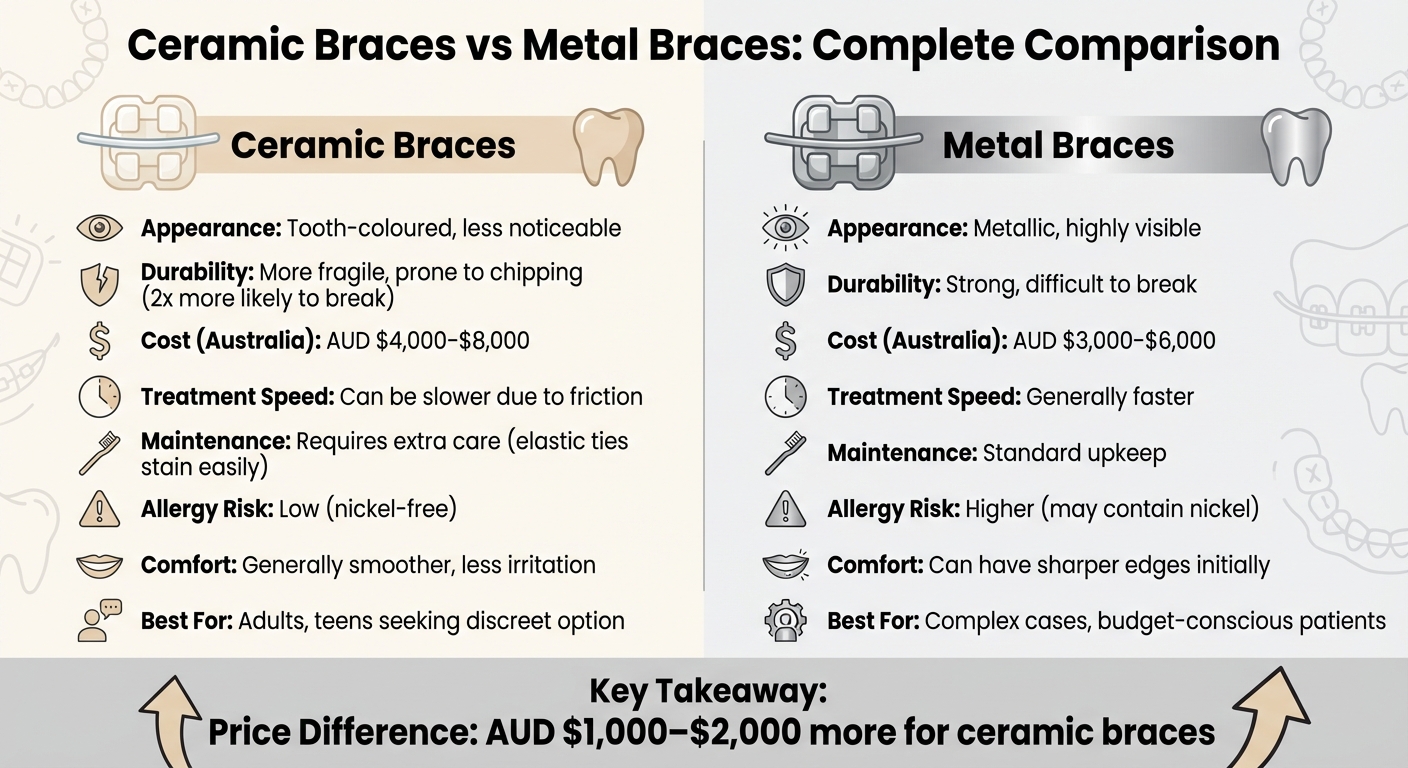
Ceramic vs Metal Braces: Cost, Durability and Appearance Comparison
Benefits of Ceramic Braces
Less Visible Appearance
Ceramic braces are designed with clear or tooth-coloured brackets made from porcelain or ceramic materials. These brackets blend seamlessly with the natural colour of your teeth, making them much less noticeable than traditional metal braces. Orthodontists often pair them with frosted archwires and clear elastic ties to further reduce their visibility [2]. This subtle design is a popular choice for adults and teenagers who may feel self-conscious about wearing braces. As MP Orthodontics explains:
With clear ceramic braces, the fear of standing out in a crowd becomes lesser and it gives them relief from being conspicuous [7].
While their appearance is a major advantage, ceramic braces also provide reliable performance across a range of orthodontic treatments.
Effective for Many Orthodontic Cases
Despite their discreet look, ceramic braces are highly effective in treating complex orthodontic issues. They can handle severe malocclusion, significant tooth rotations, large gaps, and jaw misalignments with ease [2]. According to Orthodontics Australia, ceramic braces are capable of achieving the same complex tooth movements as their metal counterparts [2]. Treatment duration typically ranges from 18 to 36 months [10], and the brackets are designed to endure the standard forces applied during orthodontic adjustments.
Suitable for Metal Allergies
For individuals with nickel allergies, ceramic braces offer an excellent alternative. Their non-metallic design reduces the risk of contact dermatitis [4]. Additionally, the smoother surface of ceramic brackets can minimise irritation to the cheeks and gums, making them more comfortable to wear. Another benefit is their reduced interference with MRI scans compared to metal braces, making them a more compatible option for patients who may require medical imaging [10].
sbb-itb-2be92ed
Ceramic Braces Cost Pros Cons And Alternatives
Drawbacks of Ceramic Braces
Ceramic braces may look great and function well, but they come with their own set of challenges. Let’s take a closer look at the costs, durability issues, and maintenance demands associated with them.
Higher Cost Than Metal Braces
In Australia, ceramic braces generally cost between AUD $4,000 and $8,000, while traditional metal braces fall in the range of AUD $3,000 to $6,000[5][10]. That’s about AUD $1,000 to $2,000 more for the ceramic option. The higher price is due to the tooth-coloured, porcelain-like materials used. While the discreet appearance appeals to many adults and professionals, it’s worth noting that most standard dental insurance plans offer limited coverage for braces chosen purely for aesthetic reasons.
More Prone to Damage
Ceramic braces are not as tough as their metal counterparts. The ceramic material is more brittle, and studies show these brackets are twice as likely to break under normal biting forces compared to stainless steel[5][10]. This fragility often means gentler adjustments are needed, which can stretch out the treatment time. Jaffe Orthodontics highlights this issue:
Ceramic braces are notably fragile, meaning that repairs and broken brackets can become a common thing as they’re twice as likely to break off or fracture[10].
Eating hard, crunchy, or sticky foods can increase the risk of damage. On top of that, removing ceramic brackets poses a slightly higher chance of enamel damage when compared to metal braces[5].
Staining and Care Requirements
Although the ceramic brackets themselves are resistant to stains, the clear or white elastic ties that hold the wires in place are a different story. These elastics can easily discolour when exposed to beverages like coffee, tea, or red wine, as well as pigmented foods like tomato sauce or curry[11]. In fact, a survey found that over 60% of orthodontic patients identified coffee as the leading cause of brace staining[11]. Emerson Orthodontics explains:
The brackets themselves resist stains remarkably well… However, the elastic ties (ligatures) that secure the wire can absorb colours from food, drinks, or habits, leading to yellowing or browning over time[11].
Additionally, the larger size of ceramic brackets can make cleaning around the gumline trickier, potentially leading to gum sensitivity. To maintain oral hygiene, it’s essential to brush and floss after every meal, avoid whitening toothpaste (which can leave uneven spots behind the brackets), and use a straw for pigmented drinks. These extra steps can feel tedious but are necessary to keep your braces clean and your gums healthy throughout the treatment.
Ceramic Braces vs Metal Braces
When deciding between ceramic and metal braces, it’s all about balancing appearance, durability, and practicality. Metal braces are made from high-grade stainless steel, while ceramic braces use tooth-coloured porcelain that blends with your enamel, making them less noticeable on your teeth [1][4][3][7].
But looks aren’t the only factor. Durability and treatment speed also come into play. Ceramic braces are more fragile, with a higher chance of chipping or breaking. Plus, they create more friction, which can slow down your treatment slightly compared to metal braces [4][6][1].
Ceramic braces also have some unique perks. They don’t expose you to nickel, making them a better choice for anyone with allergies, and they’re less likely to interfere with MRI scans. However, their larger size might cause more irritation to your gums or cheeks compared to the smaller metal brackets [3][4][6].
To make the best choice, it’s important to weigh your priorities – whether that’s a more discreet look, durability, or faster treatment. The table below outlines the main differences between these two types of braces.
Comparison Table
| Feature | Ceramic Braces | Metal Braces |
|---|---|---|
| Visibility | Low; tooth-coloured or clear brackets blend with teeth [1][8] | High; silver or metallic brackets are very noticeable [1][9] |
| Durability | Moderate; prone to chipping or cracking [4][6] | High; very strong and difficult to break [1][8] |
| Treatment Speed | Can be slower due to friction or bracket fragility [1][6] | Generally faster, especially for complex movements [4][8] |
| Cost (Australia) | AUD $4,000–$8,000 [3][4] | AUD $3,000–$6,000 [4] |
| Maintenance | Requires extra care in cleaning and food choices [3][6] | Standard orthodontic maintenance [6] |
| Allergy Risk | Low; suitable for those with nickel allergies [1][6] | Higher; may cause reactions in patients with metal allergies [4][6] |
| Comfort | Generally smoother; less irritation to soft tissues [3][7] | Can have sharper edges; may cause initial gum or cheek irritation [7][9] |
If you’re after braces that are less noticeable and don’t mind the extra cost and care, ceramic braces might be your go-to. On the other hand, for those with complex orthodontic needs or budget constraints, metal braces are a reliable and efficient option. As Orthodontics Australia points out:
ceramic braces are particularly popular among adults who are looking for a less obvious treatment option than traditional braces
[1]. Meanwhile, MGA Dental highlights:
metal braces often remain the most effective treatment option due to the level of control they provide for severe misalignment or jaw-related issues
[3].
Who Should Consider Ceramic Braces?
Appropriate Candidates
Ceramic braces are a popular choice for adults and older teens who want straighter teeth without the noticeable metallic look of traditional braces. They’re particularly suitable for those with permanent teeth who are focused on aesthetics but still need effective orthodontic treatment. These braces work well for addressing mild to moderate issues like crowding, gaps, overbites, underbites, and crossbites [4][5][6].
If you have nickel or metal allergies, ceramic braces are a great alternative to stainless steel options [1][4][6]. They’re also ideal for cases that require complex tooth movements – such as rotating teeth or pulling them into proper alignment – tasks that clear aligners often can’t handle [1][2].
Lifestyle Factors
Your daily habits are a big factor in determining whether ceramic braces are the right fit for you. The clear elastic ties used with these braces can stain easily, so you may need to cut back on dark-coloured foods and drinks like coffee, tea, red wine, and tomato-based sauces. Using a straw can help minimise staining [2][5][6]. Maintaining excellent oral hygiene is also critical, as the slightly larger ceramic brackets tend to trap more plaque. Brushing and flossing after every meal is essential to avoid staining and gum issues [2][3][4].
For those who play contact sports, it’s worth noting that ceramic brackets are more fragile than their metal counterparts – they’re over twice as likely to break or fracture [4][5]. If you’re active in sports, you’ll need to take extra precautions. On the other hand, ceramic braces are fixed in place, making them a good option if you find it challenging to stick to the 22-hour daily wear requirement of removable clear aligners compared to braces [3][8]. Additionally, ceramic braces are a better choice for professionals who frequently undergo MRI scans, as ceramic materials cause less interference than metal [2][5][6].
With these factors in mind, it’s important to weigh how ceramic braces fit into your lifestyle and whether you’re prepared for the extra care they require.
Consulting an Orthodontist
After evaluating your needs and lifestyle, the next step is consulting an orthodontist. They’ll assess whether ceramic braces can effectively address your specific orthodontic issues or if traditional metal braces might be necessary for more severe misalignments [3][5][7].
An orthodontist will also explain the additional care ceramic braces demand, the potential treatment duration, and how these braces align with your habits and expectations. If cost is a concern, they can outline payment plans and help you balance the aesthetic appeal of ceramic braces with their durability and maintenance requirements. This consultation ensures you make an informed decision tailored to your individual needs.
Conclusion
Key Points
Ceramic braces offer a balance of subtle appearance and effective orthodontic treatment, making them a popular choice for adults and older teens. These braces use clear or tooth-coloured porcelain brackets that blend naturally with your teeth, providing a less noticeable alternative to traditional metal braces while effectively addressing complex misalignments.
That said, they do come with some considerations. Ceramic brackets are more fragile – about twice as likely to break compared to metal brackets [10][5]. Additionally, the clear elastic ties can stain when exposed to dark-coloured foods and drinks, which means maintaining excellent oral hygiene is essential. They’re an ideal option for those with metal allergies or for patients needing braces that are MRI-compatible.
Carefully weigh these factors and have an open discussion with your orthodontist to determine if ceramic braces are the right choice for you.
Next Steps
Speak with an orthodontist to decide whether ceramic or metal braces are better suited to your dental needs, lifestyle, and budget. They can provide a personalised treatment plan and guidance on how to care for your braces.
For tailored advice, book a consultation with Complete Smiles Bella Vista by visiting https://completesmilesbv.com.au.
FAQs
Are ceramic braces worth the extra cost for me?
Ceramic braces might be worth the extra cost, depending on what matters most to you. They’re designed to be less noticeable than traditional metal braces, thanks to their clear or tooth-coloured brackets, and many people find them more comfortable to wear. However, they come with a higher price tag in Australia, typically ranging from $6,500 to $9,500. They can also be more fragile and need extra care to prevent staining. If having a discreet and comfortable option is your top priority, ceramic braces could be a suitable choice.
How can I stop ceramic braces staining?
To keep ceramic braces looking their best, focus on maintaining good oral hygiene. Brush your teeth after every meal, floss daily, and rinse with water or mouthwash regularly. Try to steer clear of stain-causing foods and drinks like coffee, tea, red wine, dark sauces, and berries. Smoking can also lead to discolouration of the elastic ties and brackets. With consistent care, your braces will stay clean and clear.
Do ceramic braces take longer than metal braces?
Yes, ceramic braces generally take more time to straighten teeth compared to metal braces. While metal braces often require around 18 to 24 months for treatment, ceramic braces typically take between 18 months and three years. This extended timeline is due to the fragility of ceramic brackets, which may need extra care and adjustments to achieve the desired results effectively.
Related Blog Posts
- Types of Braces and Their Costs Explained
- What Are Custom Orthodontic Brackets?
- Ceramic vs Gold: Pros and Cons of Each Material
- Orthodontic Planning: Setting Realistic Goals
Important Notice: Any surgical or invasive procedure carries risks. Before proceeding, you should seek a second opinion from an appropriately qualified health practitioner.
Individual results may vary. The information provided in this article is for educational purposes only and does not constitute medical advice.
Checkout Related Blogs




Get in touch with us
For more information, call us now to start feeling better. Or fill the form below to make appointment
The Latest News from Complete Smiles
How to Clean Clear Plastic Retainers
Checklist for Choosing Wearable Dental Devices
Checklist for Choosing Cloud AI Platforms in Dentistry

Complete Smiles Bella VistaAccepts All Major Health Funds, Including





