





Ceramic vs Gold: Pros and Cons of Each Material
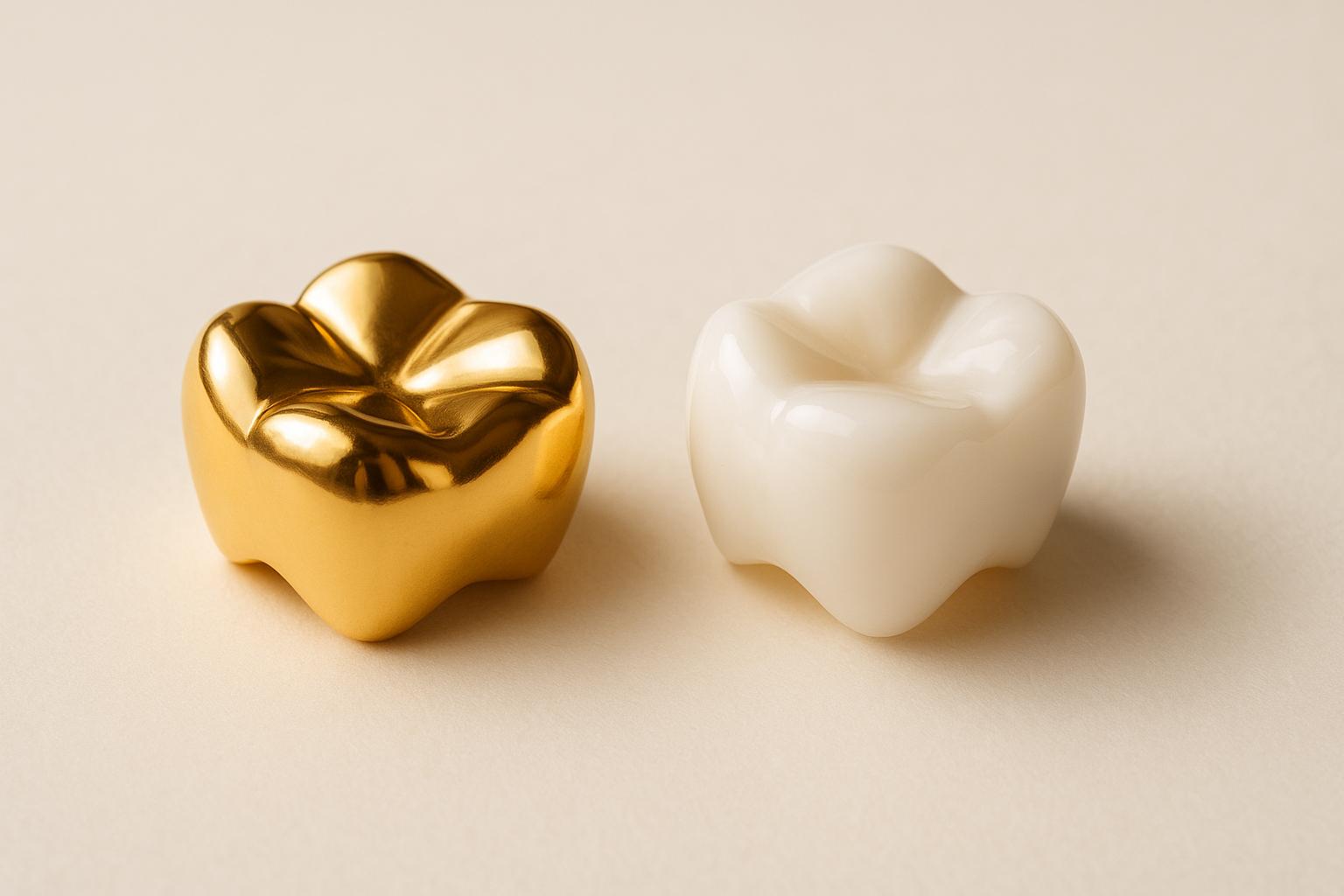
When it comes to dental restorations, ceramic and gold are two popular materials, each with distinct strengths. Ceramic offers a natural, tooth-like appearance, making it ideal for visible teeth. Gold, on the other hand, is unmatched in durability and better suited for molars that endure heavy chewing.
Here’s what you need to know:
- Ceramic: Looks natural, resists stains, and is gentle on tissues, but it can chip under pressure and is harder to repair. Costs range from $1,500–$2,500 in Australia.
- Gold: Extremely durable, lasts over 20 years, and is gentle on opposing teeth. However, its metallic look isn’t suitable for visible teeth, and it’s often pricier than ceramic.
Quick Comparison
| Factor | Ceramic | Gold |
|---|---|---|
| Appearance | Tooth-like, blends with natural teeth | Metallic, noticeable |
| Durability | Good but prone to fractures | Excellent, lasts decades |
| Cost | $1,500–$2,500 | Higher due to material and labour |
| Best Use | Front teeth | Molars and less visible teeth |
| Lifespan | Shorter | Often exceeds 20 years |
Choosing the right material depends on tooth location, bite pressure, aesthetics, and budget. Consult your dentist to determine which option works best for you.
Ceramic Restorations: Pros and Cons
What Are Ceramic Materials
Ceramic materials like porcelain, zirconia, and lithium disilicate are commonly used to restore damaged teeth. These materials range from the classic, glass-like porcelain to the incredibly strong zirconia and the durable yet aesthetically pleasing lithium disilicate.
They’re versatile, used for crowns, veneers, inlays, onlays, and bridges. Thanks to advancements in digital CAD/CAM technology, many dental practices in Australia can now offer same-day placement. Understanding the makeup of these materials helps explain their ability to deliver both natural aesthetics and functional benefits.
Benefits of Ceramic
Ceramic restorations come with a range of clinical and aesthetic advantages:
- Natural look: Ceramic restorations reflect light much like natural enamel, offering a translucent, lifelike appearance that blends seamlessly with existing teeth.
- Biocompatibility: These materials are gentle on tissues and less likely to cause irritation, making them a good choice for people with metal sensitivities.
- Stain resistance: High-quality ceramics resist discolouration from common culprits like coffee, tea, red wine, and tobacco, helping them maintain their appearance over time.
- Tooth preservation and thermal comfort: Ceramic restorations involve conservative preparation, preserving more of the natural tooth. Additionally, their thermal properties help minimise sensitivity.
Drawbacks of Ceramic
While ceramic restorations have many benefits, there are some downsides to consider:
- Prone to fractures: Ceramics can chip or crack under heavy pressure, making them less ideal for those with strong bite forces or habits like teeth grinding.
- Expense: In Australia, ceramic restorations typically cost between $1,500 and $2,500, reflecting the premium materials and intricate manufacturing process.
- Placement challenges: The procedure requires a high level of expertise. Precise preparation, accurate impressions, and meticulous bonding are essential for success.
- Potential wear on opposing teeth: Some ceramic materials can cause wear on the teeth they come into contact with, though modern polishing techniques help reduce this risk.
- Limited repair options: If a ceramic restoration is damaged, it often needs to be replaced entirely, which can lead to additional costs and time for treatment.
Gold Restorations: Pros and Cons
What Are Gold Materials
Gold has been a trusted material in dentistry for decades, thanks to its unique properties. It’s used as an alloy, blended with metals like platinum, palladium, silver, and copper to enhance its strength and durability. These alloys strike a balance between being easy for dentists to work with and offering long-lasting resilience for patients. Types III and IV gold alloys are especially popular for crowns and bridges, as they combine ease of manipulation with excellent strength. Adding metals like palladium and platinum further boosts hardness and protects against corrosion, ensuring these restorations can stand the test of time.
Benefits of Gold
Gold restorations come with a range of benefits that have made them a reliable choice over the years. One of their standout qualities is durability – with proper care, they can last for decades. Gold’s malleability allows for precise margins and a snug fit, reducing the chances of decay around the edges. Another advantage is that gold is gentle on opposing teeth, as its wear properties closely mimic natural enamel. Plus, gold’s strength means that less of the natural tooth needs to be removed during preparation, helping to preserve more of the original structure.
Drawbacks of Gold
Despite its many advantages, gold restorations aren’t without drawbacks. The most obvious one is their metallic appearance, which makes them less suitable for visible areas like the front teeth. Cost is another factor – gold restorations are often pricier than ceramic options, which can influence decisions, especially in Australia. Availability is also a growing issue, as fewer dental labs and practitioners specialise in gold restorations today. Maintenance can be a concern too, as the cement holding the restoration may need periodic evaluation or replacement. Lastly, while gold is generally well tolerated, some patients may experience sensitivities or allergies to certain metals in the alloy. For a better understanding, it’s helpful to compare these characteristics with ceramic restorations in the next section.
Gold Crowns Vs. All Ceramic Crowns
sbb-itb-2be92ed
Ceramic vs Gold: Side-by-Side Comparison
When deciding between ceramic and gold restorations, it’s essential to weigh the strengths of each material. Both have their advantages, tailored to specific clinical requirements.
Comparison Chart
Here’s a breakdown of how ceramic and gold restorations stack up, focusing on aesthetics, durability, failure rates, cost, and ideal placement:
| Factor | Ceramic | Gold |
|---|---|---|
| Aesthetics | Excellent – closely resembles natural teeth | Poor – metallic and noticeable |
| Durability | Good – can fracture under heavy pressure | Excellent – often lasts over 20 years with care [1] |
| Failure Rates | Higher – 36% for full crowns after 5 years, 5–9% for inlays/partials [2] | Lower – 0–11% across restorations [2] |
| Cost | Typically more budget-friendly | Higher due to material and specialised techniques [1] |
| Best Locations | Perfect for visible teeth | Best for molars where strength is key |
| Longevity | Shorter lifespan compared to gold | Often exceeds 20 years [1] |
The chart highlights key differences, particularly in durability and failure rates. Ceramic restorations, while visually appealing, are more prone to fractures under heavy biting. Gold restorations, on the other hand, are incredibly durable but tend to fail due to decay around the margins rather than material degradation [2].
"All-ceramic crowns, though more natural-looking, may not last as long as gold crowns." – Lakeside Dental Arts [1]
Research consistently underscores gold’s long-term reliability. For instance, cast gold partial crowns show better survival rates than ceramic options over time [3]. This durability makes gold a standout choice for back teeth, where chewing forces are strongest.
Ceramic is ideal for front teeth, offering a natural look that blends seamlessly with your smile. Gold, however, shines in functionality, excelling in areas where strength and endurance are non-negotiable. By understanding these trade-offs, you and your dentist can select the material that best suits your needs and priorities.
How to Choose Between Ceramic and Gold
Choosing the right material for your dental restoration depends on your individual needs. Several personal and clinical factors will help guide you and your dentist toward the best option for your situation. These considerations build on the material benefits discussed earlier, ensuring a personalised treatment plan.
Factors to Keep in Mind
Tooth location is a major factor. Front teeth, which are visible when you smile or talk, often benefit from ceramic restorations due to their natural appearance. On the other hand, back teeth – especially molars that handle heavy chewing – might be better suited for gold restorations because of their strength and durability.
For those who suffer from bruxism (teeth grinding or clenching), material choice becomes even more important. Ceramic restorations can be more prone to cracking under constant pressure, while gold’s resilience makes it a more reliable option in such cases.
Metal allergies are another consideration, though they are rare. If you have sensitivity to metals, ceramic restorations provide a safe alternative.
Aesthetic preferences and budget also vary between individuals. If achieving a natural-looking smile is your main goal, ceramic restorations are often preferred for their ability to mimic the colour of natural teeth. They can also sometimes be more affordable upfront. However, if you prioritise longevity, particularly for less visible teeth, gold restorations may offer better long-term value due to their exceptional durability.
Lastly, age and lifestyle can play a role. Younger patients who want their restorations to last for decades might find gold to be a more suitable choice because of its proven track record for longevity.
Once these personal factors are considered, professional advice becomes essential.
Consulting Your Dentist
Your dentist’s clinical evaluation is critical in making the right decision. They’ll assess elements like the remaining tooth structure, your bite pattern, and the forces acting on the tooth. This thorough examination will help determine whether ceramic or gold is the better fit for your specific situation.
Complete Smiles Bella Vista offers consultations for both ceramic and gold restorations. Dr. James Hanna and his team can evaluate your needs and discuss which material aligns best with your functional and aesthetic preferences.
Be sure to talk openly with your dentist about your expectations, budget, and concerns regarding durability. This conversation allows your dentist to recommend the most suitable material and treatment plan.
Understanding the lifespan, maintenance, and placement process of each option will help you make an informed choice that works for you in the long term. By considering factors like tooth location, bruxism, allergies, aesthetics, and cost – and relying on your dentist’s expertise – you can confidently select a restoration that meets your unique needs.
Conclusion: Making the Right Choice for Your Teeth
When considering the best material for your dental restoration, it’s all about finding the right balance for your specific needs. Ceramic materials are a popular choice for their ability to mimic the natural appearance of teeth, making them ideal for front teeth. However, they do come with a trade-off: they can be more prone to chipping and may require extra care, especially under heavy chewing forces.
On the other hand, gold restorations are known for their durability and compatibility with the body. They can handle years of wear and tear, making them a reliable option for back teeth that endure the most chewing pressure. The downside? Their metallic look might not be the best fit for teeth that are more visible when you smile.
Choosing the right material depends on several factors: the location of the tooth, your bite pattern, whether you grind your teeth, and, of course, your aesthetic preferences. Cost is another consideration – it’s not just about the upfront expense but also the long-term value and durability of the material.
To make the best decision, it’s essential to match the properties of the material to your personal needs. Your dentist can guide you through this process, evaluating things like the condition of your remaining tooth structure, the forces your bite exerts, and your overall oral health. They’ll also explain the placement process, how long each option is likely to last, and what kind of care is required to maintain it.
Ultimately, the goal is to approach this decision with realistic expectations and a clear understanding of your priorities. Whether you’re after a natural look, maximum strength, or a mix of both, there’s a solution out there for you. A thoughtful conversation with your dentist will ensure you choose the option that best supports your oral health for years to come.
FAQs
What should I consider when deciding between ceramic and gold dental restorations?
When choosing between ceramic and gold dental restorations, it’s essential to weigh up factors like durability, appearance, and your individual preferences. Gold restorations are known for their exceptional strength and resistance to wear. They’re less likely to chip or break, making them a great choice for back teeth that handle most of the chewing.
Ceramic restorations, however, are prized for their natural, tooth-like look, which makes them a go-to option for front teeth where appearance is key. If you’re sensitive to metals, ceramic might be the better choice since it’s completely metal-free.
Other considerations include the tooth’s location and your budget. While ceramic might win in terms of aesthetics, gold tends to last longer in areas subjected to heavy chewing. Ultimately, your dentist can help you decide which material aligns best with your needs and lifestyle.
What are the long-term costs of ceramic and gold dental restorations in Australia?
The cost of ceramic and gold dental restorations in Australia can vary based on the material and individual needs. For ceramic crowns, you’re looking at a range of $1,300 to $2,250 per tooth, while gold crowns typically start at $1,200, with the price increasing depending on the gold content and complexity of the case.
Ceramic crowns are popular for their natural look and aesthetic qualities, making them a great choice for teeth that are easily visible. Gold crowns, meanwhile, are known for their strength and durability, which often translates to lower maintenance expenses over time. When deciding, it’s important to weigh your aesthetic goals, functional requirements, and your dentist’s recommendations to find the best fit for your situation.
Are there specific dental conditions or habits that make ceramic or gold crowns more suitable?
Certain dental conditions and habits can play a big role in deciding whether ceramic or gold crowns are the better option for you. For instance, if you grind or clench your teeth (a condition known as bruxism), gold crowns are often a sturdier choice. Gold is highly durable and can handle the extra stress caused by grinding, whereas ceramic crowns are more prone to cracking or chipping under similar pressure.
The same applies if you have a habit of biting hard objects or chewing on ice. Gold crowns are generally more resistant and can withstand these forces better than ceramic ones. While ceramic crowns are known for their natural appearance, they might not be the most durable choice for these situations. Your dentist will assess your oral health and daily habits to recommend the best material for your crowns.
Related Blog Posts
- Wear-Resistant Materials in Dental Restorations
- Durability of Metal-Ceramic Restorations
- Ceramic Materials in Crowns and Bridges
- How Ceramic Restorations Compare to Amalgam
Important Notice: Any surgical or invasive procedure carries risks. Before proceeding, you should seek a second opinion from an appropriately qualified health practitioner.
Individual results may vary. The information provided in this article is for educational purposes only and does not constitute medical advice.
Checkout Related Blogs




Get in touch with us
For more information, call us now to start feeling better. Or fill the form below to make appointment
The Latest News from Complete Smiles
How to Clean Clear Plastic Retainers
Checklist for Choosing Wearable Dental Devices
Checklist for Choosing Cloud AI Platforms in Dentistry

Complete Smiles Bella VistaAccepts All Major Health Funds, Including





