





Wear-Resistant Materials in Dental Restorations
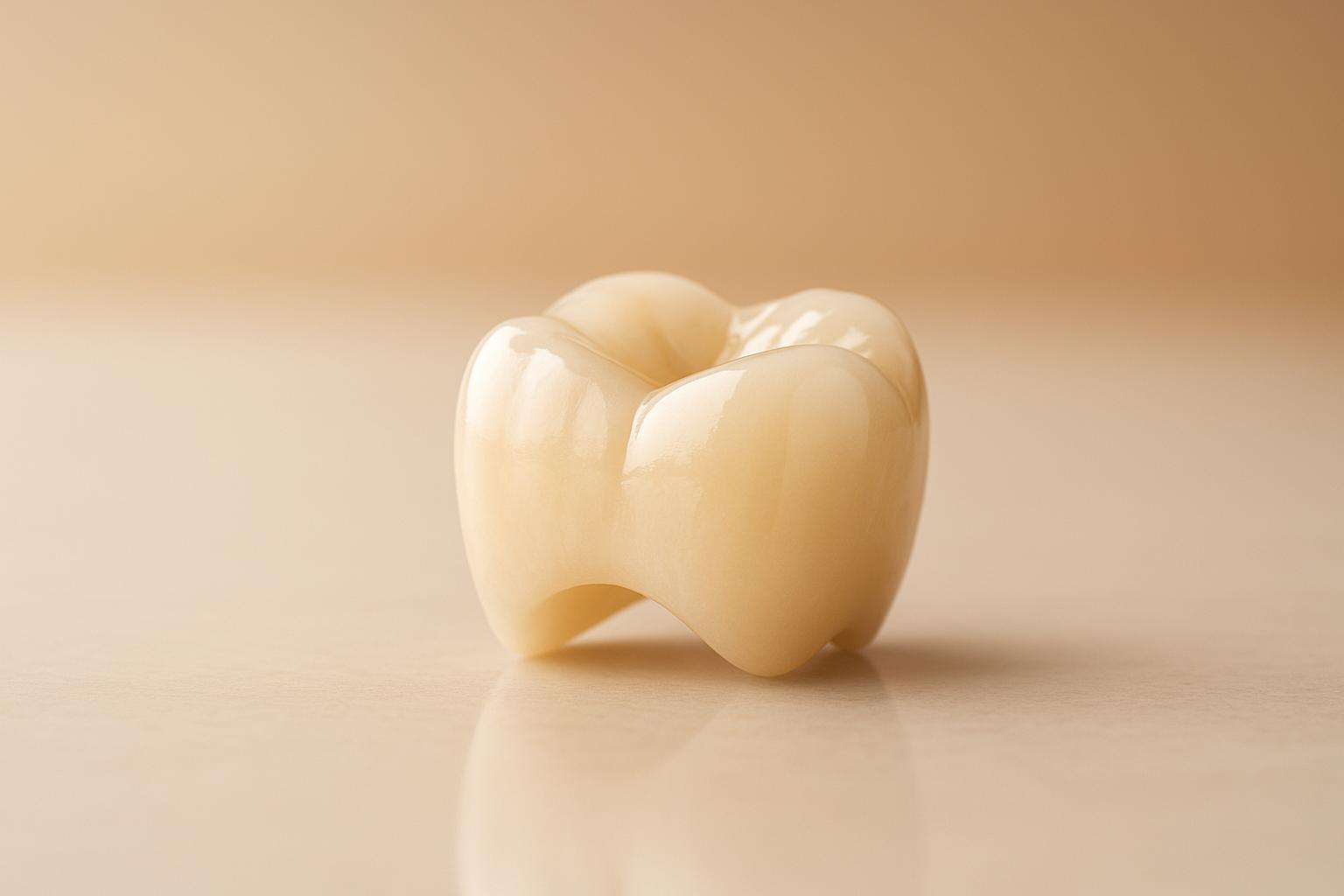
Dental restorations need to handle chewing, temperature changes, and acidity while staying strong and looking natural. Here’s what you need to know:
- Durable Materials Last Longer: Gold (96%), amalgam (95%), and porcelain-fused-to-metal crowns (90%) can last 10+ years. Zirconia may last 15–20 years with good care.
- Key Properties for Strength:
- Hardness: Resists chewing wear.
- Fracture Toughness: Prevents cracks.
- Wear Resistance: Keeps the material intact longer.
- Popular Materials:
- Zirconia: Strong and long-lasting but less aesthetic for front teeth.
- Porcelain: Natural-looking but prone to chipping.
- Composites: Affordable and customisable but less durable.
- Metal Alloys: Extremely durable but best for hidden areas due to appearance.
- Advancements:
- Nanotechnology: Improves strength, wear resistance, and appearance.
- CAD/CAM Technology: Creates precise, custom restorations with minimal waste.
Quick Comparison:
| Material | Strength | Aesthetic Appeal | Durability | Cost |
|---|---|---|---|---|
| Zirconia | High | Moderate | 15–20 years | High |
| Porcelain | Moderate | High | 6–10 years | Moderate |
| Composites | Low–Moderate | High | 5–7 years | Low |
| Gold | High | Low | 50+ years | Very High |
Wear-resistant materials improve dental outcomes by reducing replacements, ensuring durability, and offering natural-looking results.
Main Properties of Wear-Resistant Materials
Material Strength Properties
The durability of restorations heavily relies on the material’s strength properties, which help resist daily wear and maintain structural integrity over time.
| Property | Description | Importance |
|---|---|---|
| Hardness | Resistance to surface indentation | Protects against surface degradation caused by chewing |
| Fracture Toughness | Ability to resist crack propagation | Minimises the risk of sudden material failure |
| Wear Resistance | Capacity to maintain structure | Prolongs the lifespan of the restoration |
Modern CAD/CAM composites outperform traditional composites in wear resistance, making them a more reliable choice for posterior restorations [2].
Temperature and Chemical Response
Dental materials must endure the challenging oral environment, which includes temperature fluctuations and exposure to various chemicals. These factors can significantly influence the longevity of restorations.
"While the wear resistance of dental composite restoratives is no longer considered to be a major concern for most restorations, the relatively limited information available suggests that it may still be a concern for very large restorations in direct occlusal contact, or for those patients with bruxing and clenching behavior." – Ferracane [3]
Modern materials are designed to handle these challenges with features such as:
- Stability under varying temperatures
- Resistance to acidic substances
- Protection against bacterial activity
- Long-lasting performance in the presence of saliva
However, direct resin composites typically undergo 2–4% polymerisation shrinkage [2]. Beyond thermal and chemical stability, restorations must also meet high standards for appearance and biological compatibility.
Safety and Visual Appeal
Wear-resistant materials are crafted to balance strength, aesthetics, and safety. They are biocompatible and minimise the risk of adverse reactions. The development of tooth-coloured materials has revolutionised dental restorations by offering:
- Direct bonding to tooth structures, often preserving more healthy tooth material
- Reduced sensitivity to temperature changes
- Natural-looking results that seamlessly blend with surrounding teeth [4]
Considering that 92% of adults experience cavities at some point [5], these advanced materials combine durability with a lifelike appearance, meeting both functional and aesthetic needs.
Types of Wear-Resistant Materials
Porcelain and Zirconia
Zirconia stands out as a material that’s not only strong but also versatile, being at least three times stronger than porcelain [8]. This makes it an excellent choice for balancing durability and aesthetics. Porcelain, on the other hand, mimics the natural appearance of teeth beautifully. However, it’s more prone to chipping and abrasion, with fracture rates ranging from 6% to 25% within three years [6][7]. Each material offers distinct benefits, making them suitable for different clinical scenarios.
Composites and Hybrid Options
Composites are valued for their ability to combine functionality with aesthetics. They allow for precise colour matching, are budget-friendly, and can be repaired with relative ease. That said, they do come with some trade-offs, including a higher likelihood of wear and staining compared to other materials.
| Feature | Benefit | Consideration |
|---|---|---|
| Customisation | Matches tooth colour precisely | May need more frequent replacement |
| Cost-effectiveness | More affordable than ceramics | Less durable than zirconia |
| Repairability | Easy to modify if necessary | Prone to wear and staining |
For situations where strength is a top priority, metal alloys remain a dependable choice.
Metal Alloys
Metal alloys like gold and cobalt-chromium [9] are known for their outstanding durability, even under intense chewing forces. They cause minimal wear on opposing teeth and offer exceptional longevity. However, their metallic appearance makes them better suited for less visible areas. It’s also important to note that nickel-chromium alloys can occasionally cause allergic reactions in some patients [10].
Uses in Dental Procedures
Back Teeth Restorations
When it comes to back teeth, materials need to endure the intense forces of chewing. Monolithic zirconia has become a dependable choice for molars because of its impressive mechanical strength and reduced risk of veneering chipping [11].
Here’s a quick comparison of strength properties in modern dental materials:
| Material Type | Flexural Strength (MPa) | Fracture Resistance |
|---|---|---|
| Y-TZP Zirconia | Up to 1,000 | 4–5 MPa m1/2 |
| Translucent Zirconia | 900–1,400 | Up to 6 MPa m1/2 |
| Lithium Disilicate | Lower | 2.8 MPa m1/2 |
For fixed dental prostheses in the back teeth, it’s advised to have a connector diameter of at least 4 mm to ensure sufficient strength [11]. Polished full zirconia crowns also stand out for their excellent wear resistance, showing minimal weight loss when used against natural enamel [11].
These advancements in material performance for molars also influence decisions for front teeth restorations.
Front Teeth Restorations
Restoring front teeth requires a balance between appearance and durability. Different materials cater to various needs:
- e.max ceramic is a great choice for veneers and crowns in cases with lighter bite forces [12].
- Zirconia-ceramic hybrids offer a mix of strength and aesthetics, making them suitable for moderate grinding issues [12].
- Full zirconia is the most durable option for severe grinding but may sacrifice some aesthetic appeal [12].
Implants and Artificial Teeth
The development of wear-resistant materials has also improved dental implants and artificial teeth. According to ADA ACE Panel surveys, zirconia is now widely used for posterior crowns (98%), bridges (78%), and custom implant abutments (51%) [1].
Polished zirconia surfaces outperform traditional feldspathic porcelain in wear resistance, making them ideal for long-term restorations [1]. This has contributed to the growing preference for metal-free restorations, driven by concerns about metal toxicity and the desire for more natural-looking, tooth-coloured solutions [1].
Additionally, computer-aided design and manufacturing (CAD/CAM) systems have broadened the potential for all-ceramic restorations. These systems provide enhanced durability while maintaining aesthetic quality, paving the way for more advanced and visually appealing dental solutions [1].
New Developments in Materials
Nano-Scale Materials
Nanotechnology is reshaping wear-resistant dental materials by incorporating particles as small as 1–100 nanometres. These nanocomposites bring significant improvements to dental restorations, particularly in mechanical durability. Here’s a breakdown of the key benefits:
| Property | Improvement | Benefit |
|---|---|---|
| Strength | Increased mechanical durability | Better resistance to daily wear |
| Increased Surface Area | Optimised particle interaction | Enhanced material stability |
| Bioactivity | Improved antimicrobial properties | Lower risk of complications |
| Aesthetics | Enhanced light reflection | A more natural-looking appearance |
Studies highlight that these materials can endure approximately 6,000 thermal cycles over a five-year period. This durability aligns perfectly with advancements in digital material design, making nanoscale materials a cornerstone of modern dental innovation.
Computer-Designed Materials
The introduction of CAD/CAM technology (Computer-Aided Design and Computer-Aided Manufacturing) has revolutionised how dental restorations are created. This digital method delivers unmatched precision and reliability, enabling highly accurate, customised materials that are built to last. Here’s how CAD/CAM compares to traditional methods:
| Feature | Traditional Method | CAD/CAM Method |
|---|---|---|
| Precision | 100–200 microns | 4–80 microns |
| Production Time | Multiple appointments | Often completed in a single visit |
| Material Waste | Higher waste levels | Minimal waste |
| Customisation | Limited options | Highly customisable |
With AI now integrated into CAD/CAM systems, these technologies can analyse bite forces and wear patterns, further refining the design and durability of restorations. A study published by BMC Oral Health in March 2024 explored how manufacturing techniques influence the longevity of CAD/CAM-produced materials.
sbb-itb-2be92ed
Types of Dental Crowns and Materials – Gold, Porcelain, Lithium Disilicate, & Zirconia
Summary
In 2015, an estimated 800 million composite resin restorations were placed globally. Over the years, advancements in wear-resistant materials have significantly extended the lifespan of dental restorations. For instance, posterior gold crowns have demonstrated zero failures over a span of 50 years, while cast gold inlays and onlays exhibit an impressively low annual failure rate of just 1.4% [1]. These improvements highlight the clinical benefits of modern materials, as detailed below:
| Material Type | Durability Features | Clinical Benefits |
|---|---|---|
| Zirconia | Exceptional wear resistance | Minimises damage to opposing teeth compared to traditional porcelain |
| CAD/CAM Composites | Improved structural strength | Creates less enamel abrasion than ceramic alternatives |
| Gold Alloys | Outstanding longevity | Adapts well to physiological requirements |
With the integration of nanotechnology and computer-aided design (CAD), dental restorations are achieving new levels of durability without compromising aesthetics. These innovations not only enhance the quality of restorations but also lead to better patient outcomes by reducing the frequency of replacements and ensuring longer-lasting results.
FAQs
What are the pros and cons of using zirconia instead of porcelain for dental restorations?
Zirconia is a standout choice for dental restorations, prized for its strength and resistance to wear. Compared to porcelain, zirconia is about three times stronger, making it ideal for patients with strong bite forces or those who grind their teeth. Beyond its durability, zirconia restorations are designed to look natural, closely mimicking the appearance of real teeth. Plus, they don’t rely on a metal substructure, which means no risk of those unsightly dark margins showing through.
That said, zirconia does come with a higher price tag, which might make it less accessible for some people. While it’s incredibly tough, it’s not completely unbreakable – it can fracture under extreme pressure or if adjustments during fitting aren’t done carefully. This makes precise planning and placement by your dentist crucial to ensure it lasts and performs as expected.
How does nanotechnology improve the durability and performance of dental restorations?
Nanotechnology is transforming dental restorations by boosting their strength, wear resistance, and overall appearance. By integrating nanoparticles into materials like composites and adhesives, these restorations become tougher against shrinkage, discolouration, and daily wear. This means they stay looking natural and functioning well for longer periods.
What’s more, some nanomaterials come with antimicrobial properties, which can help limit bacterial growth and reduce the chances of secondary decay. These innovations not only extend the lifespan of dental work but also contribute to healthier outcomes for patients.
What are the benefits of using CAD/CAM technology for dental restorations, and why might your dentist recommend it?
The Benefits of CAD/CAM Technology in Dental Restorations
CAD/CAM technology has transformed the way dental restorations are done, offering speed, precision, and comfort that traditional methods often can’t match. Many dentists recommend this approach for good reason.
One standout advantage is the time-saving convenience. With CAD/CAM, procedures like crowns and veneers can often be completed in just one visit. That means no more juggling multiple appointments or waiting weeks for your final restoration – it’s all done in a fraction of the time.
Another major plus is the accuracy and precision it delivers. Using digital impressions and advanced design software, dentists can craft restorations that fit perfectly and look natural. These restorations are not only long-lasting but also blend beautifully with your existing teeth, improving both function and appearance.
On top of that, the process is often more comfortable for patients. Forget about messy moulds or dealing with temporary restorations – CAD/CAM streamlines the experience, making it smoother and less stressful.
Related Blog Posts
- 5 Essential Tips for Maintaining Porcelain Veneers
- Dental Implants: Your Top 8 Questions Answered
- Guide to Choosing the Right Cosmetic Dental Treatment
- Wear Resistance of Polymer-Based Restoratives
Important Notice: Any surgical or invasive procedure carries risks. Before proceeding, you should seek a second opinion from an appropriately qualified health practitioner.
Individual results may vary. The information provided in this article is for educational purposes only and does not constitute medical advice.
Checkout Related Blogs




Get in touch with us
For more information, call us now to start feeling better. Or fill the form below to make appointment
The Latest News from Complete Smiles
How to Clean Clear Plastic Retainers
Checklist for Choosing Wearable Dental Devices
Checklist for Choosing Cloud AI Platforms in Dentistry

Complete Smiles Bella VistaAccepts All Major Health Funds, Including





