





What Are Custom Orthodontic Brackets?

Custom orthodontic brackets are braces tailored to fit your teeth using advanced digital scans and 3D printing. Unlike standard braces, which are mass-produced, custom brackets are designed to match the shape and alignment of each individual tooth. This precise fit allows for more targeted tooth movement, reduced discomfort, and improved aesthetics. They’re ideal for anyone seeking a discreet and efficient orthodontic solution, especially those with complex dental issues or unique tooth shapes.
Key Points:
- Custom Fit: Designed using digital scans for each tooth’s exact size and shape.
- Comfort: Smaller, smoother brackets reduce irritation and pressure points.
- Efficiency: Precise forces may shorten treatment time.
- Who Benefits: Great for adults, teens, and those with challenging dental cases.
Custom brackets cost more than standard ones due to the technology involved, and insurance may not fully cover them. However, many clinics offer flexible payment options to make them more accessible. For patients in Australia, digital tools and teleorthodontics are making these advanced braces more available, even in regional areas.
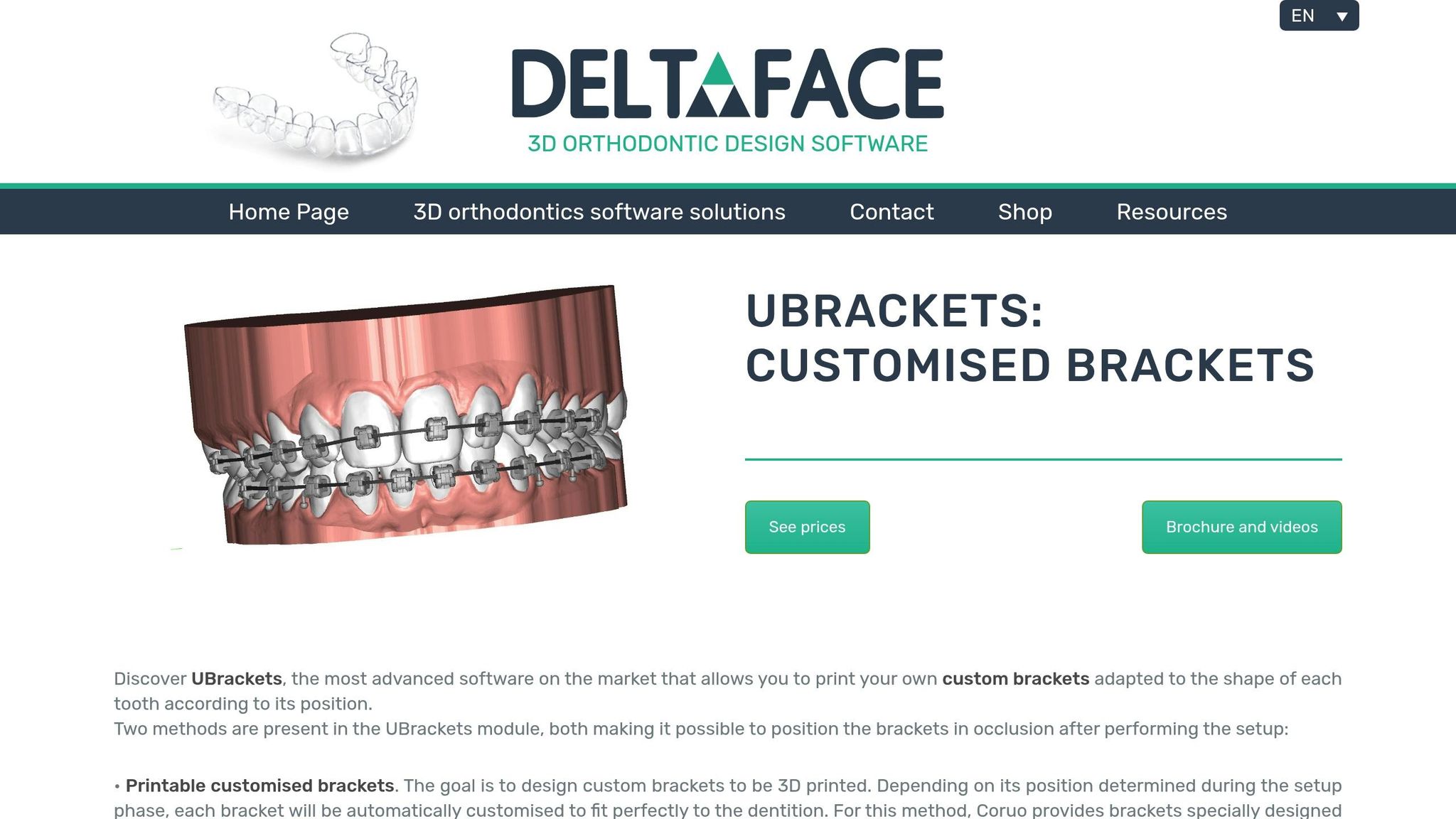
UBRACKETS : Customised orthodontic brackets (3D printed) and indirect bonding
How Custom Brackets Differ from Standard Brackets
When it comes to orthodontic brackets, the differences between custom and standard options boil down to how they’re made, how well they fit, and how they apply force. These distinctions start at the design stage and carry through every step of your treatment.
Manufacturing Process
Standard brackets are mass-produced, with identical sizes and shapes designed to fit the "average" tooth. They’re built in bulk, aiming to work for as many people as possible. Custom brackets, on the other hand, follow an entirely different process. It all begins with a digital scan of your teeth. This scan creates a detailed model, which is then analysed by specialised software to calculate the exact size, angle, and position needed for each tooth. Based on this data, the brackets are either 3D-printed or milled to ensure a precise fit.
Each custom bracket is crafted specifically for the tooth it’s meant to sit on, taking into account its size, root position, and how it needs to move during treatment.
Fit and Comfort
The precision of custom manufacturing directly impacts how well the brackets fit. Standard brackets, with their one-size-fits-all design, often leave small gaps between the bracket and tooth. These gaps can weaken the bond and make it easier for food to get stuck, which is both annoying and unhygienic.
Custom brackets, however, are tailored to match the exact contours of each tooth. The base of the bracket is curved and angled to hug the natural shape of your tooth, creating a snug fit. This not only improves bonding but also makes the brackets smaller and smoother, reducing irritation to your lips, cheeks, and tongue.
Another benefit of this precise fit is the even distribution of forces. Unlike standard brackets, which can create uncomfortable pressure points, custom brackets spread the force more evenly, making the treatment more comfortable overall.
Treatment Precision
Standard brackets apply more generalised forces. Orthodontists can tweak the treatment by bending wires or repositioning brackets, but they’re still working with components designed for general use, not for your specific dental structure.
Custom brackets, on the other hand, are designed to deliver targeted forces. Each bracket is positioned and angled to move its corresponding tooth in the exact direction needed. This level of precision is especially beneficial for complex cases, such as rotated teeth, unusual root positions, or severe crowding. By starting with a plan tailored to your unique dental anatomy, custom brackets often reduce the need for adjustments partway through treatment.
| Aspect | Standard Brackets | Custom Brackets |
|---|---|---|
| Manufacturing | Mass-produced for general use | Custom-made using 3D scans |
| Fit | Generic, may leave gaps | Matches the exact shape of each tooth |
| Force Application | Broad, general forces | Tailored force for each tooth |
| Treatment Planning | Adjusted as treatment progresses | Digitally pre-planned from the start |
| Comfort Level | May cause irritation | Designed for a more comfortable fit |
These differences highlight why custom brackets are often a preferred choice for orthodontic treatments, offering a smoother, more precise, and personalised experience.
Main Benefits of Custom Orthodontic Brackets
Custom orthodontic brackets, designed with precision to match the unique shape of each tooth, offer several clinical advantages.
Improved Comfort and Less Irritation
Unlike standard brackets, custom brackets are crafted to fit the exact contours of each tooth, which helps minimise irritation to the gums and cheeks during treatment [1][2][3]. Their smoother design and closer fit make the entire process more comfortable for patients [1][3].
Additionally, the controlled force they apply reduces friction and pressure between the wires and teeth, leading to a gentler and less painful orthodontic experience [3].
Technology Behind Custom Orthodontic Brackets
Modern digital tools are at the heart of custom orthodontic brackets, making it possible to design and manufacture brackets tailored to each individual’s dental anatomy. These technologies not only simplify the production process but also open the door to more personalised and precise orthodontic treatments.
Digital Scanning and 3D Printing
The journey starts with digital intraoral scanning, which captures detailed 3D images of a patient’s teeth and gums. This method provides incredibly accurate digital impressions, eliminating the need for traditional moulds.
Once the scan is complete, orthodontists use CAD software to analyse the dental structure and plan the ideal bracket placement. This software helps map out the movement needed for effective treatment, giving practitioners a clear visual of the process.
The custom brackets are then created using 3D printing or precision milling. These methods often use biocompatible materials like ceramics or metal alloys. What sets 3D printing apart is its ability to produce intricate designs – such as precise slot angles and torque values – that are difficult to achieve with traditional manufacturing techniques.
Precision and Personalisation in Orthodontics
The role of digital technology doesn’t stop at production. These advancements also enhance treatment accuracy. For instance, virtual simulations allow orthodontists to optimise bracket placement before applying them in real-life scenarios.
Digital systems can also calculate the exact force needed to move teeth, enabling the creation of brackets with customised prescription values for tip, torque, and in-out measurements. Additionally, tools like digital photography and facial analysis software ensure that treatment plans consider not just dental alignment but also facial aesthetics, offering a more holistic approach to orthodontic care.
sbb-itb-2be92ed
Who Should Consider Custom Brackets
Custom orthodontic brackets provide a personalised solution, but deciding if they’re the right fit depends on your specific needs and treatment goals.
Who Can Benefit Most?
Custom brackets are particularly helpful for:
- Adults prioritising aesthetics: These brackets have a lower profile, making them less noticeable than traditional metal options. This is especially appealing in professional or social environments where discretion is key.
- Patients with complex dental issues: Severe crowding, bite problems, or uniquely shaped teeth can benefit from the precise force application that custom brackets offer. Their tailored fit allows orthodontists to address specific tooth movements more effectively.
- Individuals with sensitive mouths: The smooth design and snug fit of custom brackets reduce irritation, making them more comfortable than conventional options.
- Athletes and musicians: For those who play wind instruments or wear sports mouthguards, the reduced bulk of custom brackets minimises interference, offering a practical advantage.
- Patients with previous orthodontic challenges: If standard braces didn’t deliver the desired results in the past, custom brackets can provide better control and accuracy for fine-tuning tooth alignment.
While these brackets offer several advantages, a detailed evaluation of costs and treatment requirements is necessary to determine if they’re the best choice for you.
Cost and Treatment Assessment
Once you’ve identified as a potential candidate, understanding the costs involved is crucial. Custom brackets are more expensive than standard ones due to the advanced technology used in their design and manufacturing. In Australia, the price varies depending on the complexity of your treatment and the orthodontist you choose.
Private health insurance plans with orthodontic coverage may offset some of the base costs. However, additional expenses related to customisation often fall outside standard coverage. Reviewing your insurance policy carefully can help clarify what’s reimbursable.
The process of assessing custom brackets involves comprehensive treatment planning. Your orthodontist will evaluate factors such as:
- The complexity of the tooth movements required
- Specific concerns about aesthetics or comfort
- The estimated duration of treatment
- Your ability to maintain excellent oral hygiene throughout the process
A detailed consultation with your orthodontist will help determine if the benefits of custom brackets outweigh the higher costs, ensuring they align with your individual needs and expectations.
Custom Orthodontic Brackets in Australia
Australia’s orthodontic landscape is evolving, thanks to advanced digital technologies and a robust regulatory framework. Custom orthodontic brackets are becoming more accessible, not just in major cities but also in regional areas. This shift is driven by the increasing demand for personalised treatment options, which has helped foster a thriving market for these tailored solutions.
The Therapeutic Goods Administration (TGA) plays a key role in ensuring these orthodontic devices meet stringent safety and performance standards before reaching patients. This oversight provides a sense of security for both practitioners and patients when exploring advanced treatment options.
Australian orthodontists often collaborate with specialised manufacturers to create custom bracket systems. Using digital impressions and cutting-edge production techniques, these partnerships allow practitioners to streamline treatment planning and develop tailored strategies for individual patients. This approach aligns with the high regulatory standards set in Australia, ensuring quality and precision in care.
Cost and Coverage Considerations
While technological advancements in orthodontics are exciting, cost remains a critical factor for many patients. Insurance coverage for orthodontic treatments varies widely depending on the private health fund and the specific policy. Most benefits typically cover standard treatments, but customised options often come with additional costs. Patients should carefully review their insurance policies to understand what is covered.
For adults, the Medicare system generally does not cover orthodontic treatments. However, some state-based programs may provide limited support for children with severe dental issues, such as malocclusions. As always, it’s essential to confirm coverage details before committing to treatment.
Advancements in Clinics and Accessibility
Many clinics now rely on intraoral scanning to improve accuracy and enhance patient comfort during the treatment process. For example, Complete Smiles Bella Vista is one of many clinics integrating custom orthodontic solutions into their offerings. Using advanced digital tools, they design personalised treatment plans that reflect the growing trend of tailored orthodontic care across Australia.
Teleorthodontics is also making a difference, especially for patients in regional areas. This technology connects them with specialists remotely, while follow-up care is often managed locally through general dentists or visiting orthodontists. This hybrid approach ensures that even patients outside metropolitan areas can access expert care.
Flexible Financing Options
To make custom orthodontic treatments more affordable, many providers in Australia offer flexible payment plans. Patients are encouraged to discuss financing options with their orthodontists to find a plan that suits their budget. This flexibility helps bridge the gap between advanced care and affordability, making personalised treatment options more attainable for a broader range of people.
With ongoing professional development and education in digital orthodontics, Australian practitioners are well-equipped to embrace these innovations, ensuring that patients benefit from the latest advancements in personalised dental care.
Conclusion
Custom orthodontic brackets represent a tailored and precise approach to teeth straightening. By leveraging advanced digital scanning and CAD technology, orthodontists can create treatment plans specifically designed for each patient. This level of personalisation often leads to shorter treatment times and greater comfort, making custom brackets an attractive alternative to traditional metal braces for many individuals.
In Australia, the orthodontic field continues to embrace these advancements. With strict TGA standards in place and the growing use of technologies like intraoral scanning and teleorthodontics, patients have access to cutting-edge solutions that prioritise both effectiveness and convenience.
Key Takeaways
The success of custom orthodontic treatment relies on a few key elements:
- Digital precision: Advanced technologies like digital scanning and 3D printing allow for highly accurate measurements and tailored treatment plans that go beyond what traditional methods can achieve.
- Professional guidance: Consulting a qualified orthodontist is crucial. Not every patient will benefit from custom brackets, and an expert can assess whether this option aligns with individual needs and goals.
- Comprehensive planning: Personalisation extends beyond the brackets themselves. A holistic approach that incorporates digital tools ensures each patient’s unique dental structure and treatment objectives are carefully considered.
- Financial considerations: Since Medicare typically doesn’t cover adult orthodontic treatments and private insurance coverage varies, patients should explore payment plans and discuss costs with their provider. The investment in custom brackets reflects both the advanced technology involved and the potential for enhanced outcomes.
The future of orthodontics in Australia is moving steadily toward more personalised, tech-driven care. Custom brackets are a prime example of this evolution, offering patients a modern solution that balances precision, comfort, and efficiency. As these advancements become more widely available, they may redefine the standard for orthodontic treatment.
FAQs
What are custom orthodontic brackets, and how do they enhance orthodontic treatment?
Custom orthodontic brackets are crafted to match the unique contours of each patient’s teeth. Unlike standard brackets, which follow a one-size-fits-all approach, these are specifically designed to align with your individual dental structure. This customised fit not only improves comfort but also helps guide teeth into position with greater precision.
With custom brackets, orthodontists can achieve more accurate tooth alignment, potentially reducing treatment duration and minimising the need for frequent adjustments. Plus, their tailored design often enhances appearance and boosts overall satisfaction, making the entire orthodontic process more seamless and effective.
What should I consider when choosing custom orthodontic brackets?
When weighing up whether custom orthodontic brackets are the right choice, one key consideration is cost, as they tend to be pricier than traditional braces. That said, they can come with perks like greater comfort, potentially faster treatment times, and fewer trips to the orthodontist.
It’s also important to factor in your specific dental needs, lifestyle, and aesthetic preferences. Custom brackets are crafted to fit your teeth precisely and often include advanced features that might better suit your treatment goals. A consultation with an orthodontist can provide clarity, helping you decide what works best for your situation.
How do the costs and insurance coverage for custom orthodontic brackets compare to traditional braces in Australia?
In Australia, the cost of traditional braces typically falls between $3,000 and $9,000, depending on how complex the treatment is. If you’re considering custom orthodontic brackets – designed to fit your teeth more precisely – be prepared to pay more, as these often sit at the higher end of the price range.
Health insurance can help offset some of these costs, but how much depends on your policy. Many plans cover a portion of orthodontic treatment, usually around $2,500 to $3,000, or between 50% and 80% of the total expense. If you’re opting for custom brackets, your out-of-pocket costs might be higher, especially if your insurance doesn’t fully cover them. It’s always worth checking with your provider to get a clear picture of your coverage and any additional costs before committing to treatment.
Related Blog Posts
- Invisalign vs Traditional Braces: A Complete Comparison
- Pre-Orthodontic Treatment Checklist: What to Know
- Types of Braces and Their Costs Explained
- How Metal Braces Work: A Simple Guide
Important Notice: Any surgical or invasive procedure carries risks. Before proceeding, you should seek a second opinion from an appropriately qualified health practitioner.
Individual results may vary. The information provided in this article is for educational purposes only and does not constitute medical advice.
Checkout Related Blogs




Get in touch with us
For more information, call us now to start feeling better. Or fill the form below to make appointment
The Latest News from Complete Smiles
How to Clean Clear Plastic Retainers
Checklist for Choosing Wearable Dental Devices
Checklist for Choosing Cloud AI Platforms in Dentistry
Complete Smiles Bella VistaAccepts All Major Health Funds, Including





