




Pre-Orthodontic Treatment Checklist: What to Know

Getting braces? Here’s what you need to know upfront:
- Healthy teeth and gums are a must before starting orthodontic treatment. Visit your dentist for a check-up and professional clean. Fix any cavities or gum issues early.
- Understand your treatment plan: Know the timeline, necessary prep work, and how to care for your braces.
- Invest in proper cleaning tools: Electric toothbrushes, interdental brushes, and high-fluoride toothpaste are essential for maintaining oral hygiene.
- Adjust your diet: Avoid hard, sticky, or crunchy foods. Stick to soft options like yoghurt, mashed potatoes, and steamed vegetables.
- Prepare for discomfort: Mild soreness is normal. Use orthodontic wax, saltwater rinses, and over-the-counter pain relief to manage it.
Costs in Australia vary:
- Metal braces: $6,000–$11,000
- Clear aligners: $2,500–$11,000
Tip: Ask about payment plans and health fund coverage.
Being prepared ensures smoother treatment and better results. Start with healthy teeth, follow your orthodontist’s advice, and stick to the plan for a successful journey.
What To Know Before Getting Braces | 8 Tips To Prepare You For Braces
Dental Health Requirements
Before starting orthodontic treatment, it’s crucial to ensure your teeth and gums are in good shape. Orthodontic procedures can put added pressure on your mouth, so a solid foundation of oral health is key.
Required Dental Exams
Your orthodontist will perform a detailed examination to evaluate your dental health. This typically includes:
- X-rays and digital models: These help map out the position of your teeth and assess the structure of your jawbone [2].
- Cavity check: Any cavities need to be treated before braces or aligners are applied [4].
- Gum health assessment: Gum issues, such as inflammation or disease, are identified and addressed [4].
These assessments ensure your mouth is ready for orthodontic treatment and pave the way for a professional cleaning.
Teeth Cleaning
A professional cleaning is essential before starting orthodontics. It reduces the risk of tooth decay and ensures brackets adhere securely to your teeth. Research indicates that decay rates can vary significantly among orthodontic patients [3], highlighting the importance of proper preparation.
Here’s why cleaning matters:
- Bracket placement: Clean teeth provide a solid surface for brackets to stick to.
- Decay prevention: Removing plaque and tartar lowers the risk of cavities.
- Treatment success: Good oral health is closely linked to better orthodontic outcomes [3].
To prepare effectively:
- Book a professional teeth cleaning.
- Learn proper brushing techniques tailored for braces or aligners.
- Follow your dentist’s advice on maintaining oral hygiene.
- Limit sugary snacks and drinks.
Studies also point out the risk of white spot lesions during orthodontic treatment [3]. These are early signs of enamel damage, reinforcing the need for thorough preparation and ongoing care throughout your treatment.
Treatment Planning Steps
Orthodontic treatment involves thorough diagnostics and a clear financial plan to ensure a smooth process.
Required Dental Scans
Digital imaging plays a crucial role in diagnosing and planning your treatment. Your orthodontist may recommend:
- Orthopantomography (OPT): A panoramic X-ray that captures your teeth, jawbone, and surrounding structures [5].
- 3D Dental Scans: These create detailed three-dimensional models of your dental arches [5].
- Cone Beam CT Scans: Used for complex cases, these scans provide detailed views of impacted teeth and their positioning [5].
These scans are essential for crafting a personalised treatment plan and estimating costs accurately.
Payment and Insurance
Once the diagnostics are complete, it’s vital to understand the costs involved to avoid surprises. In Australia, orthodontic treatment costs can vary widely:
| Treatment Type | Price Range |
|---|---|
| Metal Braces | $6,000 – $11,000 |
| Ceramic Braces | $7,000 – $12,000 |
| Lingual Braces | $9,000 – $17,000 |
| Clear Aligners | $2,500 – $11,000 |
| Early Treatment (Children) | $1,700 – $5,000 |
Most orthodontic practices provide:
- All-inclusive quotes: Cover everything from fitting and adjustments to removal, retainers, and follow-ups [6].
- Flexible payment plans: Interest-free options starting from as low as $40 per week [7].
- Health fund coverage: Check with your provider to see what orthodontic benefits are available.
Make sure to ask for a detailed cost breakdown, explore payment plan options, and verify if you qualify for benefits under your health fund or the Medicare Child Dental Benefits Schedule. Choose a treatment plan that aligns with both your dental needs and your budget [6].
Dental Care Basics
Taking care of your teeth and gums is especially important when you’re getting ready for orthodontic treatment.
Essential Cleaning Tools
To keep your teeth and gums healthy while wearing braces, make sure your dental care kit includes these tools:
| Tool Type | Recommended Options | Purpose |
|---|---|---|
| Toothbrush | Oral-B Electric with Ortho/Power Tip head | Cleans around brackets effectively |
| Interdental Tools | TePe interdental brushes (various sizes) | Reaches tight spaces between brackets and wires |
| Flossing Tools | Oral-B Superfloss or waxed dental tape | Helps clean between wires and teeth |
| Toothpaste | High-fluoride toothpaste (e.g. 1,450 ppm) | Prevents cavities |
| Supplementary | Alcohol-free fluoride mouthwash | Provides extra protection |
Using an electric toothbrush with orthodontic-specific heads can make cleaning around brackets much easier. Interdental brushes are great for those hard-to-reach areas, while orthodontic floss or floss threaders help clean underneath wires. These tools work together to maintain your oral hygiene throughout treatment [8].
Now that you’ve got the right tools, let’s look at how to use them effectively.
Proper Cleaning Methods
Follow these steps to ensure your teeth stay clean and healthy:
- Brushing: If you have removable appliance parts, take them out first. Hold your toothbrush at a 45° angle to clean around brackets and wires thoroughly. Brush for about four minutes to ensure all areas are covered [9].
- Interdental Cleaning: Use interdental brushes to clean between brackets and wires. For flossing, curve the floss into a "C" shape around each tooth to remove plaque effectively [10].
- Flossing: Use Superfloss or a floss threader to clean between wires and teeth. A water flosser can also help to remove larger food particles [10].
After brushing, spit out any excess toothpaste but avoid rinsing with water. This keeps the fluoride working on your teeth for longer protection [8]. Don’t forget to replace your toothbrush or electric brush head every three months, or sooner if the bristles look worn out [9].
sbb-itb-2be92ed
Food Guidelines
After maintaining good oral hygiene, your diet becomes the next big factor in preparing for orthodontic treatment. Making thoughtful food choices not only protects your braces but also helps minimise discomfort.
Foods to Avoid
Some foods can cause damage to your braces or make cleaning more difficult. Here’s a quick guide on what to steer clear of:
| Food Category | Examples to Avoid | Why It’s Risky |
|---|---|---|
| Hard Foods | Nuts, hard pretzels, candy | Can break brackets or bend wires |
| Sticky Foods | Caramel, dried fruit | Gets stuck in braces, making cleaning difficult |
| Crunchy Snacks | Popcorn, corn chips | May damage wires or brackets |
| Raw Vegetables | Whole carrots, celery | Can knock off brackets |
| Whole Fruits | Apples, pears, stone fruits | Risk of dislodging brackets |
| Chewy Items | Liquorice, beef jerky | Can bend wires and damage brackets |
By avoiding these, you’ll help your braces stay intact and ensure smoother progress during your treatment.
Foods You Can Enjoy
To keep things comfortable, especially at the start, focus on soft foods that require little chewing.
Breakfast Ideas:
- Porridge or Weet-Bix with warm milk
- Greek yoghurt with mashed banana
- Scrambled eggs
- Smoothies packed with soft fruits
Lunch and Dinner Options:
- Tender chicken or fish
- Well-cooked pasta
- Steamed vegetables
- Mashed pumpkin or potato
- Soft rice dishes
Snack Suggestions:
- Mandarins and berries
- Custard or jelly
- Soft cheese
- Yoghurt pouches
Helpful Tips for Modifying Foods:
- Slice firm fruits into smaller, bite-sized pieces
- Steam vegetables until they’re soft and easy to chew
- Choose softer pizza toppings and trim off hard crusts
- Pick dark chocolate instead of sticky or chewy sweets
Adjusting your diet in these ways not only protects your braces but also keeps your treatment on track while ensuring you can still enjoy a variety of meals.
Comfort and Timeline
Managing Soreness
Orthodontic discomfort is a common part of the process, but the good news is, it’s manageable. Typically, you’ll start feeling some discomfort within four hours of getting your braces fitted. Here’s a quick guide on what to expect and how to handle it:
| Time Period | What to Expect | Recommended Management |
|---|---|---|
| First 24 Hours | Initial pressure and mild pain | Cold compresses, soft foods, over-the-counter pain relief |
| Days 2–7 | Decreasing discomfort | Saltwater rinses, orthodontic wax |
| After Adjustments | Short periods of tenderness | Resume pain management as needed |
To ease the discomfort, you can take paracetamol or ibuprofen (always follow the dosage instructions), apply orthodontic wax to soothe irritation, use a cold compress on your cheek for 10–15 minutes, rinse with warm saltwater, and stick to a soft-food diet.
Effectively managing soreness helps you stay on track with your treatment and ensures a smoother overall experience.
Treatment Duration
On average, fixed braces treatment takes about 20 months [11], but this can vary based on individual circumstances. Several factors can influence how long your treatment lasts:
| Factor | Additional Time | Impact |
|---|---|---|
| Missed Appointments | +1 month per instance | Significant delays |
| Poor Oral Hygiene | +0.67 months | Slower progress |
| Irregular Elastic Wear | +1.4 months | Extended treatment |
| Broken Brackets/Bands | +0.6 months per incident | Treatment setbacks |
Treatment complexity also plays a role. For example, correcting Class II issues (like overbites) can add 5 to 7.4 months compared to simpler Class I cases [11].
To keep your treatment on schedule, make sure to:
- Attend all appointments regularly.
- Maintain excellent oral hygiene.
- Take good care of your braces or aligners.
- Report any damage to your orthodontist immediately.
If you’re considering clear aligners, they might reduce treatment time by about 5.7 months compared to fixed braces [11]. However, fixed appliances are often more effective for complicated corrections [11].
Next Steps
Once you’ve ticked off your checklist, it’s time to get ready for your braces fitting.
| Preparation Area | Essential Items | Timing |
|---|---|---|
| Medical | Paracetamol or ibuprofen | 1–2 days beforehand |
| Comfort | Chapstick | On the fitting day |
| Food | Yoghurt, soup, smoothies | Prepare the day before |
Make sure everything on this list is sorted before your appointment.
As you wrap up your preparations, here are the final steps to follow:
- Dental preparation: Give your teeth and gums some extra care by brushing and flossing thoroughly after your last meal [1].
- Payment: Double-check your payment method to avoid any surprises [13].
- Questions: Jot down any concerns or queries you’d like to discuss during your appointment [1].
"You should also thoroughly brush your teeth and floss in the lead up to your appointment so that your teeth and gums are in the best possible condition on the day." – Orthodontics Australia [1]
If you’re into contact sports, now’s the time to talk to your orthodontist about getting a mouthguard to safeguard your braces [12]. And remember, sticking to your orthodontist’s care instructions is key to avoiding problems and keeping your treatment on track [12].
FAQs
What can I do if my braces are causing discomfort?
It’s completely normal to experience some discomfort after getting braces, especially during the first few days. To help manage the pain, you can use over-the-counter pain relief like paracetamol or ibuprofen – just make sure to follow the recommended dosage. You can also try applying dental wax to areas where the braces might be irritating your mouth, using a topical anaesthetic, or gently holding an ice pack against the outside of your mouth for relief.
When it comes to eating, stick to soft foods like yoghurt, mashed potatoes, or soup to avoid putting extra pressure on your teeth and gums. Rinsing your mouth with warm, salty water can also help soothe any sore spots. If the discomfort doesn’t ease up or feels unusually intense, it’s a good idea to reach out to your orthodontist for guidance.
How can I keep my orthodontic treatment on track and avoid unnecessary delays?
To keep your orthodontic treatment on track, there are a few essential steps you should stick to:
- Show up for every appointment: Each visit is planned to ensure your teeth move as they should within the set timeline. Skipping appointments can throw off your progress.
- Speak up about issues: If something feels off with your braces or appliances, let your orthodontist know immediately. Quick fixes can prevent bigger problems later.
- Stick to the plan: Whether it’s wearing elastics, aligners, or other devices, follow your orthodontist’s instructions to the letter.
- Keep your teeth sparkling clean: Regular brushing and flossing are non-negotiable. Poor oral hygiene can lead to cavities or gum problems that might slow things down.
Neglecting these steps – like missing appointments or not taking care of your teeth – can lead to delays. Staying consistent and on top of your care will ensure you reach your goal as planned.
Do I need any specific dental exams or scans before starting orthodontic treatment?
Before starting orthodontic treatment, certain dental exams or scans might be necessary. Your orthodontist could suggest options like X-rays, 3D imaging, or CBCT scans. These tools give a detailed look at your teeth, jaw alignment, and overall oral health, helping to create a well-informed treatment plan.
The exact scans you’ll need depend on your unique situation, so it’s important to have a conversation with your orthodontist. This step ensures your treatment is customised to deliver the best outcomes for your smile.
Related Blog Posts
- Invisalign vs Traditional Braces: A Complete Comparison
- 6 Ways to Overcome Dental Anxiety
- Guide to Choosing the Right Cosmetic Dental Treatment
- 5 Common Root Canal Myths Debunked
Important Notice: Any surgical or invasive procedure carries risks. Before proceeding, you should seek a second opinion from an appropriately qualified health practitioner.
Individual results may vary. The information provided in this article is for educational purposes only and does not constitute medical advice.
Checkout Related Blogs



Get in touch with us
For more information, call us now to start feeling better. Or fill the form below to make appointment
The Latest News from Complete Smiles
How to Clean Clear Plastic Retainers
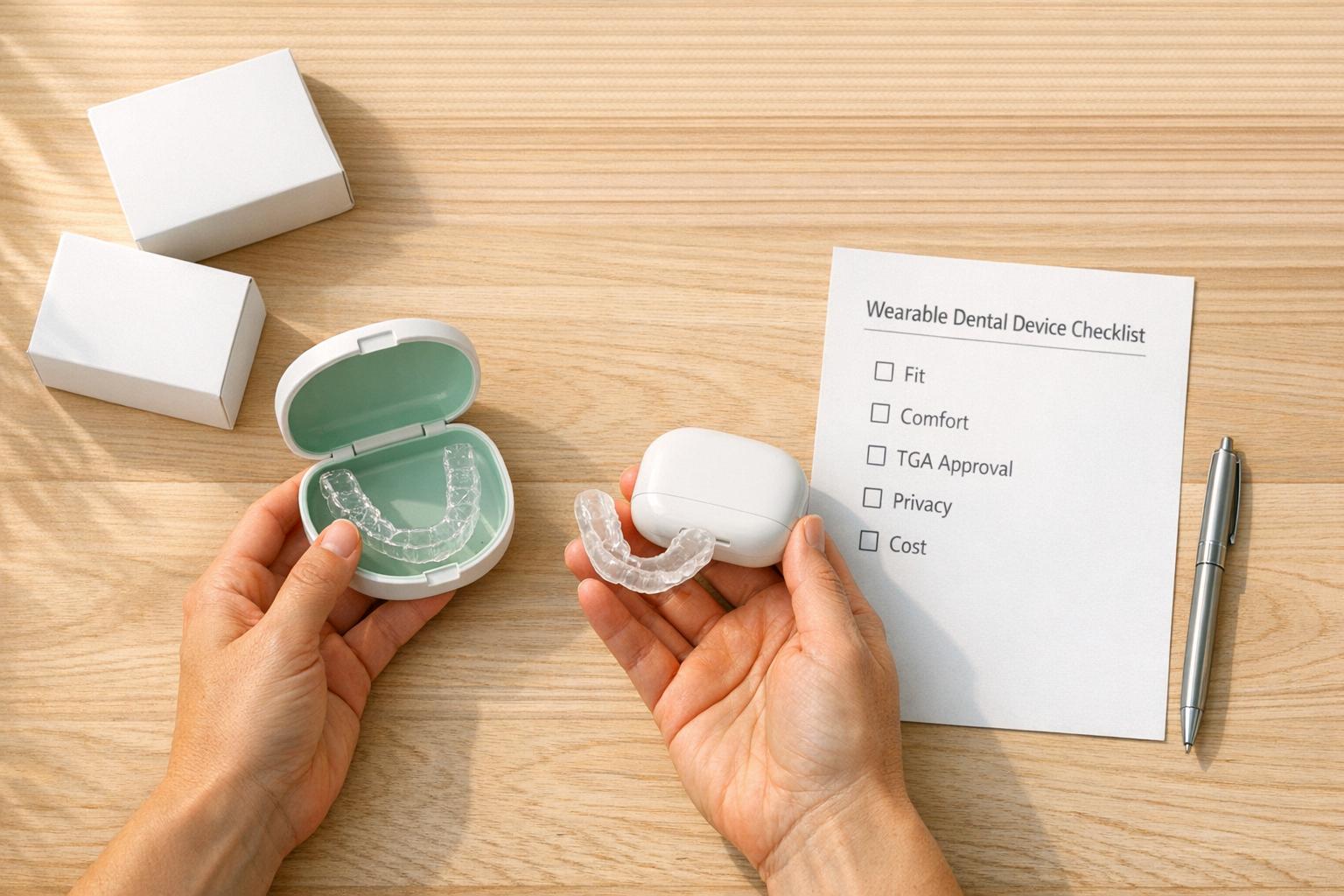
Checklist for Choosing Wearable Dental Devices
Checklist for Choosing Cloud AI Platforms in Dentistry
Complete Smiles Bella VistaAccepts All Major Health Funds, Including