





Top Innovations in Laser Gum Surgery
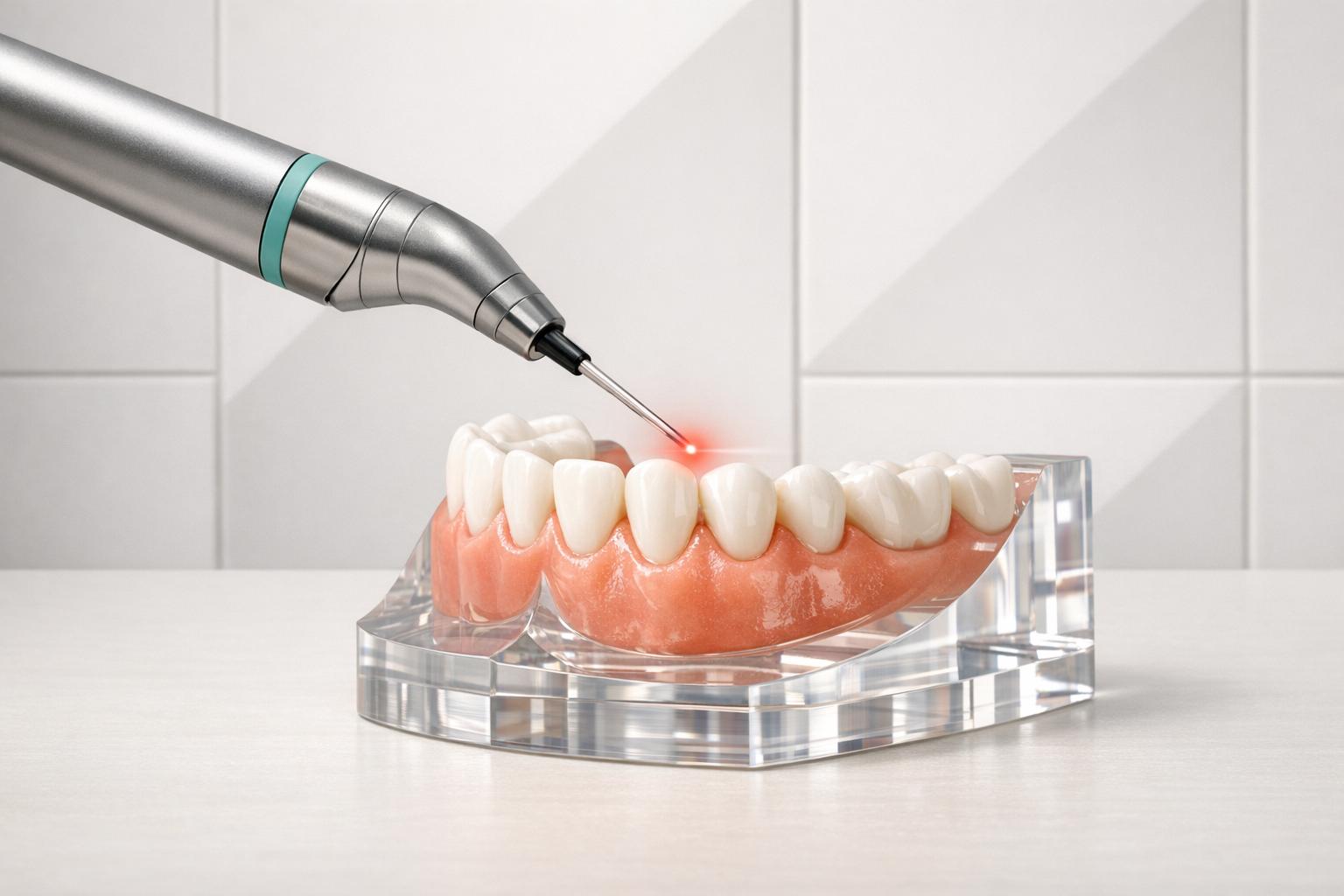
Laser gum surgery has transformed periodontal care by offering precise, less disruptive treatments compared to older methods. Modern lasers like Nd:YAG, diode, Er:YAG, and Er,Cr:YSGG target diseased tissue and bacteria while preserving healthy gums and bone. These technologies reduce bleeding, swelling, and recovery time while promoting gum and bone regeneration. Key advancements include:
- LANAP (Nd:YAG): Removes infected tissue, reduces pocket depth, and supports regeneration of gum and bone.
- Diode Lasers (EPIC): Precise bacterial removal with faster healing.
- Er:YAG Lasers: Effective for hard and soft tissue debridement with minimal heat damage.
- WaterLase (Er,Cr:YSGG): Combines water spray and laser for gentle, multi-functional treatments.
- Fotona LightWalker MAX: Dual-wavelength system for precise disinfection and tissue repair.
- Real-Time Feedback Systems: Ensure accurate laser application for better outcomes.
- Digital Imaging-Guided Protocols: Improve precision in targeting infected areas.
- Laser Therapy with Growth Factors: Enhances healing and tissue regeneration.
These innovations have improved outcomes for gum disease treatment, offering better comfort, faster recovery, and long-term health benefits. By integrating advanced tools and techniques, laser gum surgery continues to set new standards in dental care.
1. LANAP with PerioLase MVP-7
Wavelength/Mechanism
The PerioLase MVP-7 laser operates at a 1,064 nm wavelength using a variable-pulsed Nd:YAG laser. This wavelength is specifically absorbed by melanin and haemoglobin found in diseased tissues and pigmented bacteria, while it largely bypasses water and hydroxyapatite, which are prominent in healthy teeth and bone. Millennium Dental Technologies explains:
The 1064 wavelength passes through water and hydroxyapatite but is absorbed in melanin and haemoglobin. The wavelength targets the diseased tissue without harming healthy tissue [9].
This laser offers seven adjustable pulse durations, enabling precise interactions with tissues at varying depths. It can penetrate up to 4 mm beneath the tissue surface to vaporise bacteria, diseased tissue, and harmful proteins. Following this, the laser interacts with haemoglobin to create a stable fibrin clot, effectively sealing the area and often eliminating the need for sutures. This level of control is a key factor in LANAP’s impressive clinical outcomes.
Primary Benefits
LANAP stands out as the only FDA-cleared laser procedure with scientific histologic evidence of true regeneration. This means it supports the formation of new cementum, periodontal ligament, and alveolar bone [8][9]. Unlike traditional surgical methods, which often result in gum recession, LANAP preserves the natural gum line while encouraging the body’s own regenerative processes – without relying on bone grafts, synthetic membranes, or growth factors [7].
Patients are overwhelmingly in favour of this approach, with 91% choosing LANAP over conventional osseous surgery [9]. Additionally, the time commitment is significantly reduced, as the procedure typically requires just one or two sessions compared to the four or more appointments typically needed for traditional surgery [4].
Clinical Evidence
Research highlights LANAP’s effectiveness, with clinical studies showing a 50% reduction in pocket depth in over 90% of treated sites [9]. A human histology study published in the International Journal of Periodontics & Restorative Dentistry confirmed that all cases achieved new connective tissue attachment and cementum regeneration [10]. Raymond A. Yukna, DMD, MS, Director of Advanced Periodontal Therapies, remarked:
These results are very positive, very consistent and very encouraging… LANAP® is an exciting and revolutionary treatment protocol that shows microscopically that we can form new root coating and new connective tissue attachment [10].
Further supporting its efficacy, 651 positive patient outcomes have been documented in peer-reviewed journals and independent studies since 1998 [9].
sbb-itb-2be92ed
2. EPIC Diode Laser for Gum Disease Treatment
Wavelength and Mechanism
The EPIC series, which includes models like the Epic X, Epic Q, and Epic 10, operates at a 940 nm wavelength. This wavelength is better absorbed by haemoglobin and oxyhaemoglobin in diseased gum tissues and blood vessels compared to older 810 nm systems. This improved absorption allows for precise vaporisation or coagulation of infected tissues and helps reduce bacteria in periodontal pockets [11][13][14].
What sets the EPIC system apart is its ComfortPulse Technology, which delivers pulses as short as 10 microseconds. This design ensures peak thermal relaxation between pulses, reducing heat build-up in surrounding tissues [11][14]. These precise energy and pulse modulation features are key to the diode laser’s effectiveness.
Primary Benefits
The EPIC diode laser’s targeted energy delivery not only removes diseased tissue but also aids in faster healing. Its properties include being anti-inflammatory, antibacterial, analgesic, and haemostatic, while also promoting high-quality tissue repair. By sealing blood and lymphatic vessels, the laser achieves immediate haemostasis and reduces post-surgical swelling. Additionally, through photobiomodulation, it stimulates fibroblast proliferation and collagen synthesis – both essential for tissue regeneration [14][15].
A split-mouth trial conducted at Khartoum Teaching Dental Hospital in 2017–2018 on 17 periodontitis patients (using an 810 nm diode laser) highlighted its effectiveness. The study showed a significant reduction in A. actinomycetemcomitans concentrations – from 338,480 to 246,128 at one month (p = 0.001) – in laser-treated sites compared to areas treated solely with scaling and root planing [16].
Clinical Evidence
A 2026 clinical trial demonstrated that high-intensity diode laser therapy, when paired with scaling and root planing, led to significantly greater clinical attachment level improvements at both one month (p = 0.001) and three months (p < 0.001) compared to traditional scaling alone [5]. In another case from December 2024, a 32-year-old male with generalised periodontitis was treated at the Military Hospital of Sibiu using a Biolase Epic X (940 nm, 0.8–1 W) after scaling and root planing. At six months, the results were notable: bleeding on probing dropped from 20% to 5%, mean probing depth decreased from 2.3 mm to 2.1 mm, and clinical attachment level improved from –2.8 mm to –2.2 mm [12].
Much like LANAP’s regenerative effects, the EPIC system enhances periodontal healing through its advanced energy delivery. Dr Mark Cronshaw, a clinician based in the UK, highlighted the system’s broad applications:
"The EPIC 940nm Diode is anti-inflammatory, analgesic, anti-bacterial, haemostatic, and promotes good quality healing. It offers many clinical applications other than just surgery. Every dentist should have one, every day!" [14]
3. Fotona LightWalker MAX for Soft Tissue Precision
Wavelength and Mechanism
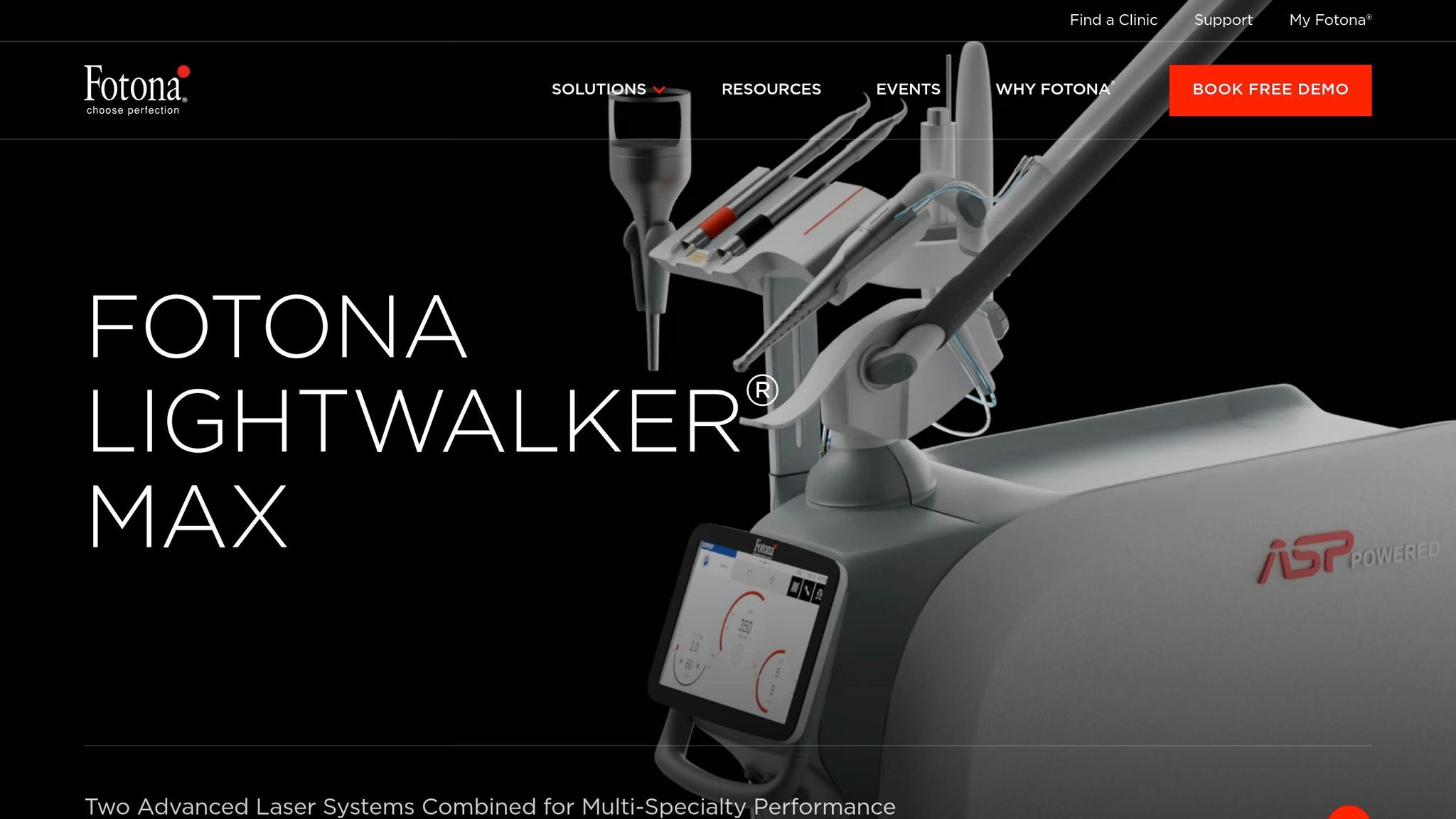
The Fotona LightWalker MAX combines two laser wavelengths in one system to tackle soft tissue treatments with precision. The Er:YAG wavelength (2940 nm) is ideal for precise, cold ablation of soft tissues, while the Nd:YAG wavelength (1064 nm) penetrates deeper, aiding in disinfection and coagulation [17][19]. Its TwinLight® protocol leverages the Nd:YAG wavelength to first remove diseased tissue and form a fibrin clot, followed by the Er:YAG wavelength for root surface debridement. This approach simplifies both disinfection and healing [19].
The system’s VSP and ASP technologies ensure consistent, adjustable laser pulses, which minimise heat buildup while enabling precise ablation and thermal regeneration [17]. The OPTOflex® articulated arm, a lightweight and vacuum-sealed delivery system, ensures the laser beam remains distortion-free, offering excellent manoeuvrability for delicate gum procedures [17]. Together, these features elevate periodontal therapy to a new level.
Primary Benefits
The dual-wavelength design of the LightWalker MAX is tailored for effective biofilm removal, deep disinfection, and fibrin clot formation. The Er:YAG wavelength is highly effective at removing microbial biofilm and calculus from root surfaces, while the Nd:YAG wavelength promotes deep disinfection and supports fibrin clot formation – both essential for periodontal regeneration [19]. Many clinicians note that procedures like frenectomies and soft tissue surgeries often require little to no anaesthetic [18]. Dr Yvonne King from Cosmetic & Laser Dentistry Centre highlights the laser’s healing mechanism:
"For periodontal treatment, the laser decontaminates and debrides the periodontal pocket. At the same time a clot is created that prevents bacteria from entering while healing takes place." [21]
The laser’s beam profile ensures even energy distribution, reducing the risk of tissue damage during procedures [17]. With over six decades of research and more than 60,000 users across 100 countries, Fotona’s technology is built for reliability. Its double-channel safety structure constantly regulates laser output using two separate energy metres, adding an extra layer of precision and safety [17].
Clinical Evidence
Clinical research supports the LightWalker MAX’s effectiveness in improving periodontal health outcomes. A 2025 literature review of 18 studies on laser periodontal surgery revealed that five studies showed significantly better pocket depth reduction in laser-treated groups compared to conventional methods. Additionally, six studies reported greater clinical attachment level gains in patients treated with lasers [22]. Observations of the TwinLight protocol further demonstrate notable pocket depth reduction at six months [17][19].
The Er:YAG laser in this system, capable of delivering up to 20 W of power, enhances the efficiency of calculus removal compared to many fibre-delivered lasers [23]. For post-surgical recovery, the system can be paired with ComfortLase™ photobiomodulation therapy, which helps speed up healing and reduces inflammation [20].
4. WaterLase Technology in Periodontal Therapy
Wavelength and Mechanism
WaterLase has introduced a new approach to periodontal therapy with its Er,Cr:YSGG laser wavelength, combined with a water spray. This method enables procedures to be performed without the heat, vibration, or pressure typically associated with traditional drills [26]. The REPAIR Perio protocol, designed specifically for moderate to severe periodontitis, operates through three key actions: removing diseased tissue, reshaping the bone, and cleaning the root surface [24].
The laser’s wavelength targets water and organic molecules within tissue, creating pressure that leads to explosive ablation and mechanical tissue breakdown [24]. Unlike conventional mechanical tools, this laser forms a sealing clot in the sulcus, which prevents the downward growth of epithelium. This not only improves wound healing but also promotes new attachment mediated by cementum [24]. As explained by Biolase:
WaterLase’s YSGG wavelength can degranulate the diseased tissue, decorticate the bone, and detoxify the root, while other wavelengths only degranulate. [24]
This ability to perform multiple functions simultaneously sets WaterLase apart from other laser systems, offering improved precision and healing outcomes.
Primary Benefits
The minimally invasive nature of WaterLase eliminates the need for scalpels and sutures, reducing tissue trauma. It also cauterises blood vessels during treatment, which helps control bleeding both during and after the procedure [25]. Patients often report less pain and faster recovery times compared to traditional open-flap surgeries [24]. WaterLase has been cleared by the FDA for over 80 dental procedures, showcasing its broad applicability in periodontal care [24]. Dr Donald S. Clem III highlighted its advantages:
At the 6 month time point, BIOLASE REPAIR protocol showed less bruising, swelling and post-operative bleeding in patients vs. MIST. [24]
Clinical Evidence
In 2020, the McGuire Institute conducted a multicentre, blinded, randomised controlled study involving 53 patients diagnosed with Stage III, Grade B periodontitis. This study, carried out by six periodontists across five sites, compared the WaterLase REPAIR Perio protocol to the Minimally Invasive Surgical Technique (MIST). Published in the Journal of Periodontology, the findings revealed that the laser protocol was just as effective as surgical flap procedures in reducing pocket depth and improving attachment levels. Additionally, patients reported significantly less swelling and bruising after the laser treatment [24]. Dr Stephen John shared his observations:
70-80% of my failing patients responded well to this therapy, where they had not responded well to other treatment options in the past. [24]
5. Nd:YAG Lasers for Bacterial Targeting
Wavelength and Mechanism
Nd:YAG lasers are not just about tissue regeneration – they also excel in targeting harmful bacteria. Operating at a wavelength of 1,064 nm, the Nd:YAG (neodymium-doped yttrium aluminium garnet) laser is particularly effective against pigmented pathogens like Porphyromonas gingivalis and Prevotella intermedia. This wavelength is absorbed up to 100 times more by these pathogens than by healthy tissue, making it a precise tool for bacterial elimination [2][28][29].
The laser’s high absorption in melanin and haemoglobin enables it to achieve precise photoablation of inflamed tissue while eradicating bacteria deep within soft tissues. It even penetrates challenging areas such as root surface irregularities and dentine tubules. Additionally, the heat generated by the laser forms a stable fibrin clot, which acts as a barrier against bacterial recontamination [2][28].
Primary Benefits
The bactericidal power of Nd:YAG lasers is backed by research. A pilot study using the Periolase MVP-7 Nd:YAG laser (set to 4.0 W average power and 1,333 W/pulse peak power) showed a 59.2% reduction in cultivable red/orange complex pathogens immediately after treatment [28]. Even more striking, 25% of patients were completely culture-negative for these pathogens before any mechanical debridement was performed.
What sets this laser apart is its ability to support periodontal regeneration. According to Lasers in Medical Science:
This procedure is the only laser treatment shown to contribute to periodontal regeneration by promoting the formation of new bone, cementum, and periodontal ligament [2].
Its deep tissue penetration is especially useful for treating periodontal pockets of 7 mm or more, where traditional general dental treatments often fall short. This combination of bactericidal action and regenerative potential makes it a standout option for periodontal therapy.
Clinical Evidence
Clinical trials reinforce these findings. A randomised, split-mouth study published in February 2024 by Danish Pathan and colleagues evaluated the Nd:YAG laser’s effectiveness. Twenty patients with persistent periodontal disease underwent either open flap debridement alone or debridement combined with Nd:YAG laser treatment. The laser group showed significantly better results, with a lower Colony Forming Unit count of obligate anaerobes at three months (p = 0.001). Additionally, the mean probing depth in the laser group dropped from 5.93 mm to 2.76 mm within three months, compared to 3.04 mm in the control group [27].
6. Er:YAG Lasers for Minimally Invasive Debridement
Wavelength and Mechanism
The Er:YAG laser operates at a wavelength of 2,940 nm, which is highly absorbed by water and hydroxyapatite – the main components of dental hard tissues and bacterial biofilms [32]. This wavelength allows for the rapid vaporisation of subgingival calculus. As explained in the BMC Oral Health journal:
The wavelength of the Er:YAG laser could absorb the maximum hydroxyapatite and water which explodes the calculus when it is used for periodontal treatment [32].
What sets this laser apart is its ability to ablate both hard and soft tissues safely. It effectively removes calculus and dentine, as well as soft tissue, without causing thermal damage [32]. This precise action contributes to better clinical outcomes, as highlighted in various studies.
Primary Benefits
Er:YAG lasers align with the growing demand for less invasive dental procedures. They excel at tackling both soft and hard tissue challenges, reaching areas that traditional scaling and root planing may struggle with, such as root furcations, concavities, and deep pockets [32]. Beyond accessibility, the laser also modifies the root surface, making it more compatible for periodontal ligament fibroblast attachment compared to conventional methods [31].
Research from Tokyo Medical and Dental University found that using the Er:YAG laser led to an average 3.0 mm reduction in pocket depth and a 2.3 mm gain in clinical attachment after 12 months in elderly patients [30]. Akira Aoki, the lead researcher, remarked:
Er:YAG laser-assisted therapy is useful for the treatment of residual pockets as a minimally invasive flapless surgery [30].
Clinical Evidence
Clinical trials underline the effectiveness of Er:YAG lasers in improving periodontal health. For example, a randomised trial conducted at the Medical University of Vienna compared Nd:YAG/Er:YAG laser therapy with a control group across 22 patients. The Er:YAG laser was applied for 60 seconds per site to modify root surfaces. After two months, the laser group showed a reduction in probing pocket depth of 2.05 mm, compared to just 0.64 mm in the control group (p = 0.001). Additionally, the clinical attachment level gain was 1.50 mm versus 0.55 mm in the control group [31].
In a larger study involving 106 patients, Er:YAG laser-assisted therapy achieved an effectiveness rate of 94.34%, outperforming the 79.25% effectiveness rate of routine therapy alone [33]. The laser treatment also reduced inflammatory markers in gingival crevicular fluid, such as TNF-α, IL-6, and IL-8, while significantly lowering bacterial colony-forming units [33].
7. Real-Time Feedback Systems
Mechanism and Integration
The latest leap in laser-assisted periodontal surgery is the adoption of real-time feedback technology. These systems enhance precision and allow for on-the-spot adjustments during procedures. By combining laser systems with digital imaging and scanning tools, clinicians can achieve greater accuracy, especially in delicate periodontal treatments [1]. A standout feature of these systems is fluorescence-based detection, which operates at a 655 nm visible wavelength. This technology enables the analysis and quantification of tissues by reflecting light back to a laser detector [36].
Tools like the PerioLase MVP-7 take this a step further by enabling practitioners to fine-tune laser pulses in real time. This means energy levels can be tailored to the specific infection levels and pocket depths encountered during the procedure [35]. Such adaptability ensures the laser interacts with tissues optimally, depending on the stage of periodontal disease. Moreover, erbium lasers provide acoustic feedback – a distinctive "popping sound" – to confirm the successful removal of hard tissues or calculus during photomechanical ablation [36].
Primary Benefits
Real-time feedback systems are pushing the boundaries of minimally invasive periodontal treatments, delivering enhanced precision and outcomes. These systems ensure high surgical accuracy, enabling practitioners to target affected areas with greater precision [37]. Additionally, the haemostatic properties of the technology maintain a clean surgical field, improving visibility and control during procedures [37]. As highlighted in the MDPI Journal of Clinical Medicine:
An important leap was the integration of laser technology with digital imaging and scanning technologies, which has revolutionised treatment accuracy, especially in intricate procedures like periodontal therapy and implantology [1].
This continuous monitoring also allows for the immediate detection of any discomfort or adverse reactions during the procedure [35]. Such precision is crucial, especially considering that severe periodontal disease affects around 7.4% of the global population and often requires advanced surgical techniques [36].
Clinical Evidence
The effectiveness of real-time feedback systems in laser-assisted procedures is backed by strong clinical evidence. For instance, the Laser Assisted New Attachment Procedure (LANAP), which leverages customisable pulse technology, has demonstrated a success rate of 87.9% or higher in clinical trials [34]. These systems also help achieve a 99.9% kill rate for harmful oral bacteria, with patients typically recovering in under 24 hours – far quicker than the 2–4 weeks needed for traditional surgeries [34][35]. This ability to adapt treatment parameters in real time has been pivotal in improving both short- and long-term outcomes for patients.
8. Digital Imaging-Guided Laser Protocols
Wavelength/Mechanism
Digital imaging has transformed how precision is achieved in laser-guided periodontal treatments. By combining advanced diagnostic tools like periapical radiographs and 3D Cone Beam CT scans, clinicians can assess bone loss and infection severity with pinpoint accuracy before starting laser procedures [2][3]. These tools allow software to calculate exact measurements, ensuring laser fibre insertion is guided to within 1 mm of the pocket depth for optimal results [2].
In a 2017–2018 study conducted at Izmir Katip Celebi University, digital imaging was used to guide LANAP (Laser-Assisted New Attachment Procedure) for 68 patients with periodontitis. The findings showed significantly better bone regeneration in deep pockets (≥ 7 mm) compared to traditional scaling and root planing methods [2]. This level of precision sets a strong foundation for improving treatment outcomes.
Primary Benefits
Digital imaging doesn’t just enhance precision – it also reduces radiation exposure, making it a safer option for patients. For instance, digital X-rays used in these guided protocols emit up to 90% less radiation compared to traditional film X-rays [38]. Additionally, this technology allows for image magnification, contrast adjustments, and annotations, which are invaluable for detecting cavities, fractures, and bone loss caused by gum disease at an earlier stage [38].
In complex cases, such as those involving severe bone loss or dental implants, 3D Cone Beam imaging provides a highly detailed three-dimensional view of bone structures. This enables more accurate laser application, especially for conditions like peri-implantitis. With approximately one-third of dental implant patients potentially affected by peri-implantitis, digital imaging plays a crucial role in assessing the extent of infection before laser treatment [3].
Clinical Evidence
Clinical research supports the effectiveness of digital imaging-guided protocols in improving precision and tracking treatment outcomes. For example, a 2025 clinical study demonstrated that a sample size of just 20 individuals could achieve 98% statistical power when measuring a 0.53 mm change in clinical attachment level using imaging [2]. High-intensity diode laser therapy, when added to non-surgical treatments, has shown significant improvements in clinical attachment levels (p < 0.001) and inflammation control [5].
In cases of peri-implantitis, laser treatments guided by digital imaging achieved a 57.9% complete disease resolution rate within 12 months [39]. Furthermore, the ability to compare pre- and post-surgical radiographs provides clinicians with clear, measurable metrics to monitor bone regeneration and assess treatment success over time [2][3].
9. Laser Therapy Combined with Growth Factors
Wavelength/Mechanism
Laser therapy within the 600 nm to 1,150 nm wavelength range activates mitochondria, increasing ATP production and stimulating the release of growth factors like TGF-β1. Nd:YAG lasers (1,064 nm) further enhance microcirculation by triggering nitric oxide release [41][42]. The energy from the laser is absorbed by mitochondrial chromophores, particularly cytochrome-C oxidase, converting it into metabolic energy [41][42].
This process of bioactivation lays the groundwork for the regenerative effects seen when laser therapy is combined with growth factors. Integrating these energy-based and biological treatments reflects advancements in periodontal therapies aimed at improving clinical outcomes.
Primary Benefits
The combination of laser therapy with growth factors accelerates periodontal regeneration. When autologous platelet concentrates such as PRP, PRF, or CGF are paired with laser treatment, patients experience a 30–55% reduction in postoperative pain during the first week. Additionally, this approach promotes the formation of new bone, cementum, and periodontal ligaments [40][2].
"The evidence analysed confirms that the use of photobiomodulation and PRP/PRF (alone or in combination) can stimulate tissue regeneration, allowing for a reduction in postoperative inflammation, wound healing, and new tissue formation." – MDPI Photonics Systematic Review [41]
This treatment also supports angiogenesis by increasing VEGF expression, which aids in the formation of new blood vessels. Furthermore, it reduces inflammation by modulating cytokines such as IL-1β, TNF-α, and IL-6 [41].
Clinical Evidence
Clinical studies highlight notable improvements when laser therapy is combined with growth factors. In periodontal pockets deeper than 7 mm, this combined approach results in significantly greater reductions in pocket depth and gains in clinical attachment levels compared to traditional scaling and root planing alone [2]. Wavelengths between 660 nm and 810 nm, with fluences of 3 to 12 J/cm², are particularly effective for promoting early epithelialisation and soft tissue healing [40].
Research in orthodontic contexts has shown that low-level laser therapy can increase tooth movement speed by 40%, along with higher TGF-β1 levels in crevicular fluid [41]. For optimal results, treatments should be timed within a 14- to 21-day window, when growth factors like Liquid Platelet-Rich Fibrin are most effectively absorbed by tissues [41].
10. Complete Smiles Bella Vista‘s Advanced Laser Gum Surgery
Wavelength/Mechanism
Complete Smiles Bella Vista takes periodontal care to the next level with its advanced use of LANAP technology. At the heart of this approach is the PerioLase MVP-7, a dental laser operating at a precise wavelength of 1,064 nm (Nd:YAG). This wavelength is specifically chosen for its high absorption in haemoglobin and melanin, enabling the laser to effectively target harmful bacteria and diseased tissue while leaving healthy gum and bone untouched. The ultra-thin laser fibre is carefully inserted between the tooth and gum without requiring surgical cuts or stitches. Additionally, the laser’s settings can be adjusted to form a firm fibrin blood clot, which seals the periodontal pocket naturally and promotes proper haemostasis [43]. These technical features are what make many patients consider whether laser gum surgery is worth the cost for their long-term health.
Primary Benefits
The LANAP protocol offers a precise way to remove infected tissue while preserving the natural gum structure. Unlike traditional gum surgery, which can cause gum recession of 2–4 mm – and in severe cases, up to 10–15 mm – this laser treatment maintains the integrity of the gums. Recovery time is also much quicker, with many patients returning to normal activities within a day, compared to the 1–2 weeks typically required after conventional surgery. What’s more, LANAP supports genuine periodontal regeneration by encouraging the natural regrowth of bone and gum tissue, rather than just forming scar tissue [43].
"After LANAP, your bones and gums can actually begin to regrow, replacing bone and gum tissue lost to periodontitis." – Sydney Laser Gum Centre [43]
Clinical Evidence
Research backs up the benefits of LANAP. Randomised controlled trials have shown that patients treated with lasers experience greater reductions in pocket depth and improved clinical attachment levels in deep periodontal pockets (≥ 7 mm) compared to those undergoing traditional scaling and root planing. Radiographic evidence has also revealed bone regeneration as early as one month after treatment. The Nd:YAG laser’s strong bactericidal properties help eliminate invasive pathogens that mechanical tools often miss. This is especially important given that periodontal disease affects around 10–15% of the global population [2].
LANAP Protocol – laser gum disease treatment
Comparison Table
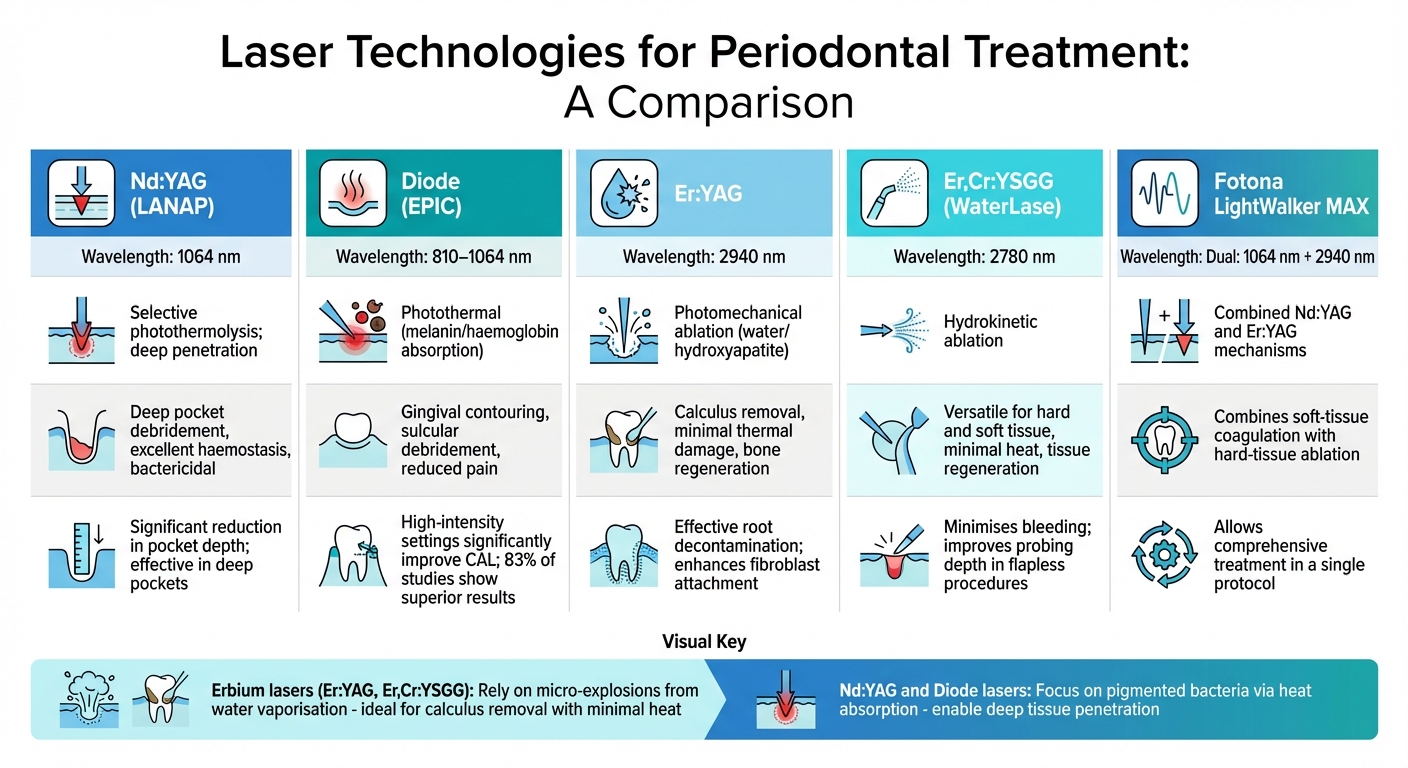
Comparison of Laser Technologies for Gum Surgery: Wavelengths, Mechanisms, and Clinical Outcomes
Laser technologies operate differently, each offering specific strengths tailored to various clinical needs. Understanding these differences helps determine the best system for treating periodontal conditions.
Below is a summary of the key characteristics of each laser system, including their wavelengths, mechanisms, benefits, and clinical outcomes:
| Laser Technology | Wavelength | Primary Mechanism | Main Benefits | Clinical Findings |
|---|---|---|---|---|
| Nd:YAG (LANAP) | 1064 nm | Selective photothermolysis; deep penetration | Deep pocket debridement; excellent haemostasis; bactericidal | Significant reduction in pocket depth; effective in deep pockets [1] |
| Diode (EPIC) | 810–1064 nm | Photothermal (melanin/haemoglobin absorption) | Gingival contouring; sulcular debridement; reduced pain | High-intensity settings significantly improve CAL; 83% of studies show superior results [5][36] |
| Er:YAG | 2940 nm | Photomechanical ablation (water/hydroxyapatite) | Calculus removal; minimal thermal damage; bone regeneration | Effective root decontamination; enhances fibroblast attachment [1][44] |
| Er,Cr:YSGG (WaterLase) | 2780 nm | Hydrokinetic ablation | Versatile for hard and soft tissue; minimal heat; tissue regeneration | Minimises bleeding; improves probing depth in flapless procedures [1][37] |
| Fotona LightWalker MAX | Dual: 1064 nm + 2940 nm | Combined Nd:YAG and Er:YAG mechanisms | Combines soft-tissue coagulation with hard-tissue ablation | Allows comprehensive treatment in a single protocol [1] |
Erbium lasers, such as the Er:YAG and Er,Cr:YSGG, rely on micro-explosions caused by water molecule vaporisation, making them ideal for calculus removal with minimal heat damage. On the other hand, Nd:YAG and diode lasers focus on pigmented bacteria and diseased tissue by absorbing heat, which enables deep tissue penetration and effective bacterial targeting [1][44]. These differences highlight the unique strengths of each laser technology, offering tailored solutions for specific periodontal challenges.
Conclusion
Advanced laser techniques are changing the game in periodontal care, offering better results compared to older methods. High-intensity diode lasers, when used alongside scaling and root planing, have shown statistically significant improvements in clinical attachment levels – p = 0.001 at one month and p < 0.001 at three months – according to studies [5]. Treatments like LANAP (Laser-Assisted New Attachment Procedure) go a step further by promoting the regeneration of bone, cementum, and periodontal ligaments, which traditional surgeries often struggle to achieve [2]. Lasers are especially effective in treating deep periodontal pockets (≥ 7 mm) [2].
One of the standout features of modern laser protocols is their minimally invasive nature. Patients experience less bleeding, reduced pain after the procedure, and faster recovery times. Caroline Bishop, Co-founder of Dental News Australia, supports this, stating:
Laser therapy can be as effective as traditional methods in treating periodontitis, with the added benefits of less bleeding and reduced postoperative pain [6].
Traditional methods like scaling and root planing can sometimes fall short, particularly due to bacterial recolonisation [5]. This makes advanced laser treatments a compelling choice for long-term periodontal health.
For those seeking cutting-edge periodontal care, choosing a clinic equipped with modern laser technology – such as Complete Smiles Bella Vista, led by Dr. James Hanna – ensures access to personalised and advanced treatment options. Clinics that prioritise advanced technology not only offer better care but also demonstrate their commitment to staying at the forefront of dental innovation.
Additionally, combining laser treatments with other advanced technologies – like digital imaging, perioscopy, and regenerative therapies using growth factors – further enhances periodontal care. This integrated approach focuses on precision and regeneration, targeting infected areas while preserving healthy tissue. The result? Improved long-term stability and a lower risk of gingival recession [2]. By embracing these advancements, Australian dental practices are setting a new standard for personalised, effective periodontal treatment.
FAQs
Which laser type is best for my gum disease?
The Nd:YAG laser, operating at a wavelength of 1,064 nm, is a powerful tool in treating gum disease. Its ability to deeply penetrate soft tissue, combined with its strong absorption by hemoglobin and melanin, ensures precise targeting of affected areas. Additionally, it offers excellent hemostasis, making it a popular choice for laser-assisted periodontal therapy.
Is laser gum surgery painful, and will I need anaesthetic?
Laser gum surgery tends to be less painful compared to traditional techniques. With the use of a local anaesthetic, the procedure is designed to keep patients comfortable, offering a more approachable and gentle alternative.
Am I suitable for laser treatment if my gum pockets are 7 mm or deeper?
If your gum pockets measure 7 mm or deeper, you might still qualify for laser gum treatment. Whether it’s the right option for you depends on a thorough evaluation of your condition. Laser treatments tend to work best for mild to moderate cases, so a dental professional will assess your situation to determine the most appropriate course of action.
Related Blog Posts
- Advances in Gum Grafting Materials and Techniques
- Soft Tissue Grafting: New Techniques Explained
- Indications for Laser-Assisted Gum Surgery
- Advances in Periodontal Antimicrobial Therapy
Important Notice: Any surgical or invasive procedure carries risks. Before proceeding, you should seek a second opinion from an appropriately qualified health practitioner.
Individual results may vary. The information provided in this article is for educational purposes only and does not constitute medical advice.
Checkout Related Blogs




Get in touch with us
For more information, call us now to start feeling better. Or fill the form below to make appointment
The Latest News from Complete Smiles
How to Clean Clear Plastic Retainers
Checklist for Choosing Wearable Dental Devices
Checklist for Choosing Cloud AI Platforms in Dentistry

Complete Smiles Bella VistaAccepts All Major Health Funds, Including





