





Titanium vs Zirconia: Wear Resistance Comparison
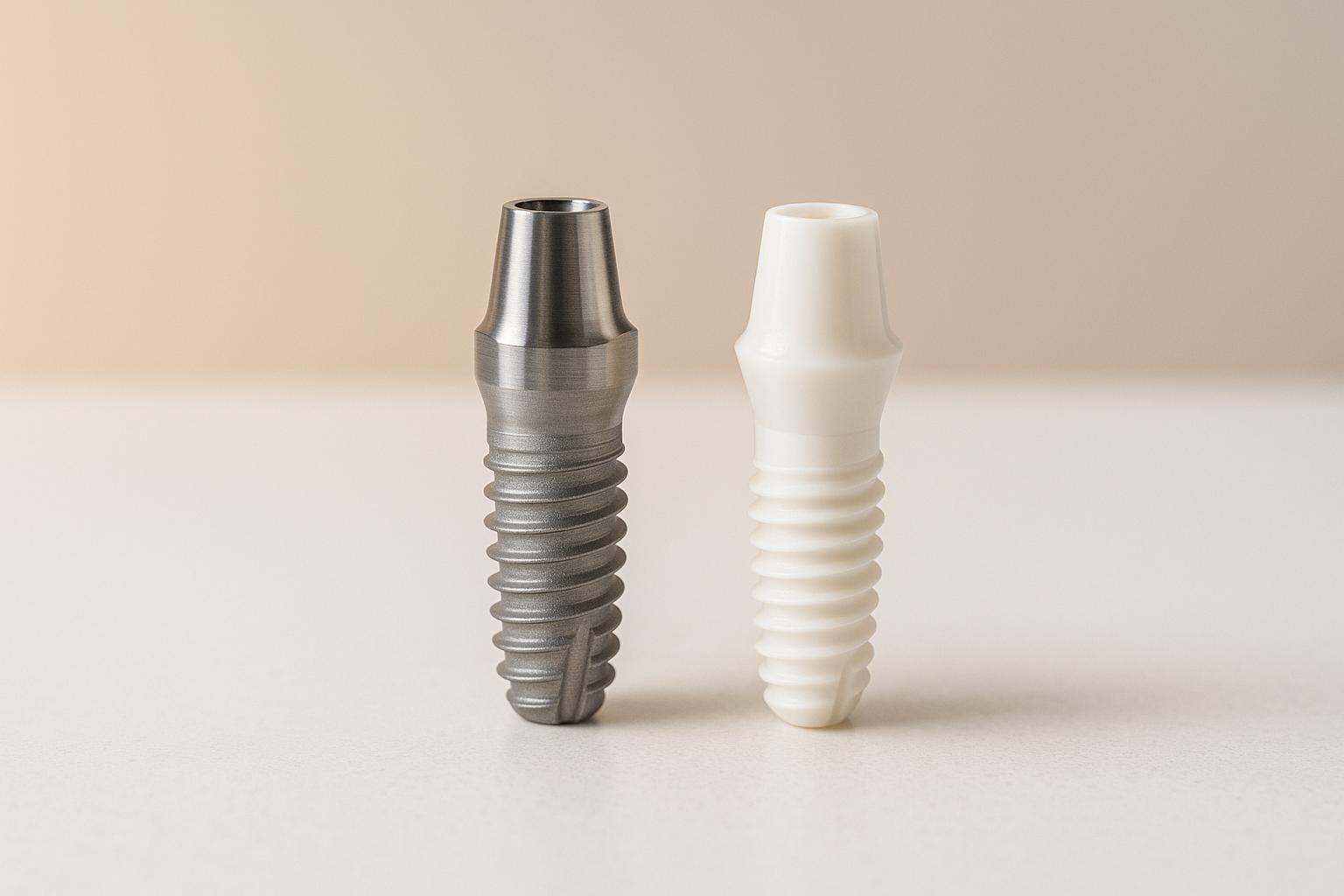
When choosing between titanium and zirconia for dental implants, it comes down to durability, aesthetics, and personal needs. Titanium is a proven material with over 40 years of clinical success. It’s strong, flexible, and handles heavy chewing forces well. Zirconia, a newer ceramic option, is metal-free and offers a natural tooth-like appearance, making it ideal for visible areas. However, zirconia is more brittle and less suited for high-stress situations.
Here’s what you need to know:
- Titanium: Durable, flexible, and corrosion-resistant. It’s great for heavy bite forces and bruxism but may show through thin gums.
- Zirconia: Tooth-coloured, hypoallergenic, and resists plaque. Best for aesthetics and metal sensitivities but has a higher fracture risk.
Quick Comparison
| Attribute | Titanium | Zirconia |
|---|---|---|
| Wear Resistance | High; minimal wear over time | High; harder but brittle |
| Fracture Resistance | Excellent; handles stress well | Lower; prone to fractures |
| Aesthetics | Metallic grey; may show | Tooth-coloured; blends better |
| Biocompatibility | Rare allergies possible | Hypoallergenic, fully inert |
| Longevity | Decades of clinical success | Limited long-term data |
| Cost (AUD) | $3,000–$6,500 | $4,000–$7,500 |
Your choice depends on your priorities: durability for strong bite forces (titanium) or aesthetics and metal-free composition (zirconia). Consult a dental professional to determine the best fit for your needs.
Titanium Implants: Performance and Limitations
Titanium Mechanical Properties
Titanium’s mechanical properties make it a standout choice for handling the demands of oral forces. Its high ductility allows it to bend slightly under stress without breaking, which is crucial for enduring the repetitive forces of chewing[2][7].
Another key strength is its fatigue resistance, which enables titanium to withstand millions of chewing cycles without succumbing to stress fractures. This is particularly beneficial for Australian patients with high occlusal loads or habits like bruxism. Unlike more brittle materials that might crack under repeated pressure, titanium’s ability to flex and return to its original shape ensures long-term implant stability[2][7].
Titanium also boasts superior tensile strength, allowing it to handle heavy bite forces without permanent deformation. This makes it an excellent option for patients with parafunctional habits such as grinding or clenching. Research using scanning electron microscopy and 3D profilometry has shown that titanium abutments experience minimal wear even after simulated years of chewing. For instance, studies reveal a wear rate of 16.06% for titanium abutments compared to 33.96% for PEEK abutments under identical conditions[1][6].
These mechanical properties are the foundation of titanium’s exceptional clinical reliability.
Titanium Clinical Results and Longevity
Titanium implants are known for their impressive long-term success rates, with survival rates ranging from 95% to 98% over 10–20 years. They are reliable enough to support even complex restorations, such as full-arch cases[7]. This level of performance is backed by decades of clinical data, covering a wide range of patient profiles and treatment needs.
For patients with bruxism, titanium’s mechanical durability is particularly valuable. Its ability to withstand grinding and clenching forces helps protect both the implant and the surrounding bone structure. Additionally, the extensive clinical research provides dental professionals with the data needed to plan treatments with confidence and predictability.
Despite these strengths, titanium does have some limitations that need to be addressed.
Titanium Drawbacks and Concerns
While titanium offers numerous advantages, it is not without its challenges. A small percentage of patients – less than 1% – may experience allergic reactions to the material. Additionally, complications like peri-implantitis, a condition involving inflammation around the implant, can impact outcomes if not addressed promptly. This condition can escalate, making it harder to manage over time and increasing the risk of implant failure[7][2].
Aesthetic issues are another consideration. Titanium’s greyish metallic colour can sometimes show through thin gum tissue, which may be more noticeable in the front teeth region. For patients with thin gums or gum recession, this can lead to a less natural-looking appearance over time[7][2].
Corrosion, though minimal, is another potential drawback. Over long periods, titanium can corrode slightly when exposed to acidic environments or fluoride-rich dental products, which are common in many Australian households. While this rarely impacts the implant’s functionality, it can create aesthetic concerns and may influence the surrounding tissue’s response[2].
For patients prioritising aesthetics – especially in the anterior region – these concerns might outweigh titanium’s mechanical benefits. In such cases, alternative materials may be worth considering, even though titanium remains a top-performing option for most clinical scenarios.
Zirconia Implants: Performance and Limitations
Zirconia Mechanical and Aesthetic Properties
Zirconia is a ceramic material prized for its impressive hardness and wear resistance. Its durability far surpasses titanium, making it highly resistant to wear and surface abrasion – an essential quality for withstanding the daily stress of chewing. This means zirconia implants can retain their surface integrity even after years of use in the oral environment[6][2].
However, this exceptional hardness comes with a trade-off: brittleness. Unlike titanium, which can flex under pressure, zirconia lacks elasticity and may fracture under high chewing forces[6][2].
Aesthetically, zirconia offers a clear advantage. Its tooth-coloured appearance makes it an excellent choice for patients looking for natural-looking dental restorations. Unlike titanium’s metallic grey hue, zirconia blends seamlessly with natural teeth and doesn’t show through thin gum tissue. This makes it particularly valuable for front-tooth restorations, where concerns about dark lines at the gumline – especially in cases of gum recession – can be a significant issue[2][7].
Another notable benefit of zirconia is its hypoallergenic nature. Because it is completely inert and doesn’t release ions, the risk of allergic reactions or inflammation is minimised. This makes zirconia an excellent option for individuals with sensitivities to metals[2][5].
Zirconia Clinical Results and Best Uses
Zirconia implants demonstrate survival rates of 90–95% over 5–10 years, making them a reliable option for patients prioritising aesthetics and those with metal sensitivities[2][8].
For individuals with allergies to metals, zirconia’s biocompatibility is a game-changer. With no metallic components, it eliminates the risk of allergic reactions that can sometimes occur with titanium implants. Additionally, zirconia’s resistance to plaque build-up is beneficial for patients with a history of gum disease or those focused on maintaining healthy soft tissue around their implants[2][3].
While these advantages are compelling, zirconia does come with some limitations that must be carefully weighed.
Zirconia Drawbacks and Limitations
The main challenge with zirconia implants is their brittleness, which increases the risk of fractures. Unlike titanium, which can flex and absorb stress, zirconia is more likely to crack under extreme forces. This makes it less suitable for patients with heavy bite forces, bruxism, or other habits that put excessive strain on teeth[2][3].
One-piece zirconia abutments are particularly prone to fractures compared to two-piece designs. While two-piece zirconia systems offer improved strength, they still don’t match titanium in terms of reliability. As a result, zirconia may not be the best choice for patients with high occlusal loads[4].
Another drawback is the limited long-term clinical data available for zirconia implants. Titanium implants have decades of research supporting their effectiveness, but zirconia’s shorter clinical history means its long-term predictability is less established. This can be a concern for both clinicians and patients seeking assurance about durability over many years[2][8].
Additionally, studies have shown minor wear at titanium connections when paired with zirconia abutments over a five-year period, which could impact the overall performance of the restoration[6].
Two-piece zirconia abutments also present practical challenges. Achieving a precise fit and maintaining stability can be difficult due to the material’s brittleness, which complicates manufacturing. This is particularly concerning in high-stress areas, where durability is critical for long-term success[4][2].
For Australian patients, a thorough assessment of individual factors – such as bite force, oral habits, and the location of the implant – is essential. While zirconia offers excellent aesthetic and biocompatible benefits, its fracture risk means careful planning is needed to achieve the best results.
Titanium vs Zirconia: Direct Comparison
Main Differences and Similarities
Research indicates that titanium abutments have slightly better wear resistance compared to zirconia, though the difference isn’t substantial enough to be statistically significant[1]. Simulated studies replicating five years of clinical use have also found no notable variations in surface degradation between the two materials[6].
However, the hardness difference between titanium and zirconia leads to distinct wear patterns. Zirconia, being harder, can scratch titanium surfaces during minor movements. When zirconia abutments are attached to titanium implants, mild wear is observed at the implant’s external hex corners, with zirconia particles transferring to the titanium surface. In contrast, titanium-to-titanium connections experience minimal wear due to their similar hardness properties[1][6].
Titanium excels in fracture resistance, outperforming one-piece zirconia designs. While two-piece zirconia options come closer in performance, they still fall short under extreme stress conditions[4].
Both materials are highly biocompatible, but zirconia stands out as being entirely inert[2][5].
Titanium vs Zirconia Comparison Table
| Attribute | Titanium | Zirconia |
|---|---|---|
| Wear Resistance | High; performs well in clinical studies[6] | High; harder but more brittle[6][2] |
| Fracture Resistance | Excellent; withstands high stress[2][4] | Lower, especially in one-piece designs[2][4] |
| Aesthetics | Metallic grey; may be visible through gums[2][7] | Tooth-coloured; offers a more natural look[2][7] |
| Biocompatibility | Excellent, with rare allergic reactions[2] | Hypoallergenic and fully inert[2][5] |
| Ion Release | Minimal oxidation possible[2][5] | None; completely inert[2][5] |
| Plaque Accumulation | Standard accumulation[2] | Reduced plaque build-up[2] |
| Long-term Data | Proven success over decades[2][7] | Limited long-term studies available[2] |
| Cost Range (AUD) | $3,000–$6,500 per implant[7] | $4,000–$7,500 per implant[7] |
These attributes directly influence the outcomes of dental treatments.
How Material Choice Affects Treatment Results
The choice of implant material has a significant impact on treatment success. Titanium’s superior fracture resistance makes it ideal for posterior teeth and patients with strong bite forces. On the other hand, zirconia’s natural tooth-like appearance is better suited for anterior restorations and individuals with metal sensitivities[2][3].
For patients with metal allergies, zirconia is a clear winner due to its hypoallergenic nature, as titanium can occasionally trigger mild inflammatory reactions. Additionally, zirconia’s ability to reduce plaque accumulation may promote better gum health, particularly in individuals with periodontal issues[2][5].
Surgical handling and clinical precision also play a vital role. Zirconia’s brittleness requires careful handling during procedures to avoid fractures, while titanium’s durability allows for more flexibility during surgical adjustments. Proper component fit is essential to minimise wear, as poorly fitted zirconia components can create greater stress concentrations compared to titanium connections[6].
For Australian patients, consulting with local experts such as Complete Smiles Bella Vista can help determine the most suitable implant material. The ideal choice depends on balancing mechanical durability, aesthetic preferences, and individual clinical needs to ensure the best possible long-term results.
sbb-itb-2be92ed
Choosing the Right Implant Material
Key Points Summary
When it comes to dental implants, both titanium and zirconia have their strengths. Titanium is slightly more wear-resistant, though the difference compared to zirconia isn’t statistically significant[1]. Titanium stands out for its mechanical durability, offering exceptional fracture resistance. This makes it a great choice for patients with strong bite forces, bruxism, or complex dental needs. On the other hand, zirconia shines in the aesthetics department with its tooth-like white colour, making it ideal for visible areas like the front teeth[2][4].
Titanium has decades of clinical success backed by extensive long-term studies, while zirconia offers benefits like being hypoallergenic and inert, which can help avoid metal allergy reactions. Additionally, zirconia tends to accumulate less dental plaque compared to titanium[2][7]. These differences mean the right choice depends on the unique needs of each patient.
Factors for Australian Dental Patients
The material you choose can directly impact both the clinical outcome and your satisfaction with your implants. In Australia, titanium implants typically cost between $3,000 and $6,500, while zirconia implants range from $4,000 to $7,500. These price differences reflect variations in manufacturing processes and the aesthetic advantages of zirconia[7].
For patients focused on appearance, zirconia is often the preferred option for visible restorations. This is especially true for those with thin gingival tissue, where titanium implants might cause grey lines to show through the gums[7].
Health considerations also play a significant role. Patients with known metal allergies, sensitivities, or autoimmune conditions may benefit from zirconia to avoid potential inflammatory issues[2][7]. On the flip side, titanium is better suited for individuals with teeth grinding habits or high bite forces due to its superior strength and durability[4].
Lifestyle preferences matter too. Zirconia requires less maintenance because it accumulates less plaque, making it a good option for those prioritising convenience. However, titanium’s proven reliability makes it the go-to choice for patients needing complex reconstructions or dealing with high occlusal (biting) pressures.
Getting Professional Advice
Selecting the right implant material isn’t a decision to make lightly. Seeking advice from dental professionals, like the team at Complete Smiles Bella Vista, can make all the difference. Dr. James Hanna and his team consider factors like bite force, gum thickness, aesthetic goals, and any metal sensitivities to recommend the best solution for each patient.
Their personalised evaluations take into account both immediate needs and long-term maintenance, ensuring the material aligns perfectly with your situation. They assess key factors such as occlusal forces, gum health, and your medical history to create a treatment plan tailored to you.
Ultimately, the decision between titanium and zirconia isn’t about which material is "better" overall – it’s about what works best for you. Professional guidance ensures you make an informed choice, leading to the best possible results for your dental health and satisfaction.
Titanium vs Ceramic (Zirconia): Choosing The Right Dental Implants For You
FAQs
What should I consider when deciding between titanium and zirconia dental implants?
When deciding between titanium and zirconia dental implants, it’s important to weigh factors like durability, wear resistance, and their performance in various conditions. Titanium stands out for its strength, long-lasting reliability, and compatibility with the body, which is why it’s a go-to material for dental implants. Zirconia, however, is prized for its strong wear resistance and its metal-free composition, making it a great option for those with metal sensitivities or anyone looking for a more natural, tooth-coloured appearance.
Ultimately, your dentist will take into account personal factors such as your oral health, the density of your jawbone, and your preferences when recommending the right material. For a decision tailored to your needs, it’s best to consult a dental professional who can evaluate your situation and help you choose the ideal option for maintaining your oral health in the long term.
What are the differences in durability and maintenance between titanium and zirconia dental implants?
Titanium and zirconia dental implants each bring their own strengths to the table when it comes to durability and upkeep. Titanium implants stand out for their strength and flexibility, which help them resist fractures under pressure. They’ve been used in dental procedures for years, proving their reliability and ability to bond effectively with bone. That said, titanium implants can show signs of wear over time, especially when exposed to abrasive forces.
On the other hand, zirconia implants are highly resistant to wear and corrosion. They’re often chosen for their natural tooth-like colour, which makes them a popular option for patients prioritising aesthetics. While less flexible than titanium, zirconia is incredibly durable and works well for those looking for a non-metal alternative.
Whichever material you choose, regular dental visits and good oral hygiene are essential to keeping your implants in top condition. Talk to your dentist to find out which option aligns best with your needs and lifestyle.
Which dental conditions or patient needs make titanium or zirconia implants more suitable?
When deciding between titanium and zirconia dental implants, the best choice often comes down to your specific dental needs and overall health.
Titanium implants are known for their strength and adaptability, making them a reliable option for most patients. They’re particularly suited for cases involving complex restorations or when jawbone density is limited. With decades of proven success in implant dentistry, titanium remains a trusted material.
Meanwhile, zirconia implants offer a metal-free alternative, ideal for those with sensitivities to metal. Their tooth-like colour and natural appearance make them especially appealing for front teeth or other highly visible areas. For patients prioritising aesthetics or avoiding metal, zirconia is a standout choice.
Your dentist will consider factors like your oral health, cosmetic goals, and any allergies to help determine the material that’s right for you.
Related Blog Posts
- Titanium vs. Biodegradable Implants: Comparison
- Zirconia vs. Ceramic: Biocompatible Dental Materials
- Emerging Titanium Alloys for Dental Implants
- Solving Implant Challenges with Hybrid Materials
Important Notice: Any surgical or invasive procedure carries risks. Before proceeding, you should seek a second opinion from an appropriately qualified health practitioner.
Individual results may vary. The information provided in this article is for educational purposes only and does not constitute medical advice.
Checkout Related Blogs




Get in touch with us
For more information, call us now to start feeling better. Or fill the form below to make appointment
The Latest News from Complete Smiles
How to Clean Clear Plastic Retainers
Checklist for Choosing Wearable Dental Devices
Checklist for Choosing Cloud AI Platforms in Dentistry

Complete Smiles Bella VistaAccepts All Major Health Funds, Including





