




Zirconia vs. Ceramic: Biocompatible Dental Materials

Looking for the best dental material for your needs? Zirconia and ceramics are two widely used options in Australia for crowns, veneers, and implants. Both are metal-free, safe, and highly effective, but they serve different purposes depending on your priorities.
- Zirconia is incredibly strong (900–1,200 MPa), making it ideal for back teeth or high-stress areas. It’s durable, resistant to fractures, and suits patients with bruxism. While not as translucent as ceramics, newer multilayer zirconia offers improved aesthetics.
- Ceramics, such as lithium disilicate, excel in aesthetics, especially for front teeth. Their translucency closely mimics natural enamel, but they’re less durable (360–550 MPa) and better suited for low-stress areas.
Quick Comparison
| Feature | Zirconia | Ceramic |
|---|---|---|
| Strength | High (900–1,200 MPa) | Moderate (360–550 MPa) |
| Aesthetics | Moderate translucency | Superior translucency |
| Uses | Crowns, bridges, implants | Veneers, anterior crowns |
| Cost (AUD) | $1,500–$2,500 per crown | $1,200–$2,000 per crown |
| Durability | 10+ years | Requires careful maintenance |
The choice depends on your needs: zirconia for strength and longevity, or ceramic for a natural, lifelike smile. Always consult a dentist to determine the best option for your oral health and aesthetic goals.
Zirconia: Properties and Uses
Material Structure and Strength
Zirconia, made from zirconium dioxide (ZrO₂) stabilised with yttrium oxide (Y₂O₃), forms what’s known as yttria‐stabilised tetragonal zirconia polycrystal (Y-TZP)[7]. This structure is a game-changer – it allows for phase transformation toughening, a process that absorbs stress and prevents cracks from spreading.
When it comes to strength, zirconia is in a league of its own. It boasts a flexural strength of 900–1,200 MPa, far surpassing other ceramics like lithium disilicate (360–550 MPa) and porcelain‐fused‐to‐metal restorations (metal core: 500–800 MPa; porcelain veneer: ~100 MPa)[2]. Its high modulus of elasticity (208 ± 8 GPa), impressive hardness (1190 ± 45 Vickers), and smooth surface (0.28 ± 0.04 μm roughness) make it incredibly durable, especially in areas under heavy load[1]. These qualities not only enhance its strength but also ensure it performs well both functionally and aesthetically.
Appearance and Uses
Modern zirconia blocks have come a long way, with their translucency reaching up to 42%, making them a fantastic option for mimicking natural enamel in both front and back teeth restorations[2]. The material’s deep colour gradients and stable shades (ΔE 1.7 ± 0.2, which indicates excellent stain resistance) make it a favourite for crowns, bridges, implant abutments, and high-stress posterior restorations. For patients with bruxism or those needing multi-unit bridges, zirconia’s strength and fracture resistance are a perfect match. Plus, high-translucency versions help eliminate the unsightly grey margins often seen at the gumline[2][3][4].
Another advantage? Zirconia crowns require less tooth preparation compared to porcelain-fused-to-metal crowns, preserving more of the natural tooth structure[7].
Biocompatibility and Clinical Safety
Zirconia has earned its reputation as a safe and reliable material for dental applications. Clinical studies consistently show its high biocompatibility, with minimal risk of allergic reactions or adverse tissue responses[3][7]. Its smooth, non-porous surface discourages plaque build-up and supports healthy gum attachment, making it an excellent choice for patients with sensitivities to metals or allergies[3][7][9]. Additionally, zirconia complies with Australian regulatory standards, further solidifying its place in dental practices.
One of zirconia’s standout qualities is its durability. With proper care, restorations can last over a decade, thanks to their high fracture resistance and low risk of chipping. However, factors like oral hygiene, bite forces, and precision in the restoration process can influence longevity[3][5]. The use of advanced CAD/CAM technology in modern dentistry has further improved zirconia’s performance. Digital impressions and precise milling ensure an exact fit, which reduces the likelihood of secondary decay or infection[3][7].
In Australia, clinics like Complete Smiles Bella Vista often turn to zirconia crowns for patients seeking strong, aesthetic restorations for both front and back teeth. By utilising cutting-edge digital workflows, these clinics achieve highly accurate fits and excellent results, making zirconia a top choice for durable and visually pleasing dental solutions.
Ceramic: Properties and Clinical Uses
Composition and Durability
Ceramic materials are tailored for various clinical applications based on their composition. Feldspathic porcelain, a staple in many ceramic restorations, mainly consists of silica, alumina, and potassium oxide. This combination ensures impressive translucency but offers lower strength compared to other ceramic types. On the other hand, lithium disilicate glass-ceramic (such as IPS e.max) blends glass and crystalline phases, making it a popular choice for veneers and anterior crowns due to its balance of strength and aesthetics[2][6].
Alumina-based ceramics are known for their reinforced durability, thanks to their crystalline structure. However, they are less commonly used for highly visible restorations because of their reduced translucency. For comparison, lithium disilicate has a flexural strength of 360–550 MPa, significantly higher than the 100 MPa typical of porcelain veneers in porcelain-fused-to-metal restorations[2].
While ceramics are generally more brittle than zirconia, this limits their use in high-stress areas like molars or for patients with bruxism[3][6]. However, lithium disilicate is durable enough for low-stress areas, particularly the front teeth, where aesthetics are a priority. To ensure optimal strength and appearance, lithium disilicate restorations require a preparation thickness of 1.5–2.0 mm[2]. These compositional variations highlight the unique benefits ceramics bring to different clinical scenarios.
Appearance Benefits
Ceramics stand out for their aesthetic qualities, particularly in the smile zone. Among common dental restorative materials, ceramics offer the highest translucency, with a translucency parameter (TP%) of 15.3 ± 1.7, making them ideal for creating lifelike restorations[1]. This ability to transmit light effectively allows ceramics, especially feldspathic porcelain and lithium disilicate, to replicate the natural appearance of teeth, making them a preferred choice for front teeth restorations.
Lithium disilicate glass-ceramic has become the go-to material for veneers and anterior crowns, thanks to its excellent translucency and ability to mimic the light transmission and shade variations of natural enamel[2]. This property ensures a seamless blend with adjacent teeth, creating restorations that are virtually indistinguishable from natural teeth[1][2][8].
Ceramic restorations are particularly effective in the anterior region, delivering natural shade gradients and exceptional translucency. Clinics like Complete Smiles Bella Vista use expertly crafted porcelain veneers to help patients achieve flawless smiles. These advanced ceramic materials address issues such as crooked, discoloured, or misaligned teeth with impressive results.
Porcelain-fused-to-metal (PFM) crowns, while combining strength and aesthetics, come with a drawback: the potential for exposed metal margins if gum recession occurs. This can compromise the appearance of the restoration[2]. As a result, there is a growing preference for metal-free ceramic restorations in cosmetic dentistry, particularly for patients seeking natural-looking results in the anterior region[2][8].
Safety and Biocompatibility
Ceramics offer more than just aesthetics – they are also highly biocompatible. With decades of clinical success, ceramic materials have demonstrated minimal risk of allergic reactions or adverse tissue responses, making them a trusted option for both dentists and patients[1][6].
Their smooth, non-porous surfaces resist bacterial adhesion, promoting oral health and reducing the risk of secondary complications. Additionally, ceramics integrate well with gum tissue, ensuring a harmonious interaction with surrounding soft tissues.
In Australia, ceramic dental materials must adhere to strict Therapeutic Goods Administration (TGA) regulations and meet Australian Standards such as AS/NZS 4395 for dental ceramics. These regulations ensure that materials are safe, biocompatible, and suitable for clinical use. Reputable dental clinics source materials from trusted suppliers to maintain patient safety and treatment quality.
While ceramics are highly regarded for their aesthetic and biocompatible properties, they are not without limitations. Their brittleness can lead to chipping or fractures under excessive force, particularly in posterior teeth or in patients with habits like bruxism[3][6]. Additionally, ceramics require meticulous tooth preparation and bonding techniques to ensure their longevity and performance. Despite these challenges, their aesthetic appeal and compatibility with oral tissues make them an excellent choice for appropriate cases.
What is a zirconia crown and are they stronger than other materials?
sbb-itb-2be92ed
Zirconia vs. Ceramic: Direct Comparison
This section summarises the main differences between zirconia and ceramic materials, helping to guide clinical decisions based on specific needs and patient preferences. The choice between the two often depends on balancing functional demands with aesthetic priorities.
Strength is a standout factor. Zirconia boasts a flexural strength of 900–1,200 MPa, making it ideal for high-stress areas like molars and bridges. In comparison, ceramics, with a flexural strength of 360–550 MPa, are more prone to chipping under similar conditions [2] [3] [7] [8] [10] [11].
Aesthetic qualities differ significantly. Ceramic crowns are known for their superior translucency – measured at 15.3 ± 1.7 TP% – which closely mimics natural enamel [1]. Zirconia, while improving with the development of multilayer blocks offering up to 42% translucency, still generally falls short in replicating the natural appearance of teeth [2] [3] [7] [10].
Comparison Table of Key Features
| Property | Zirconia | Ceramic |
|---|---|---|
| Strength & Durability | High (900–1,200 MPa); suitable for high-stress areas | Moderate (360–550 MPa); better for low-stress zones |
| Aesthetics | Moderate translucency; improved with multilayer blocks | Superior translucency (15.3 ± 1.7 TP%); more natural appearance |
| Biocompatibility | High; metal-free and resistant to plaque | High; metal-free and well tolerated |
| Cost (AUD) | $1,500–$2,500 per crown | $1,200–$2,000 per crown |
| Clinical Applications | Crowns, bridges, implants (anterior and posterior) | Veneers, anterior crowns, aesthetic restorations |
| Fracture Rate | Less than 1% with proper placement | Less than 1% with proper placement |
| Longevity | 10+ years with proper care | Good longevity with cautious maintenance |
Economic factors also play a role in material selection. In Australia, zirconia crowns typically cost between AUD $1,500 and $2,500 per unit, while ceramic crowns range from AUD $1,200 to $2,000 [2] [5]. These prices can vary depending on the clinic’s location, the complexity of the case, and the specific type of material used.
Clinical applications further underscore the strengths of each material. Zirconia is highly versatile, making it suitable for crowns, bridges, and dental implants in both anterior and posterior regions. It is especially advantageous for patients with bruxism or those requiring restorations in high-stress areas [2] [3] [7] [11]. On the other hand, ceramic materials shine in aesthetic-focused applications like veneers and anterior crowns, where lower occlusal forces are present [2] [8] [10] [11].
The decision between zirconia and ceramic ultimately comes down to weighing the need for strength and durability against the desire for a natural, lifelike appearance.
Factors That Influence Material Choice
When selecting materials for dental restorations, the decision revolves around the patient’s needs, functionality, and appearance. Dentists assess each patient’s unique situation to ensure the material chosen strikes the right balance between practical use and aesthetic appeal. Let’s explore the patient-specific factors that shape these decisions.
Patient-Specific Factors
Both zirconia and ceramic restorations are free of metal and highly compatible with the body, making them suitable for patients who may have sensitivities to certain materials.
One major consideration is the patient’s oral health status. For individuals with bruxism (teeth grinding), zirconia stands out as the better option due to its exceptional strength and resistance to fractures. This durability helps zirconia withstand the intense forces generated by teeth grinding, which can otherwise damage more brittle ceramic materials[2][3].
Another factor is allergies or sensitivities. Around 3–5% of patients may have sensitivities to metals like titanium[12]. To address this, dentists often review medical histories and may recommend patch testing if sensitivities are suspected.
The location of the restoration also plays a role. For front teeth, ceramics are often favoured because of their translucency, which closely mimics the natural appearance of enamel. On the other hand, back teeth, which endure greater chewing forces, are better suited to zirconia for its strength.
Age and lifestyle can further influence the material choice. Younger, active patients might benefit from zirconia’s durability, while those prioritising aesthetics may lean towards ceramic restorations. These choices reflect an effort to balance appearance with functionality.
Appearance and Function Goals
Beyond patient-specific factors, the material’s performance in terms of appearance and longevity is a key consideration. Patients seeking a natural look often opt for ceramics due to their superior translucency (15.3 ± 1.7 TP%), which mirrors the look of natural enamel[1][2][10]. Zirconia, while slightly less translucent, offers excellent colour stability (ΔE of 1.7 ± 0.2), ensuring long-term aesthetic appeal[1].
For those prioritising durability, zirconia is the preferred choice. Its low surface roughness (0.28 ± 0.04 μm) not only enhances its strength but also reduces plaque buildup, contributing to better oral health over time[1]. While zirconia crowns may have a higher initial cost compared to ceramic restorations, their longevity often translates to fewer maintenance and replacement expenses in the long run[2][5].
At Complete Smiles Bella Vista, dentists carefully consider each patient’s oral health, aesthetic preferences, and functional needs. For example, ceramic veneers might be ideal for someone seeking a natural-looking smile with minimal risk of chipping, while zirconia crowns may be recommended for patients with bruxism due to their enhanced strength and durability.
Regulatory and Clinical Guidelines
In Australia, dentists follow strict standards set by the Therapeutic Goods Administration (TGA) and the Dental Board of Australia. These guidelines ensure that all materials used are safe, compatible with the body, and clinically effective[8]. Dentists must document their material selection process and obtain informed consent from patients, clearly explaining the benefits and potential limitations of their recommendations.
Clinical studies show that correctly placed restorations have a fracture rate of less than 1%[12]. However, it’s essential for practitioners to stay updated on the latest research and manufacturer guidelines to provide the best possible outcomes for their patients.
The increasing shift towards holistic, metal-free dentistry has also driven demand for zirconia and ceramic options. This trend is particularly appealing to patients with sensitivities or concerns about metal exposure[13]. By offering these choices, dentists can better cater to a broader range of patient needs and preferences.
Conclusion: Choosing the Right Material
Throughout this review, one thing has stood out: the importance of matching the material to the specific needs of the patient. Both zirconia and ceramic are reliable choices for dental restorations, but they cater to different priorities.
Zirconia is the go-to option when durability is key. Its impressive strength and low risk of breakage make it ideal for restorations in high-stress areas, such as posterior teeth, bridges, or for patients dealing with bruxism [2][8][12]. Another bonus? Zirconia holds its appearance over time [1].
Ceramic, on the other hand, shines in aesthetic applications. Its translucency closely resembles natural tooth enamel, making it perfect for anterior crowns and veneers where appearance is paramount [1]. However, because it’s less durable, ceramic works best in areas with lighter chewing forces [2][14].
When choosing between these materials, the location of the restoration plays a significant role. Ceramic is often favoured for front teeth due to its natural look, while zirconia is better suited for the back teeth, where strength is crucial. Lifestyle considerations, like bruxism or participation in contact sports, further tip the scales in favour of zirconia. These differences also influence costs, with zirconia often being the more expensive upfront investment but potentially offering better value over time due to lower maintenance needs.
Ultimately, the best choice comes down to individual circumstances. Consulting a qualified dentist is essential – they can evaluate your specific needs and guide you towards the most suitable material for lasting results.
FAQs
What should I consider when deciding between zirconia and ceramic dental materials?
When choosing between zirconia and ceramic dental materials, it’s essential to weigh up the purpose of the treatment, your aesthetic goals, and how much durability you’ll need. Both options are safe and work well with the body, but they each come with distinct advantages.
Zirconia stands out for its incredible strength, making it a great pick for crowns or bridges in areas that handle heavy chewing. Ceramic, however, shines when it comes to aesthetics. Its natural translucency closely resembles real teeth, making it a favourite for veneers or crowns on front teeth where appearance is key.
Your dentist will take into account factors like where the restoration is needed and your long-term expectations to help you decide which material suits you best.
What are the differences in maintenance and care between zirconia and ceramic dental restorations?
Zirconia and ceramic dental restorations are both strong and compatible with the body, but their care needs can differ slightly.
Zirconia restorations are incredibly tough, resisting chips and cracks even in areas that endure heavy biting forces, like molars. They don’t demand much beyond the basics: regular brushing, flossing, and routine dental visits are usually sufficient to keep them in good shape.
Ceramic restorations, such as porcelain, are often chosen for their natural, tooth-like appearance, making them a popular option for front teeth. While sturdy, they can be a bit more susceptible to wear or chipping compared to zirconia. To protect them, it’s best to avoid habits like grinding your teeth or chewing on hard objects, along with maintaining proper oral hygiene.
No matter which material you choose, keeping up with good oral care and seeing your dentist regularly is key to making your restorations last. Your dentist can offer tailored advice to suit your lifestyle and specific needs.
What oral health conditions or lifestyle factors might make zirconia a better choice than ceramic, or vice versa?
Zirconia and ceramic are both widely used in cosmetic dentistry due to their excellent compatibility with the body, but choosing the right one depends on your oral health and lifestyle.
Zirconia stands out for its exceptional durability, making it a go-to choice for patients with a strong bite or those prone to teeth grinding (bruxism). Its resistance to fractures ensures it can handle heavy chewing forces. Meanwhile, ceramic is prized for its natural translucency, which closely mimics the appearance of real teeth. This makes it a popular option for restoring front teeth, where aesthetics matter most.
When deciding between the two, your dentist will take into account factors like the location of the restoration, how much force your bite exerts, and your personal preferences. A consultation with a dental professional is essential to determine which material is best suited to your individual needs.
Related Blog Posts
- What Are Biocompatible Dental Materials?
- Wear-Resistant Materials in Dental Restorations
- Durability of Metal-Ceramic Restorations
- Ceramic Materials in Crowns and Bridges
Important Notice: Any surgical or invasive procedure carries risks. Before proceeding, you should seek a second opinion from an appropriately qualified health practitioner.
Individual results may vary. The information provided in this article is for educational purposes only and does not constitute medical advice.
Checkout Related Blogs



Get in touch with us
For more information, call us now to start feeling better. Or fill the form below to make appointment
The Latest News from Complete Smiles
How to Clean Clear Plastic Retainers
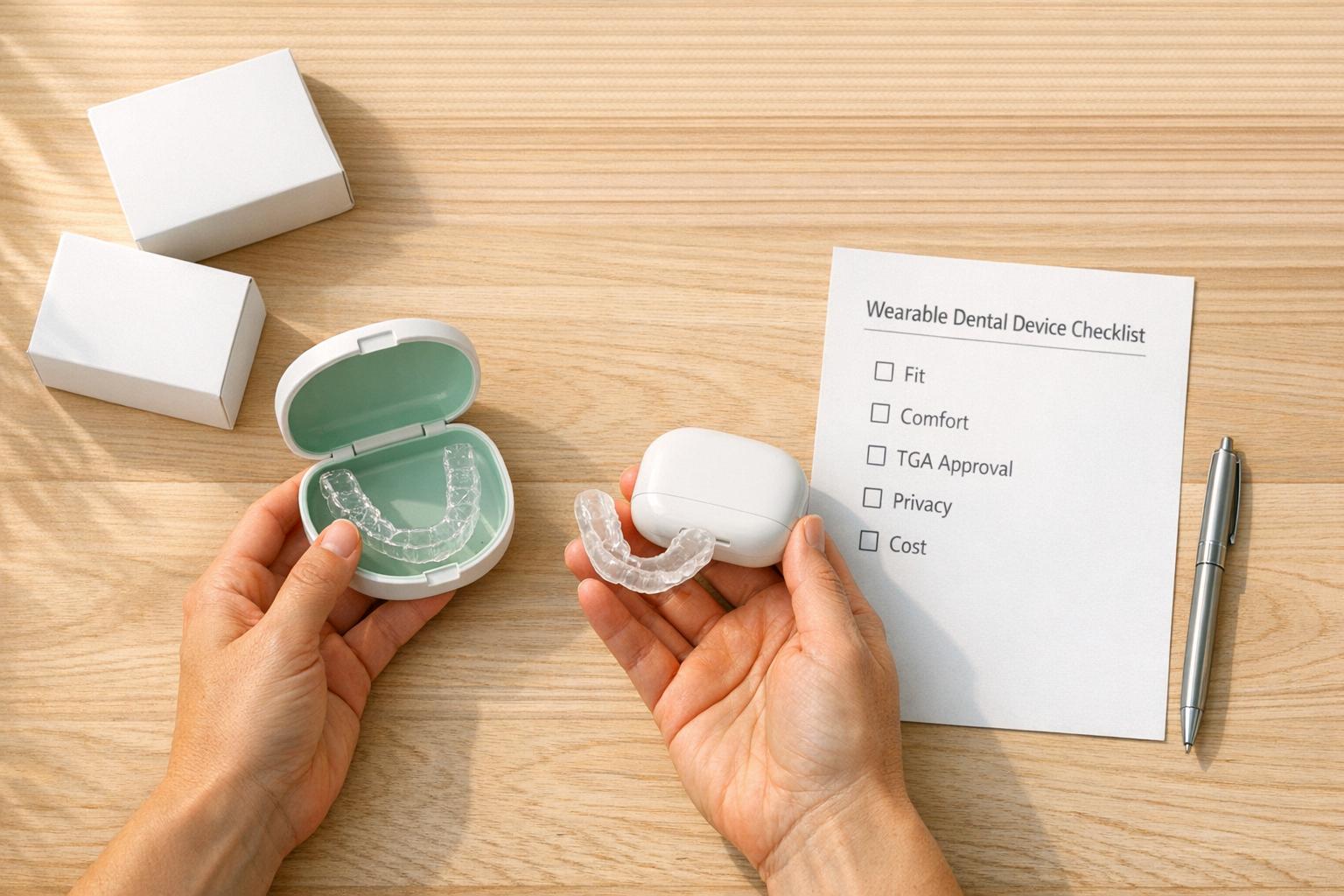
Checklist for Choosing Wearable Dental Devices
Checklist for Choosing Cloud AI Platforms in Dentistry
Complete Smiles Bella VistaAccepts All Major Health Funds, Including