




Ceramic Materials in Crowns and Bridges
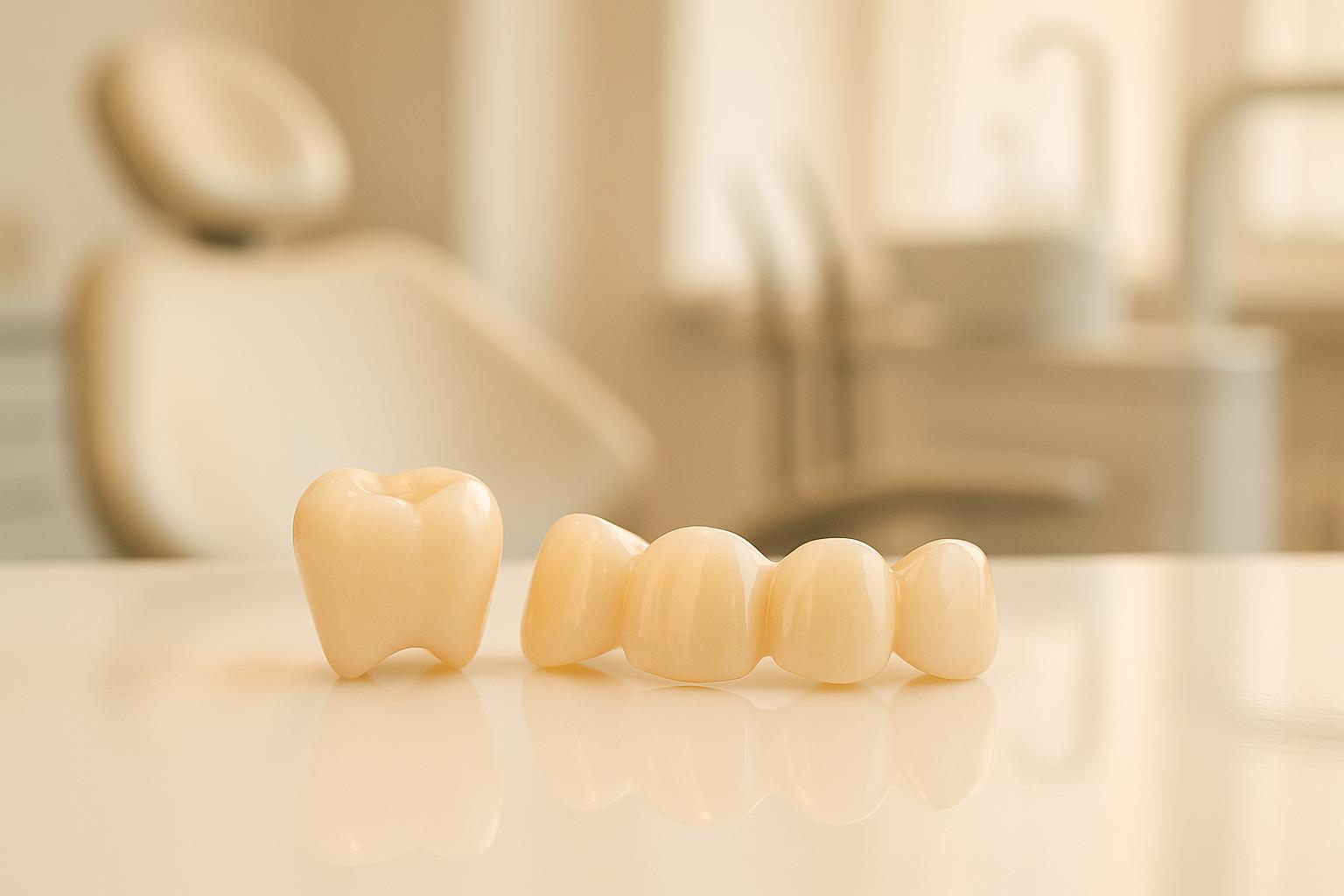
Ceramic materials are a game-changer for dental crowns and bridges, offering strength, durability, and a natural tooth-like appearance. Here’s what you need to know:
- Why Ceramics? They mimic natural teeth, are biocompatible, non-toxic, and maintain their colour over time. Plus, they minimise temperature sensitivity.
- Types of Ceramics:
- Zirconia: Extremely durable, ideal for back teeth.
- Lithium Disilicate: Balances strength and translucency, great for front teeth.
- Feldspathic Porcelain: Best for veneers and aesthetics.
- Durability: With proper care, ceramic crowns can last 5–15 years. For example, leucite-reinforced crowns show a 79.6% survival rate over 13–15 years.
- Recent Advances:
- Zirconia now offers better translucency and aesthetics.
- Lithium disilicate sees improved strength and optical properties.
- Digital workflows (CAD/CAM) make the process faster and more precise.
- Comparison:
- Zirconia: Best for strength (900–1,200 MPa).
- Lithium Disilicate: Best for aesthetics (360–400 MPa).
- Porcelain-Fused-to-Metal: Cost-effective but less aesthetic.
Quick Comparison
| Criteria | Zirconia | Lithium Disilicate | Porcelain-Fused-to-Metal (PFM) |
|---|---|---|---|
| Strength | 900–1,200 MPa | 360–400 MPa | 80–100 MPa |
| Aesthetics | Improved (42% translucency) | Excellent | Moderate |
| Applications | Back teeth, heavy bite | Front teeth, veneers | Cost-sensitive cases |
| Tooth Reduction | 0.6 mm | 1.5–2.0 mm | 2.0 mm |
| Cost (AUD) | $300–$1,200 | $400–$800 | $200–$600 |
Ceramic materials have reshaped dentistry, offering long-lasting, natural-looking restorations tailored to patient needs. Whether it’s strength, aesthetics, or digital precision, ceramics deliver.
Types of Dental Crowns and Materials – Gold, Porcelain, Lithium Disilicate, & Zirconia
Recent Developments in Ceramic Materials
Advancements in ceramic materials have led to restorations that are not only stronger but also more visually appealing and adaptable, addressing traditional limitations and expanding treatment options. Here’s a closer look at the latest progress in specific ceramic types.
Zirconia Ceramics
Zirconia has transitioned from being purely strength-focused to prioritising a more natural appearance. As of 2024, the U.S. market for zirconia-based dental materials was valued at USD 122.3 million, with projections showing a 7.1% annual growth rate through 2030. Dental crowns dominate this market, accounting for over 50.1% of applications [4].
Improved Translucency and Aesthetics
Recent developments aim to enhance zirconia’s translucency while maintaining its strength. As Paulo Francisco Cesar and colleagues explain:
"The current approach to improving the translucency of zirconia is to decrease the alumina content while increasing the yttria content." [3]
This has led to the creation of multilayered zirconia blocks and gradient materials that closely mimic the natural structure of teeth, offering both durability and an improved appearance [3].
Advancements in Manufacturing
High-speed sintering technologies, such as Amann Girrbach‘s Zolid Bion and Ivoclar Vivadent‘s updates to IPS e.max ZirCAD Prime [4], have refined production processes. These advancements ensure consistent shades and translucency, streamlining manufacturing.
Monolithic Restorations
The shift towards monolithic zirconia restorations, like Aidite‘s 3D Pro Multi-Gradient Zirconia [5], has eliminated the core-veneer interface. This reduces the risk of chipping and allows for a more natural gradient that replicates the appearance of real teeth.
Lithium Disilicate Ceramics
Lithium disilicate remains a benchmark material, offering an ideal balance of strength and optical quality. Its microstructure, consisting of about 70% interlocking lithium disilicate crystals, results in flexural strengths ranging from 300 to 400 MPa [7].
Enhanced Processing Techniques
Refinements in production have boosted both the mechanical and optical properties of lithium disilicate. The material’s ability to form anatomically accurate, monolithic restorations has significantly reduced issues like chipping and fractures, which were more common in layered systems [6]. For instance, IPS e.max CAD undergoes a transformation from 40% lithium metasilicate to 70% lithium disilicate after heat treatment, increasing its flexural strength [6].
Proven Clinical Performance
Lithium disilicate’s clinical success is well-documented. Monolithic restorations boast survival rates of 97.4% after five years and 94.8% after eight years [7]. Fernando Zarone and colleagues highlight its strengths:
"Lithium disilicate offers optimal optical properties, mechanical resistance, and versatility, making it a leading material in digital dentistry." [6]
All-Ceramic Systems
All-ceramic systems represent a major leap forward, combining aesthetics and functionality. They mark a departure from porcelain-fused-to-metal systems, addressing the aesthetic and functional limitations of metal-based options.
No Metal Substructures
By eliminating metal substructures, all-ceramic systems avoid issues like visible dark lines near the gumline. This results in restorations that look more natural and are better suited for patients with metal sensitivities, enhancing biocompatibility.
Seamless Digital Integration
Modern all-ceramic systems integrate effortlessly with digital workflows. CAD/CAM technology enables precise digital scanning and design, ensuring accurate fits with minimal adjustments [2]. Additionally, 3D printing technology allows for the quick production of customised crowns [1].
New Structural Options
These systems now offer both layered and monolithic designs. Layered restorations provide superior customisation for aesthetics, while monolithic options prioritise strength [2]. Moreover, the industry is increasingly focusing on eco-conscious practices, including sustainable production methods and recyclable ceramics [8].
Strength and Aesthetic Improvements
Modern ceramics bring a winning combination of durability and natural beauty. Full zirconia, for instance, boasts flexural strengths between 1,200 and 1,400 MPa, while High Translucent Zirconia offers a range of 750–1,200 MPa[9]. Lithium disilicate materials like IPS E.max also deliver impressive strength, exceeding 470 MPa[9]. These advancements in zirconia’s structure help resist crack formation, providing both strength and a foundation for improved aesthetics.
Multilayered Shading and Translucency
Ceramic materials have come a long way in mimicking the look of natural teeth. Techniques like multilayered shading now reproduce the complex optical qualities of enamel and dentin. Materials such as lithium disilicate and zirconia offer enhanced translucency and shade-matching options, making it easier to create restorations that blend seamlessly with the surrounding teeth[10].
One standout innovation is the CERABIEN™ MiLai porcelain system by Kuraray Noritake Dental Inc. Designed for micro-layering on zirconia and lithium disilicate, this system includes 15 internal stains and 16 porcelain options. It allows dental technicians to achieve precise internal shading and translucency effects, enhancing the lifelike appearance of various restorations[10].
Better Bonding and Longevity
The durability of ceramic restorations has also been significantly improved with advancements in bonding techniques. Proper bonding not only extends the lifespan of restorations but also helps prevent issues like microleakage, which can lead to bacterial growth and failure. Resin cement bonding is now the go-to method for most dentists, with 86% using it for crowns and bridges[11]. This method creates a strong seal and evenly distributes chewing forces across the tooth surface[12].
Bonding requirements vary depending on the ceramic material. Research shows graded structures can resist forces over 25 times greater than veneered zirconia and three times more than monolithic zirconia[13]. Compared to older bonding agents like zinc phosphate, polycarboxylate, and glass ionomer, newer materials offer better strength and aesthetic results[12].
Polishing after adjustments is another key step, especially for zirconia, as it smooths the surface and protects opposing enamel from wear[13]. Resin-bonded luting has become the preferred method for zirconia-ceramic crowns, though traditional cementation may still be suitable for certain cases[13]. To ensure success, clear communication between dentists and laboratories is essential, particularly when it comes to surface preparation and primer selection[11].
sbb-itb-2be92ed
Digital Technology in Ceramic Restorations
Recent advancements in materials have paved the way for digital technology to revolutionise the field of ceramic restorations. These innovations bring greater precision, durability, and aesthetics to the process. What once took weeks – like creating crowns or bridges – can now be completed in just a few hours thanks to digital workflows [15]. This shift has made digital integration a staple in modern dental practices.
CAD/CAM and Digital Workflows
CAD/CAM technology combines sophisticated software with precision machinery to digitally design and manufacture restorations [16]. Intraoral scanners play a key role, offering a more accurate and patient-friendly alternative to traditional impression materials [22]. These scanners produce high-resolution images that not only improve the fit of restorations but also ensure better shade matching for a natural look [21].
Using CAD software, dentists and technicians can customise the restoration’s shape, size, and fit to ensure it works harmoniously with the patient’s natural teeth. This process also guarantees that there’s adequate space for the restoration [14][21]. Once the design is finalised, CAM milling carves the restoration from a solid block of ceramic with incredible precision, reducing human error and ensuring an excellent marginal fit [14][17].
Digital workflows don’t just enhance accuracy – they also streamline the entire process. Fewer appointments are needed, communication between dental offices and labs becomes more efficient, and production times are significantly reduced. Plus, these workflows are more eco-friendly, producing less material waste [14][23][21]. Monolithic milling takes this precision and efficiency to the next level.
Monolithic Milling
Monolithic milling is a cutting-edge technique for creating ceramic restorations. Unlike traditional methods, which layer different materials, monolithic restorations are milled from a single block using CAD/CAM technology [18]. This approach offers notable strength advantages. For instance, monolithic zirconia has a flexural strength of around 1,000 MPa, compared to the 900–1,000 MPa range seen in layered zirconia [20]. By eliminating material interfaces, the risk of chipping is significantly reduced. Clinical studies even show survival rates of approximately 98% over five years [18][20].
This method also simplifies production, lowering costs and reducing the amount of occlusal clearance needed – making it an excellent option for patients with limited space [19][20]. Additionally, the high strength of monolithic zirconia allows for more conservative tooth preparation, preserving more of the patient’s natural tooth structure. When polished correctly, it also minimises wear on opposing teeth [19].
With ongoing advancements in scanning accuracy, material choices, and manufacturing speeds, digital technology continues to refine ceramic restorations, ensuring they remain a top choice for precision, durability, and aesthetics.
Comparison of Leading Ceramic Materials
When it comes to crowns and bridges, choosing the right ceramic material is essential. The decision often depends on the patient’s specific needs, the restoration’s location, and budget considerations. Here, we’ll break down the key performance aspects of the three leading materials – zirconia, lithium disilicate, and porcelain-fused-to-metal (PFM) – to help clarify their strengths and uses in clinical practice.
Strength is one of the most critical factors. Zirconia leads the pack with a flexural strength of 900–1,200 MPa, far surpassing lithium disilicate (360–400 MPa) and PFM (80–100 MPa) [24]. This makes zirconia an excellent choice for patients with bruxism or heavy bite forces, offering reliable long-term performance.
When it comes to aesthetics, lithium disilicate is often the go-to option. Its superior translucency and natural appearance make it perfect for anterior restorations where appearance matters most. Zirconia has also made significant strides in this area. High-translucency zirconia blocks now offer up to 42% translucency, making them a viable option for visible areas [24].
Clinical applications and preparation requirements vary significantly between these materials. Monolithic zirconia is often used for posterior restorations due to its opacity, while high-translucency zirconia works well for anterior crowns. Lithium disilicate is ideal for veneers and anterior crowns but is best suited for low-load scenarios [24][25]. Each material also has different tooth reduction needs: zirconia requires minimal reduction (about 0.6 mm), lithium disilicate needs 1.5–2.0 mm to avoid fractures, and PFM typically requires 2.0 mm [24].
Comparison Table
| Criteria | Zirconia | Lithium Disilicate | PFM |
|---|---|---|---|
| Flexural Strength | 900–1,200 MPa | 360–400 MPa | 80–100 MPa |
| Translucency | Up to 42% (HT blocks) | Excellent | Moderate (requires opaque layer) |
| Applications | Posterior crowns, bridges, bruxism cases | Veneers, anterior crowns | Cost-sensitive cases |
| Tooth Reduction | 0.6 mm minimum | 1.5–2.0 mm required | 2.0 mm typical |
| Survival Rate | 96.3% overall (100% monolithic) | 96.7% over 10 years | Variable |
| Cost (AUD) | $300–$1,200 | $400–$800 | $200–$600 |
Clinical studies back these findings. A 5-year study involving 1,143 zirconium oxide restorations showed a 96.3% survival rate overall, with monolithic zirconia restorations achieving a perfect 100% survival rate. Failures were mainly linked to chipping when unsupported feldspathic ceramic exceeded 1.5 mm [26].
Although zirconia may come with a higher upfront cost, its durability often makes it a cost-effective choice in the long run. Plus, zirconia’s compatibility with digital workflows can reduce both chair time and lab fees, adding to its value.
Selecting the right material often comes down to balancing aesthetics and strength. For anterior restorations, where appearance is paramount, high-translucency materials like lithium disilicate shine. In contrast, zirconia is the better option for posterior regions or for patients with heavy occlusion. Understanding these differences ensures better outcomes tailored to each patient’s needs [24].
Conclusion
Recent advancements in ceramic materials have reshaped the landscape of crowns and bridges in modern dentistry. These innovations have revolutionised restorative treatments, offering solutions that were once out of reach.
Today’s ceramic systems provide impressive durability, with materials boasting flexural strengths that far exceed older alternatives – all while retaining excellent aesthetic qualities. The result? Restorations that not only last longer but also look remarkably natural.
The aesthetic side of things has also come a long way. Modern materials now allow for a tooth-like appearance with improved colour matching, enhanced durability, and better resistance to staining. These qualities ensure restorations blend seamlessly with natural teeth and maintain their appearance over time [27].
Digital technology has added another layer of precision and efficiency. By integrating digital workflows, the restoration process has become faster and more accurate, significantly cutting down production times and improving the fit and quality of the final product [28].
Additionally, the adoption of minimally invasive techniques aligns with a growing focus on patient-centred care. These methods preserve more of the natural tooth structure, promoting better long-term oral health while reducing the need for extensive tooth reduction [27].
On a broader scale, the market reflects the growing influence of these innovations. In Australia and New Zealand, projections show a steady rise in investment in advanced ceramic biomaterials, with an expected compound annual growth rate of 10.6% from 2025 to 2030. Interestingly, over half of Australians (52.3%) visited a dental professional in 2022–23, highlighting the importance of accessible and advanced dental care [29].
These advancements firmly place ceramic materials at the forefront of restorative dentistry, paving the way for even more progress in the years to come.
FAQs
What are the main differences between zirconia and lithium disilicate ceramics in dental crowns and bridges?
Zirconia and lithium disilicate are two widely used ceramic materials in dental restorations, each bringing distinct advantages to the table.
Zirconia stands out for its incredible strength and long-lasting durability. This makes it an excellent choice for crowns and bridges in the back of the mouth, where chewing forces are at their peak. It’s also highly resistant to chipping and cracking, which adds to its reliability in high-stress areas.
Meanwhile, lithium disilicate is celebrated for its impressive translucency and lifelike appearance. These qualities make it the go-to material for restorations on front teeth, where aesthetics matter most. Although not as strong as zirconia, it excels at replicating the natural look of teeth, making it ideal for creating a visually stunning smile.
Both materials are highly biocompatible and cater to different functional and cosmetic needs, offering versatile solutions in modern dental care.
How does digital technology improve the creation of ceramic crowns and bridges?
Digital technology has revolutionised the creation of ceramic crowns and bridges, bringing unmatched accuracy, efficiency, and personalisation to the process. With 3D scanning, dentists can now capture highly precise digital impressions, resulting in a better fit and enhanced comfort for patients. This approach eliminates the need for traditional moulds, making the experience quicker and more pleasant.
Modern CAD/CAM systems take things further by enabling the digital design and production of ceramic restorations with exceptional precision. These systems not only minimise material waste but also simplify the manufacturing process, allowing for conveniences like same-day restorations in some instances. On top of that, advancements such as 3D printing and AI-driven design have elevated the speed and customisation of crowns and bridges, ensuring they meet today’s expectations for both durability and appearance.
What recent improvements have been made to the aesthetics of zirconia ceramics used in crowns and bridges?
Recent progress in zirconia ceramics has greatly improved their visual appeal, making them better at mimicking the natural translucency and colour of real teeth. These updates have tackled past issues with light transmission and colour matching, leading to restorations that look much more natural.
With the introduction of coloured zirconia ceramics and advancements in 3D printing, customisation options have grown significantly. Dentists can now craft crowns and bridges that are not only durable but also blend seamlessly with a patient’s existing teeth. These advancements strike a fine balance between strength and appearance, cementing zirconia as a top choice for dental restorations.
Related Blog Posts
- Wear-Resistant Materials in Dental Restorations
- Wear Resistance of Polymer-Based Restoratives
- Nanomaterials in Dentistry: Wear Resistance Explained
- Durability of Metal-Ceramic Restorations
Important Notice: Any surgical or invasive procedure carries risks. Before proceeding, you should seek a second opinion from an appropriately qualified health practitioner.
Individual results may vary. The information provided in this article is for educational purposes only and does not constitute medical advice.
Checkout Related Blogs



Get in touch with us
For more information, call us now to start feeling better. Or fill the form below to make appointment
The Latest News from Complete Smiles
How to Clean Clear Plastic Retainers
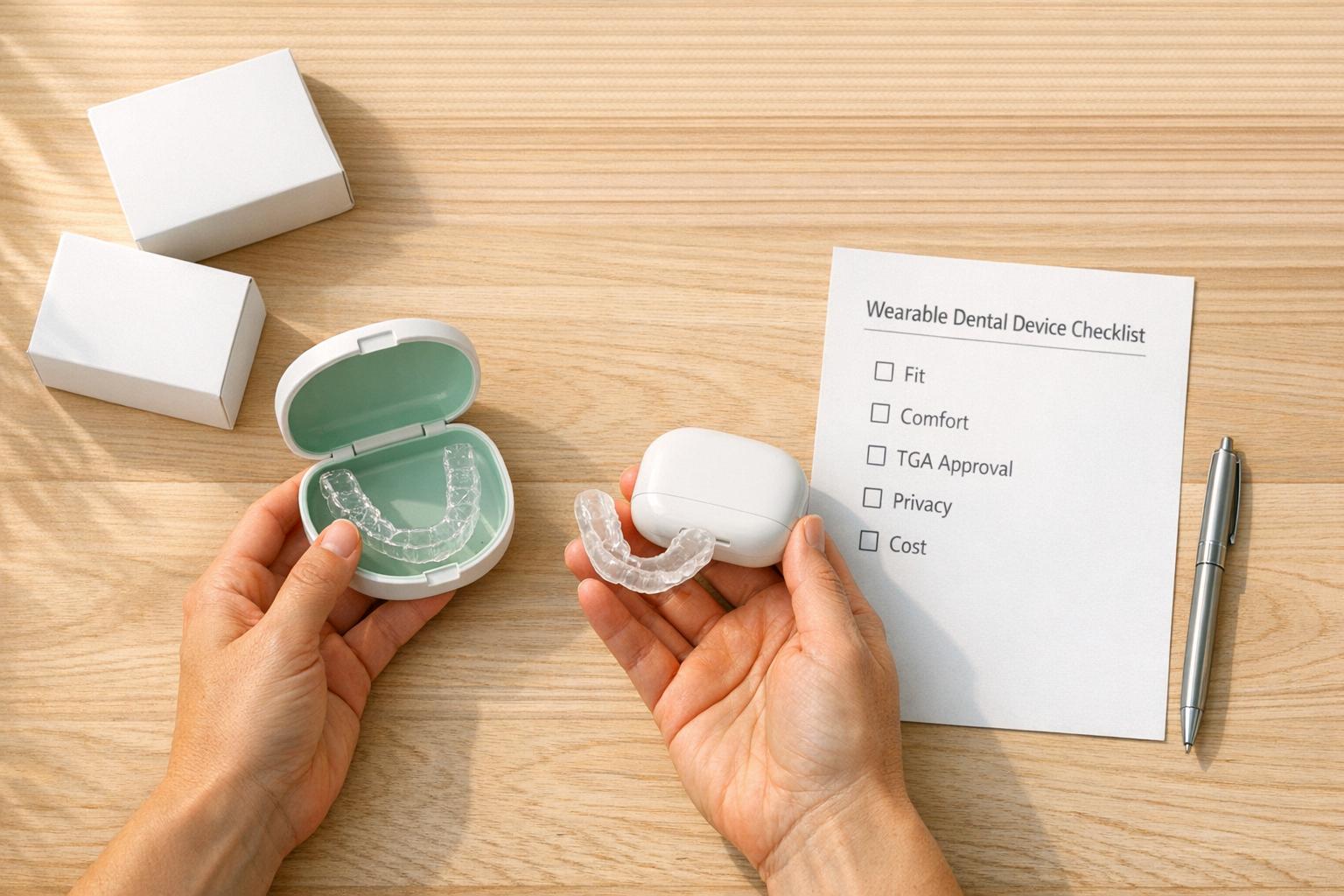
Checklist for Choosing Wearable Dental Devices
Checklist for Choosing Cloud AI Platforms in Dentistry
Complete Smiles Bella VistaAccepts All Major Health Funds, Including