





Solving Implant Challenges with Hybrid Materials
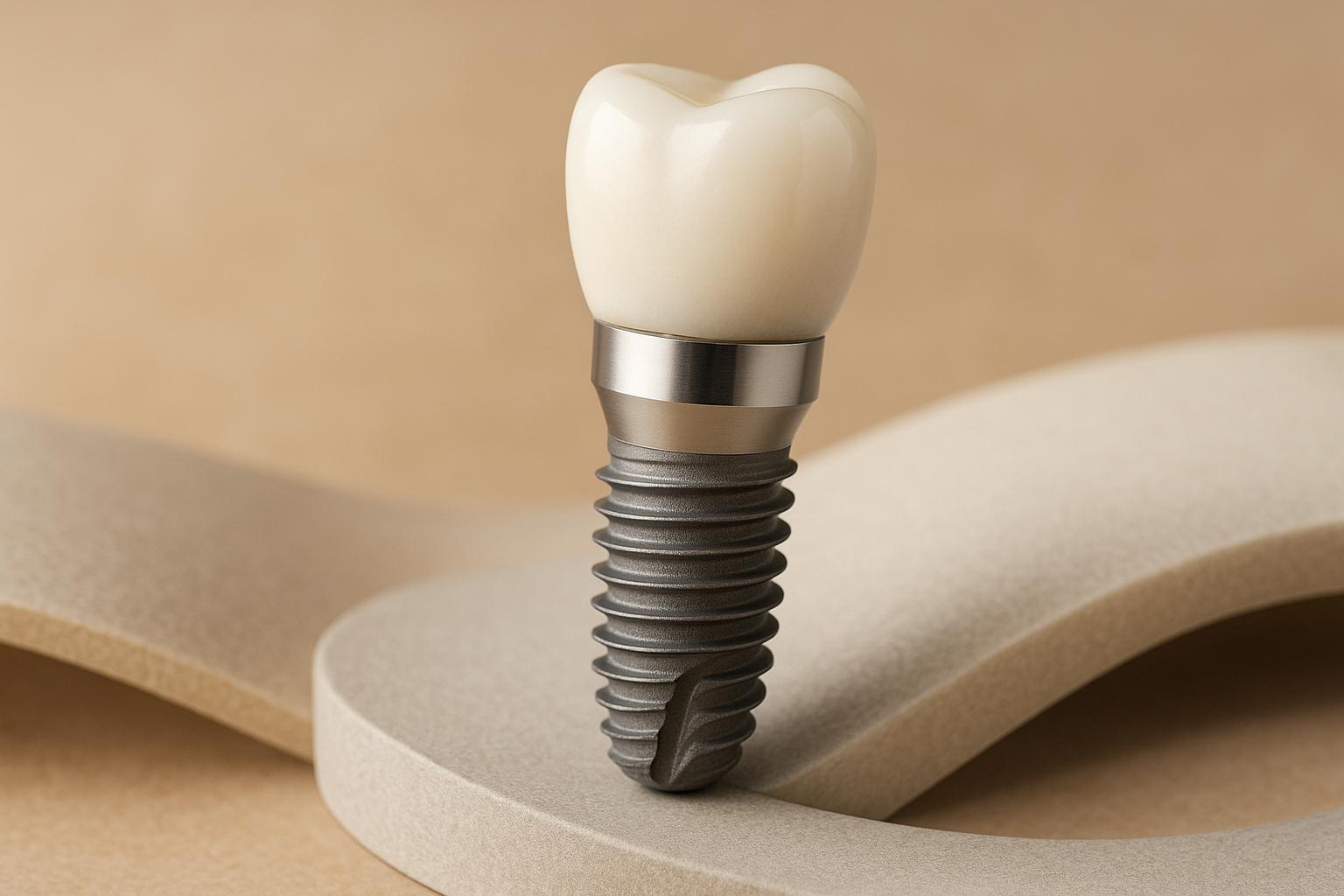
Dental implants often face challenges like poor bone quality, anatomical restrictions, material sensitivities, and uneven stress distribution. Hybrid materials, such as titanium-zirconia (Ti6Al4V-ZrO₂), address these issues by combining strength, biocompatibility, and aesthetics. These materials improve stress distribution, reduce allergic reactions, and offer greater durability, making them ideal for complex cases.
Key Insights:
- Bone Quality: Hybrid implants support integration in weaker bone areas.
- Stress Management: Gyroid lattice designs reduce stress on implants by up to 50%.
- Material Sensitivity: Ti6Al4V-ZrO₂ hybrids lower allergy risks compared to titanium.
- Durability: Withstand 600 N of force over 5 million cycles.
- Customisation: Advanced manufacturing enables patient-specific designs.
Hybrid implants are transforming dental care by improving outcomes for patients with complex needs, offering long-lasting and reliable solutions.
Hybrid Implant Materials: What They Are and How They’re Made
What Are Hybrid Implant Materials?
Hybrid implant materials bring together two or more substances to overcome the limitations of single-material designs. Unlike traditional implants made entirely from titanium or zirconia, these hybrids combine the strengths of multiple materials into a single, cohesive system.
One of the most common combinations is titanium alloy with zirconia (Ti6Al4V-ZrO2). This pairing addresses titanium’s aesthetic shortcomings while maintaining its mechanical strength, making it particularly useful in complex cases. Another innovative approach involves hybrid lattice structures, which feature varying material densities within the same implant. These designs use gyroid TPMS structures that mimic the natural porosity of bone, promoting better integration with surrounding tissue[2].
What sets hybrid materials apart is their ability to tackle multiple clinical challenges at once. While traditional materials may excel in one area but fall short in another, hybrid designs can offer a blend of mechanical durability, improved aesthetics, and enhanced biocompatibility. This makes them especially valuable for managing the complexities of advanced cases. These benefits are made possible through cutting-edge manufacturing techniques that ensure the materials perform as intended.
How Hybrid Materials Are Made
Creating hybrid implant materials involves advanced manufacturing techniques designed to ensure strong bonds between materials and precise dimensions. The three main methods used are hot pressing, 3D printing, and CNC milling.
Hot pressing combines materials under controlled heat and pressure, forming strong chemical and mechanical bonds. This method is particularly effective for crafting Ti6Al4V-ZrO2 implants, ensuring the titanium-zirconia interface remains stable under the stress of clinical use.
3D printing has transformed the production of hybrid implants, enabling customised designs tailored to individual patient anatomy. This technology allows manufacturers to create intricate lattice structures within implants – designs that would be impossible with traditional machining. With its precision, 3D printing can adjust lattice configurations and hybrid compositions to meet specific patient needs[2].
CNC milling ensures exceptional precision in shaping hybrid implants. This method is critical for achieving the exact geometries and material interfaces needed for seamless integration with the body. A precise fit is essential for the implant’s long-term success.
One of the biggest challenges in producing hybrid implants is ensuring strong bonding between different materials. Poor bonding can lead to issues like corrosion or delamination, which could compromise the implant’s performance. To address this, manufacturers employ rigorous quality control measures. Digital workflows and CAD/CAM technology further refine the process, ensuring that even the most complex hybrid designs meet the required standards for fit and function[4].
165-00 Fixed Hybrid Prosthesis: New Materials & Protocols PREVIEW
How Hybrid Materials Fix Implant Problems
Hybrid materials are reshaping implant technology by addressing long-standing challenges like uneven load distribution, material sensitivities, and durability issues. By combining the strengths of different materials, these designs offer improved performance in areas such as stress management, biocompatibility, and mechanical strength.
Improved Bone Integration and Stress Distribution
One major advantage of hybrid implants is their ability to mimic the natural way bones handle stress. Traditional titanium implants, while strong, can sometimes cause stress shielding – where their stiffness disrupts the natural load transfer, leading to bone loss. Hybrid implants, particularly those featuring gyroid TPMS lattice structures like the HI_222 design, tackle this problem effectively. These structures reduce micromotions and promote even stress distribution, creating a more stable environment for bone growth (osseointegration) and long-term implant durability. This is especially critical for patients with weaker bone quality, as it ensures a more reliable foundation for the implant.
Enhanced Biocompatibility and Reduced Allergic Reactions
Materials like Ti6Al4V-ZrO₂ hybrids show promising biological performance. Studies reveal that these hybrids maintain metabolic activity similar to pure titanium and zirconia. For instance, after 14 days, hybrid surfaces were found to preserve alkaline phosphatase expression and reduce osteoprotegerin synthesis, key indicators of healthy bone cell activity [1]. This makes hybrids an appealing option, particularly for patients who may be sensitive to metals, as they offer a lower risk of allergic reactions while maintaining excellent compatibility with the body.
Superior Mechanical Strength and Fatigue Resistance
Beyond their biological benefits, hybrid implants excel in mechanical performance. Fatigue tests show that these implants can withstand forces much greater than those experienced during regular chewing. By combining titanium’s strength with zirconia’s body-friendly properties, hybrid designs surpass the capabilities of single-material implants in terms of durability and reliability.
| Material Type | Bone Integration | Stress Distribution | Biocompatibility | Mechanical Strength | Allergy Potential |
|---|---|---|---|---|---|
| Titanium | Good | Moderate | Moderate | High | Moderate |
| Zirconia | Moderate | Moderate | High | Moderate | Low |
| Hybrid (Ti-ZrO₂) | Excellent | Excellent | High | High | Low |
sbb-itb-2be92ed
Choosing the Right Hybrid Material for Complex Cases
Selecting the ideal hybrid implant material involves balancing several factors like biocompatibility, mechanical strength, aesthetics, and the specific needs of each patient to achieve the best results.
Key Selection Criteria
When choosing hybrid materials, patient allergies and sensitivities should be a top consideration. For individuals with metal allergies or concerns about aesthetics, zirconia or hybrid Ti-Zr implants are excellent alternatives to traditional titanium. These non-metallic options eliminate the risk of metallic ion release, which can trigger adverse reactions in sensitive patients[8].
Bone quality and density are also critical factors. For patients with compromised bone, selecting an implant with mechanical properties tailored to the specific loading conditions can enhance stability and promote successful osseointegration.
Aesthetic considerations are particularly important for implants in highly visible areas. The growing demand for visually appealing, metal-free solutions has led to innovations in hybrid materials that combine the strength of titanium with the natural look of zirconia[8].
Another factor is long-term durability, which depends on the patient’s age, activity level, and oral hygiene. For example, in vitro testing of Ti6Al4V-ZrO₂ hybrid implants has shown they can endure a maximum fatigue load of 600 N over 5 million cycles – well within the range of typical chewing forces[1]. This durability makes them suitable for high-stress applications.
While hybrid implants may come with a higher upfront cost, they often reduce the risk of long-term complications and maintenance needs, making them a sound investment for many patients.
These criteria help clinicians weigh the pros and cons of various materials for complex cases.
Comparison of Hybrid Material Options
Understanding the strengths and weaknesses of different materials is key to making informed decisions. Each material type offers unique benefits, but also comes with specific limitations that must be considered in light of the patient’s needs.
| Material | Biocompatibility | Mechanical Strength | Aesthetics | Allergy Suitability | Durability | Challenges |
|---|---|---|---|---|---|---|
| Titanium (Ti) | Excellent | High | Moderate | May cause reactions | High | Risk of peri-implantitis |
| Zirconia (ZrO₂) | High | Moderate | High | Excellent | Moderate | Brittle, fracture risk |
| Ti6Al4V-ZrO₂ Hybrid | High | Very High | High | Good | Very High | Limited long-term data |
| Acrylic-Metal | Moderate | Moderate | Moderate | Variable | Lower | Requires more maintenance |
Pure titanium is a trusted material due to its proven performance, but it may not be suitable for patients prone to metal sensitivities.
Zirconia offers excellent biocompatibility and aesthetics, making it a great choice for visible areas. However, its brittleness can limit its application in high-stress situations.
Ti6Al4V-ZrO₂ hybrid implants combine the strengths of titanium and zirconia, delivering exceptional mechanical strength alongside improved aesthetics. These implants are manufactured using advanced techniques like hot pressing and CNC milling, which create robust chemical and mechanical bonds between the materials[1]. Studies have shown no significant differences in metabolic activity between hybrid, pure titanium, and pure zirconia surfaces, confirming their comparable biocompatibility[1].
Customised implants, made possible through digital design and 3D printing, further refine material selection by tailoring solutions to individual patient needs[8][7]. Additionally, the use of bioactive and antibacterial coatings – such as silver nanoparticles and graphene – has been shown to reduce infection risks and improve long-term outcomes[8][6].
Advanced dental clinics, like Complete Smiles Bella Vista, offer expert guidance in evaluating and selecting the most suitable hybrid materials for complex cases, ensuring tailored solutions for optimal results.
Clinical Applications and Advanced Dental Care in Australia
Practical Uses in Dentistry
Hybrid implant materials are reshaping how complex dental implant cases are handled across Australia. These materials provide solutions for situations where traditional titanium or ceramic implants might fall short. For patients with compromised bone structure, customised hybrid implants are designed to adapt to weaker jaw conditions, reducing micromovements and improving the integration of the implant with the bone (a process known as osseointegration). Hybrid gyroid lattice implants, in particular, have shown to enhance stability and osseointegration compared to conventional solid implants, leading to more reliable outcomes for patients[2].
Australian dental clinics are also embracing digital technologies like scanning, CAD/CAM design, and 3D printing to create highly precise hybrid implants. This approach not only reduces the time required to produce implants but also improves collaboration between dental teams and laboratories, ensuring smoother and more efficient treatment processes[5].
Minimally invasive procedures are benefiting significantly from these advancements. Techniques such as precise milling and additive manufacturing allow for the creation of porous, custom-designed implants. These implants often include features like anti-rotational connections and custom thread patterns, which enhance their stability and fixation. As a result, patients experience reduced chair time and less post-operative discomfort[2][4][5].
These innovations are paving the way for clinics to adopt highly personalised and technology-driven dental care.
Advanced Dental Services at Complete Smiles Bella Vista
Advanced dental practices are incorporating these technological breakthroughs into their care models, and Complete Smiles Bella Vista is a standout example. Under the leadership of Dr. James Hanna, the clinic integrates hybrid implant technology into its comprehensive dental services, reflecting the shift towards personalised and patient-specific treatments.
Complete Smiles Bella Vista uses hybrid implant materials and advanced manufacturing techniques to manage complex implant cases effectively. Their approach is rooted in evidence-based protocols, considering factors like bone quality, individual aesthetic needs, and each patient’s medical history. This personalised approach ensures that every treatment plan is tailored for optimal results[2][7].
The clinic’s thorough planning process evaluates essential aspects like bone structure, soft tissue health, and aesthetic goals. This helps guide the selection of materials and ensures that patients receive the most suitable implant for their needs. Moreover, the clinic prioritises patient education, ensuring individuals fully understand their treatment options and the benefits of different implant choices.
To make these advanced treatments more accessible, Complete Smiles Bella Vista offers flexible payment plans. By combining cutting-edge technology with a focus on personalised care, the clinic is setting a benchmark for how Australian dental practices can improve implant success rates and overall patient satisfaction.
Conclusion: Improving Implant Success with Hybrid Materials
Hybrid materials are reshaping the landscape of complex dental implant procedures by addressing longstanding challenges and pushing the boundaries of what implants can achieve. By merging the strengths of different components, these materials tackle traditional limitations head-on, significantly improving success rates. For instance, recent research highlights that hybrid implants can endure 600 N of fatigue load over 5 million cycles without failure – a testament to their durability and reliability[1].
One standout feature is the ability of hybrid lattice designs to dramatically reduce stress on abutments – from 504.43 MPa to 251.17 MPa. This reduction effectively doubles the lifespan of implants, offering patients greater longevity and satisfaction[2]. The improved stress distribution ensures better outcomes, especially for individuals facing complex dental scenarios.
Patient comfort and oral health have also seen marked improvements thanks to these innovations. The smooth, biocompatible surfaces of hybrid materials not only attract less plaque but also lower the risk of gum inflammation and peri-implantitis. This promotes healthier soft tissue integration, making them particularly beneficial for patients with thin gum tissue or those missing multiple front teeth[3][5][9]. Traditional single-material implants often fall short in such cases, whereas hybrid solutions excel.
Perhaps the most exciting advancement is the customisation potential of hybrid materials. These implants can be tailored to match a patient’s unique bone structure and aesthetic needs, revolutionising how Australian dental practices handle complex cases[1][2].
Clinics like Complete Smiles Bella Vista are leading the way by combining hybrid implant technology with evidence-based methods. This integration of advanced materials science, digital manufacturing, and personalised treatment planning is enabling success in cases once deemed too difficult for conventional methods. Patients now have access to more reliable, comfortable, and visually appealing solutions, even for the most challenging implant scenarios.
FAQs
How do hybrid materials enhance the integration and longevity of dental implants?
Hybrid materials bring together the best qualities of substances like titanium and ceramic to boost the effectiveness of dental implants. These materials are crafted to closely replicate the properties of natural teeth, helping implants bond more effectively with the jawbone and lowering the chances of failure.
With their superior durability, compatibility with the body, and resistance to wear, hybrid materials help implants stay secure and functional for years. This makes them a dependable choice for challenging dental procedures, offering patients greater comfort and better oral health.
How do gyroid lattice designs improve stress distribution in dental implants?
Gyroid lattice designs bring a host of benefits to dental implants, particularly in how they manage stress distribution. Thanks to their intricate 3D structure, which closely resembles natural bone patterns, these designs enable more effective load transfer. This not only reduces the likelihood of implant failure but also supports better overall performance.
Another standout feature is their ability to promote osseointegration. By encouraging the surrounding bone to grow and bond with the implant, gyroid lattices contribute to enhanced stability, which is essential for long-term success.
What’s more, these lattices are both lightweight and strong, making them an excellent choice for complex dental procedures where precision and durability are paramount. Their even stress dispersion helps minimise complications and extends the lifespan of the implant, offering a reliable solution for patients and practitioners alike.
Are hybrid materials like Ti6Al4V-ZrO₂ suitable for patients with metal allergies, and how do they help minimise allergic reactions?
Hybrid materials like Ti6Al4V-ZrO₂ are engineered to tackle issues such as metal allergies in dental implants. By blending titanium alloys with zirconia, these materials minimise direct exposure to pure metals, which are more likely to provoke allergic reactions in individuals with sensitivities.
Zirconia stands out for its biocompatibility and non-metallic nature, offering a safer alternative for patients susceptible to metal allergies. This fusion not only prioritises patient safety but also boosts the durability and performance of implants, supporting long-term success even in challenging dental procedures.
Related Blog Posts
- 3D Bioprinting in Dental Implants: How It Works
- Hybrid Implant Materials: Durability Explained
- How Hybrid Coatings Improve Osseointegration
- Bone Quality in Osseointegration: Research Insights
Important Notice: Any surgical or invasive procedure carries risks. Before proceeding, you should seek a second opinion from an appropriately qualified health practitioner.
Individual results may vary. The information provided in this article is for educational purposes only and does not constitute medical advice.
Checkout Related Blogs




Get in touch with us
For more information, call us now to start feeling better. Or fill the form below to make appointment
The Latest News from Complete Smiles
How to Clean Clear Plastic Retainers
Checklist for Choosing Wearable Dental Devices
Checklist for Choosing Cloud AI Platforms in Dentistry
Complete Smiles Bella VistaAccepts All Major Health Funds, Including





