




Osseointegration in Titanium Implants: How It Works
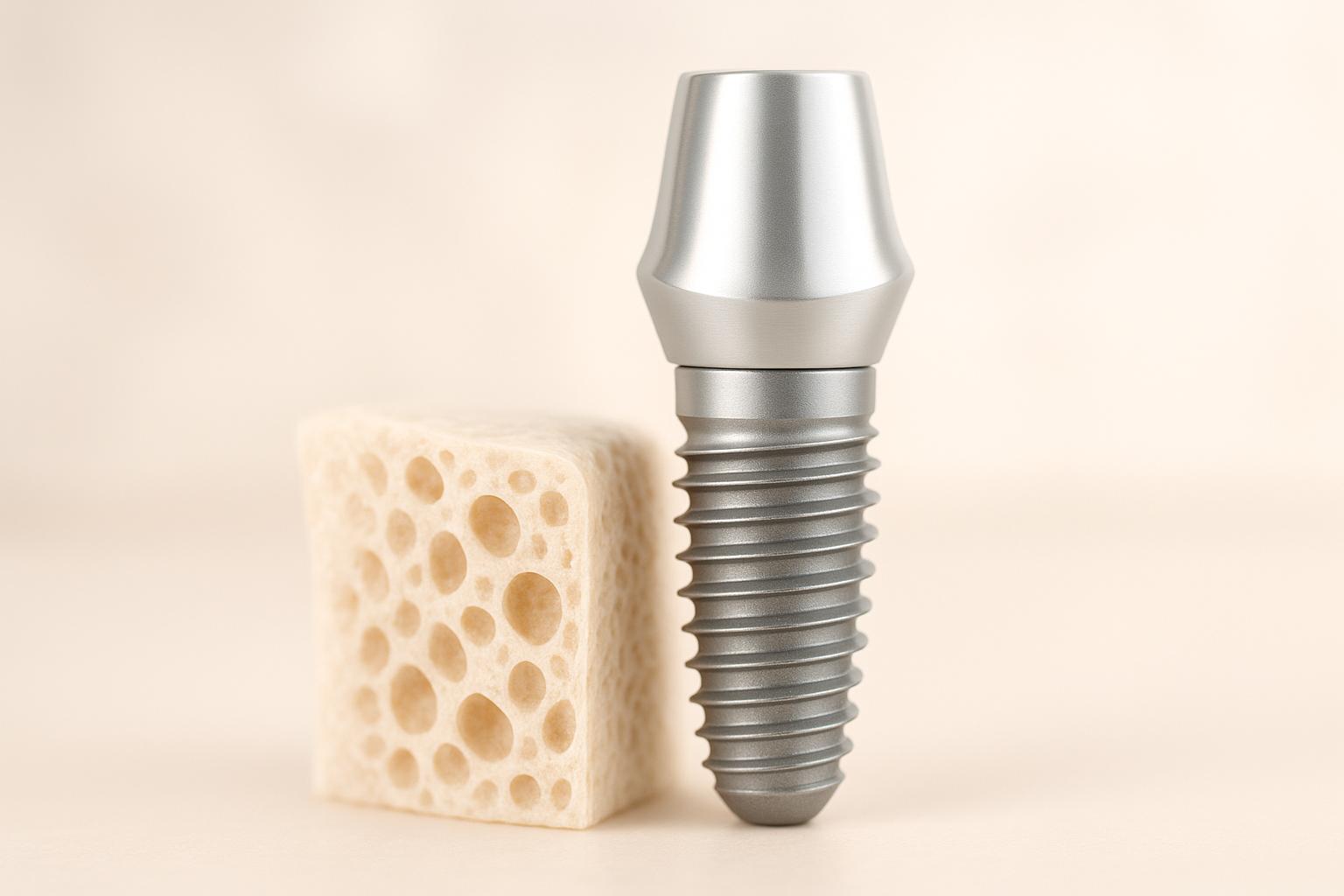
Osseointegration is the process that makes dental implants stable and long-lasting by bonding them directly to the jawbone. Titanium is the material of choice for implants because it interacts well with the body, resists corrosion, and supports bone growth. Here’s a quick breakdown of how it works and what affects its success:
- The Process: Bone cells attach to the implant in four stages – haemostasis (blood clot formation), inflammation (cleaning the area), proliferation (new bone growth), and remodelling (bone strengthening). This takes 3–6 months.
- Why Titanium?: Titanium’s biocompatibility and a natural oxide layer encourage bone growth while reducing inflammation and rejection risks.
- Surface Treatments: Techniques like sandblasting and coatings improve bone attachment and reduce healing time.
- Key Success Factors: Patient health (e.g., bone quality, age, smoking), surgical precision, and proper healing timelines all play a role.
Australian dental practices use advanced tools and strict protocols to ensure implant success, from planning to follow-up care. With proper management, osseointegration offers a durable solution for tooth replacement.
Dental Implants | How an implant attaches to bone | Osseointegration of dental implants
How Osseointegration Works Biologically
The biological process of osseointegration explains why titanium implants are so reliable. When a titanium implant is placed into the jawbone, it sets off a natural healing response. Instead of rejecting the implant as something foreign, the body works to integrate it with the surrounding bone. This involves a step-by-step process that ensures the implant becomes a stable part of the bone structure.
Specialised cells called osteoblasts play a key role here. They create new bone directly on the implant’s surface, much like how bones repair themselves after a fracture, but adapting to the presence of the implant.
4 Stages of Osseointegration
The integration process unfolds in four critical stages, each essential for achieving a stable and durable connection.
Stage 1: Haemostasis (0–24 hours)
Right after the implant is placed, the body acts quickly to stop any bleeding by forming a blood clot around the site. Platelets gather on the implant’s surface to create this clot, which acts as a scaffold for future bone growth. The rough texture of the implant helps anchor the clot securely, setting the stage for integration.
Stage 2: Inflammation (1–7 days)
This stage kicks in within hours and can last up to a week. White blood cells, including macrophages, arrive at the site to clean up any damaged tissue or bacteria. Meanwhile, cytokines help coordinate the healing process. The titanium oxide layer on the implant plays a role in regulating the inflammation, ensuring it supports healing rather than hindering it.
Stage 3: Proliferation (1–4 weeks)
During this phase, the groundwork for new bone is laid. Fibroblasts produce collagen, forming a framework for bone growth, while new blood vessels develop to supply nutrients. Osteoblasts then move in, depositing new bone matrix directly onto the implant surface. This stage is crucial for building the connection between the implant and the bone.
Stage 4: Remodelling (3–6 months)
In the final stage, the newly formed bone matures and becomes denser and stronger. Osteoclasts remove weaker bone tissue, while osteoblasts continue to build up robust bone around the implant. This ongoing process creates a solid mechanical bond, ensuring the implant is securely anchored. By the end of this phase, typically between four to six months, the implant achieves optimal stability and integration with the jawbone.
How Titanium Properties Support Bone Integration
Titanium’s physical and chemical characteristics make it a standout material for dental implants, particularly due to its ability to encourage strong osseointegration. These properties not only ensure compatibility with biological tissues but also provide the strength needed for oral functionality. In essence, titanium doesn’t just "fit in" with the body – it actively supports bone growth and integration.
Surface Features That Promote Bone Growth
Titanium’s surface plays a key role in how effectively it integrates with bone. Specifically, engineered surface features are designed to encourage bone cell attachment and growth. One crucial factor is surface roughness, which is carefully controlled to optimise cell attachment. This precision ensures there are no hidden spaces where bacteria could thrive.
Another important aspect is surface energy. When titanium is exposed to air, it naturally forms a thin oxide layer. This layer attracts water and proteins from surrounding tissues, creating a hydrophilic surface that encourages proteins to coat the implant quickly. These proteins act as a base for bone cells to attach and begin growing.
This oxide layer also serves as a protective shield, preventing corrosion while supporting healing. It helps regulate inflammation during the early stages of recovery, ensuring the body can focus on integrating the implant.
Manufacturers further enhance titanium’s surface with advanced techniques. For example, micro-grooving and multi-scale texturing create specific patterns that guide bone cells as they grow. Some designs include nanoscale textures that interact with various cell types involved in bone formation, making the integration process even more effective.
Titanium Biocompatibility
One of titanium’s standout qualities is its chemical stability. Unlike other metals that may corrode or release ions over time, titanium remains inert, even in the challenging environment of the mouth, where pH levels, temperature, and chewing forces vary. This stability minimises immune responses, reducing the risk of implant rejection.
Titanium’s oxide layer plays a crucial role in this process. When immune cells encounter this layer, they identify it as non-threatening, allowing the healing process to proceed without unnecessary inflammation. Additionally, specific proteins like fibronectin and vitronectin adhere to the oxide surface, creating binding sites for bone-forming cells. This protein layer acts as a bridge, connecting the implant to surrounding tissues.
Mechanically, titanium is also well-suited for dental applications. Its elastic modulus, or stiffness, is closer to that of natural bone compared to other metals. This similarity helps distribute chewing forces more evenly, reducing stress on surrounding bone and lowering the risk of bone loss over time. Its resistance to wear and corrosion ensures long-term stability, preventing harmful debris from triggering inflammation.
Surface Modifications for Better Results
While titanium’s natural properties are impressive, surface modifications can take osseointegration to the next level. These enhancements are designed to accelerate bone cell attachment and improve implant stability.
- Sandblasting and acid etching (SLA): This dual-process treatment creates a textured surface that promotes quicker bone cell attachment. The optimised roughness reduces healing times while maintaining strong contact between the bone and implant.
- Hydroxyapatite coatings: As the primary mineral in natural bone, hydroxyapatite provides a familiar surface for bone cells to recognise, speeding up initial bone formation. However, these coatings must be carefully applied to prevent flaking.
- Plasma spraying: This technique applies bioactive coatings that can release beneficial substances, such as growth factors or antimicrobial agents, during healing. These coatings support bone integration while lowering infection risk.
- Anodisation: By modifying the titanium oxide layer through electrochemical treatment, anodisation can enhance the surface with increased thickness, altered crystalline structures, or added elements like calcium and phosphorus, which are naturally found in bone tissue.
- Nanotechnology: Recent advances in nanotechnology allow for surface modifications at the molecular level. These features influence how proteins and cells interact with the implant, potentially leading to faster and more reliable integration.
The choice of surface treatment depends on the clinical scenario. For example, standard treatments may suffice in areas with strong bone quality, while advanced modifications are often preferred for challenging cases, such as regions with limited bone volume. These tailored approaches contribute to the consistent success of titanium implants in clinical settings.
sbb-itb-2be92ed
Factors That Affect Osseointegration Success
Osseointegration, while supported by titanium’s excellent properties, is not guaranteed solely by the material itself. The success of this process relies on a variety of factors that influence how effectively the bone bonds to the implant. By understanding these elements, we can better grasp why some implants achieve strong, stable integration while others encounter challenges during healing.
Patient-Related Factors
The characteristics and health of the patient play a crucial role in osseointegration outcomes.
Bone quality and quantity are among the most critical factors. Denser, more abundant bone provides a better foundation for implants, while areas with softer or limited bone are more challenging. For example, the upper jawbone is generally softer than the lower jawbone, which can affect both the initial stability of the implant and the time needed for healing.
Age and healing capacity also matter. Younger patients tend to experience quicker bone growth and remodelling, which speeds up integration. That said, older patients can still achieve successful outcomes, though the process may take longer and require closer observation.
Systemic health conditions can significantly impact the body’s ability to heal around the implant. For example, poorly managed diabetes can impair blood flow and immune responses, slowing healing. Osteoporosis, which reduces bone density, can affect the initial stability needed for integration. Autoimmune disorders and certain medications, such as bisphosphonates, may also interfere with normal bone healing.
Lifestyle factors, like smoking and alcohol use, present additional challenges. Smoking reduces blood circulation to the gums and bone, depriving the area of oxygen and nutrients essential for healing. Heavy smokers have a higher chance of implant failure. Similarly, excessive alcohol consumption can weaken bone formation and immune function.
Oral hygiene and gum health are crucial for maintaining a supportive environment around the implant. Poor oral hygiene can lead to bacterial buildup, causing inflammation that disrupts bone formation. Pre-existing gum disease must often be treated before placing an implant to ensure the best conditions for healing.
Procedure-Related Factors
The surgical procedure itself is another major determinant of osseointegration success.
Surgical technique and precision are paramount. The implant site must be prepared with care, using precise drilling to match the implant’s dimensions. Overheating the bone during this process can damage cells and hinder healing, while improper site preparation can compromise initial stability.
Placement depth and angulation are also critical. Implants that are too shallow may lack sufficient bone support, while those placed too deep risk interfering with surrounding structures. Proper angulation ensures that chewing forces are evenly distributed, which is essential for long-term stability.
Primary stability – the mechanical stability achieved immediately after implant placement – is foundational for successful healing. Without sufficient primary stability, micro-movements can occur, disrupting the bone formation process.
Contamination control during surgery is essential to prevent bacterial infections that can trigger inflammation and interfere with healing. Maintaining a sterile environment and carefully handling implant components are key to ensuring a smooth recovery.
Minimising surgical trauma is another priority. Excessive force during site preparation or implant placement can damage blood vessels and bone cells, slowing healing and potentially compromising integration.
Healing and Loading Timelines
The timeline for healing and the application of chewing forces (loading) also play a role in successful osseointegration.
The initial healing phase, lasting 2–4 weeks, is critical for early bone formation and tissue organisation. During this time, the implant must remain undisturbed to allow proper blood vessel formation and tissue growth.
The osseointegration process typically takes 3–6 months to complete, though this varies based on factors like bone density and location. Implants in the lower jaw often integrate faster due to the denser bone, while those in the upper jaw may require more time.
Loading protocols dictate when and how forces are applied to the implant. In immediate loading, a temporary crown or bridge is placed on the same day as the implant, but this requires excellent bone quality and primary stability. Early loading usually occurs 6–8 weeks after placement, while conventional loading waits 3–6 months for full integration.
Progressive loading involves gradually increasing the forces applied to the implant over time. Even after osseointegration is complete, the surrounding bone continues to adapt and strengthen in response to functional forces, a process that can last for months after the final restoration.
Regular monitoring during healing is essential to track progress and address any complications early. Routine check-ups allow dental professionals to ensure that the conditions remain favourable for osseointegration, making adjustments as needed to optimise outcomes.
Osseointegration in Australian Dental Practices
Australian dental practices operate within a tightly regulated framework designed to prioritise patient safety and ensure high-quality care throughout the osseointegration process. The Dental Board of Australia, alongside the Australian Health Practitioner Regulation Agency (AHPRA), enforces strict guidelines governing every stage of implant procedures – from initial assessments to the final restoration. These regulations are the backbone of implant care, ensuring consistent monitoring and adherence to best practices.
Monitoring and Management in Clinical Settings
Dental clinics across Australia rely on standardised protocols that incorporate advanced tools like CBCT scans, radiographs, and resonance frequency analysis to oversee the osseointegration process. This monitoring begins with pre-surgical assessments and continues through scheduled follow-ups.
Pre-surgical evaluations include a thorough review of the patient’s medical history, bone density checks using CBCT imaging, and any necessary lab tests. This comprehensive approach helps identify potential risks early, reducing the likelihood of complications.
During the healing phase, follow-up appointments are strategically timed to evaluate integration progress and address any emerging issues. Tools such as radiographs and resonance frequency analysis play a key role in this process, supported by meticulous record-keeping to track patient outcomes.
Patient education is another cornerstone of effective monitoring. Dentists provide detailed guidance on oral hygiene, dietary precautions, and recognising warning signs that might indicate complications. This empowers patients to actively participate in their recovery, improving healing conditions and enabling early intervention when needed.
Financial considerations also shape the monitoring process. While the Medicare Benefits Schedule covers some basic dental services, implant procedures and extended monitoring are often managed through private health insurance. Patients are typically informed upfront about costs and treatment timelines to ensure transparency.
Advanced Dental Care Providers in Australia
Australian dental practices continue to refine osseointegration outcomes through cutting-edge technology and specialised expertise. Digital planning tools allow for precise implant placement, while guided surgery systems minimise surgical trauma and enhance accuracy. These advancements are increasingly available in both metropolitan centres and regional areas, making high-quality care more accessible.
Practitioners performing implant procedures are required to meet rigorous training standards. Oral surgeons, periodontists, and specially trained general dentists undertake recognised courses and participate in ongoing professional development to stay updated on the latest research and techniques in osseointegration.
An excellent example of this approach is Complete Smiles Bella Vista, led by Dr. James Hanna. This clinic exemplifies the integration of personalised care, evidence-based protocols, and advanced dental technology to improve osseointegration outcomes.
Complex cases often benefit from a multidisciplinary approach, particularly for patients with challenging medical histories or unique anatomical considerations. Collaboration between general dentists, specialists, and dental technicians ensures tailored solutions for these patients.
Quality assurance is another priority in leading Australian practices. Regular case reviews, outcome tracking, and continuous professional development help maintain high standards. These measures also facilitate the adoption of new research findings into daily practice.
To extend quality care beyond urban centres, many clinics leverage telehealth services and visiting specialists, ensuring patients in rural areas have access to advanced implant procedures. Additionally, Australian dental practices often contribute to research on topics like new implant surfaces, healing protocols, and patient outcomes. This commitment to research not only drives progress but also ensures treatments adhere to established safety standards.
Conclusion
Drawing from the stages, properties, and clinical protocols outlined earlier, successful osseointegration stands as a transformative advancement in tooth replacement. When properly managed, it provides a durable foundation that can last for decades.
The unique properties of titanium – its biocompatibility and ability to form a direct bond with bone – make it the preferred material for long-lasting implants. The process of osseointegration unfolds in four key stages: initial healing, bone formation, maturation, and remodelling. Together, these stages create a stable and functional connection capable of withstanding the daily forces of chewing and speaking.
Several factors influence the success of osseointegration. Enhanced surface treatments on implants improve integration, while patient-specific elements such as bone density, medical history, and oral hygiene habits are equally crucial in determining the outcome.
Australian dental practices have adopted cutting-edge monitoring techniques and evidence-based protocols to maximise success rates. By incorporating digital planning tools, guided surgical systems, and thorough follow-up care, these practices ensure treatments meet the highest international standards.
Key Takeaways
Understanding osseointegration empowers patients to make well-informed decisions about implant treatments and take an active role in their recovery. The biological bonding between titanium and bone tissue requires time, care, and adherence to post-surgical instructions. Typically, a healing period of 3-6 months allows the bone to integrate fully before the implant is loaded with a crown or prosthesis.
Success extends beyond the implant itself. A combination of patient health, surgical precision, a conducive healing environment, and consistent long-term maintenance all contribute to positive outcomes.
Ongoing professional monitoring is vital for identifying potential complications early and ensuring smooth recovery. Australian dental practices leverage advanced imaging and assessment tools to track progress and adjust treatment plans as needed.
The field of osseointegration continues to evolve, with research into new surface technologies, healing protocols, and tailored patient approaches paving the way for even better results. These advancements align with the best practices in Australian dental care, ensuring patients receive exceptional outcomes from their implant treatments.
FAQs
What is the role of osseointegration in the success of titanium dental implants?
Osseointegration is the process where a titanium dental implant bonds with the jawbone, forming a stable base for the implant. This healing period typically lasts 3 to 6 months, though it can vary depending on factors like the quality of the bone and how quickly an individual heals.
Giving enough time for osseointegration is crucial for ensuring the implant remains stable and lasts over the long term. A strong connection between the implant and the bone is key for the implant to work properly, allowing it to support natural functions like chewing, speaking, and maintaining overall oral health.
What factors can affect the success of osseointegration in dental implants?
Several factors related to patients can impact how well dental implants integrate with the bone. For instance, systemic health issues like diabetes or osteoporosis can slow down bone healing and affect the integration process. Additionally, habits such as smoking can interfere with bone regeneration and compromise the stability of the implant.
Other important aspects to consider are inadequate oral hygiene, low bone density or volume, and specific medical conditions. To achieve the best results, it’s essential to have a detailed assessment by your dentist, who can address these concerns and tailor the treatment to your needs.
How do surface treatments improve the integration of titanium implants with bone?
Surface treatments on titanium implants – like roughening, bioactive coatings, and nano-scale modifications – are crucial for improving how implants integrate with bone. These methods enhance the connection between the implant and bone tissue by increasing contact, stimulating cell activity, and supporting early stages of bone healing.
On top of that, advanced surface modifications can improve compatibility with the body, minimise corrosion, and enhance the implant’s long-term stability. This leads to a more dependable and lasting option for dental restoration.
Related Blog Posts
- Recent Advances in Titanium Implant Surface Design
- Electrochemical Deposition for Titanium Implants
- Osseointegration and Titanium Surface Design
- How Hybrid Coatings Improve Osseointegration
Important Notice: Any surgical or invasive procedure carries risks. Before proceeding, you should seek a second opinion from an appropriately qualified health practitioner.
Individual results may vary. The information provided in this article is for educational purposes only and does not constitute medical advice.
Checkout Related Blogs



Get in touch with us
For more information, call us now to start feeling better. Or fill the form below to make appointment
The Latest News from Complete Smiles
How to Clean Clear Plastic Retainers
Checklist for Choosing Wearable Dental Devices
Checklist for Choosing Cloud AI Platforms in Dentistry
Complete Smiles Bella VistaAccepts All Major Health Funds, Including