




Recent Advances in Titanium Implant Surface Design
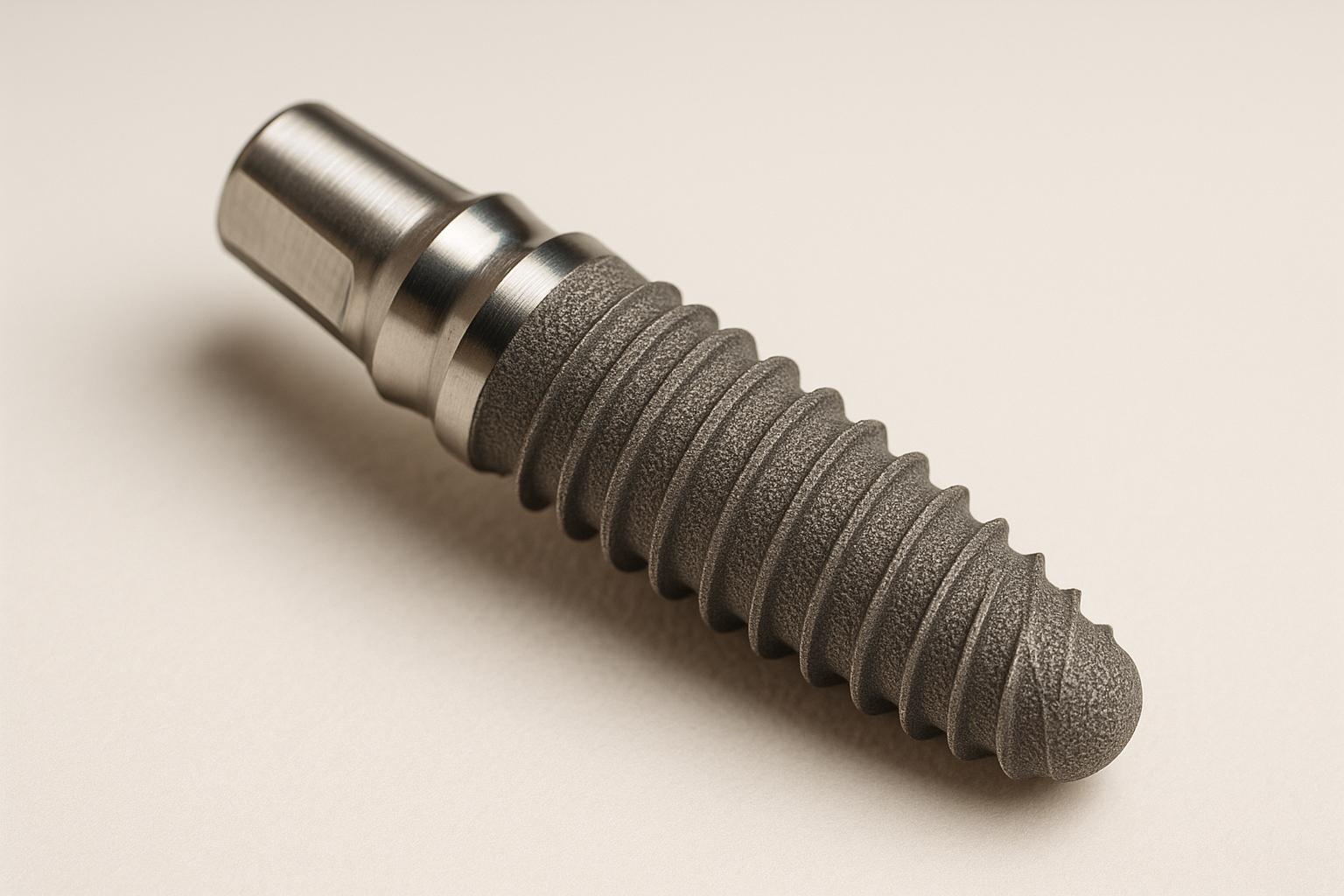
- Why Titanium?
- Biocompatible: Integrates seamlessly with bone.
- Durable: Strong yet lightweight, with natural corrosion resistance.
- Promotes bone growth, preserving jaw density and ensuring long-term functionality.
- Challenges in Implant Technology:
- Issues like biofilm formation, peri-implantitis (affecting ~5% of patients), and corrosion still pose risks.
- Primary implant failure occurs in 1–2% of cases, with replacement success rates dropping to 71%.
- Key Surface Modification Techniques:
- Ion Doping: Enhances bone growth and reduces bacterial infections.
- Example: Copper-doped implants eliminate 99.45% of S. aureus.
- Hydroxyapatite Coatings: Mimics bone for better integration and corrosion resistance.
- Zinc-substituted coatings boost mineralised nodule formation by 4.5 times.
- Nanostructured Engineering: Optimises cell interaction, improving bone integration.
- Ion Doping: Enhances bone growth and reduces bacterial infections.
- Clinical Outcomes:
- Advanced modifications improve bone-to-implant contact (BIC) by 7.29% and implant longevity by 7.52%.
- Survival rates exceed 95% over 10 years with some surface treatments.
- Future Directions:
- Multifunctional coatings with antibacterial and osteogenic properties.
- Personalised implants via CAD/CAM technologies.
- Advanced imaging and AI for precise planning.
Quick Comparison Table:
| Technique | Benefits | Limitations | Complexity |
|---|---|---|---|
| Ion Doping | Antibacterial + bone growth stimulation | Requires precise ion control | Moderate |
| Hydroxyapatite Coatings | Mimics bone, improves integration | May degrade over time | Variable |
| Nanostructured Engineering | Enhances cell interaction and bioactivity | Complex fabrication processes | High |
These advancements are reshaping dental implantology, offering better outcomes for Australian patients while meeting stringent TGA standards.
Recent Advances in Implants- Part 2
Key Surface Modification Techniques for Titanium Implants
Advancements in surface modification have revolutionised how titanium implants interact with bone tissue, tackling both infection risks and integration challenges. Among the many techniques available, three stand out for their effectiveness and widespread use. Here’s a closer look at these methods and how they compare in clinical applications.
Ion Doping: Enhancing Antibacterial Properties and Bone Growth
Ion doping is a cutting-edge approach where specific metal ions are added to titanium surfaces, creating implants that promote bone growth while combating bacterial infections. This technique addresses two major causes of implant failure: poor osseointegration (18%) and bacterial infections (20%) [2].
For example, zinc-doped surfaces increase osteoblast proliferation by 25%, improve cell adhesion by 40%, and inhibit Staphylococcus aureus by 24% [5]. Magnesium doping enhances alkaline phosphatase activity by 38% and boosts cell proliferation by 4.5 times [5]. Copper doping, on the other hand, achieves remarkable antibacterial efficacy, eliminating 99.45% of S. aureus and 98.65% of Escherichia coli [5].
Ion doping can be achieved through various methods, such as hydrothermal treatment, micro-arc oxidation, and plasma immersion ion implantation (PIII). However, careful monitoring of metal ion concentrations is crucial to prevent potential toxicity [6].
Hydroxyapatite Coatings: Improving Bone Integration
Surface coatings, particularly hydroxyapatite (HA), offer another effective solution. HA mimics natural bone mineral, reducing the release of metallic ions while enhancing the implant’s bioactivity [1]. Nanophase hydroxyapatite materials outperform their coarser counterparts due to their increased surface area and higher number of surface atoms, which improve bioactivity [1].
Research shows that HA coatings improve corrosion resistance compared to uncoated titanium, addressing a persistent issue in implant technology [1]. Their ability to enhance protein absorption and promote bone cell adhesion and proliferation shortens healing times and ensures better implant fixation [7]. Modifications like zinc-substituted HA further enhance performance, boosting mineralised nodule formation by 4.5 times and providing 16.25% bacterial inhibition against E. coli [5]. These benefits make HA coatings a reliable option for improving bone integration and minimising corrosion risks.
Nanostructured Surface Engineering: Refining Implant Design
Nanostructured surface engineering takes implant integration to the next level by working at the cellular level. These surfaces are designed to optimise interactions between the implant and surrounding bone, encouraging the differentiation of mesenchymal and pre-osteoblast cells and promoting overall bone formation [8].
Key features such as surface energy, roughness, hydrophilicity, and porosity are fine-tuned to control protein adsorption, cell adhesion, and differentiation [2][3]. This method also stimulates osteogenic gene expression, further enhancing bone growth [8].
Emerging research is focused on hybrid surfaces that combine micro- and nano-scale features, which could lead to even better clinical outcomes [10]. However, caution is needed with physical and mechanical modifications, as excessive roughness may weaken the bond between the implant and surrounding tissue [9].
These three techniques – ion doping, hydroxyapatite coatings, and nanostructured engineering – represent significant progress in implant technology. Each offers distinct advantages, and the choice of method often depends on the specific needs of the patient and the clinical setting.
Comparison of Surface Modification Methods
Examining surface modification techniques is crucial for selecting the right implants. Each method brings unique benefits and challenges, influencing both clinical outcomes and practical considerations. Below, we break down their strengths and limitations and discuss their relevance to Australian dental practices.
Comparison of Techniques
The three main surface modification methods differ in how they work, their effectiveness, and their practical applications. Here’s how they stack up across key factors:
| Surface Modification Technique | Primary Benefits | Effectiveness Data | Limitations | Manufacturing Complexity |
|---|---|---|---|---|
| Ion Doping | Combines antimicrobial and osteogenic properties | Zn-doped: 25% boost in osteoblast proliferation, 40% better cell adhesion, 24% bacterial inhibition [12] | Success depends on ion concentration and release rates | Moderate – requires precise ion control |
| Hydroxyapatite Coatings | Excellent bone integration due to biocompatibility | Zn-substituted HA: 4.5x increase in mineralised nodule formation [12] | May degrade over time and lacks mechanical strength | Variable – dependent on deposition technique |
| Nanostructured Engineering | Improves cell interaction and bioactivity | Greater surface area enhances protein adsorption and osteoblast attachment [4] | Complex fabrication processes required | High – needs advanced equipment |
Each technique offers distinct advantages. Ion doping provides a balance of antimicrobial effects and bone growth stimulation; hydroxyapatite coatings mimic natural bone for better integration; and nanostructured surfaces improve protein adsorption and cell attachment. For example, copper-doped coatings have been shown to eliminate over 98% of key oral pathogens.
Hydroxyapatite coatings are particularly effective for osseointegration because of their chemical similarity to natural bone [11]. However, factors like the deposition method can affect the coating’s density and durability.
Clinical studies back the long-term success of surface modifications. Anodised surfaces, for instance, have shown survival rates of 98.5% over a decade. A study involving 4,694 patients reported survival rates exceeding 99% after one year and 95.1% after ten years [14].
Suitability for Australian Dental Practices
These comparisons are especially relevant under Australia’s regulatory and economic conditions. Australian practitioners must ensure their choices comply with Therapeutic Goods Administration (TGA) standards while addressing patient needs and cost considerations.
From a cost perspective, ion doping offers a moderately priced option with dual antimicrobial and bone-growth benefits. Hydroxyapatite coatings can vary in cost depending on the deposition process, while nanostructured engineering typically requires a larger upfront investment, often justified by its superior long-term results.
The practical application of these techniques depends on a clinic’s existing capabilities and the needs of its patients. Implants with enhanced surface modifications improve bone integration and reduce the risk of bacterial biofilm formation [13]. These features not only tackle clinical challenges but also meet TGA safety requirements. Research emphasises the importance of balancing antimicrobial properties with bone growth promotion in implant design [13].
Training is another factor to consider. For instance, ion-doped implants require knowledge of ion release dynamics, hydroxyapatite coatings demand an understanding of degradation patterns, and nanostructured implants necessitate familiarity with advanced surface properties.
Patient suitability also plays a key role. For example, individuals at higher risk of infection may benefit from copper-doped surfaces, while those needing improved bone integration could be better served with magnesium-doped surfaces [12]. Tailoring the choice of surface modification to the patient ensures better outcomes and satisfaction.
sbb-itb-2be92ed
Clinical Outcomes and Future Directions
Clinical Success of Advanced Surface Modifications
Advanced surface modifications have proven to be game-changers in improving the success of dental implants. Studies show that bioactive surface treatments significantly enhance osseointegration, leading to longer-lasting implants. A meta-analysis highlighted a notable boost in bone-to-implant contact (BIC), with a mean improvement of 7.29 (95% CI [2.94, 11.65]), and implant longevity, with a mean increase of 7.52 (95% CI [3.18, 11.85])[16]. These advancements contribute to dental implant success rates ranging impressively between 90% and 98%[18].
One key factor is surface roughness. Traditional machined implants typically achieve a BIC of around 15%, which is linked to higher failure rates[18]. However, implants treated with titanium plasma spray (TPS) can achieve BIC levels up to six times greater than their machined counterparts[18]. For example, the Osseotite implant by Biomet 3i features a double-etched surface that enhances clot–implant attachment, achieving cumulative success rates as high as 98% in clinical trials[18].
Another area of progress is the use of growth factor combinations to accelerate healing. Research demonstrates that pairing BMP‑2 with hydroxyapatite stimulates osseointegration[15], while PLGA/rhBMP‑2 titanium coatings improve BIC during the early stages of healing[15]. These findings set the stage for the next wave of implant technologies.
New Developments in Implant Technology
Building on these clinical successes, the focus has shifted to innovations aimed at further enhancing implant performance. Emerging technologies now integrate multiple functionalities into single treatments. Multifunctional coatings, for instance, combine osteogenic, antibacterial, and immunomodulatory properties, offering a comprehensive approach to implant health. Personalised implants designed through CAD/CAM technology allow for customisation to fit each patient’s anatomy, potentially improving long-term outcomes.
Artificial intelligence (AI) is also making its mark, especially when paired with advanced imaging tools. AI can predict the optimal implant size and placement, reducing human error and improving surgical accuracy. This is bolstered by 3D cone beam computed tomography (CBCT), which provides detailed images of jaw structures to guide precise planning.
Manufacturing advancements are paving the way for improved implant designs. In 2023, Mariscal-Muñoz et al. demonstrated that laser fabrication techniques could create nano-to-microscale hybrid surfaces on titanium implants, promoting osseointegration while minimising bacterial colonisation. Such techniques offer complex surface topographies that encourage better healing.
Minimally invasive surgical (MIS) techniques are also evolving. Refined guided surgery kits and real-time navigation systems are reducing patient trauma and speeding up recovery. Bone-conserving implants, which require less bone removal during placement, reflect a patient-focused approach, addressing issues like biofilm resistance and slow osseointegration.
In Australian dental practices, these advancements align seamlessly with the country’s high standards for patient care and strict health regulations. Digital dentistry tools, including 3D imaging and CAD/CAM systems, enable more precise implant planning and placement. Additionally, emerging financing options are making these advanced treatments more accessible to patients. Market trends further reflect growing confidence in these technologies, with the dental implant market projected to grow at a compound annual rate of 9.8% from 2024 to 2030, potentially reaching about US$9.62 billion by 2030[18].
Application in Australian Dental Practices
Implementing Advanced Surface Technologies
Australian dental clinics are increasingly incorporating advanced titanium implant surface modifications to improve patient outcomes and comply with the nation’s stringent healthcare regulations. The Therapeutic Goods Administration (TGA) plays a key role in ensuring these technologies meet strict safety and performance standards before they are used in clinical settings. This regulatory framework has encouraged a move toward technologies that deliver better results for patients.
One widely adopted technique is anodisation, which has shown excellent long-term success rates. A 2018 study highlighted that implants with anodised surfaces achieved an impressive survival rate of 98.5% over a minimum of 10 years of follow-up[14]. The process enhances the titanium dioxide (TiO2) layer, roughens the implant surface moderately, and significantly improves the implant’s ability to bond with bone tissue (osteoconductivity)[14].
Ion-doped coatings are also gaining traction in Australian dental practices due to their dual benefits of encouraging bone growth and reducing infection risks. These coatings promote osteoblast proliferation while effectively inhibiting harmful bacteria, making them particularly beneficial for high-risk patients. For instance, copper-doped coatings have demonstrated strong antibacterial performance, achieving 99.45% efficacy against Staphylococcus aureus and 98.65% against Escherichia coli[5]. This makes them invaluable in practices where infection control is a top priority.
Additionally, sandblasting and acid etching techniques are widely used to create microscopic surface irregularities that accelerate the bonding process between the implant and bone (osseointegration). Studies comparing different surface modifications have shown that all types, including anodised, blasted, turned, titanium plasma-sprayed, and sandblasted acid-etched surfaces, result in minimal marginal bone loss – less than 2 mm on average[14].
The use of 3D CBCT (cone beam computed tomography) scanners has further enhanced implant planning. This technology allows dentists to tailor surface modifications to match a patient’s specific bone quality and anatomy, ensuring the best possible outcomes for each individual[17].
Example of Complete Dental Implant Care
Some practices have fully embraced these advanced techniques, with Complete Smiles Bella Vista standing out as a prime example. Under the leadership of Dr. James Hanna, the clinic combines cutting-edge surface modification methods with personalised treatment plans to maximise implant success rates.
The clinic employs double-etched implants and integrates CAD/CAM (computer-aided design and manufacturing) workflows to enhance osseointegration while prioritising patient comfort. Research shows that double-etched surfaces lead to higher bone-to-implant contact compared to smoother machined surfaces or rougher options like titanium plasma spray or hydroxyapatite coatings[18].
A critical balance is maintained between antimicrobial and osteoconductive properties. While rougher surfaces improve bone fixation, they can also promote biofilm formation, which may lead to complications. By carefully selecting surface modifications, the clinic minimises the risk of peri-implant issues. This is especially important given that peri-implant mucositis affects about 30.7% of implants, and peri-implantitis impacts 9.6%[19].
The use of CAD/CAM technologies at Complete Smiles Bella Vista allows for the creation of highly customised implants with optimised surface characteristics[17]. This personalised approach is particularly crucial when considering that replacing a failed implant in the same location has a lower survival rate of just 71%[13]. Ensuring success on the first attempt is therefore vital for long-term outcomes.
Conclusion
Titanium implant surface design has come a long way, bringing transformative changes to dental implantology in Australia. These advancements have led to tangible improvements in patient outcomes, setting new benchmarks for care.
Thanks to modern surface modifications, implant success rates now range between 90% and 98% [18]. Research highlights notable progress in bone-to-implant contact (BIC), with advanced treatments achieving mean increases of 7.29 in BIC and 7.52 in implant longevity [16]. These strides underscore the impact of cutting-edge technology on both the durability and effectiveness of dental implants.
One of the most promising innovations is the use of coatings that combine antibacterial and osteoconductive properties. This dual-purpose approach not only boosts bone integration but also reduces the risk of infection. Alongside these technical achievements, regulatory oversight by Australia’s Therapeutic Goods Administration (TGA) ensures that only thoroughly tested advancements make it to clinical practice. With success rates surpassing 95%, these modifications are proving their value in real-world applications [20].
The future of dental implants looks equally promising. The market is projected to grow at an annual rate of 9.8% through to 2030 [18], driven by developments like multifunctional coatings, electrical stimulation, and personalised 3D-printed surfaces. These innovations are poised to further enhance implant performance, offering even better outcomes for patients.
For Australians, these technological advances mean quicker healing times, greater predictability, and fewer complications. Practices such as Complete Smiles Bella Vista exemplify how integrating advanced surface modifications with comprehensive care can deliver exceptional results while maintaining high standards.
The evolution from simple machined surfaces to sophisticated multilayered designs is reshaping implant dentistry, setting a new standard that continues to improve patient care across the country. These technologies are not just innovations – they are becoming the cornerstone of modern dental implantology in Australia.
FAQs
How do recent advancements in titanium implant surfaces improve their durability and success in dental treatments?
Recent advancements in titanium implant surface design – like nanostructuring, ion doping, hydroxyapatite coatings, and plasma treatments – have significantly boosted their effectiveness in dental applications. These methods enhance the implant’s ability to bond with bone (a process called osseointegration) and improve resistance to bacteria, both of which are essential for long-term success.
By increasing the surface roughness and bioactivity of the implants, these innovations encourage a stronger and more stable connection with surrounding bone tissue. This not only enhances the durability of the implants but also leads to higher success rates, making them a dependable choice for patients in need of dental implants.
What risks are associated with ion doping in titanium implants, and how can they be managed?
Titanium implants, while widely used, come with potential risks, particularly from ion doping. This process can lead to the release of titanium ions into the body, which may harm organs like the liver and kidneys. On a more localised level, such ion release can trigger issues like peri-implantitis or hypersensitivity reactions, including dermatitis and delayed wound healing.
To address these concerns, specialised surface modification techniques and protective coatings are employed. These methods work to limit ion release, enhance implant stability, and improve how well the body accepts the implant. By reducing the chances of adverse tissue reactions, these advancements make titanium implants a safer and more reliable option for long-term use.
How do recent advancements in titanium implant surface design affect the cost and accessibility of dental implants in Australia?
Recent advancements in titanium implant surface design, including nanotopography, hydroxyapatite coatings, and anodisation, have significantly improved the way implants bond with bone. These breakthroughs are enhancing long-term success rates and making implants more durable, which could lead to better clinical outcomes and fewer complications over time.
That said, the complexity of these cutting-edge techniques has kept the initial cost of dental implants in Australia relatively high, ranging between $3,000 and $7,500 per implant. While these innovations may eventually help make implants more affordable, the upfront expense remains a challenge for many patients. Still, these improvements mark an important step forward in raising the quality and overall value of dental implants.
Related Blog Posts
- What Are Biocompatible Dental Materials?
- Gene Therapy in Dental Implants: Overview
- 3D Bioprinting in Dental Implants: How It Works
- Titanium vs. Biodegradable Implants: Comparison
Important Notice: Any surgical or invasive procedure carries risks. Before proceeding, you should seek a second opinion from an appropriately qualified health practitioner.
Individual results may vary. The information provided in this article is for educational purposes only and does not constitute medical advice.
Checkout Related Blogs



Get in touch with us
For more information, call us now to start feeling better. Or fill the form below to make appointment
The Latest News from Complete Smiles
How to Clean Clear Plastic Retainers
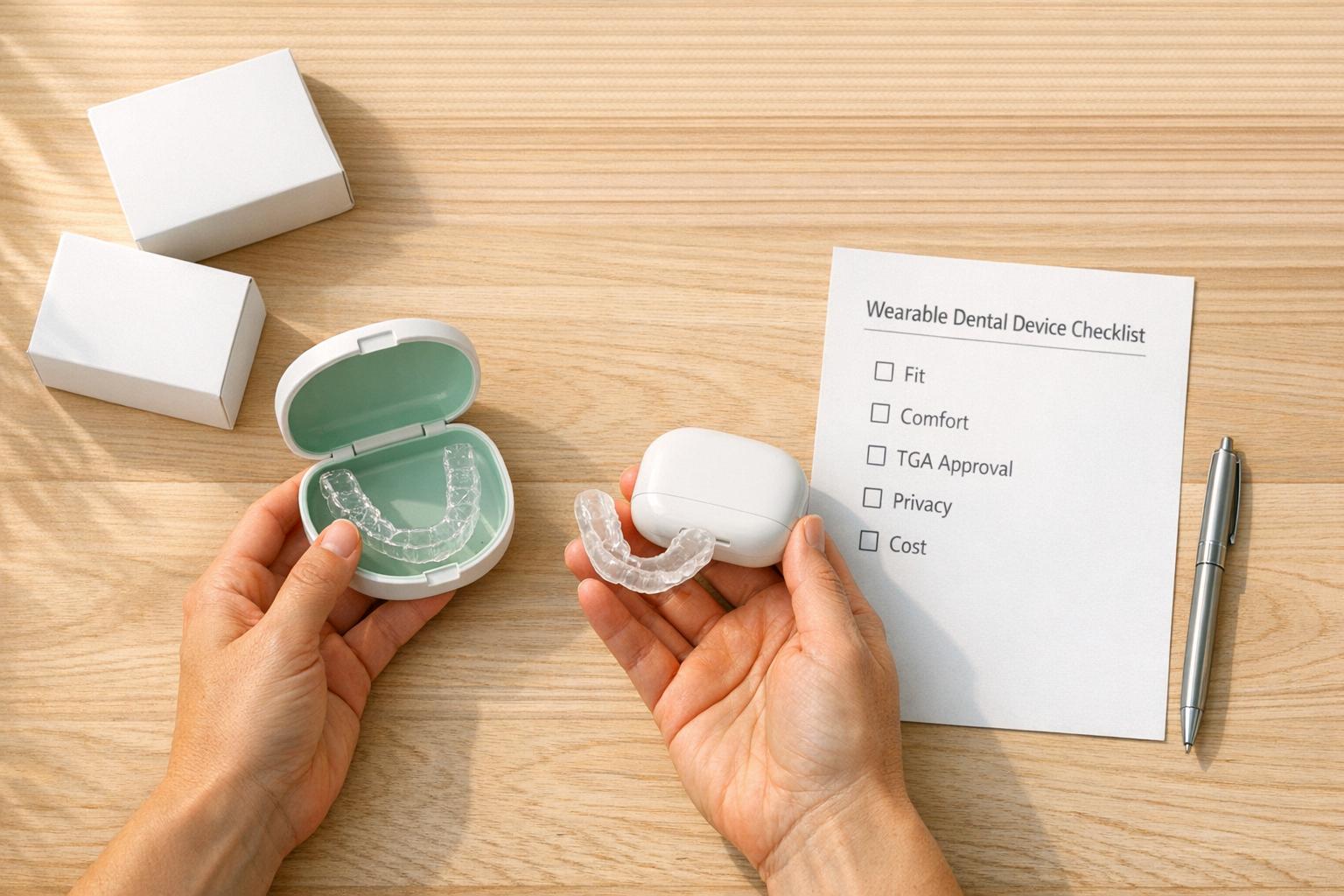
Checklist for Choosing Wearable Dental Devices
Checklist for Choosing Cloud AI Platforms in Dentistry
Complete Smiles Bella VistaAccepts All Major Health Funds, Including