





What Are Moisture-Tolerant Orthodontic Adhesives?
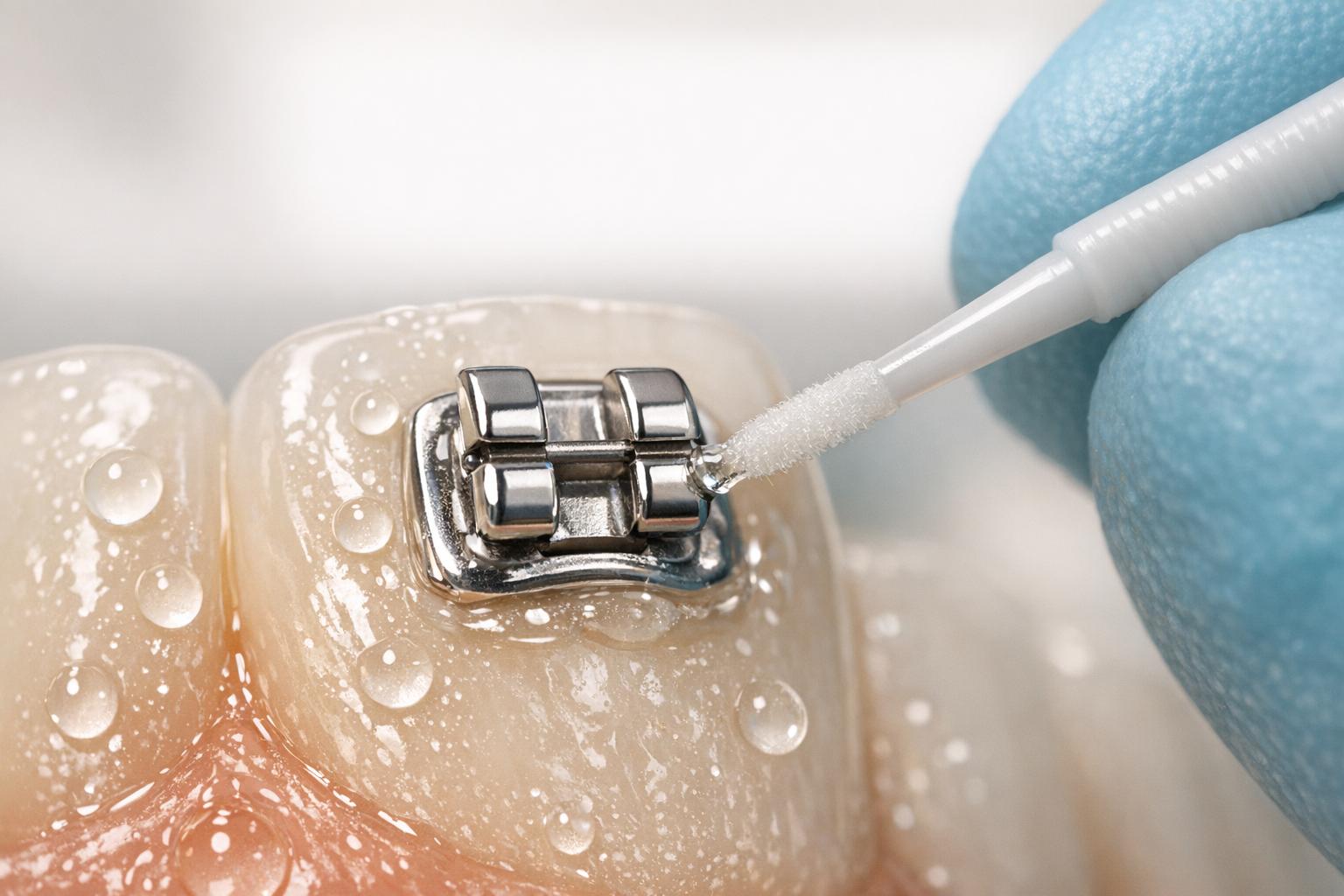
Moisture-tolerant orthodontic adhesives are designed to bond orthodontic brackets securely to teeth, even in the presence of moisture like saliva or gingival fluids. Unlike traditional adhesives that require a completely dry surface, these adhesives use hydrophilic monomers or special copolymers to maintain strong bonds in humid oral conditions. This makes them especially useful for challenging cases, such as bonding in posterior regions or working with patients who have high salivary flow.
Key Points:
- Two Types: Moisture-insensitive adhesives work in moist conditions, while moisture-active adhesives need some moisture to set.
- Why They Matter: Moisture contamination is a leading cause of bond failures, which occur in up to 12.3% of cases, especially within the first two months.
- Features:
- Strong bonding in wet environments.
- Simplified application process, often eliminating steps like separate priming.
- Some offer added benefits, like fluoride release or enamel protection.
- Common Options:
- Transbond MIP with Unite: Reliable bonding with a 7.3% failure rate.
- Assure Compomer: Fluoride-releasing but a higher failure rate (13.8%).
- Ormco EtchFree: Eliminates the etching step, reducing sensitivity risks.
Quick Comparison:
| Adhesive System | Key Features | Bond Failure Rate | Additional Benefits |
|---|---|---|---|
| Transbond MIP with Unite | Moisture-insensitive primer | 7.3% | Strong bonds, ionic bonding with enamel |
| Assure Compomer | Fluoride-releasing compomer | 13.8% | Reduces enamel demineralisation |
| Ormco EtchFree | No etching required | N/A | Simplified process, enamel preservation |
Moisture-tolerant adhesives simplify orthodontic bonding, improve reliability, and reduce the risk of bond failures in less-than-ideal conditions.
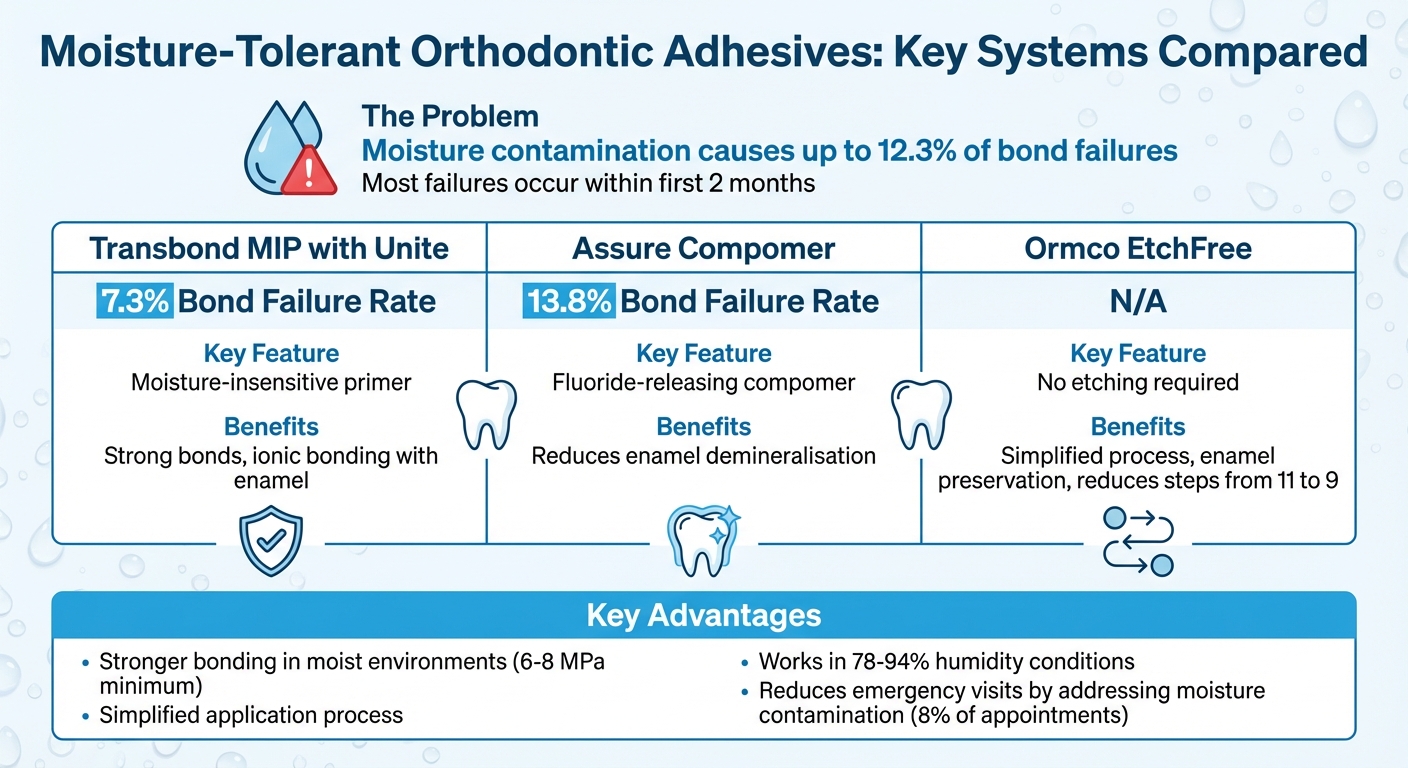
Moisture-Tolerant Orthodontic Adhesives Comparison: Bond Strength and Features
Why Moisture Control Matters in Orthodontic Bonding
Problems with Standard Orthodontic Adhesives
Standard orthodontic adhesives rely heavily on a completely dry surface to ensure a strong bond. The bonding process typically starts with acid etching, which creates tiny pores in the enamel. The adhesive resin seeps into these pores, forming mechanical tags that secure the bracket to the tooth surface. However, when moisture contaminates the area, it disrupts this process. Moisture dilutes the adhesive, traps water within the resin layer, interferes with polymerisation, and eventually weakens the resin’s mechanical integrity due to a plasticising effect. These issues lead to reduced bond strength, increased nanoleakage, and a higher likelihood of bond failure as treatment progresses [1][4][7].
"Moisture control is crucial during orthodontic bonding because moisture contamination of pretreated enamel can cause failure of the bond or weakening of the shear bond strength." – Pocket Dentistry [7]
This underscores the importance of addressing the limitations of traditional adhesives, particularly their sensitivity to moisture.
Why Moisture-Tolerant Adhesives Are Needed
The strict dryness required by standard adhesives presents a significant challenge in real-world orthodontic procedures. Achieving a completely dry environment in the mouth is often impractical, especially when treating children, bonding posterior teeth, or working with patients who have high salivary flow. Saliva contamination is difficult enough to manage, but blood contamination during bonding is even more problematic, often necessitating a complete redo of the tooth preparation process [7]. Studies also show that premolars are more prone to bond failure compared to incisors and canines, largely due to the difficulty of maintaining moisture control in posterior regions. These areas often lack the frosty, chalky enamel appearance that traditional systems rely on for successful bonding [2][6][7].
"It’s always been a problem in orthodontics to maintain our moisture control. We’re working on children and in small spaces. So having any product that helps us with that is a game changer." – Dr. Jennifer Messenger, Huntington Beach, CA [6]
Given these challenges, moisture-tolerant adhesives have become a crucial development in orthodontics. They address the gap between the ideal conditions required by traditional adhesives and the realities of clinical practice. By performing reliably even in less-than-perfect conditions, these adhesives offer a more dependable solution for orthodontic bonding, reducing the risk of failure and improving treatment outcomes.
sbb-itb-2be92ed
Main Features of Moisture-Tolerant Orthodontic Adhesives
Stronger Bonding in Moist Environments
Moisture-tolerant adhesives excel in bonding even when moisture is present, thanks to advanced chemical components that differ from traditional adhesives. Hydrophilic monomers like HEMA and functional monomers such as 10-MDP penetrate enamel and chemically bond with calcium, ensuring a secure hold in moist conditions [1][3][5]. These monomers carry the adhesive resin deep into the enamel’s microscopic pores, creating a mechanical interlock that strengthens the bond.
Some adhesives, such as those containing polyalkenoic acid copolymers (e.g., Vitrebond™), go a step further by forming ionic bonds with the tooth surface. This not only enhances adhesion but also improves sealing, reducing the risk of microleakage [3].
A unique category, water-activated adhesives, takes a different approach. Systems like Smartbond rely on water to initiate the bonding process. When water interacts with isocyanate groups, it triggers a chemical reaction that forms a polyurethane film, ensuring strong adhesion even in challenging conditions [1].
"HEMA is a multipurpose low molecular hydrophilic monomer that is specifically adept at penetrating and ‘wetting’ dentinal substrate." – MDPI Coatings [3]
Research highlights that a minimum bond strength of 6 to 8 MPa is essential for effective orthodontic treatment [1][8]. Moisture-tolerant adhesives are designed to consistently meet or surpass this threshold, even on slightly wet surfaces where conventional adhesives would fail. These properties not only improve reliability but also simplify the bonding process, as discussed further below.
Easier Application Process
One of the key benefits of moisture-tolerant adhesives is their ability to simplify the bonding procedure. Many of these systems are "all-in-one" or primerless, eliminating the need for the traditional multi-step process of etching, rinsing, drying, priming, and bonding [4][9]. This streamlined approach reduces chair time and lowers the risk of errors during application.
Unlike traditional adhesives that require a completely dry surface, moisture-tolerant systems can work effectively on blot-dry enamel, making the process more forgiving and efficient [4][5]. For instance, products like Transbond MIP use hydrophilic primers containing aqueous solutions, allowing direct application to moist enamel surfaces [1].
That said, proper air-drying still plays a critical role in achieving optimal bond strength. Clinicians should ensure the adhesive surface is air-dried for at least 10 seconds to remove any residual water or organic solvents. Failing to do so can trap water droplets or solvents in the adhesive layer, leading to weaker bonds [4].
Modern formulations have also moved away from HEMA, opting for methacrylamide monomers to improve stability. These HEMA-free adhesives prevent phase separation, where the adhesive splits into water-rich and resin-rich layers, ensuring consistent performance even in high humidity. Studies show that HEMA-free adhesives maintain stable bond strength in humidity levels as high as 90%, whereas HEMA-based adhesives perform poorly under the same conditions [3].
3M Transbond Family- The Best Orthodontic Bonding Systems
Common Moisture-Tolerant Orthodontic Adhesives
Moisture-tolerant adhesive systems address the challenges of bonding in the moist intraoral environment. These adhesives use specific chemical and procedural methods to ensure reliable performance, even in less-than-ideal conditions. Here’s a closer look at three leading systems widely used in orthodontics.
Transbond MIP with Unite
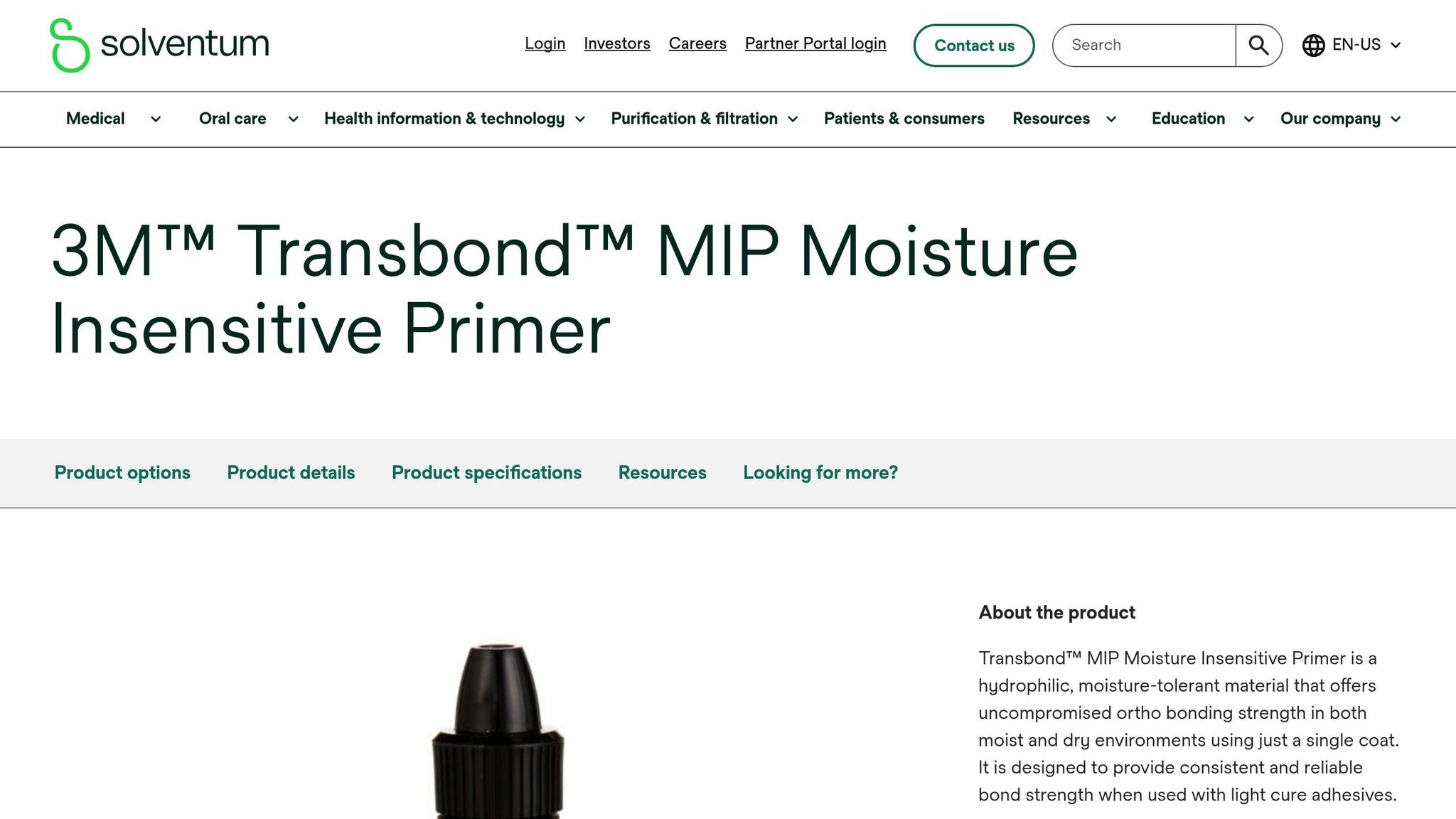
Transbond MIP (Moisture Insensitive Primer), developed by Solventum (formerly 3M), has become a trusted name in moisture-tolerant adhesives. Its single-coat application over etched enamel provides dependable bonding, even when water or saliva is present [2]. The primer is compatible with various light-cure adhesives, such as Transbond XT, Transbond LR, and the APC Adhesive Coated Appliance System.
When paired with the chemically-cured Unite adhesive, this system has shown excellent clinical results. A nine-month study reported a bond failure rate of just 7.3% [2]. The key lies in the primer’s methacrylate-functionalised polyalkenoic acid copolymer, which forms both mechanical and ionic bonds with enamel.
"The new moisture-resistant adhesive systems under study were found to be clinically efficient, though Assure exhibited a significantly higher bond failure rate than Unite and Transbond MIP." – A. Mavropoulos, School of Dentistry, Aristotle University of Thessaloniki [2]
This system is especially effective for bonding premolars, where bond failures are more likely. In contrast, the Assure Compomer system offers a fluoride-releasing, light-cured alternative with its own unique features.
Assure Compomer
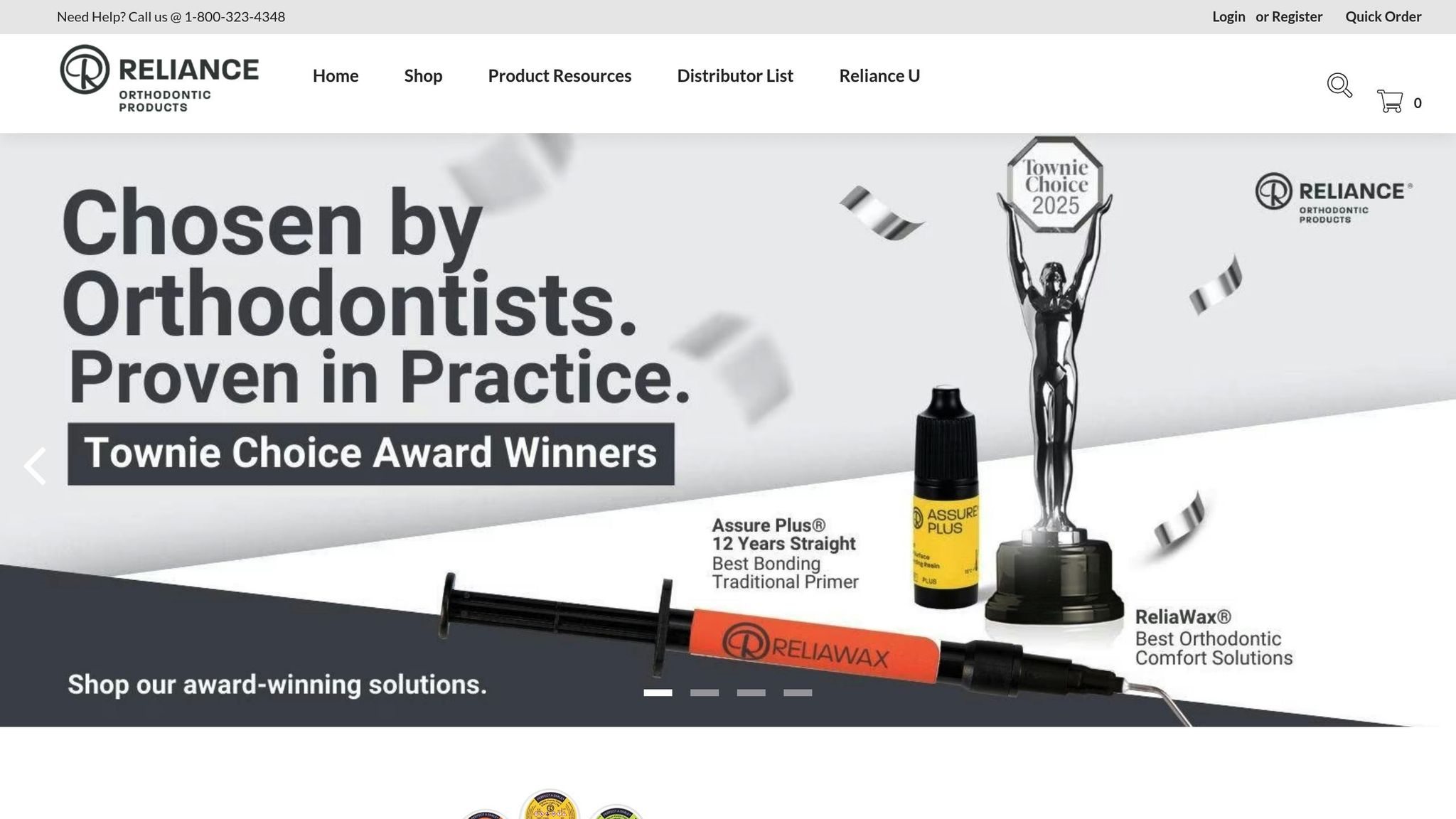
Assure, by Reliance Orthodontic Products, is a light-cured compomer adhesive designed for moisture tolerance and fluoride release. While it offers some advantages, such as reduced risk of white spot lesions and extended working time for precise bracket placement, its performance in clinical trials has raised concerns. In the same study comparing Transbond MIP and Unite, Assure recorded a bond failure rate of 13.8%, nearly double that of the Unite system [2]. This suggests a potential weakness at the adhesive–bracket interface.
Despite this, Assure’s fluoride-releasing properties make it appealing for patients prone to enamel demineralisation. For those seeking a streamlined bonding process, the Ormco EtchFree Bonding System offers an entirely different approach.
Ormco EtchFree Bonding System
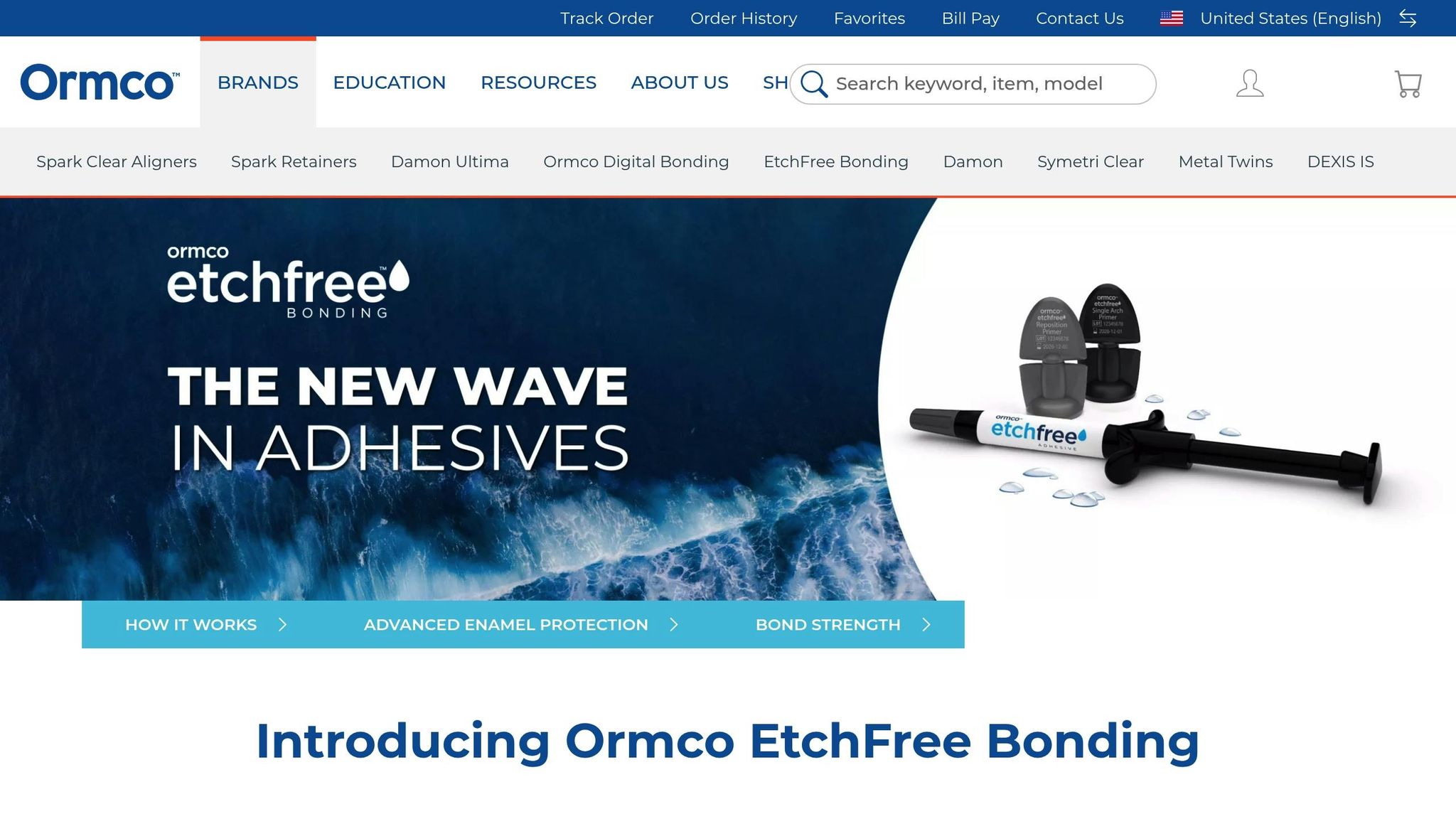
The Ormco EtchFree Bonding System simplifies the bonding process by eliminating the need for acid etching. By reducing the steps from 11 to around 9, it skips etching, rinsing, and drying altogether [6][11].
Instead of relying on resin tags for mechanical retention, EtchFree creates a chemical and ionic bond directly with enamel calcium. This preserves the enamel’s smooth surface and reduces risks such as post-debonding sensitivity or decalcification [6][11]. Its ability to perform well in both wet and dry conditions makes it particularly useful for paediatric patients or cases where maintaining dryness is difficult.
"No etching – you just brush on the primer and go. It’s easy to implement since there are fewer steps, and we’ve seen immediate improvements in efficiency and bond reliability." – Dr. Mark Coreil, Lafayette, LA [6]
Ormco EtchFree is compatible with metal and ceramic brackets, indirect bonding techniques, and clear aligner attachments. Its versatility and reduced technique sensitivity help minimise emergency visits caused by moisture contamination, which accounted for 8% of orthodontic appointments in 2022. Considering that each emergency repair visit can cost between A$100 and A$300, this system offers a practical way to save both time and money [11].
How Moisture-Tolerant and Standard Adhesives Compare
When deciding between moisture-tolerant and standard orthodontic adhesives, it’s important to consider how each performs under specific clinical conditions. Standard adhesives, like Transbond XT, are known for their strong bonding capabilities – but only if the enamel surface is kept completely dry during application. Their effectiveness hinges entirely on maintaining a moisture-free environment. A closer look at their performance reveals some key distinctions.
Clinical trials provide a clear comparison. The moisture-tolerant Unite system, when paired with Transbond MIP, showed a failure rate of 7.3%. In contrast, the moisture-tolerant compomer Assure had a higher failure rate of 13.8% [2]. These findings highlight that moisture-tolerant adhesives generally outperform traditional adhesives in environments where controlling moisture is a challenge.
Another important difference lies in where bond failures occur. Standard adhesives often fail at the enamel–adhesive interface, which can lead to issues like enamel cracking or chipping during bracket removal. On the other hand, moisture-tolerant systems tend to fail at the adhesive–bracket interface. This shift helps protect the enamel but does require more cleanup after debonding [2][8]. Adhesive Remnant Index (ARI) scores reflect this trade-off; higher ARI scores mean more adhesive remains on the tooth, which can safeguard the enamel but adds extra cleanup time [10].
The application process is another area where moisture-tolerant adhesives stand out. Standard systems involve multiple steps – etching, rinsing, drying, priming, and bonding – making them more technique-sensitive. In contrast, moisture-tolerant primers simplify the process by eliminating the need for a separate priming step and a perfectly dry surface.
"The main advantage of the one-step self-etching systems is that it is less technique sensitive than multi-step systems" – Yoon Lee, Yonsei University [4]
This streamlined workflow is especially useful when working in areas that are difficult to keep dry.
Both adhesive types are designed to achieve bond strengths between 5–10 MPa while avoiding excessive strengths of 40–50 MPa, which could compromise enamel. However, moisture-tolerant systems are more consistent in meeting these strength targets in practical, real-world conditions [10]. Their reliability under moist conditions gives them an edge, making them a valuable choice for improving treatment outcomes in challenging environments.
Clinical Research on Moisture-Tolerant Adhesives
Bond Strength and Durability
Clinical trials have shown that moisture-tolerant adhesives hold up well in orthodontic settings. For instance, a split-mouth study conducted at Aristotle University on 25 patients (covering 436 brackets over nine months) revealed a bond failure rate of 7.3% for the Unite with Transbond MIP system, compared to 13.8% for Assure [2].
Advancements in adhesive formulations have further enhanced their performance. In October 2024, Dr Kamal Dhruvkumar Hotchandani and his team at Bhaikaka University tested a modified version of the Transbond XT adhesive, incorporating 2 wt.% titanium tetrafluoride (TiF4). Using 120 extracted human premolars, they found the modified system achieved a mean shear bond strength of 19.5 MPa immediately after bonding and 17.9 MPa after thermocycling. In comparison, the standard Transbond XT recorded 18.2 MPa and 15.7 MPa under the same conditions. Beyond bond strength, the TiF4-modified adhesive also offered better enamel protection, reducing the demineralisation area to 1.2 mm² versus 1.8 mm² with the standard resin [13]. These findings highlight the potential for moisture-tolerant adhesives to deliver both durability and added enamel safety.
Treatment Results and Patient Satisfaction
The laboratory results are echoed in clinical settings, where moisture-tolerant adhesives show strong performance in improving treatment outcomes and patient satisfaction. Studies suggest that self-etch primers (SEP) and moisture-insensitive primers (MIP) maintain higher bond strength even when exposed to salivary contamination, outperforming conventional etching systems [12]. This reliability can mean fewer unexpected bracket failures during treatment, cutting down on emergency visits for patients.
Additionally, incorporating 0.2% chlorhexidine (CHX) into adhesives has been found to prevent bond strength degradation over time. In vivo research revealed a 35% drop in bond strength without CHX, whereas teeth treated with CHX maintained their strength [14]. These findings reinforce the role of moisture-tolerant adhesives in ensuring dependable bonding performance, even under challenging conditions.
Conclusion
Moisture-tolerant orthodontic adhesives offer a practical way to tackle one of the most common challenges in orthodontics: achieving reliable bonding in the presence of intraoral moisture. With humidity levels in the mouth typically ranging from 78% to 94% [3], these adhesives use hydrophilic monomers to maintain strong bonds even when exposed to saliva, blood, or gingival fluids.
Clinical evidence supports their effectiveness. For instance, a nine-month study found that Transbond MIP used with Unite had a bond failure rate of 7.3%, which was lower than the 13.8% failure rate observed with the Assure compomer system [2]. These adhesives not only improve bonding reliability but also simplify procedures by reducing variability caused by operator technique, especially in challenging conditions.
Some moisture-tolerant adhesives go a step further by helping to protect enamel from decalcification. Additionally, one-step self-etching systems streamline the bonding process, though ensuring a 10-second air-dry period remains critical for optimal results [4]. By addressing both performance and procedural issues, these adhesives have become an essential tool in modern orthodontics and cosmetic treatments.
FAQs
Are moisture-tolerant adhesives safe for my enamel?
Moisture-tolerant adhesives are specially formulated to work well in damp environments. When applied properly, they retain their bonding strength without risking the integrity of your enamel. Studies back up their performance and confirm they are safe for enamel when used as directed.
Will they stop brackets falling off completely?
Orthodontic adhesives that can handle moisture, including those with moisture-insensitive primers, are designed to ensure strong bonding even when moisture is present. This feature helps lower the chances of brackets coming loose during treatment. That said, no adhesive can guarantee brackets will never detach, as other factors like bite pressure and oral habits also contribute to the risk.
Which patients benefit most from moisture-tolerant adhesives?
Patients undergoing orthodontic bonding in conditions where moisture is a concern can greatly benefit from adhesives that tolerate moisture. These specialised adhesives are crafted to ensure durable bonds even when exposed to saliva or blood, providing dependable performance in less-than-ideal circumstances.
Related Blog Posts
- Chemical Adhesion in Dental Bonding: How It Works
- Ceramic Bracket Bonding: Adhesive Types Compared
- Bond Strength of CAD/CAM Materials with Adhesives
- Effect of Application Techniques on Bonding Success
Important Notice: Any surgical or invasive procedure carries risks. Before proceeding, you should seek a second opinion from an appropriately qualified health practitioner.
Individual results may vary. The information provided in this article is for educational purposes only and does not constitute medical advice.
Checkout Related Blogs




Get in touch with us
For more information, call us now to start feeling better. Or fill the form below to make appointment
The Latest News from Complete Smiles
How to Clean Clear Plastic Retainers
Checklist for Choosing Wearable Dental Devices
Checklist for Choosing Cloud AI Platforms in Dentistry

Complete Smiles Bella VistaAccepts All Major Health Funds, Including





