





What Is Crown Lengthening?
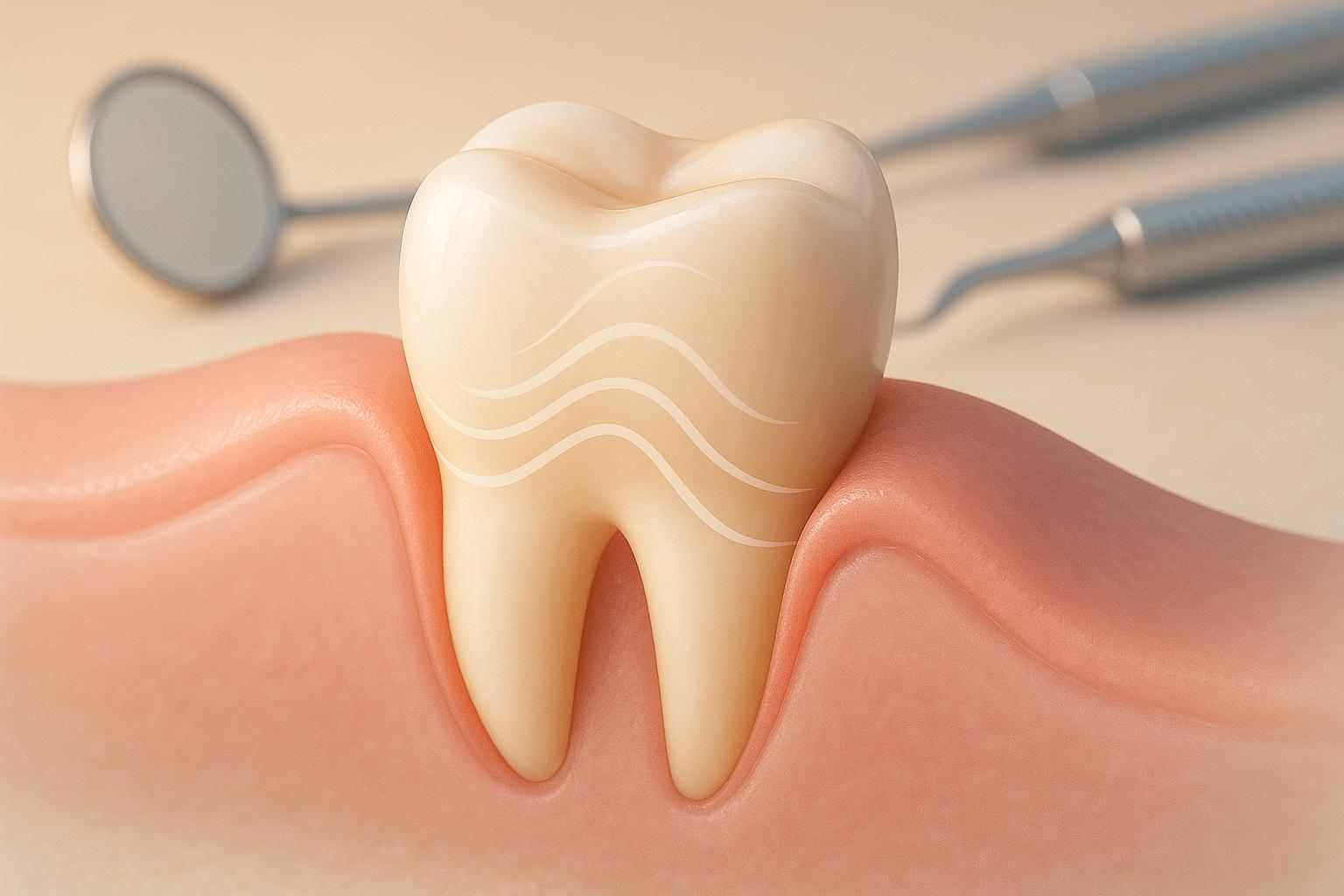
Crown lengthening is a dental procedure that adjusts the gum line to expose more of a tooth’s surface. It’s often used to prepare teeth for restorative treatments like crowns or to improve the appearance of a “gummy smile.” The process involves reshaping the gum tissue and sometimes the underlying bone, typically performed under local anaesthetic. Recovery takes several weeks, and the procedure offers both functional and cosmetic benefits, though it may involve temporary discomfort and sensitivity. Consult your dentist to determine if it’s right for you.
Reasons for Crown Lengthening
Restorative Reasons
Crown lengthening is often necessary when there’s not enough visible tooth structure to support restorative dental work. For example, if decay extends below the gum line, it can make treatment challenging. Similarly, teeth that are broken or fractured at or below the gum margin may require crown lengthening to allow for secure crown placement.
In cases where teeth have naturally short or worn crowns, there might not be enough surface area for a stable restoration. By removing excess gum tissue and reshaping a small amount of the underlying bone, dentists can create a "ferrule" – a band of healthy tooth structure above the gum line. This ferrule enhances the retention and durability of crowns, helps distribute biting forces more evenly, and reduces the risk of decay at the margins or early restoration failure. Without enough tooth structure, restorations may loosen or fail entirely, making crown lengthening a practical solution to save a compromised tooth. [1][2][4][6]
While crown lengthening is often performed for functional reasons, it also has cosmetic benefits.
Cosmetic Reasons
Crown lengthening can significantly improve the appearance of a smile. For individuals with a "gummy smile", where excess gum tissue hides much of the teeth, adjusting the gum line can reveal more of the tooth surface, creating the look of longer, more proportionate teeth.
This procedure is also helpful in correcting uneven gum lines, where some teeth appear longer or shorter than their neighbours. By carefully reshaping the gum tissue – and occasionally removing a small amount of bone – dentists can create a more balanced and symmetrical gum contour. In Australia, clinics like Complete Smiles Bella Vista often include cosmetic crown lengthening as part of a broader treatment plan, enhancing tooth shape and colour once the gum line has been refined. [2][3][6]
Dental crown lengthening ©
The Crown Lengthening Procedure
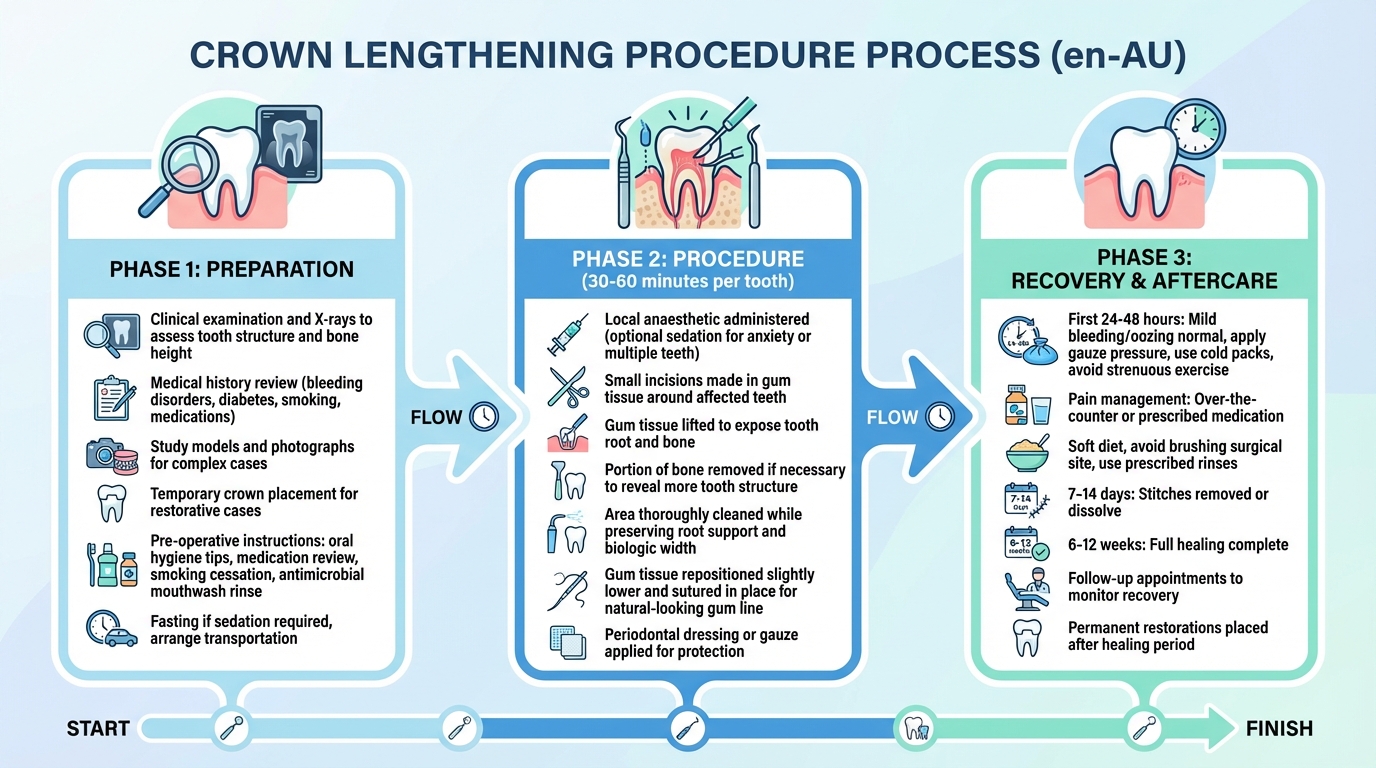
Crown Lengthening Procedure: Step-by-Step Process from Preparation to Recovery
Preparation for the Procedure
Before undergoing crown lengthening, your dentist will thoroughly assess your gums and teeth. This involves a clinical examination and X-rays to check the tooth structure, bone height, and any underlying issues that could impact the procedure [3].
Your medical history plays a key role in preparation. Conditions like bleeding disorders, diabetes, or habits such as smoking, as well as medications (especially blood thinners), are carefully reviewed since they can affect healing and increase surgical risks [3]. For more complex cases, such as correcting a gummy smile, your dentist might use study models and photographs to plan the ideal proportions of your teeth and gums. In restorative cases, a temporary crown may be placed beforehand to help the periodontist shape the gums for the final restoration [3].
You’ll also receive pre-operative instructions. These might include tips for maintaining oral hygiene, reviewing your medications with your GP, and quitting smoking to aid healing. If sedation is part of the plan, you may need to fast for several hours and arrange for someone to drive you home. Some clinics, like Complete Smiles Bella Vista, even suggest rinsing with an antimicrobial mouthwash, such as chlorhexidine, before surgery to minimise bacterial contamination [3].
How the Procedure Is Performed
Once all assessments are done and pre-operative steps are followed, the actual procedure begins. Crown lengthening is typically done as an outpatient procedure under local anaesthetic to numb the area [3]. For patients who feel particularly anxious or if multiple teeth are being treated at once, additional sedation options, such as oral or IV sedation, may be available.
During the procedure, the dentist or periodontist makes small incisions in the gum tissue around the affected teeth. This allows them to lift the tissue and expose the tooth root and bone. If necessary, a portion of the bone is removed to reveal more of the tooth structure [3]. For minor cases or aesthetic treatments, only the gum tissue may need reshaping. Throughout the process, care is taken to preserve the tooth’s root support and maintain a healthy biologic width, which is essential for preventing chronic inflammation. After thoroughly cleaning the area, the gum tissue is repositioned and sutured, often slightly lower on the tooth to create a natural-looking gum line. A periodontal dressing or gauze may be applied to protect the area during the initial healing phase. The entire procedure typically takes 30 to 60 minutes for a single tooth, though it may take longer if multiple teeth or significant bone reshaping is involved [3].
Recovery and Aftercare
Proper aftercare is crucial for a smooth recovery. Most patients can resume normal activities within 24 hours, but it’s best to avoid strenuous exercise for a few days to prevent bleeding and swelling [3]. Discomfort is usually mild to moderate and can be managed with over-the-counter pain relievers or prescribed medication. In some cases, your dentist might also recommend antibiotics or an antimicrobial mouth rinse. Slight bleeding or oozing is common during the first 24 to 48 hours, and gently applying pressure with gauze can help control this.
Stick to a soft diet, avoid brushing directly over the surgical site, and use any prescribed rinses as directed. Cold packs can be applied intermittently on the first day to minimise swelling. If you notice worsening symptoms, it’s important to contact your dentist [3].
Stitches are typically removed or dissolve on their own within 7 to 14 days, and full healing takes about 6 to 12 weeks. Follow-up appointments will be scheduled to monitor your recovery, remove sutures if needed, and adjust any temporary restorations. Permanent crowns, veneers, or other restorative work are usually placed after the healing period to ensure the restoration fits perfectly [3].
sbb-itb-2be92ed
Benefits and Risks of Crown Lengthening
Benefits
Crown lengthening offers practical advantages for both oral health and appearance. By exposing more of the tooth, it creates enough structure to support stable restorations like crowns, bridges, or fillings. This helps reduce the risk of these restorations loosening or trapping plaque along their edges, which could lead to further issues down the line [2][3][4]. Additionally, reshaping the gum – and sometimes bone – makes it easier to remove decay and maintain good oral hygiene, lowering the chances of recurring problems [2][3][6].
From a functional perspective, the procedure can often save a tooth that might otherwise need to be removed. Preserving the natural tooth helps maintain your bite and avoids more complex solutions like implants or bridges [4][6]. It also allows your dentist to prepare the tooth more precisely, improving the fit of restorations and reducing the likelihood of food and plaque building up – key factors for long-term success [3][4].
Aesthetically, crown lengthening can transform your smile by revealing more of the natural tooth surface. This creates a more balanced and proportionate appearance, especially if excessive gum tissue is making your teeth look shorter than they actually are [2][5][6]. Adjusting the gumline can align better with your facial features and lips, enhancing the overall look of your smile. Many patients report feeling more confident in photos and social settings because their teeth appear more even, and less gum is visible when they smile or laugh [1][5][6].
Possible Risks
While crown lengthening has its benefits, it’s important to weigh the potential risks. Short-term effects are common and include localised pain, swelling, and tenderness. These symptoms are usually manageable with over-the-counter or prescribed pain relief, and in some cases, antibiotics may be needed [1][3][4]. Mild bleeding or oozing from the surgical area is also typical for the first 24 to 48 hours [3][6]. Since more of the tooth and root is exposed, temporary gum sensitivity to hot and cold is expected, but this usually improves over a few weeks with healing and the use of desensitising toothpaste [1][3].
Less common risks include post-operative infections, which may require antibiotics or additional cleaning, particularly if oral hygiene isn’t maintained or if you smoke [1][3][6]. In rare cases, the tooth may feel slightly looser or become more sensitive long-term, especially if a significant amount of supporting bone was removed. These risks are typically factored into the treatment plan to minimise complications [2][4][6].
Another consideration is the cosmetic outcome. If the smile design isn’t carefully planned – particularly for front teeth where symmetry is essential – the final proportions of the tooth and gum may not meet expectations [2][5]. Occasionally, minor follow-up surgery might be needed to refine the gumline or address uneven healing. In rare instances, despite the procedure, a tooth may still be deemed unrestorable and require extraction [2][4][6].
Conclusion
Crown lengthening is a procedure that reshapes the gum tissue – and sometimes the underlying bone – to expose more of the tooth structure [2]. It’s often used to support dental restorations or to refine a gummy smile by creating a more balanced gumline [2]. This technique not only improves the fit and durability of restorations but also makes oral hygiene easier and enhances the overall appearance of your smile [2].
The procedure serves both functional and aesthetic purposes. However, like any oral surgery, it comes with potential risks. Some individuals may experience temporary discomfort, swelling, or sensitivity, while rare complications include infection or changes in tooth sensation. Whether crown lengthening is suitable depends on factors like the condition of your tooth structure, bone levels, gum health, and your personal aesthetic goals. It’s often just one part of a broader treatment plan that may involve crowns, veneers, implants, or orthodontics [2].
To determine the best approach for your needs, consult a qualified dentist or periodontist. They can assess your situation, address your concerns, and decide if crown lengthening – or another treatment – is the right choice for you. For instance, Complete Smiles Bella Vista offers crown lengthening as part of a comprehensive treatment plan to address both functional and cosmetic goals. Be sure to discuss treatment timelines, recovery expectations, and costs with your dentist to make an informed decision that supports your oral health and boosts your confidence.
FAQs
How long does it take to recover from a crown lengthening procedure?
Recovery from crown lengthening typically takes 2 to 4 weeks, though this can vary depending on how complex the procedure was. Many patients see noticeable healing within the first week, but it can take up to a month for everything to fully settle.
To aid the healing process, it’s crucial to stick to your dentist’s care instructions. This includes practising good oral hygiene and steering clear of hard or sticky foods that might interfere with recovery. If you experience ongoing discomfort or have any concerns during this period, don’t hesitate to reach out to your dentist for guidance.
What risks are involved with crown lengthening?
Crown lengthening is considered a safe dental procedure, but it’s not entirely without potential risks. Some of the possible side effects include gum recession, increased sensitivity to hot or cold, swelling, bleeding, and, although uncommon, infection or unintended damage to nearby teeth or tissues.
To help reduce these risks, your dentist will take careful precautions and make sure you’re well-informed about the process before moving forward. If you notice anything out of the ordinary – like persistent discomfort or signs of infection – don’t hesitate to reach out to your dentist for guidance.
Can crown lengthening help improve the look of my teeth and smile?
Crown lengthening is a procedure that can improve the look of your smile by reshaping your gum line to expose more of your teeth. This adjustment helps achieve better proportions and symmetry, giving your smile a more balanced and appealing appearance.
Beyond the cosmetic advantages, crown lengthening can also support oral health. By exposing more of the tooth, it makes cleaning easier and helps lower the chances of gum-related problems. If you’re thinking about this procedure, your dentist can evaluate your situation and discuss how it could work for you.
Related Blog Posts
- Research on Crown Lengthening Benefits
- How Dentists Assess Crown Lengthening Candidates
- 5 Steps of Flap Surgery Explained
- Soft Tissue Grafting: Aesthetic vs. Functional Goals
Important Notice: Any surgical or invasive procedure carries risks. Before proceeding, you should seek a second opinion from an appropriately qualified health practitioner.
Individual results may vary. The information provided in this article is for educational purposes only and does not constitute medical advice.
Checkout Related Blogs




Get in touch with us
For more information, call us now to start feeling better. Or fill the form below to make appointment
The Latest News from Complete Smiles
How to Clean Clear Plastic Retainers
Checklist for Choosing Wearable Dental Devices
Checklist for Choosing Cloud AI Platforms in Dentistry

Complete Smiles Bella VistaAccepts All Major Health Funds, Including





