





How Dentists Assess Crown Lengthening Candidates
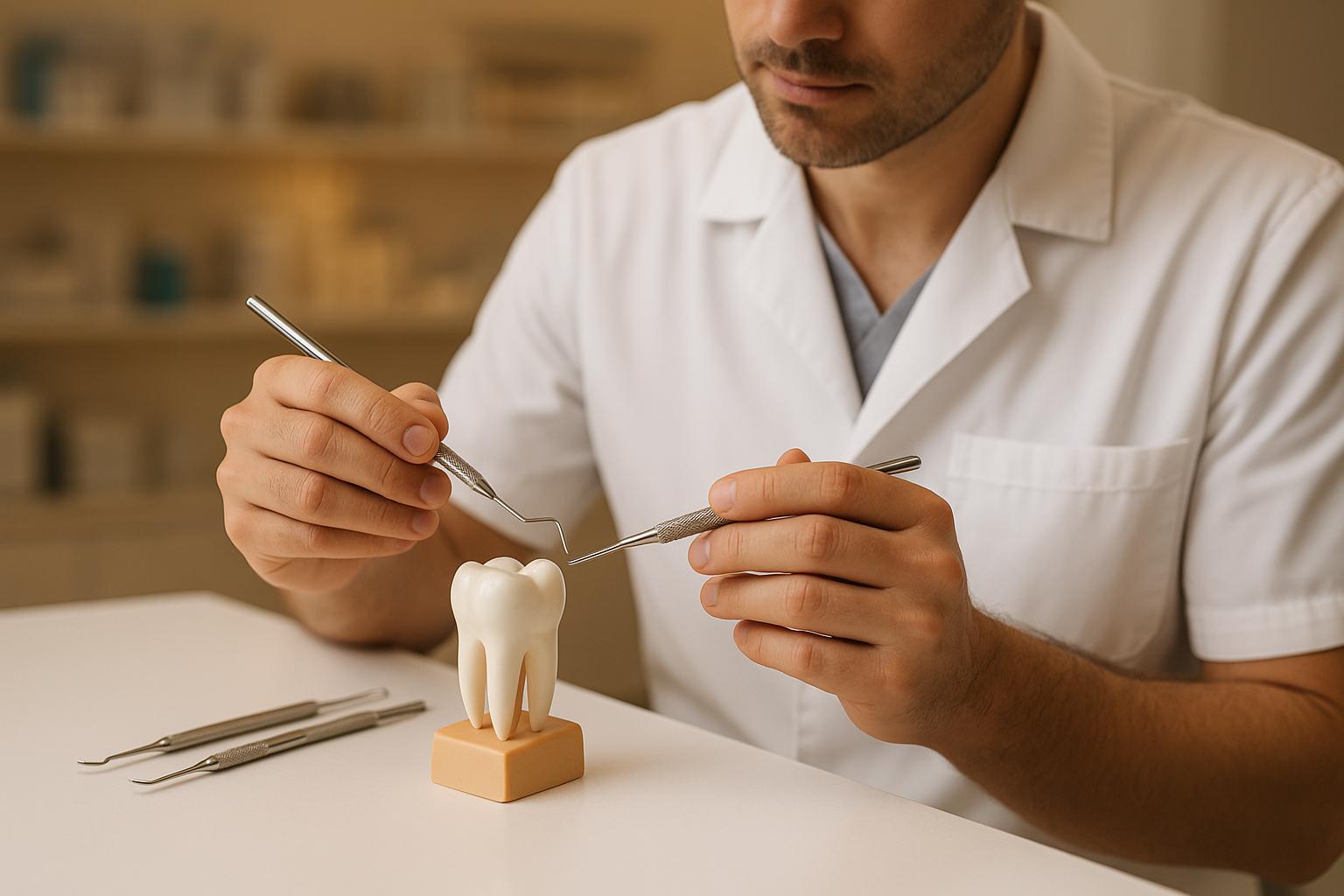
Crown lengthening is a surgical procedure that adjusts gum and, sometimes, bone tissue to expose more of a tooth. It’s typically done for two reasons: to prepare for dental restorations or improve the appearance of a "gummy" smile. However, not everyone is a suitable candidate. Dentists carefully assess factors like gum health, tooth structure, and bone levels to determine if the procedure is appropriate.
Key points to keep in mind:
- Purpose: Functional (for dental work) or aesthetic (for smile improvement).
- Assessment criteria: Periodontal health, biological width, crown-to-root ratio, and gum thickness.
- Diagnostic tools: Clinical exams, X-rays, periodontal probing, and sometimes study models.
- Risks: Potential complications include sensitivity, poor healing, and gum inflammation if the biological width is compromised.
- Alternatives: In some cases, orthodontics or gum contouring may be better options.
Dentists also ensure patients understand the recovery process, risks, and realistic outcomes before proceeding. This thorough evaluation ensures the procedure, if performed, is safe and effective.
40 Minutes Crown Lengthening Tutorial with Reena Wadia – PDP079

When Crown Lengthening is Needed or Not Recommended
Determining whether crown lengthening is necessary plays a crucial role in planning dental treatments. This procedure is typically recommended when there isn’t enough tooth structure to securely support a crown. Such decisions are made during a thorough diagnostic evaluation, as discussed earlier. Here’s a closer look at when crown lengthening is appropriate and when it’s best to avoid it.
Common Reasons for Crown Lengthening
Crown lengthening is often performed in cases where decay or fractures occur near the gum line. These issues can leave too little healthy tooth structure for a crown to be securely placed. By exposing more of the tooth, the procedure ensures there’s enough surface for the crown to fit properly and remain stable over time.
When Crown Lengthening Should Be Avoided
Crown lengthening isn’t necessary if there’s already sufficient tooth structure available. A clinical evaluation will help determine whether the procedure is needed and if the potential benefits outweigh any risks. If the existing tooth structure is adequate, the procedure should be avoided.
Diagnostic Methods and Assessment Steps
Dentists rely on a variety of diagnostic methods to determine if a patient is a good candidate for crown lengthening. By combining visual assessments, advanced imaging, and precise measurements, they get a comprehensive understanding of the patient’s oral health.
Diagnostic Tools Used
A clinical examination is the first step in assessing crown lengthening needs. This involves a visual check to evaluate tissue health and the condition of the tooth structure. It also helps determine how much of the tooth extends above the gum line.
Periapical X-rays are another critical tool. These images provide detailed insights into the tooth root’s position, the level of supporting bone, and any hidden decay. They help dentists understand how the tooth interacts with surrounding structures, which is vital for planning the procedure.
Periodontal probing measures the depth of gum pockets around the tooth. Using a thin, calibrated tool, dentists gently probe the area to assess gum health and identify how much tissue might need to be removed. This step is also important for spotting gum disease, which could complicate the procedure.
In some cases, study models are created to provide a three-dimensional view of the patient’s bite and tooth alignment. These models allow dentists to examine the tooth from multiple perspectives and plan a more effective approach.
Together, these tools provide the detailed information needed to make accurate clinical measurements and ensure the procedure is well-planned.
Clinical Measurements and Factors
After gathering imaging and probing data, dentists focus on key clinical measurements to guide their decisions.
The biological width, typically 2.0–3.0 mm, is measured to ensure the gum and bone maintain their health after surgery.
The crown-to-root ratio is another important factor. This measurement compares the visible crown of the tooth to the length of its root. A balanced ratio ensures the tooth will remain stable after the procedure. If too much root would be exposed, alternative treatments may be recommended.
Gum tissue thickness and bone level are assessed through periodontal probing and X-rays. These measurements help determine how much tissue can be safely removed without risking the tooth’s stability. Thicker gum tissue often requires more removal but generally heals more predictably. The distance between the gum line and the bone also influences how much tissue can be safely adjusted.
Adjacent teeth are also considered to maintain a symmetrical and functional gum line. Dentists evaluate these neighbouring teeth to ensure the results look natural and align properly.
For teeth that are visible when smiling, aesthetic factors are especially important. Dentists take into account the patient’s lip line, the amount of gum visible when smiling, and overall facial proportions to ensure the final result blends seamlessly with the patient’s smile.
These detailed measurements and assessments are essential for creating an effective treatment plan and discussing options with the patient.
sbb-itb-2be92ed
Creating Treatment Plans and Patient Discussions
After completing diagnostics, dentists craft a personalised treatment plan and ensure patients fully understand the procedure.
Developing the Treatment Plan
A treatment plan carefully balances restorative goals with surgical techniques. It outlines the extent of soft-tissue, and if necessary, bone removal, while prioritising the preservation of biological width. Aesthetic adjustments, especially to the gum line, are a key focus in areas that are visible when smiling. Restorative work begins only after a six- to eight-week healing period.
When working on front teeth, aesthetics take centre stage. Dentists consider factors like the patient’s smile line, facial proportions, and the symmetry of adjacent teeth to ensure the final outcome looks natural and harmonious. For patients with a high smile line, where more gum tissue is visible when they smile, the plan may involve adjustments across multiple teeth to maintain a balanced appearance.
This detailed plan lays the groundwork for comprehensive discussions with the patient.
Discussing the Procedure with Patients
Dentists take time to explain the procedure, recovery process, and potential risks to ensure patients provide informed consent.
Recovery timeline discussions are crucial for helping patients prepare. Dentists explain what to expect immediately after the procedure, including minor bleeding and discomfort during the first 24-48 hours. They also provide an overview of the healing process during the first week and the full recovery timeline leading up to restorative treatment [1][2].
Immediate aftercare instructions are given to promote proper healing. Patients are advised to manage minor bleeding with gauze and light pressure, reduce swelling with cold compresses during the first 24-48 hours, and avoid strenuous activities during the initial recovery phase [1][2].
Pain management is another key topic. Dentists discuss prescribed pain relief options and recommend suitable over-the-counter medications. They stress the importance of following dosage instructions and explain when to contact the dentist if pain persists or becomes severe [1][2].
Oral hygiene guidance is tailored to the sensitivity of the surgical site. Patients are instructed to avoid brushing the treated area for several days, using antimicrobial rinses instead. Gentle brushing and flossing of unaffected areas should continue as normal, along with any special care instructions [1][2].
Dietary advice helps prevent complications during the healing process. Dentists recommend soft, non-irritating foods like yoghurt and mashed potatoes for the first few days. Patients are warned to avoid hard, crunchy, sticky, spicy, or acidic foods, and to skip using straws to prevent suction-related issues [1][2].
Risk discussions ensure patients are aware of both common and rare complications. Dentists explain typical side effects such as swelling, tenderness, mild bleeding, and tooth sensitivity, clarifying whether these are temporary or more lasting. Rare but serious risks like infection, excessive bleeding, gum recession, bone loss, and scarring are also addressed, along with measures taken to minimise these risks [1][2][3].
Clear instructions are provided on when to seek additional help. Patients are advised to contact their dentist immediately for issues like persistent or excessive bleeding, severe pain unrelieved by medication, signs of infection (e.g., fever, pus, or excessive swelling), unexpected gum recession, or changes in gum shape [2][3].
The importance of follow-up appointments is highlighted. These visits are essential for monitoring healing, removing stitches, addressing concerns, adjusting care routines, and preparing for the next steps of treatment [2].
Conclusion
Crown lengthening assessment involves a detailed evaluation that considers oral health, anatomical factors, aesthetics, and the body’s ability to heal. This thoughtful process lays the groundwork for precise diagnostics and effective treatment planning.
Key diagnostic tools – like clinical measurements, X-rays, and periodontal probing – help identify the right candidates while highlighting potential risks. This ensures that unnecessary procedures are avoided and that patients entering treatment have clear, realistic expectations.
Each assessment is tailored to the individual. Elements such as biological width, bone levels, gum thickness, and the smile line guide the best approach for each case. For instance, aesthetic goals for front teeth often require a different strategy compared to the functional needs of back teeth.
Beyond the technical aspects, patient education plays a crucial role. Clear communication about the procedure, recovery period, and potential risks helps patients feel informed and prepared. Understanding the six- to eight-week healing timeline and the necessary post-operative care empowers patients to stay committed to their treatment plan.
By maintaining high standards for candidate selection and diagnostics, clinicians can achieve reliable outcomes while prioritising patient safety. This thorough evaluation process ensures crown lengthening is performed only when it’s clinically appropriate and likely to succeed.
Ultimately, patients can feel confident knowing every detail has been carefully considered to ensure safe and predictable results.
FAQs
How do dentists determine if crown lengthening is right for me?
When dentists consider crown lengthening, they examine a range of factors to determine if it’s the right option for you. Key among these is the overall health of your gums and bone structure – there must be no signs of periodontal disease. Additionally, the procedure requires enough healthy gum tissue and bone to properly support the tooth after the treatment.
Other important aspects include the distance between the tooth’s restoration margin and the bone, the width of the keratinised gum tissue, and the crown-to-root ratio. Dentists also assess the shape of the tooth roots, gum thickness, and the type of gum tissue. These detailed evaluations ensure the treatment is tailored to your specific oral health needs, setting the stage for effective and lasting results.
What are the alternatives if I’m not eligible for crown lengthening?
If crown lengthening isn’t the right option for you, there are other approaches to explore. Non-surgical techniques like deep margin elevation or biologic shaping can help reveal more of the tooth structure without the need for surgery. For a less invasive route, laser-assisted crown lengthening might be an option worth considering.
In situations where saving the tooth isn’t feasible, treatments such as tooth extraction followed by a dental implant or a bridge could be suggested. Your dentist will carefully evaluate your case and guide you towards the best treatment to support your oral health.
What is the recovery process like after a crown lengthening procedure?
Recovery from a crown lengthening procedure generally starts with an initial healing phase lasting about 2–3 weeks. During this period, maintaining good oral hygiene is key. To minimise sensitivity, steer clear of foods that are too hot or cold, and be sure to follow the care instructions provided by your dentist. It’s normal to experience swelling and tenderness, especially in the first 48 hours. These symptoms can often be eased with cold compresses and sticking to a soft-food diet.
Although most people can return to their usual activities within a few days, it can take up to 3 months for full healing and tissue stabilisation. Regular follow-up appointments are crucial to track your recovery, ensure everything is healing properly, and remove any stitches if necessary. Your dentist will be there every step of the way, helping you navigate the recovery process for the best results.
Related Blog Posts
- Guide to Choosing the Right Cosmetic Dental Treatment
- Flapless Implant Surgery: Benefits and Process
- Soft Tissue Grafting: Indications Explained
- Research on Crown Lengthening Benefits
Important Notice: Any surgical or invasive procedure carries risks. Before proceeding, you should seek a second opinion from an appropriately qualified health practitioner.
Individual results may vary. The information provided in this article is for educational purposes only and does not constitute medical advice.
Checkout Related Blogs



Get in touch with us
For more information, call us now to start feeling better. Or fill the form below to make appointment
The Latest News from Complete Smiles
How to Clean Clear Plastic Retainers
Checklist for Choosing Wearable Dental Devices
Checklist for Choosing Cloud AI Platforms in Dentistry

Complete Smiles Bella VistaAccepts All Major Health Funds, Including