





Research on Interdental Sticks: What Studies Show

Interdental sticks are small tools designed to clean between teeth, helping to remove plaque and reduce gum inflammation. Studies show they are effective when used correctly, complementing regular brushing to prevent gum disease. Choosing between wooden and plastic sticks depends on your needs:
- Wooden sticks: Slightly abrasive for plaque removal, biodegradable, but may splinter.
- Plastic sticks: Durable, gentle on gums, and reusable, though not biodegradable.
For best results:
- Use the right size for your teeth.
- Clean daily with a gentle rocking motion.
- Seek advice from your dentist to ensure proper use.
Interdental sticks are a simple, compact addition to your oral hygiene routine that can significantly improve gum health when paired with regular brushing and dental check-ups.
Interdental brushes | a patient’s guide
Research on How Well Interdental Sticks Work
Research shows that interdental sticks are an effective tool for cleaning between teeth. However, their performance can vary depending on factors like design, materials, and how regularly they’re used. Let’s take a closer look at how they perform in plaque removal and their impact on gum health.
How Well They Remove Plaque
Clinical studies highlight that interdental sticks can successfully remove plaque from those hard-to-reach spaces between teeth. When compared to other methods like dental floss, their effectiveness depends on specific design features. For example, the material – whether it’s wood or plastic – and whether the stick is tapered or straight can significantly impact how well it cleans. Using a gentle, controlled technique is key to achieving the best results.
Effects on Gum Health
Regular use of interdental sticks has been shown to reduce gum inflammation and bleeding over time. While they can help maintain gum health, it’s important to remember they’re primarily a preventive tool. They’re not a replacement for professional periodontal care, especially when more advanced treatment is required. Instead, they work best as part of a consistent oral hygiene routine.
Wooden vs Plastic Interdental Sticks: Pros and Cons
Deciding between wooden and plastic interdental sticks comes down to understanding their unique characteristics. Each type has its own strengths and weaknesses, making them suitable for different needs and preferences.
Comparing Features
Research highlights some key differences between the two materials, helping users make informed choices.
Wooden interdental sticks are known for their slightly abrasive texture, which can help in scraping away plaque. This micro-texture provides a gentle friction that some users find effective. However, there’s a risk of splintering if too much force is applied, particularly around sensitive gum areas. Wooden sticks also absorb moisture, which gives them a distinctive feel that many people find comfortable.
Plastic interdental sticks, on the other hand, are praised for their durability. They hold their shape well and are less likely to break, making them a safer option for those with delicate gums or for beginners. Their smooth surface is gentle on gum tissues, though it may not be as effective as wooden sticks at removing hardened plaque.
From an environmental perspective, wooden sticks are biodegradable and often made from sustainable materials, though they tend to be more expensive. Plastic sticks are generally more affordable and recyclable, but they are not biodegradable.
| Feature | Wooden Sticks | Plastic Sticks |
|---|---|---|
| Plaque removal | Textured for effective cleaning | Smooth, less abrasive |
| Durability | May splinter under pressure | Strong and break-resistant |
| Comfort | Absorbs moisture, unique texture | Smooth and gentle on gums |
| Environmental impact | Biodegradable, sustainably made | Recyclable, not biodegradable |
| Cost | Higher price | More budget-friendly |
Research-Based Recommendations
When choosing between wooden and plastic interdental sticks, it’s essential to consider your oral health needs. Studies suggest that wooden sticks may be ideal for people with healthy gums and moderate plaque build-up, as the textured surface provides effective cleaning. On the other hand, those with sensitive gums or conditions like gingivitis might prefer the gentler action of plastic sticks to avoid irritation.
How often you use interdental sticks also matters. Daily users might benefit from the softer touch of plastic sticks to prevent overstimulation, while occasional users could find the robust cleaning of wooden sticks more suitable.
Regardless of the material, proper technique is crucial. Many dental professionals recommend starting with plastic interdental sticks, as they are easier to use and less likely to cause discomfort. Once confident with the cleaning process, users can explore wooden options for a more thorough clean.
sbb-itb-2be92ed
How to Use Interdental Sticks Properly
Using interdental sticks the right way can make a big difference in your oral hygiene routine. When done correctly, they help clean effectively and avoid irritating your gums.
Correct Usage Techniques
Choose the right size. The stick should fit snugly but not require force to insert. If it feels tight, it’s likely too big.
Use a gentle rocking motion. Instead of scrubbing harshly, insert the stick at a slight angle, following the curve of your gum line. It should glide between your teeth without causing pain. Slowly move it in and out to clean both tooth surfaces.
Keep movements light and controlled. This helps remove plaque without damaging enamel or irritating your gums.
Clean every interdental space. Pay special attention to the back teeth, as these areas often collect more plaque.
Use them once a day. For best results, clean with interdental sticks before brushing with fluoride toothpaste. This allows the fluoride to reach freshly cleaned areas.
Replace as needed. Wooden sticks should be discarded after one use, while plastic ones should be replaced when they show wear.
Watch for signs of trouble. If you notice bleeding, persistent discomfort, or receding gums, stop using the sticks and consult a dental professional.
Getting the hang of these techniques can make interdental cleaning a seamless part of your daily routine. And when in doubt, your dentist can provide guidance tailored to your needs.
Getting Advice from Dental Professionals
Even with the best technique, professional advice ensures your interdental cleaning is safe and effective. Dentists can evaluate your gum health, tooth spacing, and any specific oral conditions to recommend the right tools and methods.
Personalised advice matters. Everyone’s needs are different, especially if you have gum recession, braces, dental work, or conditions like periodontal disease. A dental professional can help you navigate these variables.
Regular check-ups are key. These visits allow your dentist to review your cleaning technique and suggest improvements. They can also demonstrate proper usage if you’re unsure.
Special considerations may apply. If you have diabetes, take certain medications, or have a weakened immune system, your dentist can tailor your cleaning routine to address these factors.
Practices like Complete Smiles Bella Vista offer detailed assessments of your oral health and provide customised recommendations for interdental cleaning. They take into account your overall dental health, lifestyle, and any specific risk factors to create a routine that works for you.
Consistent monitoring helps. Regular dental visits ensure your cleaning routine remains effective as your oral health evolves. They also allow your dentist to catch and address potential issues early. Research supports the role of interdental sticks in reducing plaque and maintaining gum health, making them a valuable addition to your care routine when used correctly.
Conclusion
Interdental sticks can play an important role in maintaining oral health. Research indicates they help control plaque and promote healthier gums when used consistently.
It’s essential to pick a product that matches your specific needs and to use it correctly to prevent gum irritation. Seeking advice from a dental professional can make a big difference in achieving the best results.
Incorporating interdental sticks into your routine complements regular brushing and dental check-ups, creating a well-rounded approach to oral hygiene.
FAQs
What are the differences between wooden and plastic interdental sticks for plaque removal?
Research indicates that plastic interdental sticks tend to do a better job at removing plaque, especially in those hard-to-reach, tight spaces. Their precise design makes them a reliable choice for thoroughly cleaning between teeth.
Meanwhile, wooden interdental sticks are less effective at tackling plaque but can be helpful in reducing gum inflammation. They’re particularly useful for minimising bleeding and supporting gum health, even though they don’t match the plaque-removal capabilities of their plastic counterparts.
Each type has its own advantages, so the best choice depends on your specific needs and preferences. For tailored advice, it’s always a good idea to check in with your dentist or oral health professional.
How do I choose the right size interdental stick for effective and comfortable cleaning?
Choosing the right size interdental stick is key to keeping your teeth clean and your gums healthy. Begin with the smallest size and gently slide it between your teeth. It should fit snugly – neither too tight nor too loose – and should never feel forced or cause discomfort.
The right fit ensures effective cleaning without irritating your gums or teeth. A properly sized stick helps remove plaque thoroughly while protecting your gum health. If you’re uncertain about the size you need, your dentist or dental hygienist can offer personalised advice.
Are there situations where interdental sticks might not be suitable or should be used carefully?
Interdental sticks might not be the best option for individuals dealing with sensitive gums, severe gum disease, or noticeable inflammation. Using them incorrectly in these situations could lead to further irritation or discomfort.
If you’re unsure about whether interdental sticks are right for you, it’s a good idea to talk to your dentist. They can guide you towards the safest and most effective tools and methods to protect your oral health without causing additional issues.
Related Blog Posts
- Step-by-Step Flossing Guide for Beginners
- Chlorhexidine Mouthwash: Benefits and Risks
- How Smart Toothbrushes Improve Oral Hygiene
- Chemical vs. Mechanical Plaque Control
Important Notice: Any surgical or invasive procedure carries risks. Before proceeding, you should seek a second opinion from an appropriately qualified health practitioner.
Individual results may vary. The information provided in this article is for educational purposes only and does not constitute medical advice.
Checkout Related Blogs



Get in touch with us
For more information, call us now to start feeling better. Or fill the form below to make appointment
The Latest News from Complete Smiles
How to Clean Clear Plastic Retainers
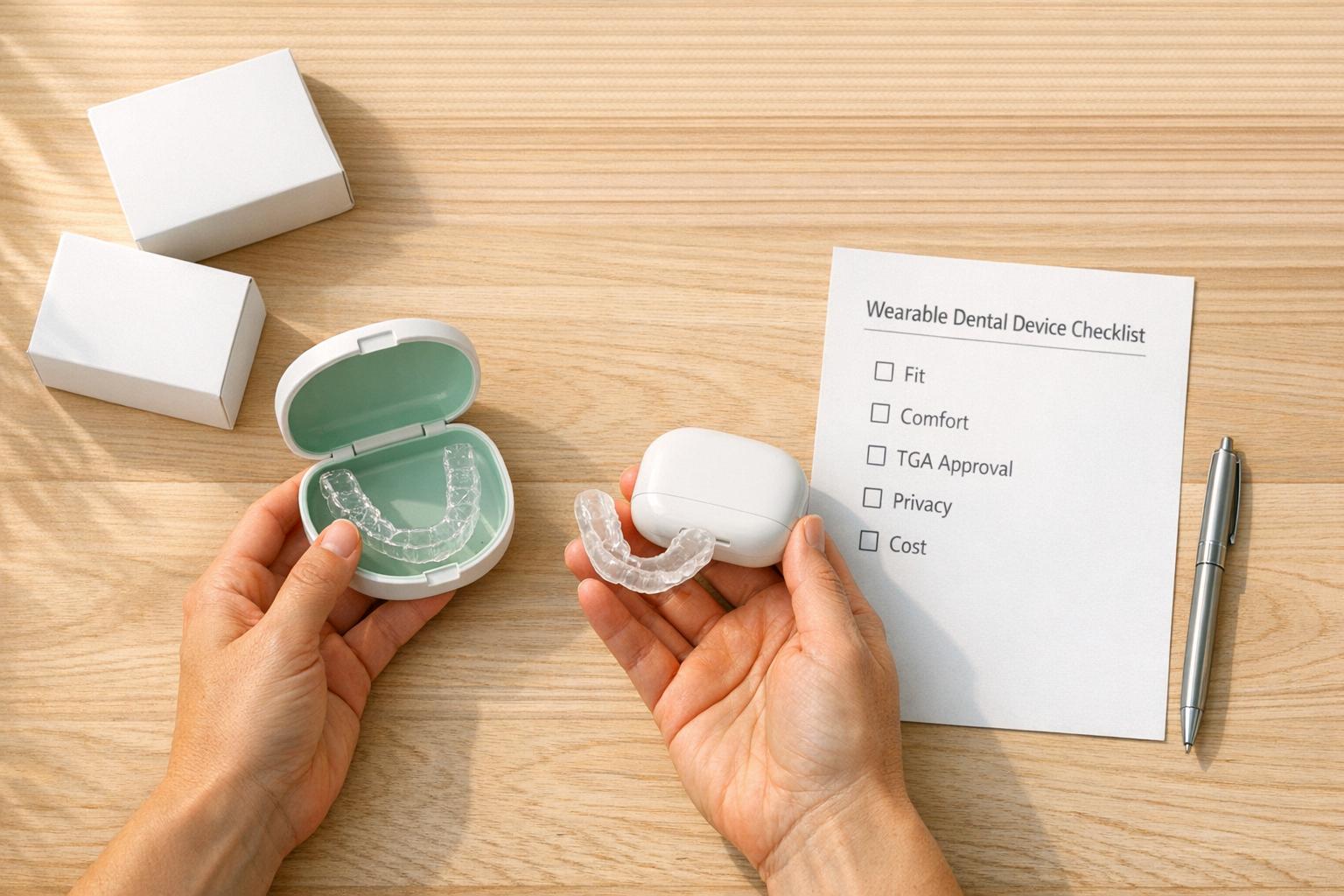
Checklist for Choosing Wearable Dental Devices
Checklist for Choosing Cloud AI Platforms in Dentistry

Complete Smiles Bella VistaAccepts All Major Health Funds, Including