




Chlorhexidine Mouthwash: Benefits and Risks

Chlorhexidine mouthwash is a powerful option for managing gum disease, but it comes with both benefits and drawbacks. It effectively reduces harmful bacteria, controls gingivitis, and supports healing after dental procedures. However, prolonged use can lead to tooth staining, tartar build-up, and temporary taste changes. It’s best used short-term under a dentist’s guidance.
Key Points:
- Benefits: Reduces bacteria, manages gingivitis, prevents plaque, and aids post-surgery recovery.
- Risks: Tooth staining, tartar build-up, temporary taste changes, and rare allergic reactions.
- Usage Tips: Follow your dentist’s instructions, avoid long-term use, and maintain good oral hygiene to minimise side effects.
Chlorhexidine is not a daily-use product for everyone. Always consult your dentist to ensure it fits your oral health needs.
Benefits of Chlorhexidine Mouthwash
Antibacterial Properties
Chlorhexidine mouthwash is highly effective at reducing harmful bacteria in the mouth. Its active ingredient works by binding to bacterial cell walls, disrupting their membranes. At low concentrations, it inhibits bacterial growth, while at higher concentrations, it actively kills bacteria [4][5].
What sets chlorhexidine apart is its broad-spectrum activity. It targets both Gram-positive and Gram-negative bacteria, along with certain fungi and viruses [4][6]. Studies have shown that it can eliminate nearly 100% of these bacteria within just 30 seconds [7].
"Chlorhexidine has become the ‘it’ antiseptic. We are using it on medical devices and for skin preparation prior to procedures. It is well tolerated by patients and is a true life-saver in terms of prevention of infection and multi-drug resistant organisms." – Keith S. Kaye, MD, MPH [7]
Another key advantage is its ability to adhere to oral surfaces, providing extended protection for up to 12 hours. This long-lasting action helps prevent bacterial adhesion even hours after rinsing [4][6]. These properties make it a powerful tool for managing gingivitis and other oral health issues.
Gum Disease Management
For those dealing with gingivitis, chlorhexidine mouthwash offers a reliable treatment option. Clinical studies reveal that consistent use for 4 to 6 weeks can reduce gingivitis scores on the Gingival Index scale by 0.21 points compared to placebo treatments [3]. This improvement comes from its ability to lower bacterial levels in the dental biofilm, reducing inflammation and bleeding.
Formulations with chlorhexidine concentrations between 0.1% and 0.2% provide notable anti-inflammatory and antiplaque benefits. A concentration of 0.12% has been shown to be particularly effective in preventing gingivitis on clean dental surfaces [6].
Plaque Prevention and Healing Support
Chlorhexidine is also a standout when it comes to preventing plaque and aiding recovery after dental procedures. It binds to tooth surfaces, creating a protective barrier that slows plaque formation [4]. Studies have found a significant reduction in plaque levels after 4 to 6 weeks of use compared to control groups [3].
Its benefits extend to post-surgical care, making it an essential part of recovery following procedures like root planing, periodontal surgery, and dental implant placement [4]. For example, a 1-minute rinse with a 0.2% solution before implant placement, followed by three daily rinses post-surgery for about a week, can significantly lower bacterial levels [6]. Additionally, it helps manage dry socket symptoms and reduces bacterial aerosols during dental treatments [8], maintaining effectiveness even at lower concentrations [6].
All About Chlorhexidine Mouthwash | PERIODONTOLOGY
Risks and Side Effects
While chlorhexidine offers several advantages, it can also lead to certain side effects, most of which are manageable and reversible.
Tooth Staining and Tartar Build-Up
One of the most common issues with chlorhexidine is tooth staining. When it interacts with dietary chromogens found in coffee, tea, and red wine, it can cause brown marks on teeth. Alongside this, it may contribute to an increase in tartar build-up. Research shows that treated surfaces can experience up to a fivefold increase in tartar, with calculus forming on 26.2% of treated surfaces compared to just 4.5% in control groups [9][10].
The Worcester Periodontics Blog reassures patients:
"The good news is that these stains are just surface stains that can be removed with abrasive whitening toothpastes and dental cleanings at the dentist." [12]
To reduce these effects, professionals recommend maintaining good oral hygiene, such as brushing and flossing before using chlorhexidine. A professional dental cleaning before starting treatment is also advised. Using tartar-control toothpaste, limiting foods and drinks that cause staining, and rinsing with water after meals can further minimise discolouration [10][11].
Some users may also notice changes in taste or mild irritation.
Temporary Taste Changes
A temporary alteration in taste, often described as metallic or bitter, is another possible side effect. This usually resolves after stopping the treatment. To maintain the rinse’s effectiveness, it’s best to avoid rinsing with water immediately after use [1].
Mouth Irritation and Long-Term Use Concerns
Though serious complications are uncommon, prolonged use of chlorhexidine may lead to mouth irritation, swelling of the parotid gland, oral paresthesia, tongue pain, or peeling of the mucosa [6].
Long-term use raises another concern: antimicrobial resistance. This could potentially lead to cross-resistance to antibiotics. To mitigate this risk, dental professionals usually recommend chlorhexidine for a defined treatment period rather than ongoing use [6].
The most severe, albeit extremely rare, reaction is an allergic response. Hypersensitivity reactions, including severe anaphylaxis, have been reported. The incidence is approximately 0.78 per 100,000 exposures [6].
Professional Advice and Monitoring
It’s essential for healthcare providers to inform patients about these potential side effects before starting treatment. If any troubling symptoms occur, patients should stop using the product and seek medical attention immediately. Regular monitoring throughout the treatment ensures that the benefits of chlorhexidine continue to outweigh the risks [13].
These risks highlight the importance of professional guidance when using chlorhexidine.
How to Reduce Risks
Using chlorhexidine correctly can help minimise side effects while ensuring its effectiveness.
Follow Professional Recommendations
It’s essential to use chlorhexidine exactly as directed by your healthcare provider, including the prescribed dosage, frequency, and duration [1]. Before rinsing, brush and floss to clear away plaque and food debris. Make sure to rinse your mouth thoroughly after brushing to remove any toothpaste residue, as leftover toothpaste can interfere with the mouthwash’s effectiveness. Avoid rinsing with water immediately after using chlorhexidine to preserve its active ingredients and reduce the bitter aftertaste. Using tartar-control toothpaste can also help reduce staining and tartar build-up during treatment [1][2]. Regular dental check-ups further enhance safe and effective use.
Maintain Regular Dental Visits
Seeing your dentist regularly is critical when using chlorhexidine mouthwash. Aim for a dental visit at least every six months for professional cleanings and gum health assessments. These appointments can address side effects like tooth staining and tartar build-up [1][2][6]. Professional cleaning is particularly effective at removing surface stains caused by chlorhexidine, and it gives your dentist the chance to monitor your progress and overall oral health. It’s important to note that chlorhexidine is not a substitute for daily flossing or professional dental cleanings [14].
Alternatives for Long-Term Use
For those requiring long-term solutions, there are alternatives to consider. Options like polyhexanide (PHMB) and chlorine dioxide provide antibacterial benefits with fewer reported side effects [15].
"Mouthwashes containing chlorine dioxide and polyhexanide are viable alternatives to chlorhexidine, since they reduce oral biofilm and have little or no reported side or adverse effects" [15].
Chlorine dioxide mouthwashes are particularly effective against bacteria and halitosis [16]. Plant-based rinses featuring ingredients like Echinacea purpurea, Centella asiatica, and Sambucus nigra have shown promising results. For instance, PeriActiveTM has demonstrated antibacterial effects comparable to chlorhexidine in post-surgical care [16]. Essential oil-based mouthwashes are another option; they work by disrupting bacterial cell walls. However, be cautious with alcohol-based formulations, as they can cause temporary dryness or irritation if used for extended periods [16].
If you’re considering these alternatives, consult your dentist to ensure the choice aligns with your oral health needs and minimises potential side effects.
sbb-itb-2be92ed
Benefits vs Risks Comparison
Deciding whether to use chlorhexidine comes down to weighing its advantages against its potential downsides, based on your specific oral health needs. Here’s a summary of when its use might make sense, based on earlier discussions of its benefits and risks.
Comparison Table
| Benefits | Risks/Side Effects |
|---|---|
| Powerful antibacterial effects [18] | Tooth staining – Newer formulations reduce staining by up to 42% [20] |
| Short-term gingivitis control – Effective for 2–4 weeks when paired with brushing and flossing [17] | Altered taste – May cause a temporary metallic or bitter taste during use |
| Post-surgical healing aid – Helpful when inflammation limits brushing [17] | Tartar build-up – Prolonged use can increase calculus formation [19] |
| Targeted treatments – Useful for conditions like denture stomatitis, oral ulcers, and peri-implantitis [20] | Severe allergic reactions – The FDA documented 52 cases of anaphylaxis from 1998 to 2010 [18] |
| Respiratory infection prevention – Shown to benefit cardiac surgery patients [21] | Mouth irritation – May cause tissue sensitivity or dryness with extended use |
| Necrotising gingivitis management – Effective when brushing is difficult [17] | Interactions – Loses effectiveness when used with anionic toothpaste ingredients [18] |
Chlorhexidine works best for short-term therapeutic use. Reviews suggest it as a temporary addition to mechanical cleaning during periodontitis treatment, ideally for no longer than 2–4 weeks [17].
When it’s helpful: Chlorhexidine can be a good option for people with active gingivitis, those recovering from oral surgery, or patients dealing with conditions like peri-implantitis. In such cases, its benefits can outweigh temporary side effects, especially when used properly – rinsing 30 minutes after brushing and avoiding food, drink, or smoking for at least an hour afterwards [18].
When to avoid it: For individuals with healthy gums and teeth, using chlorhexidine routinely isn’t recommended. Risks like staining, taste changes, and the rare chance of severe allergic reactions make it unsuitable for daily use [17].
Always seek advice from your dentist to determine if chlorhexidine is the right choice for your needs. A professional can help you balance its benefits and potential side effects effectively.
Professional Guidance and Local Considerations
Professional Advice for Safe Use
Chlorhexidine, a powerful antimicrobial rinse, should be used with care, and professional guidance is essential to ensure its safe and effective application. Australian dental guidelines recommend consulting a dentist before using chlorhexidine. A dental professional can assess your oral hygiene habits, the condition of your teeth and gums, and any personal risk factors, such as a history of chlorhexidine allergy, before advising on its use.
For best results, wait 30 minutes to 2 hours after brushing your teeth before using chlorhexidine, as toothpaste can interfere with its effectiveness. Allergy screening is equally crucial – over 52 cases of anaphylaxis linked to chlorhexidine have been reported [19]. The duration of use should align with individual risk factors and the dentist’s recommendations.
This personalised approach ensures that chlorhexidine is used safely and aligns with local dental care practices, where individualised treatment plans are a priority.
Local Dental Care Services
Local dental clinics in Australia take these guidelines seriously, tailoring treatments to meet individual needs. For instance, Complete Smiles Bella Vista, under the leadership of Dr James Hanna, integrates chlorhexidine into comprehensive oral care plans when appropriate.
It’s important to note that chlorhexidine is primarily effective against supragingival plaque and doesn’t penetrate below the gum line or into periodontal pockets. This limitation means that regular brushing, flossing, and professional cleanings remain the foundation of managing gum disease effectively.
Additionally, local dental practices stay informed about the latest recommendations regarding alcohol-containing mouthwash formulations. For patients with conditions like dry mouth or sensitive oral tissues, these formulations may increase the risk of irritation. Dentists monitor potential side effects during routine check-ups and make adjustments to treatment plans as needed to ensure patient comfort and safety.
Conclusion
Key Takeaways
Chlorhexidine mouthwash can be a helpful short-term option for managing mild gum disease when used correctly. Research indicates that, combined with regular brushing, it can reduce the severity of gum disease by 0.21 units and decrease gum bleeding within 4–6 weeks[22].
Its antimicrobial properties not only target harmful bacteria but also provide a protective barrier that lasts up to 12 hours. That said, prolonged use – beyond four weeks – may lead to side effects such as staining, increased tartar build-up, and temporary changes in taste[8].
Before starting chlorhexidine, it’s essential to consult a dentist. They can assess your individual needs and risks, including the potential for allergic reactions. Increasingly, chlorhexidine is seen as a short-term addition to oral care rather than a long-term solution.
For ongoing oral health, alternatives like essential oil–based mouth rinses might be a better option, as they avoid some of the staining and tartar issues associated with chlorhexidine. Regular dental visits remain crucial for monitoring your gum health and addressing any side effects through professional cleaning or adjustments to your care routine.
FAQs
How long is it safe to use chlorhexidine mouthwash for effective oral care?
For the best outcomes, chlorhexidine mouthwash is generally advised for short-term use, typically no longer than 4 weeks. This timeframe helps enhance gum health while minimising the chances of side effects such as temporary teeth staining or increased tartar build-up.
If you’re thinking about using chlorhexidine mouthwash beyond this period, it’s a good idea to speak with your dentist. They can provide tailored guidance and suggest alternative ways to maintain your oral health effectively.
What should I do if I notice tooth staining or changes in taste while using chlorhexidine mouthwash?
If you notice tooth staining or a change in taste while using chlorhexidine mouthwash, stop using it and reach out to your dentist for guidance. These effects are usually short-lived and tend to improve after discontinuing the mouthwash.
To help reduce staining, make sure to brush and floss regularly. Try to avoid foods and drinks that can stain your teeth, like coffee or red wine, especially right after using the mouthwash. If discolouration persists, your dentist might suggest a professional cleaning to restore your teeth’s appearance.
Are there safer alternatives to chlorhexidine mouthwash that offer similar benefits?
Yes, there are plenty of alternatives to chlorhexidine mouthwash that can offer similar benefits without some of the common drawbacks. Herbal mouthwashes featuring ingredients like green tea, aloe vera, chamomile, or essential oils such as thyme, clove, and peppermint are known for their antimicrobial properties. These can help manage plaque and ease gum inflammation naturally.
Other natural options include saltwater rinses, baking soda solutions, coconut oil (for oil pulling), or even probiotics. These choices are often gentler and less likely to cause side effects like tooth staining or tartar buildup, which are sometimes associated with chlorhexidine. That said, it’s always wise to check with your dentist to determine the best solution for your specific oral health needs.
Related Blog Posts
- Best Foods for Healthy Teeth: Dentist Recommendations
- 5 Steps of Professional Dental Cleaning
- How Saliva Affects Implant Material Stability
- Salivary Tests for Early Detection of Gum Disease
Important Notice: Any surgical or invasive procedure carries risks. Before proceeding, you should seek a second opinion from an appropriately qualified health practitioner.
Individual results may vary. The information provided in this article is for educational purposes only and does not constitute medical advice.
Checkout Related Blogs



Get in touch with us
For more information, call us now to start feeling better. Or fill the form below to make appointment
The Latest News from Complete Smiles
How to Clean Clear Plastic Retainers
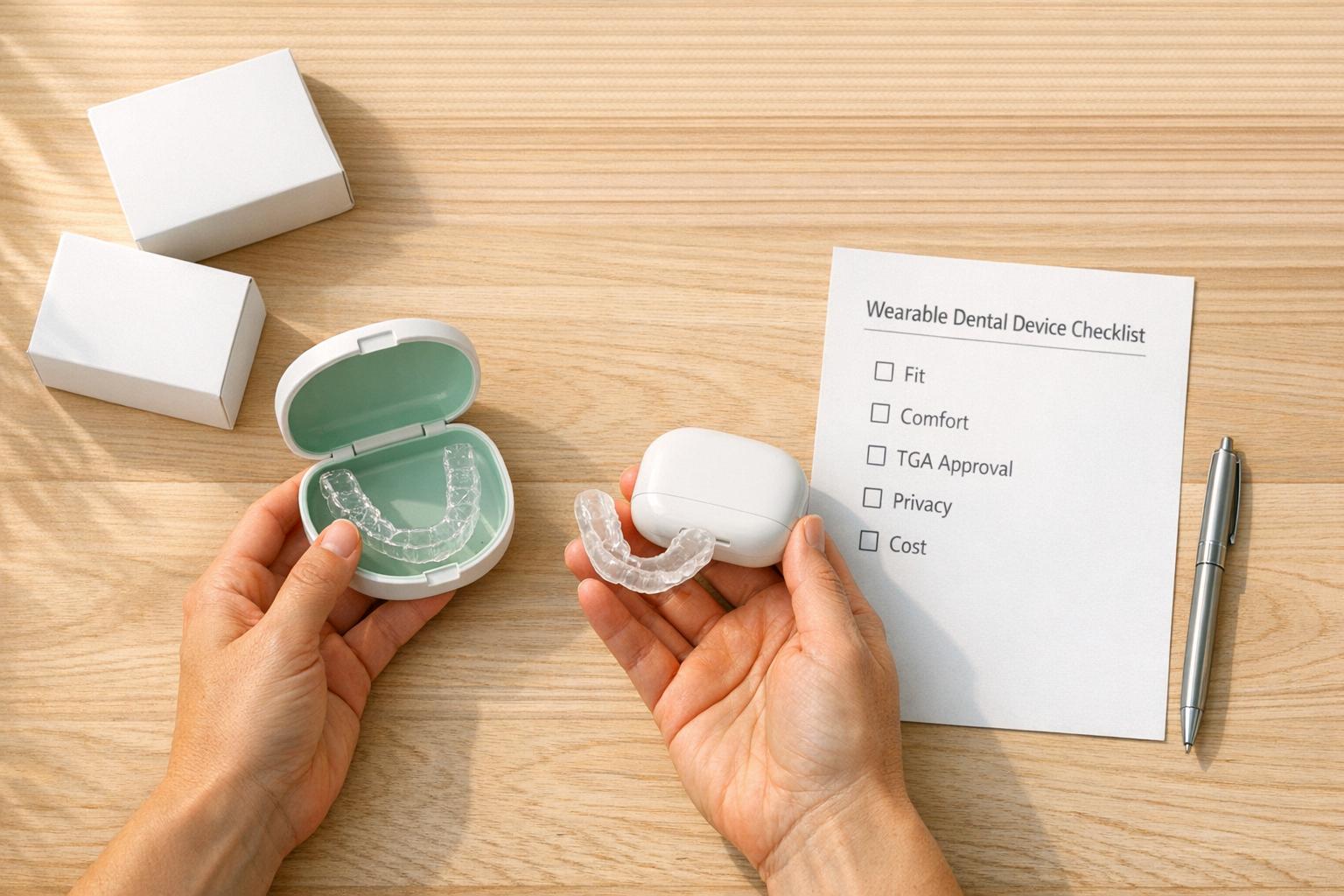
Checklist for Choosing Wearable Dental Devices
Checklist for Choosing Cloud AI Platforms in Dentistry
Complete Smiles Bella VistaAccepts All Major Health Funds, Including