





How Saliva Affects Implant Material Stability
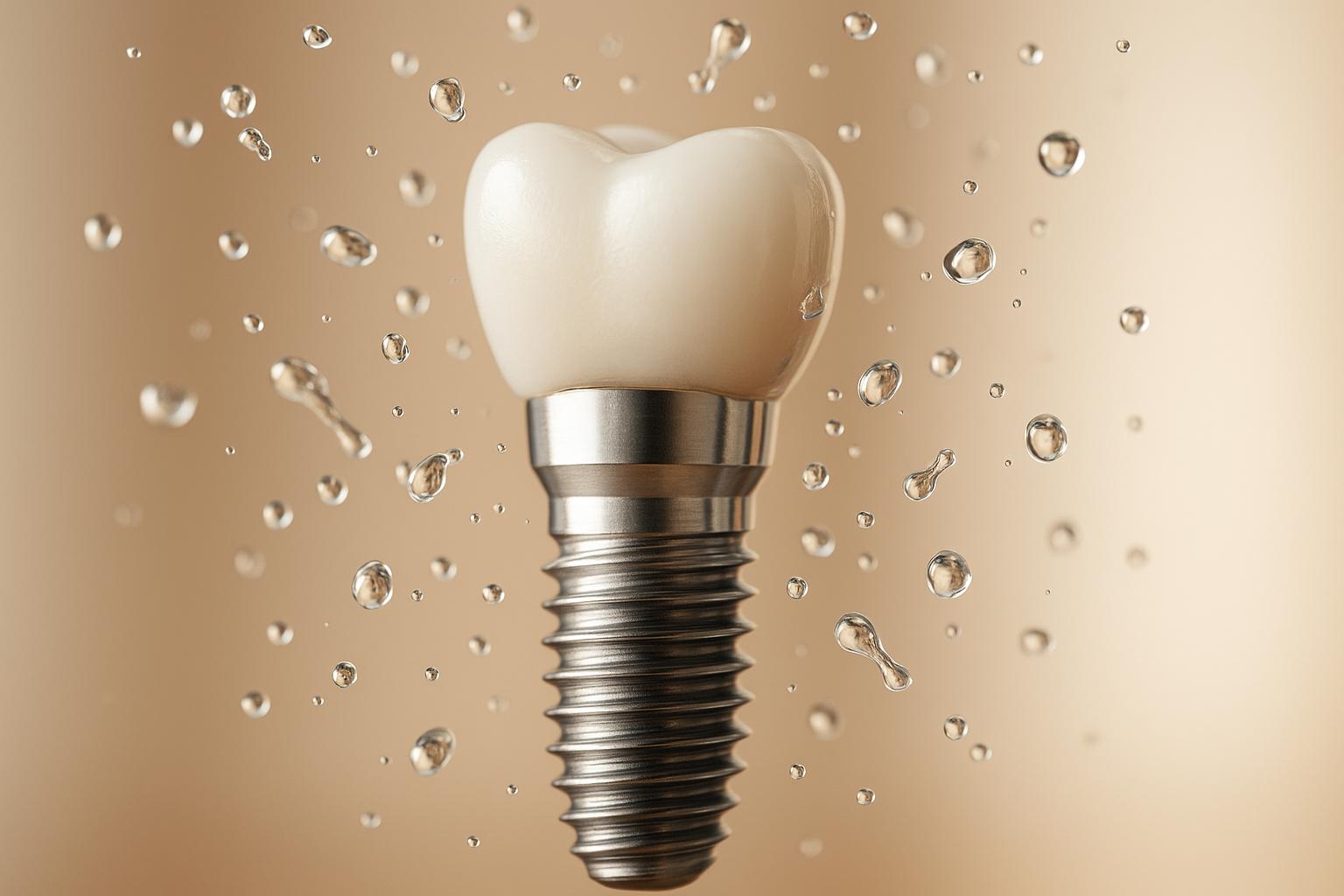
Saliva plays a key role in the success and longevity of dental implants. Here’s what you need to know:
- Saliva immediately coats implants with a pellicle, a thin film that impacts how well the implant integrates with bone.
- Acidic elements in saliva (like fluoride and hydrogen ions) can corrode titanium implants over time, especially when combined with bacteria-produced acids.
- Surface texture and hydrophilicity matter: Rough or hydrophilic surfaces interact differently with saliva, influencing bacterial growth and tissue healing.
- Diet and saliva pH are critical: Acidic foods lower pH, increasing corrosion risk, while alkaline foods help protect implants.
- Dry mouth increases risks: Reduced saliva flow can lead to bacterial buildup, gum disease, and implant failure.
Quick Tips for Implant Stability:
- Stay hydrated and maintain a balanced diet.
- Avoid acidic foods and drinks.
- Practice excellent oral hygiene with regular dental check-ups.
- Manage dry mouth with saliva substitutes or professional advice.
By understanding and managing saliva’s impact, you can protect your implants and ensure their long-term stability.
The Hidden Hero: How Saliva Impacts Dental Implant Success | Dr.Prem Alex Lawrence
What Is Saliva: Composition and Functions
Saliva might seem like nothing more than spit, but it’s actually a complex biological fluid with a crucial role in maintaining oral health. Its composition and functions are especially important when considering oral well-being and the success of dental implants.
Main Components of Saliva
Saliva is primarily 99% water[4], but don’t let that fool you – its remaining 1% is packed with over 1,000 proteins, minerals, enzymes, and antimicrobial compounds that work together to keep your mouth healthy[5].
Proteins dominate this 1%, with proline-rich peptides (PRPs) accounting for nearly 70% of the total protein content[5]. Mucin, which makes up about 20%, provides lubrication, while amylase (around 25%) helps break down dietary starches[1]. These proteins are key players in maintaining a balanced and functional oral environment.
Saliva also contains calcium, fluoride, and phosphate ions, which are essential for remineralising tooth enamel by repairing damaged mineral crystals[3][4]. Its antimicrobial components include lysozyme, an enzyme that breaks down harmful bacteria, and calcium hydroxyapatite, which helps prevent calcium loss from teeth[5].
The production of saliva comes primarily from three major glands: the submandibular gland (about 65%), parotid gland (roughly 20%), and sublingual gland (5–7%), with minor glands contributing the rest[4]. Together, these glands produce a fluid that works in harmony to protect your teeth and gums.
How Saliva Protects Your Mouth
Thanks to its intricate makeup, saliva plays a vital role in safeguarding oral health. One of its primary functions is maintaining the mouth’s pH balance. By using bicarbonate, saliva neutralises acids and keeps the pH between 6.0 and 7.5, which helps prevent enamel erosion[5].
Another standout function is the formation of a pellicle – a thin, protective film that coats the surfaces of teeth and gums. This pellicle acts as a barrier, shielding oral tissues from bacterial attacks and environmental damage.
Saliva’s antimicrobial properties are equally impressive. It helps control bacterial populations by washing away food particles and bacteria, reducing plaque buildup along the gum line[2]. Additionally, saliva supports wound healing by continuously lubricating tissues, minimising dehydration, and providing cytokines, chemokines, and growth factors that aid tissue repair[3].
Beyond these, saliva serves as a transport system for vital ions like fluoride, calcium, and phosphate, which are essential for enamel remineralisation[3]. On average, adults produce 0.5 to 1.5 litres of saliva daily, ensuring a steady flow to wash away debris and maintain a moist, functional oral environment[5].
Mucins, a key component of saliva, deserve special attention. These proteins not only lubricate but also form a physical barrier that blocks harmful bacteria, fungi, and viruses from causing infections[5].
How Saliva Affects Implant Stability
Saliva plays a crucial role in the early stages of dental implant placement, interacting with the implant surface in ways that can influence its performance. The moment an implant is placed, saliva becomes the first biological fluid to make contact, setting off a series of processes that impact the implant’s stability.
Effects on Implant-Abutment Connections
The connection between the implant and abutment is particularly susceptible to saliva. When saliva seeps into the tiny gaps at this junction, it creates an environment ripe for bacterial colonisation and biofilm development. These microscopic spaces are notoriously hard to clean, and changes in the viscosity or flow rate of saliva can exacerbate bacterial buildup. Studies indicate that saliva contamination fosters conditions that promote bacterial metabolism and growth, potentially weakening the connection’s stability over time [1].
Individual differences in saliva composition further complicate matters. Factors like age, health conditions, and medications can alter saliva’s makeup, influencing the extent of bacterial activity and its effects on the implant-abutment interface.
Beyond this connection point, saliva also interacts with the implant surface itself, affecting how well it integrates with surrounding bone.
Saliva and Implant Surface Interactions
Modern dental implants are designed with specialised surface textures to encourage quick healing and strong integration with bone. However, saliva exposure can disrupt these properties almost immediately. A thin film, known as a pellicle, forms rapidly on the implant surface, altering key characteristics like hydrophilicity, cellular viability, and antibacterial properties. These changes are critical because they directly impact how cells adhere to the implant and how well tissue integrates with it [1].
Hydrophilic surfaces, which are engineered to attract water and support biological responses, can lose their effectiveness after just 10 minutes of saliva exposure [1]. This diminished hydrophilicity can hinder the implant’s ability to bond with bone. Surface texture also plays a significant role – rougher surfaces are more likely to attract saliva proteins and bacteria compared to smoother ones, increasing the risk of bacterial colonisation [1].
The type of surface treatment further determines how saliva interacts with the implant. Hydrophobic surfaces tend to attract more saliva and its proteins, while hydrophilic surfaces draw specific proteins like aPRP, bPRP, cystatin S, and Statherin, but in smaller amounts. Unfortunately, saliva contamination can impair cell viability on these surfaces, slowing down healing and bone integration [1].
Saliva’s temperature and pH levels add another layer of complexity. For instance, lower pH levels can accelerate the corrosion of implant materials, further compromising their integrity [1]. These interactions highlight the importance of strategies to minimise saliva contamination during the placement of dental implants.
sbb-itb-2be92ed
Implant Material Corrosion in Saliva
The mouth presents a challenging environment for implant materials, especially titanium, as it is constantly exposed to the intricate chemical makeup of saliva. Examining how saliva contributes to material degradation sheds light on variations in the long-term stability of implants.
Titanium Corrosion in Saliva
Titanium is widely regarded as biocompatible, thanks to its naturally forming oxide layer that typically resists corrosion. Saliva plays a role in maintaining the oral chemical balance through its mix of inorganic and organic components [6]. However, when this balance is disrupted – such as by increased levels of chloride, fluoride, or hydrogen ions – the protective oxide layer can be compromised, making titanium more prone to degradation.
Biofilm formation adds another layer of complexity. Bacteria colonising implant surfaces can produce acidic compounds like lactic, hydrochloric, and hydrofluoric acids, creating localised acidic conditions. Saliva’s glycoproteins can facilitate bacterial adhesion, further heightening the risk of corrosion. Fluoride from dental products is another factor; it can combine with hydrogen ions to form hydrofluoric acid, which significantly accelerates titanium corrosion [6]. This risk grows when saliva’s buffering capacity is reduced, either due to high bacterial density or lower salivary flow. On top of that, dietary habits that influence saliva pH can also impact the rate of corrosion.
Diet and pH Effects
Dietary choices and the resulting pH fluctuations in saliva play a crucial role in titanium corrosion. Normally, saliva in healthy adults has a pH between 6.3 and 7.2 [8]. However, consuming acidic foods and drinks can temporarily drop the pH to as low as 3.5, weakening titanium’s protective oxide layer. Inflammation or infection around the implant site can also lower pH to 5.2–5.6, speeding up corrosion [6][1].
On the other hand, eating alkaline foods like milk, vegetables, and grains can raise saliva pH to about 8.3, helping to preserve the oxide layer. Temperature changes from hot or cold foods and drinks can further stress the oxide layer, potentially increasing the risk of damage [7].
Managing Saliva-Related Implant Problems
Understanding how saliva interacts with implants is only part of the equation. The real challenge lies in managing saliva-related issues to ensure the long-term stability of dental implants. Saliva-induced problems like bacterial build-up and protein changes on implant surfaces can compromise their integrity, but there are effective ways to address these concerns.
Treating Dry Mouth
Dry mouth can increase the likelihood of tooth decay, gum disease, and infections – all of which threaten the stability of dental implants [9]. To manage dry mouth, consider these practical steps:
- Stay hydrated: Sip water throughout the day and stimulate saliva production by chewing sugar-free gum or using xylitol lozenges.
- Use saliva substitutes: Over-the-counter products like sprays, gels, or rinses can help alleviate dryness.
- Prescription options: In more severe cases, medications such as pilocarpine or cevimeline may be prescribed by a healthcare professional.
- Lifestyle adjustments: Limit caffeine, alcohol, and sugary foods, and consider using a humidifier to keep your environment less drying [9][10].
These self-care measures can significantly reduce symptoms, but they work best when combined with professional advice and interventions.
Clinical Best Practices
Dental professionals play a critical role in supporting daily care efforts. They might recommend antimicrobial mouth rinses to control bacterial growth and provide guidance on maintaining excellent oral hygiene. Using a soft-bristled toothbrush, along with specialised tools like interdental brushes or water flossers, can help keep implants clean and stable [11][12]. Regular education on proper brushing and cleaning techniques ensures patients can protect their implants effectively.
Diet Recommendations
What you eat also impacts implant health. Avoid hard or sticky foods that could place unnecessary stress on implants or trap food particles, which may lead to complications [11].
Regular Professional Check-ups
Beyond daily care, regular dental visits are essential for keeping implants in top condition. These check-ups allow professionals to detect early signs of issues like gum infections, implant failure, or bone loss. Professional cleanings during these visits remove plaque and help maintain oral health. Monitoring bone structure changes ensures implants remain secure, and dental experts can recommend adjustments to hygiene or diet as needed. If you experience persistent symptoms like pain or swelling, it’s important to consult your dentist without delay [13].
Conclusion: Maintaining Implant Stability Through Saliva Management
The interaction between saliva and implants starts the moment implants are placed and continues throughout their lifespan. Saliva’s complex composition plays a critical role in both cellular adhesion and material corrosion, directly impacting the long-term success of implants.
To ensure implant stability, controlling saliva exposure and monitoring its biomarkers is essential. Saliva contains indicators that can signal the early stages of periodontal disease, making early detection a key strategy in preventing complications like peri-implantitis. Research shows that peri-implantitis affects at least 8.9% of patients, and peri-implant lesions are frequently observed after 10 years of implant use [1][14][15]. Regular periodontal and implant maintenance can go a long way in reducing these risks.
Interestingly, many complications tend to arise later, highlighting the importance of proactive saliva management. Consistent oral hygiene combined with regular dental check-ups creates a strong line of defence against advanced complications and the financial burden they can bring [15].
Daily habits also play a critical role in supporting implant health. Staying hydrated encourages natural saliva production, while steering clear of sugary and acidic foods helps maintain a balanced pH around your implants. By committing to a solid oral care routine and attending regular dental visits, you can create an environment that promotes the long-term stability of your implants.
FAQs
How does saliva’s pH level impact the durability of dental implants?
The pH level of saliva plays an important role in the longevity of dental implants. When saliva becomes more acidic (lower pH), titanium implants are at greater risk of corrosion, which can gradually weaken their structure. This happens because acidic saliva promotes ion exchange between the implant surface and the surrounding oral environment, making the implant more vulnerable to wear and damage.
To help keep implants stable, it’s essential to maintain good oral health and address factors that might lower saliva pH, such as an unbalanced diet or certain health conditions. Regular visits to the dentist can catch these issues early and support the long-term success of your implants.
How can I reduce the risk of dental implant corrosion caused by saliva?
To help prevent dental implant corrosion caused by saliva, it’s crucial to maintain a well-balanced oral environment. Acidic conditions can damage the titanium oxide layer that protects implants, so it’s a good idea to limit acidic foods and drinks like citrus fruits and soft drinks. If you do consume these, rinsing your mouth with water afterwards can help reduce acidity and protect your implants.
Practising good oral hygiene is equally important. Regular brushing and flossing help remove plaque and leftover food, both of which can contribute to an acidic environment. Make sure to schedule routine dental check-ups so your dentist can keep an eye on your implants and address any potential issues early on. Be cautious with mouthwashes, as some contain harsh ingredients that could harm the implant surface.
By staying consistent with these habits and consulting your dentist regularly, you can support the health and durability of your implants, even in Australia’s varied oral health conditions.
How does dry mouth impact dental implants, and what can you do to manage it?
Dry mouth, or xerostomia, can pose serious challenges for dental implants. It increases the likelihood of gum inflammation around the implant, a condition called peri-implantitis. Saliva is essential for keeping bacteria in check and neutralising acids, so when saliva production dips, harmful bacteria can thrive. This can lead to infections and, in some cases, implant failure.
To keep dry mouth under control and safeguard your implants, consider these practical steps:
- Drink plenty of water throughout the day to stay hydrated.
- Use saliva substitutes or oral moisturisers to ease dryness.
- Chew sugar-free gum to encourage saliva flow.
- Steer clear of tobacco, alcohol, and other dryness-inducing substances.
- Prioritise good oral hygiene and schedule regular dental visits.
Taking action early to manage dry mouth can go a long way in protecting the health and longevity of your dental implants.
Related Blog Posts
- Dental Implants: Your Top 8 Questions Answered
- Smoking and Dental Implants: Impact on Healing
- Titanium vs. Biodegradable Implants: Comparison
- ISO 14801: Fatigue Testing for Dental Implants
Important Notice: Any surgical or invasive procedure carries risks. Before proceeding, you should seek a second opinion from an appropriately qualified health practitioner.
Individual results may vary. The information provided in this article is for educational purposes only and does not constitute medical advice.
Checkout Related Blogs




Get in touch with us
For more information, call us now to start feeling better. Or fill the form below to make appointment
The Latest News from Complete Smiles
How to Clean Clear Plastic Retainers
Checklist for Choosing Wearable Dental Devices
Checklist for Choosing Cloud AI Platforms in Dentistry

Complete Smiles Bella VistaAccepts All Major Health Funds, Including





