





Chemical vs. Mechanical Plaque Control
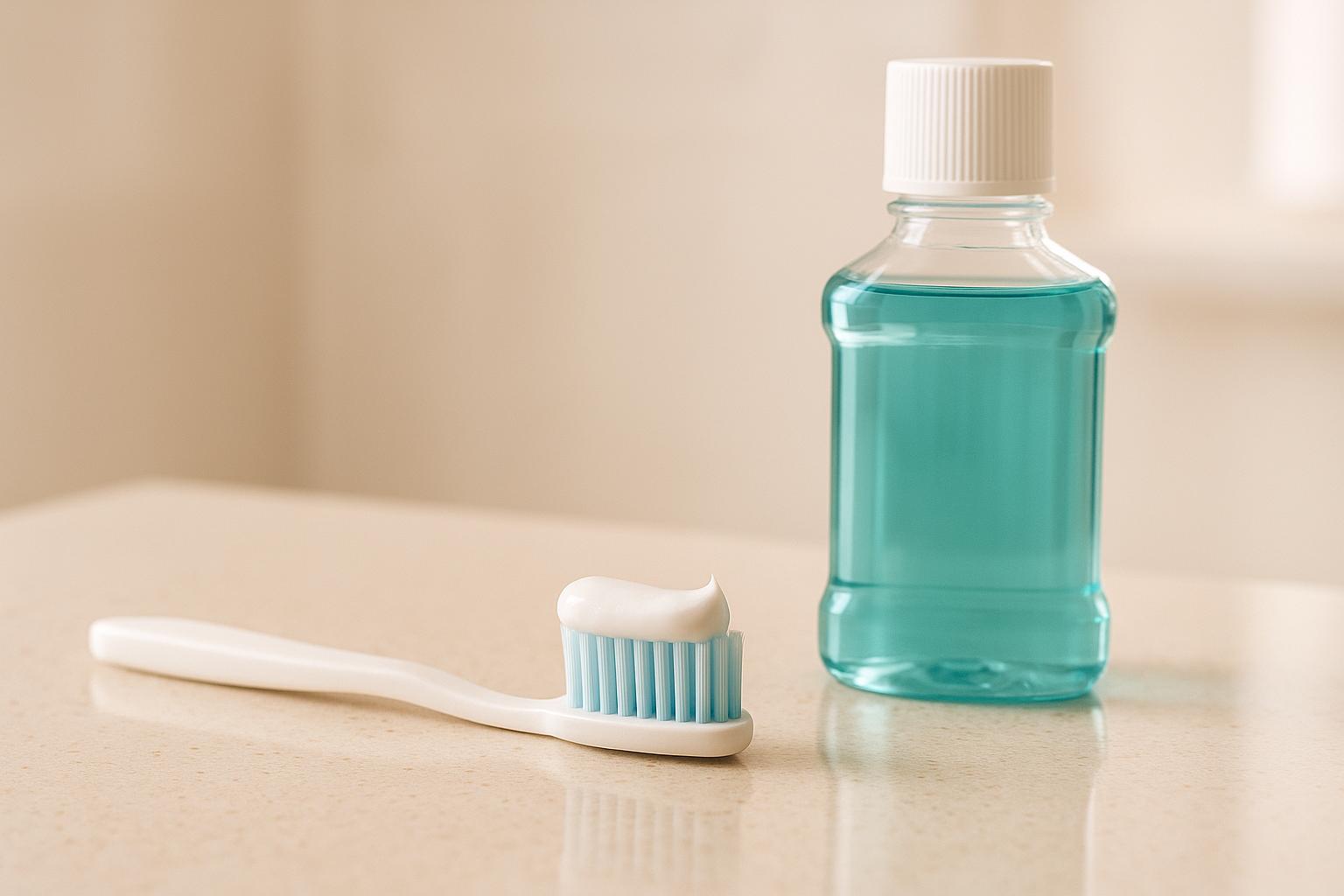
Plaque control is key to keeping your teeth and gums healthy. There are two main approaches: mechanical methods (like brushing and flossing) and chemical methods (such as mouthwashes and antimicrobial agents). Both have strengths and limitations, but combining them delivers the best results. Here’s a quick breakdown:
- Mechanical methods: Focus on physically removing plaque with tools like toothbrushes, floss, and interdental brushes. Electric toothbrushes often outperform manual ones.
- Chemical methods: Use antimicrobial agents (e.g., chlorhexidine, fluoride) to reduce bacteria and prevent new plaque formation. These are especially helpful in hard-to-reach areas.
Key takeaway: Mechanical cleaning removes existing plaque, while chemical methods slow bacteria growth. Together, they provide thorough protection against tooth decay and gum disease.
Quick Comparison:
| Aspect | Mechanical Methods | Chemical Methods |
|---|---|---|
| Primary Role | Removes existing plaque | Slows bacterial growth and plaque formation |
| Effectiveness | Highly effective with proper technique | Reduces plaque by up to 90% |
| Ease of Use | Requires skill and consistency | Simple to use, less skill-dependent |
| Limitations | Misses tight spaces, technique-dependent | May cause staining or irritation |
A personalised routine, guided by a dentist, ensures the best results. Combine both methods daily to protect your oral health and prevent long-term issues like gum disease.
Expert Q&A: Mastering Mechanical Plaque Control | Let’s Talk Oral Health
Mechanical Plaque Control
Mechanical plaque control focuses on physically removing plaque by breaking up the bacterial film that naturally forms on your teeth throughout the day. This approach relies on specific tools and techniques to sweep away harmful bacteria and debris.
Mechanical Plaque Control Methods
Toothbrushing is the foundation of mechanical plaque control. A manual toothbrush with soft bristles can remove plaque effectively when used with proper technique – gentle, circular motions for at least two minutes, twice a day. Electric toothbrushes, with their oscillating or sonic movements, often provide additional advantages by reaching areas that manual brushing may miss.
Dental floss is essential for cleaning between teeth, where toothbrush bristles can’t reach. These interdental spaces are hotspots for plaque and bacteria buildup. Daily flossing helps remove trapped debris and plaque, reducing the risk of cavities in these hard-to-reach areas.
Interdental brushes are particularly useful for people with larger spaces between their teeth or those with braces. These small, cone-shaped brushes come in various sizes and can clean areas where floss might struggle to be effective.
Water flossers use a pressurised stream of water to dislodge plaque and food particles. While they don’t entirely replace traditional flossing, they are an excellent supplementary tool, especially for people with limited dexterity or orthodontic appliances.
Tongue scrapers target bacteria and debris on the tongue’s surface, an area often overlooked but crucial for reducing plaque formation and improving breath.
How Well Mechanical Methods Work
When performed correctly and consistently, mechanical methods are highly effective. Brushing alone can remove about 50-60% of plaque from the surfaces of your teeth. Adding flossing into your routine significantly boosts this percentage by addressing interdental spaces, where gum disease often begins.
Electric toothbrushes have been shown in numerous studies to outperform manual brushing. Their consistent, optimised motions make them particularly helpful for those who struggle with proper brushing technique.
The key to success with mechanical methods lies in regularity and technique. Daily plaque removal prevents the bacterial film from maturing into harmful colonies that produce acids and toxins. However, it’s important to note that these methods are not without their challenges.
Drawbacks of Mechanical Methods
One major drawback is the reliance on proper technique. Many people brush too aggressively, which can damage enamel and irritate gum tissue. Others may not brush for the recommended two minutes or fail to clean all areas thoroughly.
Certain areas, such as around dental work or deep gum pockets, can be difficult to access with mechanical tools alone. This limitation can leave some plaque behind, even with diligent effort.
Consistency is another challenge. Effective plaque control demands daily commitment and careful technique, which can be hard to maintain over time for some individuals.
Lastly, mechanical methods primarily focus on removing existing plaque, but they don’t stop bacteria from regrowing. Within hours of cleaning, new bacterial films begin to form, highlighting the need for additional strategies to keep plaque at bay.
These limitations emphasise why mechanical methods are often paired with chemical approaches. A combined strategy can address both the removal of existing plaque and the prevention of bacterial regrowth, offering a more comprehensive solution.
Chemical Plaque Control
Chemical plaque control involves using antimicrobial agents to curb bacterial growth and prevent plaque formation. Unlike mechanical methods, which physically remove plaque, these agents work by inhibiting bacteria from forming colonies and producing harmful acids that lead to tooth decay and gum disease. This approach is particularly helpful for people who struggle with mechanical cleaning or have hard-to-reach areas in their mouths where brushes and floss may not be effective.
Common Chemical Agents
- Chlorhexidine: Often considered the gold standard, chlorhexidine is commonly found in mouth rinses with concentrations between 0.12% and 0.2%. It binds to oral tissues and releases gradually, providing a prolonged antibacterial effect.
- Essential oil–based mouthwashes: These include ingredients like thymol, eucalyptol, menthol, and methyl salicylate. They work by breaking up plaque biofilms and have been shown to reduce both plaque and gingivitis.
- Stannous fluoride: Known for strengthening tooth enamel and preventing cavities, stannous fluoride also has antimicrobial properties that help reduce plaque and gingivitis. It is widely available in toothpastes and mouth rinses.
- Cetylpyridinium chloride (CPC): Found in many over-the-counter mouth rinses, CPC disrupts bacterial cell membranes, making it effective against a variety of oral bacteria.
These agents are available in various forms, such as mouth rinses, gels, medicated toothpastes, and slow-release devices.
Effectiveness of Chemical Methods
Studies have shown that chemical plaque control methods can be highly effective when used as part of a consistent daily oral care routine. For instance, clinical trials highlight that chlorhexidine rinses can significantly reduce plaque and gingivitis when used as directed. Similarly, essential oil–based mouthwashes have demonstrated success in reducing plaque and gingivitis compared with placebo rinses. The lingering antimicrobial effects of these agents provide ongoing protection between mechanical cleaning sessions.
The long-term effectiveness of these methods depends on the specific product used and the individual’s overall oral hygiene practices. Chlorhexidine is often recommended for short-term use under a dentist’s supervision, while essential oil–based products are more suited for regular, long-term use. One major advantage of chemical agents is their ability to access areas that mechanical tools might miss, such as gum pockets, tight spaces between teeth, and around dental restorations.
Potential Drawbacks
While chemical plaque control offers clear benefits, it does come with some limitations. For example, chlorhexidine can cause temporary brown staining on teeth and the tongue, which might require professional cleaning to remove. Some users also report taste changes, like a metallic flavour, and irritation of oral tissues, particularly with extended or heavy use.
Overuse of antimicrobial products may disrupt the natural balance of oral microflora, emphasising the importance of using these agents under professional guidance. Additionally, chemical methods can be more expensive over time compared with basic mechanical tools like toothbrushes and floss.
sbb-itb-2be92ed
Chemical vs Mechanical Plaque Control
To maintain good oral hygiene, it’s essential to understand how chemical and mechanical plaque control methods compare. Each has its own strengths and limitations, making them suitable for different needs and situations. Let’s dive into their individual roles and how they complement each other.
Performance and Uses
Mechanical plaque control is widely recognised as the most effective way to remove plaque [1][2][4][5]. Studies show that it excels at cleaning the buccal (cheek-side), oral (tongue-side), and occlusal (biting) surfaces [3][4]. However, mechanical methods don’t always reach every nook and cranny, which is where chemical agents come in handy. They’re particularly useful for areas that brushes or floss may miss [1][5].
For example, first-generation chemical rinses can reduce plaque by around 20–50% with 4 to 6 uses per day. Meanwhile, second-generation rinses like chlorhexidine offer a significant improvement, cutting plaque levels by 70–90% with only 1 to 2 uses daily. These advanced rinses provide lasting protection for up to 12–18 hours [1].
Different tools suit different people. For those with limited manual dexterity – whether due to chronic conditions or physical challenges – electric toothbrushes, rotary brushes, or brushes with larger handles can make brushing easier and more effective [2][4][6]. Curved bristle designs are particularly helpful for individuals with disabilities, as they work with simple horizontal motions [2]. Similarly, people undergoing orthodontic treatment can benefit from specialised brushes with V-shaped or zigzag bristles designed to clean around braces [2].
Pros and Cons
Here’s a closer look at how mechanical and chemical methods stack up against each other:
| Aspect | Mechanical Plaque Control | Chemical Plaque Control |
|---|---|---|
| Primary Role | The gold standard for plaque removal [1][5] | Complements mechanical methods [1][5] |
| Effectiveness | Highly effective for visible surfaces; electric brushes often outperform manual ones [4] | Advanced formulations can reduce plaque by 70–90% [1] |
| Accessibility | Limited reach in tight spaces and gum pockets | Penetrates interdental and subgingival areas effectively [1] |
| Skill Dependency | Technique and consistency-dependent [4] | Less dependent on user skill [1] |
| Side Effects | Minimal when used properly | Potential for staining [1] |
While mechanical cleaning relies heavily on the user’s technique and regularity, chemical agents can deliver consistent results with less effort. However, some chemical rinses may cause staining with prolonged use.
Combining Both Methods for Better Results
To get the best results, combining mechanical and chemical methods is often the way to go [1][5][6]. Brushing alone can miss up to 40% of tooth surfaces, especially in tricky interproximal areas that are prone to inflammation [6]. Using both approaches ensures a more thorough clean.
In some cases, combining these methods is particularly effective. For instance, oral irrigators can deliver antimicrobial agents like chlorhexidine directly into periodontal pockets, reaching areas that rinses alone might not [1][2]. After periodontal surgery, dentists often recommend chlorhexidine rinses for 2–3 weeks to support healing alongside mechanical cleaning [1].
For everyday maintenance, most people rely on mechanical cleaning as their primary method while using chemical agents for extra protection. Regular tongue cleaning – whether with a scraper or brush – also helps reduce bacteria and control bad breath [6]. Chemical rinses can provide ongoing antimicrobial benefits between these cleaning sessions.
Ultimately, your oral hygiene routine should be tailored to your specific needs. A dental professional can help you choose the right interdental cleaning tools based on factors like the shape of your gums, the size of spaces between your teeth, and their alignment [3][4].
Professional Guidance and Personalised Care
Role of Dental Professionals
Dental professionals play a key role in helping you maintain optimal oral health by tailoring plaque control strategies to your specific needs. During routine check-ups, dentists and dental hygienists assess your oral health, pinpoint problem areas, and recommend the best mix of mechanical and chemical methods to manage plaque effectively.
Your dental team considers factors like gum health, tooth alignment, manual dexterity, and existing dental work to craft a personalised oral hygiene plan. They’ll also show you the right way to brush and floss, recommend tools such as interdental brushes or oral irrigators, and suggest suitable chemical agents to enhance your routine.
Professional cleanings are another vital part of this process. These sessions remove tartar – hardened plaque that brushing and flossing can’t tackle. During these visits, your dentist or hygienist keeps track of your progress and adjusts your plaque control plan as your needs evolve.
For those with periodontal disease, orthodontic braces, or physical challenges, dental professionals provide specialised advice, adjusting techniques and recommending modified tools to ensure effective care.
Dental Care Services at Complete Smiles Bella Vista

At Complete Smiles Bella Vista, Dr. James Hanna and his team offer personalised dental care with a focus on preventive strategies. They create customised oral hygiene plans tailored to individual needs, whether you’re managing routine oral care or undergoing treatments like orthodontics or Invisalign. They also provide guidance on maintaining oral hygiene during these treatments and offer emergency dental care for issues caused by inadequate plaque control. Their approach reflects Australia’s high clinical standards, ensuring patients receive care that’s both thorough and personalised.
Australian Standards in Dental Care
Dental care in Australia is guided by strict professional standards set by the Dental Board of Australia and AHPRA (Australian Health Practitioner Regulation Agency). These organisations ensure that dental professionals base their recommendations on solid, evidence-backed practices.
The Australian Dental Association further supports this by promoting research-driven oral health practices. This ensures that the advice you receive – whether for mechanical tools or chemical agents – is both effective and safe.
Australian dental professionals also undertake continuing professional development, keeping them up to date on the latest tools, techniques, and products. This commitment means you can trust the guidance you receive to help maintain your oral health at its best.
Conclusion: Getting Plaque Control Right
Key Points Summary
Effective plaque control is all about combining mechanical and chemical methods to keep your teeth and gums in top shape. Mechanical techniques, like brushing and flossing, are the backbone of daily oral care. They’re simple, affordable, and do an excellent job of removing plaque and food debris.
Chemical aids, such as antimicrobial mouthwashes and fluoride toothpastes, step in to cover what brushes and floss might miss. They provide an added layer of protection against bacteria but work best when paired with proper mechanical cleaning. Alone, they’re not as effective.
The key lies in finding the right balance. For instance, if you’re dealing with periodontal disease, using a chlorhexidine mouthwash alongside thorough brushing and flossing might be ideal. On the other hand, if you have orthodontic appliances, tools like specialised brushes and fluoride rinses can help you clean around brackets and wires more effectively.
By combining mechanical cleaning with targeted chemical support, you’re tackling plaque from every angle. This approach gives you the best chance of maintaining healthy teeth and gums.
Final Thoughts
Your plaque control routine should be as unique as you are. Factors like your gum health, dexterity, existing dental work, and medical conditions all play a role in determining the best mix of mechanical and chemical methods for you.
Regular check-ups with your dentist are crucial. They can spot potential issues early, tweak your routine as needed, and introduce you to new tools or products that suit your evolving needs.
Consistency is the cornerstone of effective plaque control. A daily routine that you stick to is what makes all the difference.
It’s worth noting that gum disease has been linked to various systemic health issues, emphasising the importance of oral hygiene as part of your overall health. By committing to both mechanical and chemical plaque control methods, you’re not just protecting your mouth – you’re investing in your long-term well-being. Work closely with your dental professional to keep refining your routine and stay ahead of potential problems.
FAQs
What are the benefits of using both mechanical and chemical methods to control plaque in your daily dental care routine?
Using a mix of mechanical and chemical plaque control techniques in your daily dental routine can significantly improve your oral health. Mechanical methods, like brushing and flossing, work by physically removing plaque from the surfaces of your teeth and the spaces between them. On the other hand, chemical methods, such as mouthwashes, target bacteria and can reach areas that brushing might not, giving you a more thorough clean.
When you combine these two approaches, you’re better equipped to lower the risk of gingivitis, periodontal disease, and tooth decay. This combination helps keep your teeth and gums in better shape for longer, playing a key role in maintaining strong oral hygiene.
What should I consider when choosing a chemical plaque control product for my oral health?
When picking a chemical plaque control product, pay close attention to the active ingredients and how they align with your oral health needs. Common ingredients like chlorhexidine, triclosan, or essential oils are known for their ability to combat plaque and bacteria. It’s also a good idea to choose a product with fluoride, which helps strengthen teeth and guard against decay.
If you’re dealing with specific issues, such as gum inflammation or tartar build-up, opt for a product designed to address those concerns. To make the best choice, have a chat with your dentist – they can recommend something that matches your oral health needs and goals.
Can using too much chemical plaque control cause any oral health problems?
Excessive use of chemical plaque control agents like chlorhexidine can sometimes lead to unwanted side effects. These might include staining of teeth and the tongue, changes in taste perception, and irritation of the soft tissues in your mouth. Overusing these products can also interfere with the natural bacterial balance in your mouth, potentially disrupting the oral microbiome.
To maintain good oral health, it’s essential to follow your dentist’s instructions when using these products. If you’re unsure about how to manage plaque effectively, it’s always a good idea to seek personalised advice from a dental professional.
Related Blog Posts
- 5 Steps of Professional Dental Cleaning
- Chlorhexidine Mouthwash: Benefits and Risks
- Chemical Adhesion in Dental Bonding: How It Works
- How Fluoride Prevents Tooth Decay
Important Notice: Any surgical or invasive procedure carries risks. Before proceeding, you should seek a second opinion from an appropriately qualified health practitioner.
Individual results may vary. The information provided in this article is for educational purposes only and does not constitute medical advice.
Checkout Related Blogs




Get in touch with us
For more information, call us now to start feeling better. Or fill the form below to make appointment
The Latest News from Complete Smiles
How to Clean Clear Plastic Retainers
Checklist for Choosing Wearable Dental Devices
Checklist for Choosing Cloud AI Platforms in Dentistry

Complete Smiles Bella VistaAccepts All Major Health Funds, Including





