





Preventing Oral Cancer: Dentist’s Role in Smoking Cessation
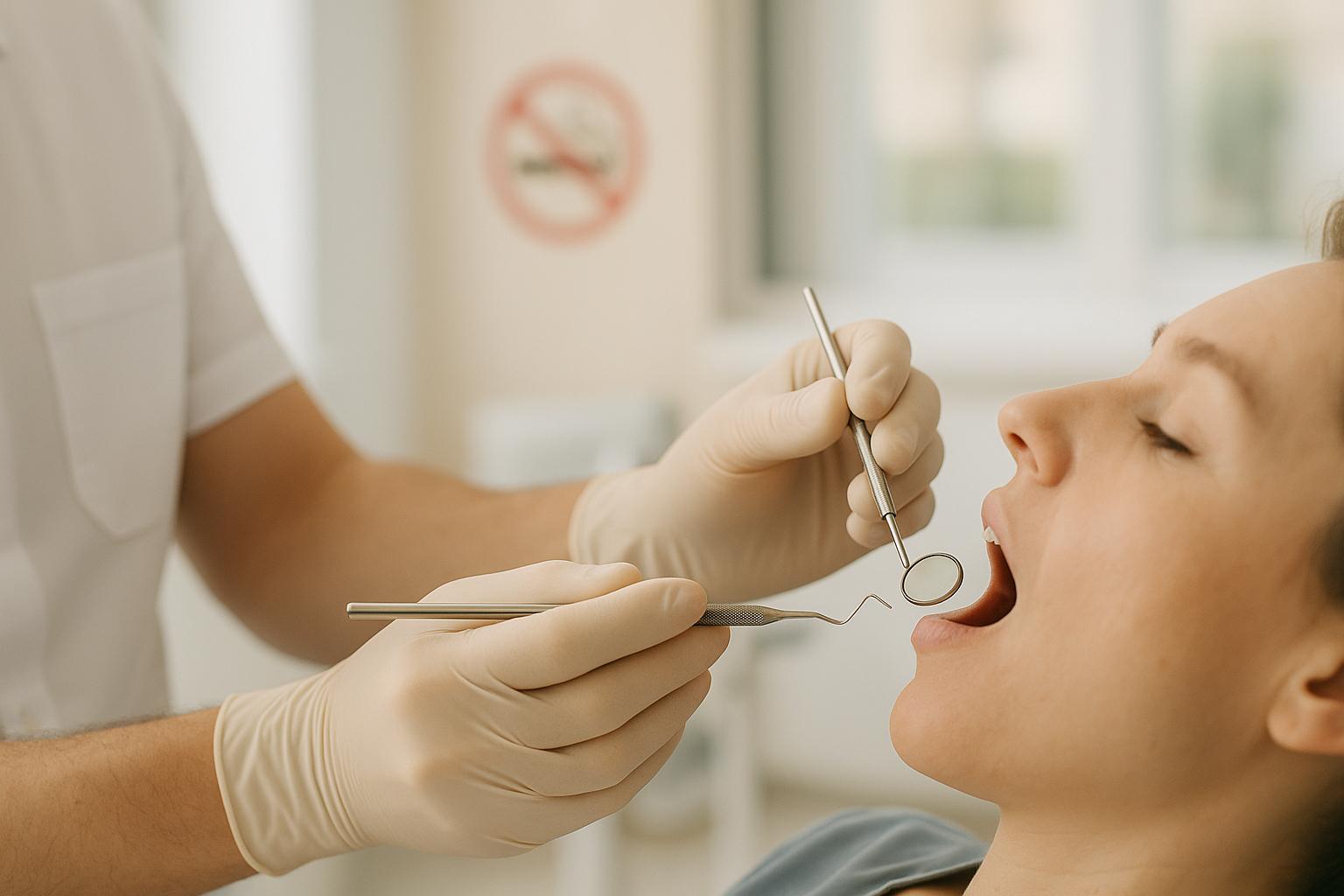
Dentists are uniquely positioned to help reduce the risk of oral cancer by identifying early signs of damage caused by smoking and supporting patients in quitting tobacco. Smoking is a leading cause of oral cancer, but regular dental check-ups, combined with personalised smoking cessation strategies, can significantly lower this risk. Here’s how dentists contribute:
- Early Detection: Dentists can spot early signs of oral cancer, such as unusual patches, lumps, or sores, during routine examinations.
- Patient Education: Dentists explain how smoking impacts oral health and increases cancer risk, helping patients understand the benefits of quitting.
- Smoking Cessation Support: Using methods like the 5As framework (Ask, Advise, Assess, Assist, Arrange), dentists provide tailored guidance to help patients quit smoking.
- Ongoing Care: Regular follow-ups and collaboration with other healthcare providers ensure patients receive comprehensive support throughout their quitting journey.
Quitting smoking improves oral health almost immediately, reducing inflammation, restoring taste, and lowering cancer risk over time. Dentists play a key role in this process by integrating smoking cessation into routine care, empowering patients to make lasting lifestyle changes.
Tobacco Cessation in Dental Settings – 5 A’s Approach
How Smoking Causes Oral Cancer
When tobacco smoke comes into contact with the tissues in your mouth, it exposes them to a cocktail of harmful chemicals.
How Tobacco Impacts the Mouth
Tobacco smoke is packed with carcinogens that can attach to DNA, triggering mutations. Meanwhile, smokeless tobacco products contain nitrosamines, which are linked to precancerous changes like leukoplakia – white patches that can appear in the mouth.
Long-term tobacco use doesn’t just damage cells; it also reduces blood flow and weakens the immune system. This combination makes it easier for damaged cells to develop into cancer, especially in heavy smokers. These harmful effects show why quitting smoking as early as possible is so important.
What Happens to Oral Health After Quitting
The good news? Once you quit smoking, your mouth starts to heal. Almost immediately, your sense of taste and smell gets better. Improved blood circulation helps wounds heal faster and reduces inflammation. Over time, your gums become healthier, saliva production increases, and your risk of oral cancer, gum disease, and tooth decay drops significantly.
This recovery process highlights why dentists play a key role in supporting patients to quit smoking and protect their oral health.
How Dentists Screen for and Detect Oral Cancer
Your dentist plays a vital role in identifying oral cancer early, particularly if you smoke. During every visit, they carry out a thorough oral examination designed to detect potential issues before they escalate into serious health concerns.
Regular Oral Cancer Examinations
Each routine dental check-up includes a detailed oral examination. Dentists are trained to spot warning signs like unusual spots, lumps, thickened areas, or rough patches in your mouth [2][3].
Some of the early signs they look for include:
- Persistent sores or ulcers that don’t heal within one to two weeks.
- Velvety white, red, or speckled patches (known as leukoplakia or erythroplakia) on your gums, tongue, tonsils, or the lining of your mouth.
- Lumps or thickened areas in your lips, cheeks, or other parts of your mouth.
- Difficulty chewing, swallowing, or speaking.
- Issues with moving your jaw or tongue.
- Numbness in parts of your mouth.
- Voice changes, persistent sore throat, hoarseness, ear pain, or loose adult teeth causing discomfort [1][2][3][4].
Some dental practices go a step further by using advanced tools, such as small brushes to collect cell samples from suspicious areas. These samples are sent to a lab for analysis to check for cancerous or precancerous cells [2].
This proactive approach not only helps in early detection but also sets the groundwork for preventive care in dental practice.
Educating Patients About Oral Cancer Risks
In addition to screenings, dentists focus on educating their patients about the factors that increase the risk of oral cancer. They emphasise how harmful substances in tobacco directly damage oral tissues, significantly raising the chances of cancer development [1][2][4].
For smokers, the statistics are stark – smokers are six times more likely to develop oral cancer compared to non-smokers [4]. Dentists also explain how various tobacco products, from cigarettes and cigars to smokeless tobacco, pose unique risks to oral health.
To empower patients, dentists often teach how to perform self-checks at home. They’ll guide you on using a mirror and proper lighting to examine your mouth, explaining what to look for and when it’s time to seek professional advice. This education is especially crucial for smokers, who are encouraged to schedule screenings every six months [4].
Referring Patients to Cancer Specialists
If a dentist identifies anything unusual during a screening, they’ll follow specific protocols to refer you to a specialist. The general guideline is simple: any oral symptoms lasting more than two weeks require immediate attention [3].
When necessary, dentists connect patients with oral and maxillofacial surgeons, oncologists, or other specialists for further evaluation. These specialists can conduct more advanced diagnostic tests, like biopsies or imaging, that go beyond what a general dentist can offer.
The referral process is both straightforward and urgent. Your dentist will contact the specialist directly, share detailed findings, and help organise your appointment. They’ll also remain involved in your care, monitoring your oral health and collaborating with your medical team throughout treatment.
Dental screenings play a critical role in catching oral cancer early, significantly improving treatment outcomes. These examinations not only help in early intervention but also offer an opportunity to discuss quitting smoking, paving the way for better long-term health outcomes.
sbb-itb-2be92ed
Smoking Cessation Methods in Dental Practice
Dentists play a vital role in helping patients quit smoking through structured, evidence-backed approaches. One method that fits seamlessly into routine dental check-ups is the 5As framework. This approach not only supports efforts to quit smoking but also strengthens strategies for preventing oral cancer.
The 5As Model for Helping Patients Quit Smoking
The 5As framework provides a straightforward, step-by-step method for addressing tobacco use during dental visits:
- Ask: Start by asking every patient about their tobacco use. Document details such as the type of tobacco they use, how often, and any previous attempts to quit.
- Advise: Offer tailored advice on quitting, linking it directly to findings from their oral examination.
- Assess: Gauge their readiness to quit. For example, check if they’re prepared to attempt stopping within the next 30 days.
- Assist: Work with the patient to create a personalised quit plan. This might include setting a quit date, identifying triggers, and developing strategies to handle challenges.
- Arrange: Schedule follow-up appointments to monitor their progress and provide ongoing support.
Adding Smoking Cessation to Complete Dental Care
Incorporating smoking cessation into a patient’s overall dental care plan works far better than treating it as an isolated service. Across Australia, many dental practices have seamlessly integrated smoking cessation into their routine preventive care, showcasing a broader commitment to improving oral health. By addressing tobacco use alongside regular dental treatments, practitioners can tackle multiple health concerns at once.
Pairing Smoking Cessation with Preventive Dental Care
Integrating smoking cessation with preventive care naturally opens up opportunities for meaningful discussions about oral health. For example, during professional cleanings or oral hygiene education sessions, dentists can highlight visible damage caused by smoking – like staining, gum recession, or delayed healing from past treatments. Seeing these effects firsthand often resonates with patients more effectively than general warnings. Dentists can also explain how tobacco use diminishes the benefits of proper brushing and flossing by reducing blood flow to the gums and slowing down the body’s natural healing processes.
Oral cancer screenings provide another avenue to address tobacco use. Instead of simply noting smoking habits in patient records, dentists can use these screenings to explain what they’re looking for and how smoking increases the risk of concerning changes. This approach naturally transitions into discussions about tailored care plans to support quitting.
Custom Care Plans for Each Patient
Tailored care plans are key to supporting patients through the quitting process. Each patient’s circumstances – such as past quit attempts, stress levels, and other health conditions – require personalised strategies.
For patients already dealing with oral health issues, short-term goals can be paired with long-term cessation strategies. For instance, someone with gum disease might focus on improving their oral hygiene habits and attending frequent cleanings, while gradually reducing tobacco use over time.
Collaboration with other healthcare providers can further enhance these efforts. For example, patients managing conditions like anxiety, depression, or diabetes may require adjusted cessation plans to align with their broader health needs. This team-based approach ensures that smoking cessation becomes part of a patient’s overall wellness journey.
Regular Follow-Up and Patient Support
Quitting smoking is rarely achieved in a single conversation. Ongoing support, such as scheduled follow-up appointments, helps dental professionals track progress, address challenges, and celebrate milestones. Simple check-ins – like phone calls or text messages during the critical first few weeks – offer patients a chance to ask questions or seek extra resources when needed.
These follow-ups also provide an opportunity to highlight the positive changes that come with quitting. Within weeks, many patients notice reduced gum inflammation, fresher breath, and an improved sense of taste. Pointing out these visible improvements reinforces the benefits of quitting and motivates patients to stay tobacco-free.
Connecting patients with external resources, such as Quitline services, community health centres, or online support groups, can further strengthen their efforts. These additional tools complement the care provided by dental professionals, creating a network of support that increases the chances of success. By combining preventive care, personalised plans, and consistent follow-ups, dental practices can play a pivotal role in helping patients achieve a healthier, tobacco-free future.
Conclusion: How Dentists Help Reduce Oral Cancer Risk
Main Points Summary
Dentists play a vital role in preventing oral cancer by acting as early identifiers of potential issues and guiding patients towards quitting smoking. Regular oral exams allow dentists to detect early warning signs, often before they develop into more serious conditions. The visual nature of these exams helps pinpoint subtle changes in oral tissues that might otherwise go unnoticed.
The link between quitting smoking and reducing oral cancer risk is clear. When patients stop smoking, their oral tissues begin to heal, with improved blood flow and gradual restoration of health. Dentists using the 5As model – ask, advise, assess, assist, and arrange – offer structured support through in-practice counselling, nicotine replacement options, or referrals to smoking cessation programs.
Education is another cornerstone of prevention. Dentists help patients understand how tobacco harms oral tissues by showing them visible effects during appointments. This personalised approach resonates more than generic warnings, as it directly connects patients’ habits to their own oral health.
Working Together for Better Oral Health
Improving oral health outcomes requires teamwork between patients, dental professionals, and broader health services. Patients who engage in regular check-ups and discuss smoking cessation with their dentists create a strong foundation for early detection and intervention. This partnership becomes even more effective when dental practices align with resources like Quitline (13 78 48), community health centres, and medical professionals to provide well-rounded support.
Incorporating smoking cessation into routine dental care presents a valuable opportunity for Australian oral health. By addressing tobacco use as part of preventive care, treatment planning, and follow-ups, dental practices create multiple chances to encourage positive lifestyle changes. This approach shifts the focus from merely treating existing issues to actively preventing future ones.
For patients ready to quit, combining dental guidance with external resources offers a powerful pathway to success. Regular dental visits reinforce motivation by showing visible improvements in oral health. These tangible results not only support the decision to quit smoking but also promote a long-term, tobacco-free lifestyle. By integrating these efforts, the risk of oral cancer decreases, paving the way for healthier, smoke-free lives.
FAQs
How do dentists assist smokers in detecting oral cancer early?
Dentists are essential in spotting oral cancer early, especially for smokers who face a higher risk. During routine check-ups, they conduct oral cancer screenings by carefully examining the mouth, tongue, and throat for any unusual changes or warning signs. These screenings are quick, painless, and can catch potential problems before symptoms become apparent.
Finding oral cancer early makes a huge difference, as it greatly increases the chances of successful treatment and recovery. Regular dental visits not only protect your oral health but also play a key role in safeguarding your overall well-being.
How can dentists help patients quit smoking and reduce the risk of oral cancer?
Dentists play an important part in helping patients quit smoking while safeguarding their oral health. One effective strategy they use is the 5As approach: Ask about smoking habits, Advise quitting, Assess the patient’s readiness, Assist with tailored resources, and Arrange follow-ups. This structured method creates a personalised and supportive pathway for each patient.
During routine check-ups, dentists often highlight the impact of smoking on oral health, such as its connection to oral cancer, gum disease, and tooth loss. They may offer brief interventions, provide motivational support, and, when suitable, prescribe cessation aids like nicotine replacement therapy. By combining these tools with consistent encouragement, dentists empower patients to make meaningful progress towards quitting smoking and improving their overall well-being.
Why should dentists address smoking during regular dental check-ups?
Smoking is a leading cause of preventable oral health problems, such as oral cancer and gum disease – both of which are pressing health issues in Australia. Dentists, with their regular patient interactions, are in a unique position to spot early signs of tobacco-related damage and initiate meaningful conversations about quitting smoking.
By providing tailored advice and support, dentists can significantly help patients in their journey to quit. This not only lowers the chances of disease progression but also boosts overall health and oral wellness. Integrating smoking cessation discussions into routine dental care can further improve the success of dental treatments while promoting healthier outcomes for patients.
Related Blog Posts
- Smoking and Dental Implants: Impact on Healing
- When Should Smokers Get Oral Cancer Screening?
- Early Signs of Smoking-Related Oral Cancer
- Studies on Tooth Sensitivity After Smoking Cessation
Important Notice: Any surgical or invasive procedure carries risks. Before proceeding, you should seek a second opinion from an appropriately qualified health practitioner.
Individual results may vary. The information provided in this article is for educational purposes only and does not constitute medical advice.
Checkout Related Blogs



Get in touch with us
For more information, call us now to start feeling better. Or fill the form below to make appointment
The Latest News from Complete Smiles
How to Clean Clear Plastic Retainers
Checklist for Choosing Wearable Dental Devices
Checklist for Choosing Cloud AI Platforms in Dentistry
Complete Smiles Bella VistaAccepts All Major Health Funds, Including