




Early Signs of Smoking-Related Oral Cancer

Smoking greatly increases your risk of developing oral cancer, with up to 90% of cases linked to tobacco use. Early detection is critical, as recognising symptoms like persistent sores, unusual patches, lumps, or mouth pain can improve survival rates significantly. In Australia, smoking accounts for 59% of mouth cancer cases, and quitting can halve your risk within five years. Regular dental check-ups and monthly self-examinations are key to spotting issues early. If you notice any concerning symptoms lasting more than two weeks, seek professional advice immediately.
Recognizing early signs and preventing oral cancer ????️????
Early Warning Signs of Oral Cancer
Understanding the early warning signs of oral cancer is critical, especially for smokers who face a much higher risk. In fact, up to 90% of oral cancer cases are linked to smoking[5]. For Australian smokers, this highlights the urgent need to be vigilant and proactive about their oral health.
Dr Kimberly Wooten, a Head and Neck surgeon at Roswell Park Comprehensive Cancer Center, stresses the importance of acting quickly:
"What I generally recommend is that when a lesion or sore in the mouth doesn’t go away in about two weeks, it needs to be further evaluated." [4]
Recognising these signs can help you differentiate between harmless mouth irritations and conditions that require immediate attention.
Sores That Won’t Heal
One of the earliest signs of oral cancer is a sore that refuses to heal. While typical mouth ulcers usually clear up within one to two weeks, lesions lasting longer should raise concern. Dr Stephanie Chen, a head and neck surgical oncologist at Houston Methodist, explains:
"One major difference is that a mouth ulcer will come and go within one to two weeks. Oral cancer won’t." [6]
These sores can appear on the lips, gums, or tongue and might not cause much pain initially. If a sore lingers beyond the expected healing time, it’s essential to have it examined by a dentist or doctor.
White or Red Patches in the Mouth
Unusual patches in the mouth, such as white (leukoplakia) or red (erythroplakia) areas, could signal abnormal cell growth. Red patches, in particular, are more concerning as they carry a higher potential to be cancerous or precancerous[6]. These patches might be flat or slightly raised and can develop on the tongue, gums, or inner cheeks.
Dr Stephanie Chen advises:
"If the patch is changing or growing, that’s a sign that it may not be benign and could be progressing into cancer." [6]
Unlike irritation caused by spicy foods or minor injuries, these patches tend to linger and may change in size, colour, or texture over time. Any noticeable changes in your mouth’s tissues, including lumps or thickened areas, should prompt a professional evaluation.
Lumps and Thick Areas in Mouth Tissues
Lumps or thickened areas in the mouth, cheeks, or neck can indicate tissue changes that might be linked to cancer. These abnormalities often feel like small bumps or areas that stand out from the surrounding tissue. They might be noticed during regular brushing or self-examinations. Persistent lumps, especially if accompanied by neck swelling, should be assessed by a dentist or healthcare provider.
Mouth Pain or Numbness
Ongoing pain, tenderness, or numbness in the mouth or jaw could signal a deeper issue. Unlike temporary discomfort from dental work or minor injuries, cancer-related pain tends to persist and may gradually worsen. You might also experience difficulty chewing, swallowing, or speaking, and some people report a burning sensation or constant soreness that doesn’t respond to typical pain relief. Numbness is particularly concerning as it could suggest nerve involvement.
Bleeding or Loose Teeth
Unexplained bleeding in the mouth or a sudden loosening of teeth without a clear reason can also be warning signs. This type of bleeding might occur spontaneously or with gentle brushing, and teeth that were once stable may start to shift. If these symptoms appear alongside others, it’s crucial to seek professional advice promptly.
These signs highlight the importance of regular dental check-ups and early intervention when something feels off.
Why Early Detection Matters
For smokers, who face a much higher risk of developing oral cancer, catching the disease early is absolutely crucial. The overall five-year survival rate for oral cancer sits at about 50% [2]. However, when identified in its early stages, the survival rate jumps to roughly 85% [9]. Spotting precancerous lesions early means treatments can be simpler, less invasive, and more likely to maintain a person’s quality of life.
Delays in diagnosis can lead to serious outcomes. Studies show that cancer death rates may rise by 6% to 8% for every four weeks of surgical delay [8]. Alarmingly, over two-thirds of oral cancer cases are not detected until they’ve reached advanced stages [7]. At this point, treatments become more complex, more expensive, and in some cases, costs can exceed $153,000 [7]. These facts highlight just how important regular dental visits are for prevention and early detection.
Regular Dental Check-Ups
Routine dental visits play a vital role in improving outcomes. These check-ups are not just about keeping your teeth and gums healthy – they’re also an essential tool for catching oral cancers early. Dentists are trained to spot unusual sores, lumps, or discolouration that might indicate a problem. They can also discuss smoking-related risks and, if necessary, use advanced diagnostic tools or take tissue samples for further analysis.
Research has shown that people who rarely visit the dentist are far more likely to be diagnosed with advanced oral cancer. In fact, one study found that the odds of late-stage diagnosis were 9.17 times higher for those who skip annual check-ups [10].
When to See a Dentist
For smokers, the risks make immediate action even more important. If you notice any sore or lesion in your mouth that hasn’t healed within two weeks, it’s time to see a dentist. Persistent symptoms should never be ignored. Clinical guidelines recommend that any symptoms lasting 2–4 weeks should lead to an urgent referral to a specialist for further evaluation [3].
If you’re a smoker and experiencing any concerning oral symptoms, consider scheduling a comprehensive oral health check. Complete Smiles Bella Vista (https://completesmilesbv.com.au) provides detailed dental examinations designed to uncover potential issues early and help create a personalised plan for monitoring and treatment.
sbb-itb-2be92ed
Prevention and Risk Reduction
Protecting yourself from smoking-related oral cancer starts with prioritising your oral health and addressing key risk factors. While spotting early warning signs is essential, prevention remains your best chance to avoid this serious condition.
Quitting Smoking: A Game-Changer
If you’re a smoker, quitting is the most impactful step you can take to lower your chances of developing oral cancer. Smokers face a sixfold increase in risk compared to non-smokers [11]. The good news? Within five years of quitting, your risk is cut in half, and after 10 years, it nearly aligns with that of someone who has never smoked [11]. Even reducing the number of cigarettes you smoke is a positive first step [1]. For support, consider reaching out to your doctor, dentist, or Quitline [1]. Tools like nicotine replacement therapies and other cessation aids can also make the process more manageable [12].
Monthly Self-Examinations: A Lifesaving Habit
Taking a few minutes each month to examine your mouth can help you catch potential issues early. This simple habit is recommended for everyone over the age of 16 [13].
"The do it yourself mouth cancer check that may save your life. Are you checking your mouth for cancer once a month? Do it regularly and save your life!"
To perform a self-check, you’ll need a mirror, good lighting, and clean hands. Here’s a step-by-step guide:
- Face and Neck: Look for any unusual swellings or skin changes. Turn your head side to side and run your fingers under your jaw and along your neck muscles to feel for lumps.
- Lips: Use your fingers to gently inspect the inside and outside of your lips. Look for sores, discolouration, or texture changes.
- Gums: Check both the inner and outer areas for anything that feels or looks out of the ordinary.
- Cheeks: Open your mouth wide and pull each cheek away. Look for red or white patches and feel for ulcers, lumps, or soreness.
- Tongue and Floor of Mouth: Gently pull your tongue out to examine both sides and underneath. Lift your tongue to inspect the floor of your mouth and press gently to check for unusual spots.
- Roof of Mouth: Tilt your head back and open wide to look for colour changes, ulcers, or texture differences.
If you notice anything unusual that doesn’t resolve within three weeks, or if you’ve recently had a cold, sore throat, or mouth injury, consult your dentist or doctor [13]. While self-checks are helpful, they don’t replace professional evaluations.
Professional Dental Care and Screenings
Self-examinations are a great start, but professional screenings are essential. Regular dental check-ups – every six to 12 months – can identify changes that might go unnoticed at home [1].
Good oral hygiene is equally important. Brush twice daily with fluoride toothpaste and use interdental cleaning tools to keep your teeth and gums healthy [1]. Staying hydrated, chewing sugar-free gum to combat dry mouth, and cutting back on alcohol and recreational drugs can also reduce your risk. Combining smoking with alcohol significantly increases the likelihood of oral cancer, so avoiding both is a smart move [1].
For thorough oral health assessments, Complete Smiles Bella Vista (https://completesmilesbv.com.au) offers detailed dental check-ups designed to spot potential issues early. Led by Dr. James Hanna, the practice employs advanced technology and creates personalised care plans to help you maintain your oral health and monitor any concerning changes.
Professional screenings are particularly vital for current or former smokers, as they can detect precancerous changes before they become more serious. Early detection means treatment is often more effective and less invasive, giving you the best chance to stay healthy.
Conclusion: Early Detection and Prevention
Spotting the early signs of smoking-related oral cancer can genuinely save lives. Research shows that oral cancer detected at an early stage has a five-year survival rate of 80% to 90%. In contrast, when diagnosed later, this rate drops to around 58% [14][15].
Acting quickly is essential. Symptoms like persistent sores that don’t heal within three weeks, unusual white or red patches, unexplained lumps, or ongoing mouth pain shouldn’t be ignored. These could be warning signs of a serious issue that needs immediate medical attention.
Beyond early detection, prevention is your best line of defence. Quitting tobacco is crucial, as former smokers see their risk decrease significantly over time. Regular dental visits are just as important – people who skip these check-ups are at a much higher risk of being diagnosed at an advanced stage. It’s also worth noting that about 25% of oral cancer cases occur in non-smokers [14]. Adding monthly self-examinations to your routine, alongside professional screenings, provides an extra layer of protection.
Take charge of your oral health: quit smoking, practise good oral hygiene, and make regular dental appointments a priority. Recognising symptoms early, combined with quitting tobacco and staying consistent with dental care, significantly improves your chances of preventing or catching oral cancer early. By staying vigilant with self-checks and professional screenings, you’re actively protecting your health.
FAQs
How can I check for early signs of oral cancer at home?
To spot early signs of oral cancer, grab a mirror and a bright light. Carefully examine your lips, cheeks, gums, tongue, the roof and floor of your mouth, and even your neck. Be on the lookout for anything unusual – like lumps, sores, discolouration, or swelling.
Use your fingers to gently feel your gums and the roof of your mouth for any irregularities. If you come across anything out of the ordinary, like a sore that doesn’t heal or a persistent lump, make sure to see your dentist or doctor as soon as possible for further advice.
How does quitting smoking affect your risk of developing oral cancer over time?
Quitting Smoking and Oral Cancer Risk
Giving up smoking can significantly lower your chances of developing oral cancer. In fact, within just five years of quitting, your risk may drop by about 50%. And after 20 years, your risk could align with that of someone who has never smoked.
When you quit smoking, you’re not only boosting your overall health but also allowing your body to recover and reduce the likelihood of life-threatening conditions like oral cancer. If you’re worried about your oral health or need guidance on quitting, reaching out to a dental professional can be a great first step.
Why should I see a dentist if I notice persistent sores or unusual patches in my mouth?
If you spot persistent sores, unusual patches, or any changes in your mouth that don’t heal within two weeks, it’s a good idea to see a dentist. These could be early indicators of oral cancer or other serious health issues that need immediate attention.
Catching these signs early can vastly improve the likelihood of effective treatment. A dentist can examine the symptoms, give a professional opinion, and guide you on the next steps to safeguard your oral health. Taking action quickly could be crucial for your well-being.
Related Blog Posts
- Smoking and Dental Implants: Impact on Healing
- Salivary Tests for Early Detection of Gum Disease
- When Should Smokers Get Oral Cancer Screening?
- 5 Early Signs of Gum Disease
Important Notice: Any surgical or invasive procedure carries risks. Before proceeding, you should seek a second opinion from an appropriately qualified health practitioner.
Individual results may vary. The information provided in this article is for educational purposes only and does not constitute medical advice.
Checkout Related Blogs



Get in touch with us
For more information, call us now to start feeling better. Or fill the form below to make appointment
The Latest News from Complete Smiles
How to Clean Clear Plastic Retainers
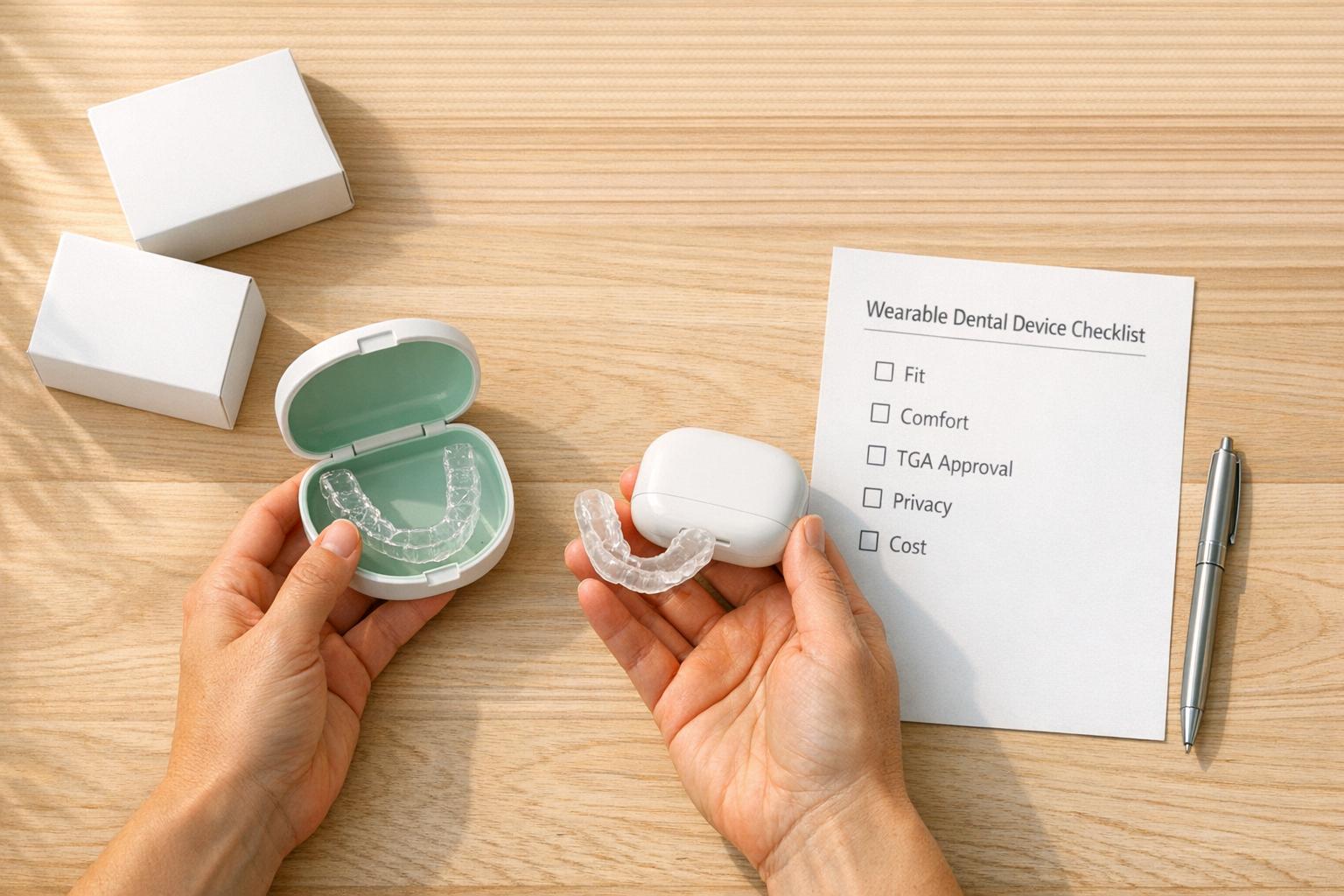
Checklist for Choosing Wearable Dental Devices
Checklist for Choosing Cloud AI Platforms in Dentistry
Complete Smiles Bella VistaAccepts All Major Health Funds, Including