





Oral Bacteria and Pregnancy Complications

Did you know that poor oral health during pregnancy can increase the risk of complications like preterm birth, low birth weight, preeclampsia, and gestational diabetes? Up to 75% of pregnant women experience gum inflammation, which allows harmful bacteria to enter the bloodstream and potentially reach the placenta. The good news? With proper dental care, you can reduce these risks significantly.
Key Facts:
- Pregnancy and Gum Health: Hormonal changes during pregnancy make gums more prone to inflammation and harmful bacteria.
- Complications: Oral bacteria can contribute to preterm labour, high blood pressure (preeclampsia), and gestational diabetes.
- Prevention: Daily brushing, flossing, and regular dental check-ups can lower risks by up to 50%.
- Safe Care: Dental treatments, including X-rays and cleanings, are safe during pregnancy, especially in the second trimester.
Take action now: Prioritise your oral health to protect both yourself and your baby. Keep reading to learn how simple steps can make a big difference.
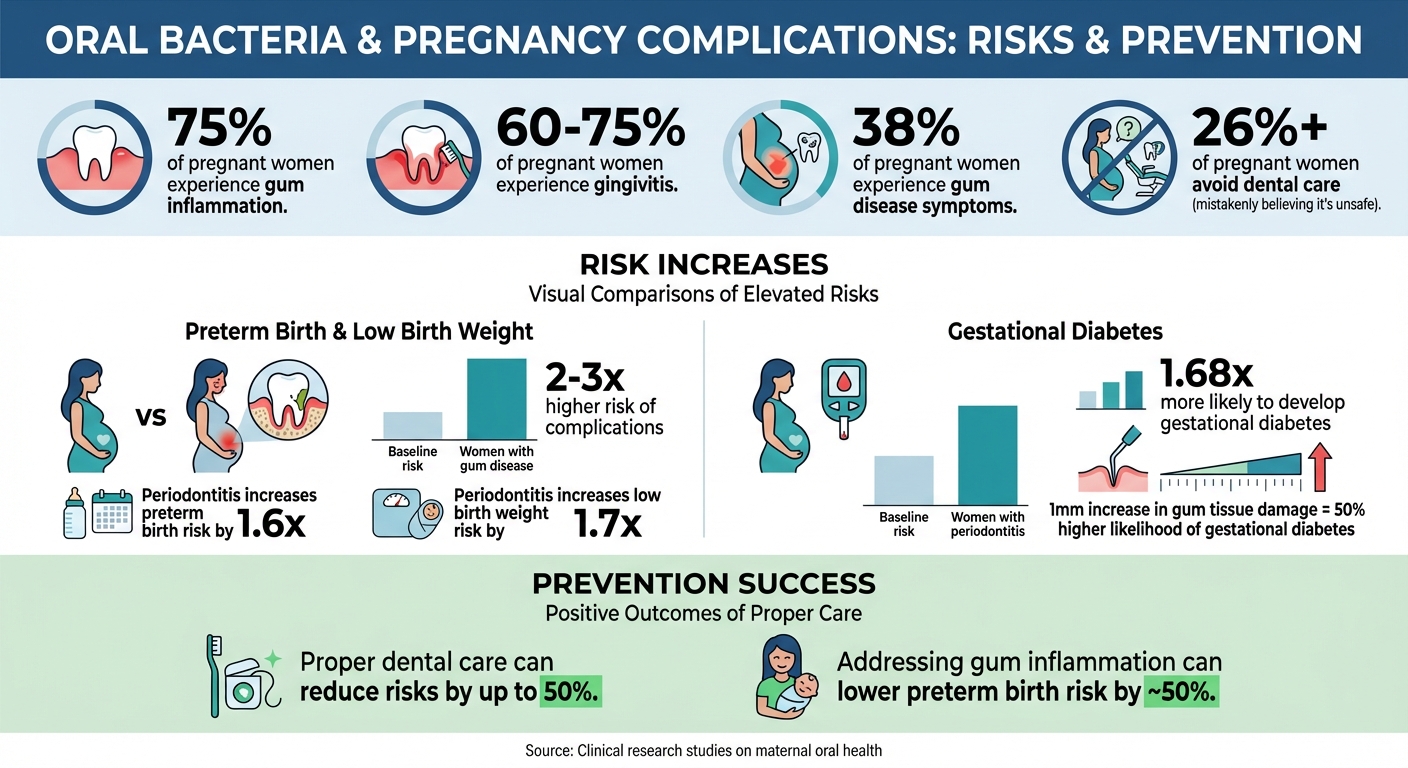
Oral Health and Pregnancy Complications: Key Statistics and Risk Factors
Oral microbes reach the placenta and can influence pregnancy complications
sbb-itb-2be92ed
How Oral Bacteria Affect Pregnancy Health
Your oral health and pregnancy are more connected than you might think. When gum tissue becomes inflamed, it opens the door for bacteria to enter your bloodstream, potentially affecting your developing baby.
How Bacteria Move from Mouth to Bloodstream
Inflamed or bleeding gums act as gateways for oral bacteria. Everyday activities like chewing, brushing, or flossing can push bacteria through these inflamed areas, leading to a condition known as bacteraemia [2][3][6]. During pregnancy, hormonal changes make gingival blood vessels more permeable and weaken the protective barrier of oral tissues, making it easier for bacteria to enter [3].
Once in the bloodstream, bacteria such as Fusobacterium nucleatum and Porphyromonas gingivalis can travel to the placenta and amniotic fluid. In a 2010 study, researchers identified F. nucleatum from a mother’s subgingival plaque as the cause of a stillbirth, offering direct evidence of oral bacteria reaching the uterus [9].
Oral bacteria can affect pregnancy health in two main ways:
- Direct pathway: Live bacteria move to the uterus, potentially causing infections like chorioamnionitis or fetal sepsis [3][6].
- Indirect pathway: Periodontal inflammation releases pro-inflammatory mediators – such as IL-1β, TNF-α, and PGE2 – into the bloodstream. These can reach the feto-placental unit, triggering uterine contractions or cervical ripening, which may increase the risk of preterm birth [2][3][5].
"The oral microbiome may be a previously overlooked source of intrauterine infection." – YW Han, Department of Periodontics, Case Western Reserve University [6]
Next, let’s examine how pregnancy itself changes the oral bacterial environment.
How Pregnancy Changes Oral Bacteria
Pregnancy hormones don’t just make gums more vulnerable – they also alter the balance of bacteria in your mouth. Higher levels of oestrogen and progesterone, especially during the first trimester, encourage the growth of certain anaerobic bacteria [3][10]. This hormonal fluctuation can cause a "pathogenic shift", where beneficial bacteria are replaced by harmful ones like Porphyromonas gingivalis, Prevotella intermedia, and Aggregatibacter actinomycetemcomitans [1][8].
At the same time, pregnancy-related immune changes – such as reduced neutrophil function and increased blood flow to the gums – make it harder for the body to fend off oral infections [3]. Hormones also reduce collagen production, weakening the gums’ ability to repair themselves [3]. While these changes usually return to normal after delivery [8], they create an environment during pregnancy that allows harmful bacteria to thrive, potentially impacting both maternal and fetal health.
Pregnancy Complications Linked to Oral Bacteria
When harmful bacteria make their way into the bloodstream, they can spark inflammation that impacts pregnancy in three major ways: preterm birth, preeclampsia, and gestational diabetes. This highlights the importance of maintaining good oral health during pregnancy. This includes attending regular check-ups and following dental X-ray safety guidelines if diagnostic imaging is required.
Preterm Birth and Low Birth Weight
Oral bacteria can travel to the placenta and amniotic fluid, where they trigger periodontal inflammation. This inflammation releases molecules like TNF-α, IL-1β, and IL-6, which contribute to premature cervical changes and can lead to early labour. Women with periodontitis face a higher risk of delivering before 37 weeks or having a baby with low birth weight. Additionally, these bacteria can cause infections such as chorioamnionitis or even fetal sepsis.
Preeclampsia
Preeclampsia, a condition marked by high blood pressure during pregnancy, may have unexpected ties to oral health. Certain oral bacteria, including Veillonella, Actinomyces, and Prevotella, play a role in converting dietary nitrates into nitric oxide – a compound vital for healthy blood vessel function and blood pressure regulation[11]. Women who develop preeclampsia often have lower levels of nitrate-reducing bacteria, particularly Veillonella parvula and Veillonella dispar, which results in decreased nitric oxide production.
On the other hand, harmful bacteria like Porphyromonas gingivalis can travel to the placenta and cause endothelial dysfunction. This contributes to the high blood pressure seen in preeclampsia.
"Periodontal infection could exacerbate the progression of pre-eclampsia, and periodontal disease was considered to be one of the risk factors for pre-eclampsia." – Mi Nannan, Shengjing Hospital of China Medical University[5]
Gestational Diabetes Mellitus
Inflammation caused by poor oral health can also interfere with insulin signalling, linking periodontitis to gestational diabetes. Women with periodontitis are 1.68 times more likely to develop gestational diabetes, and in some cases, the risk may more than double[13][14]. Alarmingly, a 1-mm increase in clinical attachment loss – a measure of gum tissue damage – can raise the likelihood of gestational diabetes by 50%[13].
The mechanism involves bacteria and their byproducts entering the bloodstream, triggering inflammatory molecules like TNF-α and IL-6. These molecules disrupt insulin signalling, making it harder for the body to regulate blood sugar. Elevated glucose levels, in turn, can encourage the growth of harmful oral bacteria, creating a vicious cycle of inflammation and poor glycaemic control[12].
"Periodontitis was associated with GDM among women of childbearing age, with systemic inflammation potentially serving as a partial mediator of this association." – BMC Oral Health[13]
Warning Signs of Oral Health Problems During Pregnancy
Spotting early signs of oral health issues during pregnancy can make a big difference, helping you get treatment before bacteria lead to more severe problems. This, in turn, lowers the risk of complications like preterm birth or low birth weight. Did you know that about 38% of pregnant women experience gum disease symptoms[15]? Unfortunately, many dismiss bleeding gums as just another pregnancy symptom, when in reality, it’s a red flag that shouldn’t be ignored.
Symptoms of Gum Disease in Pregnancy
Be on the lookout for these warning signs: gums that bleed during brushing or flossing, redness or swelling, receding gum lines, persistent bad breath that brushing doesn’t fix, tooth sensitivity, loose teeth, or a red, easily bleeding growth known as pregnancy epulis. If you notice any of these, it’s time to see your dentist.
"During pregnancy there’s a surge in oestrogen and progesterone levels which can lead to an increased inflammatory response to plaque, causing the gums to swell and bleed." – Dr. Edward Ohlrich, Periodontist[15]
Pregnant women with gum disease face two to three times the risk of complications like preterm birth or low birth weight[15]. Recognising these symptoms early is crucial, especially since pregnancy introduces several factors that can upset the balance of bacteria in your mouth.
Risk Factors for Oral Bacteria Imbalance
Several factors during pregnancy can throw off your oral bacterial balance. Morning sickness, for instance, exposes teeth to stomach acid, eroding enamel and making them more vulnerable to bacteria. Hormonal changes fuel bacterial growth and inflammation, while dietary cravings often lead to increased sugar intake, which further feeds harmful bacteria. On top of that, a newfound dislike for mint toothpaste or a heightened gag reflex might tempt you to skip brushing altogether. Shockingly, more than one in four pregnant women (26%+) avoid dental care because they mistakenly believe it’s unsafe for their baby[15].
How to Maintain Oral Health During Pregnancy
Taking care of your teeth and gums during pregnancy is crucial. Around 60% to 75% of pregnant women experience gingivitis[20], so staying on top of oral hygiene can help avoid potential complications like preterm birth or low birth weight. Keeping oral bacteria under control is key to promoting a healthy pregnancy.
Daily Oral Hygiene Practices
Stick to a consistent routine to keep your mouth healthy. Brush your teeth twice a day for at least two minutes using a soft-bristled toothbrush[17][18]. Use gentle circular motions to clean along the gumline, where plaque tends to build up. Always opt for fluoride toothpaste to strengthen enamel and prevent cavities[17][18]. Don’t forget to floss or use an interdental cleaner daily to remove bacteria between teeth[17][19]. Brushing your tongue is another simple step to reduce bacteria in your mouth[17].
If you experience morning sickness, avoid brushing right after vomiting, as the acid can weaken your enamel. Instead, rinse your mouth with a solution of 1 teaspoon of baking soda mixed in 1 cup of water to neutralise the acid[19]. If baking soda isn’t handy, a fluoride mouthwash works as well. Replace your toothbrush every 3 to 4 months – or sooner if the bristles start to fray[17].
These habits not only protect your teeth and gums but also set the stage for better nutrition and overall health during pregnancy.
Diet Choices for Oral and Maternal Health
What you eat matters for both your oral health and your baby’s development. Aim for about 1,100 mg of calcium daily by including foods like milk, cheese, yoghurt, and broccoli in your diet[18]. Calcium supports your baby’s developing teeth and bones while helping to maintain your own bone strength. Vitamin D and phosphorus are also important – foods like fatty fish, egg yolks, lean meats, and whole grains can help meet these needs[22].
Cut back on sugary and acidic foods and drinks, like soft drinks, energy drinks, and juices, as they can erode enamel and fuel harmful bacteria[18]. If you do consume acidic items, rinse your mouth with water and wait at least 30 minutes before brushing to avoid damaging softened enamel[22]. Chewing xylitol gum can help reduce cavity-causing bacteria, and snacks like cheese or milk can neutralise acids after eating or vomiting[18].
A nutrient-rich diet not only supports your overall health but also helps keep harmful bacteria in check, lowering the risk of gum inflammation.
Regular Dental Check-Ups During Pregnancy
In addition to daily care and a healthy diet, regular dental visits are essential during pregnancy. Professional check-ups and treatments, including X-rays (with proper shielding) and local anaesthetics, are safe at any stage of pregnancy[18][16]. In fact, untreated dental issues can pose greater risks to your baby than the procedures themselves[16]. Schedule a dental appointment early in your pregnancy and let your dentist know you’re expecting[18][21].
"Oral health is an important component of general health and should be maintained during pregnancy and through a woman’s lifespan." – American College of Obstetricians and Gynecologists[19]
Professional cleanings can tackle plaque and tartar that are hard to remove at home, especially if you’re dealing with sensitive gums or a strong gag reflex[18]. While dental care is safe throughout pregnancy, many women find the second trimester the most comfortable time for treatments, as morning sickness often subsides by then[16]. Regular monitoring helps prevent bacteria from leading to serious complications.
Professional Dental Care During Pregnancy
Safe Dental Treatments During Pregnancy
Professional dental care is not only safe during pregnancy but also essential for maintaining overall health. According to the Australian Dental Association, delaying necessary dental treatment can increase the risk of infections stemming from untreated tooth decay or gum disease. With proper precautions, such as using a lead apron, even procedures like dental X-rays and local anaesthetics are safe during pregnancy[24].
For many women, the second trimester (months 4–6) is an ideal time for dental treatments. By this stage, morning sickness often eases, making it more comfortable to undergo procedures[24][25]. That said, if a dental emergency arises, it’s important to address it immediately, no matter the stage of pregnancy. Be sure to let your dentist know you are pregnant so they can tailor your care accordingly.
It’s also worth noting that teeth whitening should be avoided during pregnancy and breastfeeding, as there is no evidence confirming its safety at these times[24].
These safe practices ensure pregnant women receive the care they need without compromising their health or their baby’s well-being.
Complete Dental Care for Pregnant Women
Taking care of gum health during pregnancy is critical. Conditions like periodontitis have been associated with serious outcomes, including preterm birth, low birth weight, and preeclampsia[3]. Regular dental cleanings to remove plaque and tartar are essential for reducing harmful bacterial growth that can lead to these complications.
Pregnant women should also keep an eye on benign gum growths, such as pyogenic granulomas, and discuss them with their dentist if they appear[24]. Additionally, dentists can provide advice on managing enamel erosion caused by morning sickness, helping to protect teeth from further damage.
Complete Smiles Bella Vista (https://completesmilesbv.com.au) offers a full range of dental services tailored specifically for pregnant women. Under the guidance of Dr. James Hanna, the clinic provides personalised care plans that address the unique oral health needs of expectant mothers, including general dentistry, gum disease management, and emergency treatments.
"Monitoring and management of oral health diseases in pregnant patients is vital in reducing the adverse outcomes from occurring." – Australian Dental Association[3]
Conclusion
Research reveals that between 60% and 75% of pregnant women experience gingivitis, while untreated periodontitis can raise the risk of preterm birth by 1.6 times and low birth weight by 1.7 times[20][23]. These figures highlight the importance of prioritising oral health during pregnancy to protect both mother and baby.
Fortunately, professional dental care during pregnancy is both safe and effective. Studies show that addressing gum inflammation during this time can lower the risk of preterm birth by about 50%[4]. Simple steps like brushing with fluoride toothpaste, flossing daily, and scheduling professional cleanings – ideally during the second trimester – can help prevent harmful bacteria from entering the bloodstream and causing inflammation.
"Oral health is an essential yet often overlooked component of prenatal care." – Muhammad Mohsin Javaid et al.[7]
Improving maternal oral health also reduces the chance of passing cavity-causing bacteria to infants, which can decrease their risk of developing dental decay later in life[20]. By maintaining good oral hygiene and attending regular dental check-ups, you not only protect yourself but also set the stage for your child’s future oral health.
If you’re pregnant or planning to become pregnant, make dental care a priority. Let your dentist know about your pregnancy so they can create a treatment plan that’s safe for you. Remember, the risks of untreated oral infections often outweigh those of well-managed dental procedures. A healthy mouth plays a key role in supporting a healthy pregnancy.
FAQs
Can gum disease harm my baby even if I feel fine?
Yes, gum disease can affect your baby, even if you’re not experiencing noticeable symptoms. Oral infections can trigger inflammation and allow harmful bacteria to travel through your bloodstream, potentially increasing the chances of complications like preterm birth or low birth weight. Prioritising proper oral hygiene during pregnancy is crucial for safeguarding both your health and your baby’s development.
What should I do if I vomit so my teeth don’t get damaged?
When you’ve vomited, it’s important to take steps to protect your teeth without causing further damage. Start by rinsing your mouth with plain water or an alcohol-free fluoride mouthwash – this helps remove acids without harming your enamel. Avoid brushing your teeth right away, as this can worsen enamel erosion. Instead, wait at least 30 minutes before brushing.
In the meantime, you can gently apply a small dab of fluoride toothpaste to your teeth using your finger. Another helpful tip is to chew sugar-free gum, which stimulates saliva production. Saliva naturally helps neutralise the stomach acids lingering in your mouth.
When is the safest time in pregnancy to get dental treatment?
The second trimester is often considered the best time for dental treatment during pregnancy. It’s a sweet spot – early pregnancy risks are lower, and it’s still comfortable enough before the later stages, where lying back for procedures can become challenging.
Related Blog Posts
- Oral Microbiome vs. Preterm Birth: Understanding the Link
- Periodontal Disease and Preterm Birth: Prevention Strategies
- Oral Infections and Fetal Development: What to Know
- Periodontal Disease and Preterm Birth Risk
Important Notice: Any surgical or invasive procedure carries risks. Before proceeding, you should seek a second opinion from an appropriately qualified health practitioner.
Individual results may vary. The information provided in this article is for educational purposes only and does not constitute medical advice.
Checkout Related Blogs




Get in touch with us
For more information, call us now to start feeling better. Or fill the form below to make appointment
The Latest News from Complete Smiles
How to Clean Clear Plastic Retainers
Checklist for Choosing Wearable Dental Devices
Checklist for Choosing Cloud AI Platforms in Dentistry

Complete Smiles Bella VistaAccepts All Major Health Funds, Including





