





Oral Infections and Fetal Development: What to Know
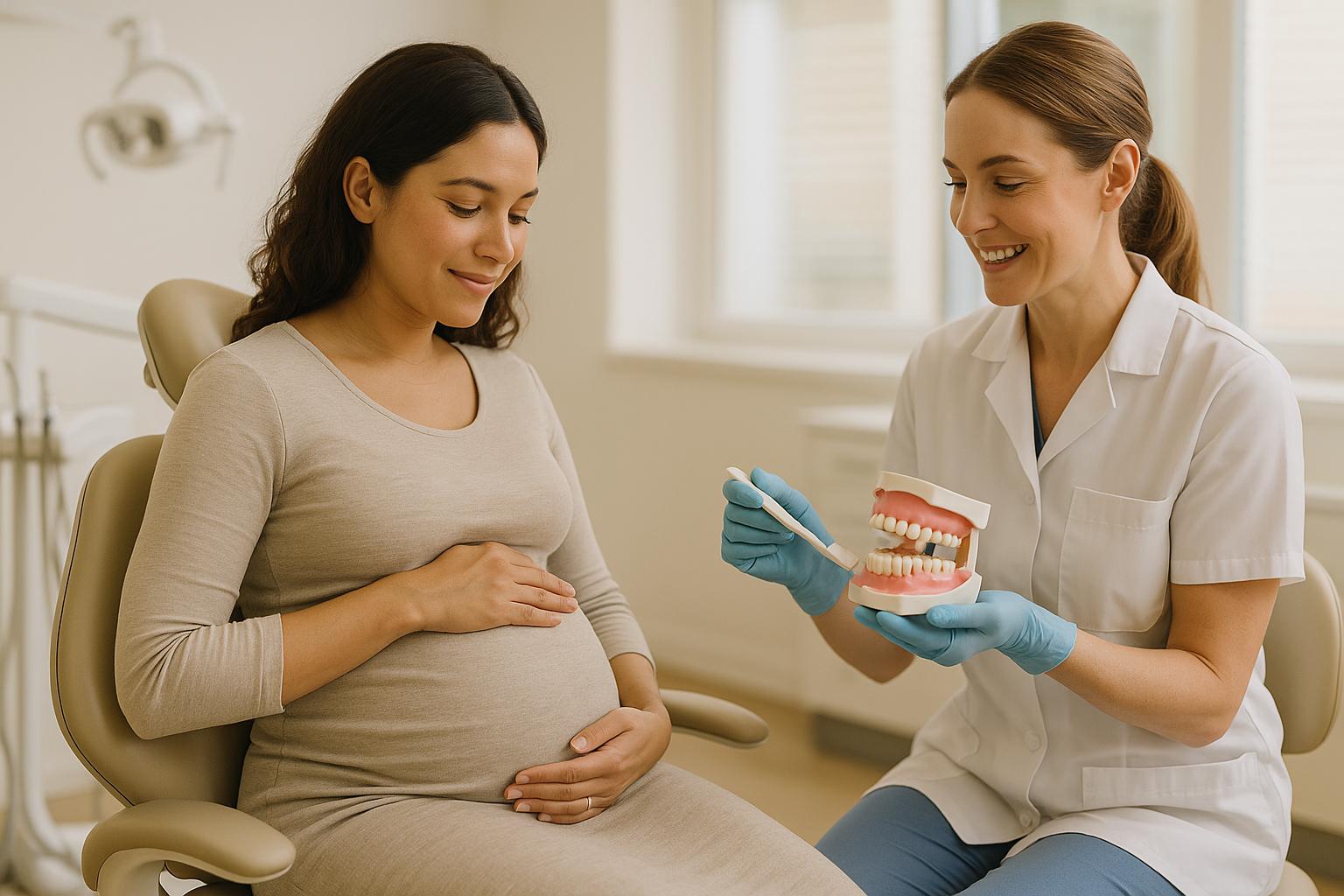
Pregnancy can significantly affect your oral health and your baby’s development. Gum problems impact nearly 75% of pregnant women, with oral bacteria potentially entering the bloodstream and causing complications like inflammation, preterm birth, and low birth weight. Hormonal shifts during pregnancy weaken the immune system, making infections more likely. Bacteria such as Fusobacterium nucleatum and Prevotella intermedia can invade the placenta, increasing risks to the baby.
Key points to protect yourself and your baby:
- Brush twice daily with fluoride toothpaste, floss regularly, and rinse after morning sickness.
- Prioritise dental check-ups, especially during the second trimester.
- Watch for signs like excessive gum bleeding or persistent bad breath, and seek immediate care if needed.
- Maintain a diet rich in calcium, vitamin D, and vitamin C while avoiding sugary foods.
Professional dental care during pregnancy is safe and helps prevent complications. Addressing oral health early supports both your well-being and your baby’s healthy development.
Dental Hygiene During Pregnancy And Postnatal Period
How Oral Infections Affect Fetal Development
Oral infections during pregnancy can lead to complications that may influence fetal development through two main pathways. First, these infections can trigger systemic inflammation, affecting the mother’s overall health. Second, bacteria from periodontal infections may invade the placenta, potentially putting the developing baby at risk.[1] Let’s take a closer look at how specific bacteria and the resulting inflammation contribute to these issues.
Periodontal Bacteria and the Bloodstream
When gum disease damages oral tissues, it creates an entry point for bacteria such as Fusobacterium nucleatum, Porphyromonas gingivalis, and Eikenella to enter the bloodstream.[5][6] Research has detected these pathogens in amniotic fluid, showing that bacteria like F. nucleatum and P. gingivalis can cross the placental barrier.[6]
Animal studies and documented cases reveal that F. nucleatum can infiltrate the placenta, triggering acute inflammation that may result in fetal death.[1] Additionally, less common bacteria, such as those from the TM7 group, have been found in the placenta and linked to adverse pregnancy outcomes.[1]
A systematic review of 24 studies conducted between 1996 and 2006, involving approximately 15,000 mothers across various regions, highlighted a connection between periodontitis and complications such as preterm birth and low birth weight.[4] This research underscores the role of bacterial invasion in pregnancy complications. However, the damage isn’t just caused by the bacteria themselves – systemic inflammation also plays a critical role.
Inflammation During Pregnancy
Once bacteria enter the system, the body’s inflammatory response can further threaten fetal development. This invasion triggers an increase in inflammatory mediators – such as PGE-2, TNF-α, IL-6, and IL-1β – which have been detected in the amniotic fluid of affected women.[4] Elevated PGE-2 levels, in particular, can reduce placental blood flow, potentially causing placental necrosis and contributing to intrauterine growth restriction.[4]
Moreover, moderate to severe periodontal disease has been linked to higher levels of serum C-reactive protein (CRP) early in pregnancy, a marker associated with an increased risk of pre-eclampsia.[1] Repeated bacterial infections and the subsequent acute phase response in the liver amplify the production of inflammatory mediators, compounding the risk of adverse pregnancy outcomes.[4][7]
Pregnancy Complications Linked to Oral Infections
Untreated oral infections can significantly affect pregnancy, disrupting normal physiology and leading to serious complications.
Preterm Birth and Low Birth Weight
Periodontal bacteria may increase prostaglandin (PGE₂) levels, which could trigger premature labour. A systematic review involving nearly 15,000 mothers from 12 countries found a positive link between periodontitis and adverse outcomes such as preterm birth and low birth weight. Elevated PGE₂ levels can also restrict placental blood flow, impairing foetal growth. While some large U.S. randomised controlled trials didn’t find a direct association, the broader evidence supports a connection between maternal periodontal disease and these outcomes.[4] These inflammatory processes also contribute to other pregnancy-related complications.
Pre-eclampsia and High Blood Pressure
The effects of periodontal infections extend beyond the mouth, often triggering systemic inflammation. Severe periodontal disease has been associated with higher levels of serum C-reactive protein (CRP) early in pregnancy – a marker linked to an increased risk of pre-eclampsia. Additionally, recurrent bacteraemia can release inflammatory mediators like IL‑6 and IL‑8, which are tied to cardiovascular complications.[1][4]
These risks are further compounded by hormonal changes during pregnancy, which can make oral health challenges more pronounced.
Pregnancy Gingivitis
Hormonal shifts, particularly in oestrogen and progesterone, can weaken the immune system and encourage the growth of specific oral bacteria. For instance, the bacterium Prevotella intermedia, associated with periodontitis, can increase by up to 55 times during pregnancy. Morning sickness adds to the problem by lowering oral pH and weakening enamel, while reduced saliva production fosters bacterial growth. These factors can lead to pregnancy gingivitis, marked by irritated and bleeding gums, which may progress to periodontitis. This more severe gum disease has been linked to preterm delivery and low birth weight.[8]
Women experiencing gingival bleeding should seek periodontal therapy, as early treatment can be effective even before periodontitis develops. Studies confirm that treating maternal periodontal conditions is safe for both mother and baby, emphasising the importance of professional dental care during pregnancy.[1][4] Timely intervention not only protects oral health but also supports overall maternal and foetal well-being.
For personalised dental care during pregnancy, including thorough assessments and tailored treatment plans, visit Complete Smiles Bella Vista.
sbb-itb-2be92ed
Preventing Oral Health Problems During Pregnancy
Pregnancy brings unique challenges when it comes to oral health, but building consistent habits can protect both mum and baby from complications linked to oral infections. Knowing how to maintain good oral hygiene, when to visit the dentist, and which foods support dental health can make a big difference in pregnancy outcomes. Here’s how to stay on top of it.
Daily Oral Hygiene
Pregnancy hormones can wreak havoc on oral health. Changes in oestrogen and progesterone can weaken the immune system and reduce saliva production, creating a perfect environment for bacteria to thrive. This makes pregnant women more prone to gum issues like periodontitis.
To combat this, brushing your teeth twice a day with a soft-bristled toothbrush and fluoride toothpaste is key. Use gentle circular motions to protect sensitive gums. Fluoride not only strengthens tooth enamel and prevents cavities but also supports the development of your baby’s primary teeth, which start forming during pregnancy[3].
Flossing daily or using a water flosser can help remove plaque from hard-to-reach spots.
Morning sickness adds another layer of difficulty. Vomiting leaves behind stomach acids that can damage teeth. Instead of brushing immediately after, rinse your mouth with water or fluoride mouthwash to neutralise the acid. Wait about 30 minutes before brushing to avoid harming softened enamel.
Antimicrobial mouthwashes, like those containing chlorhexidine or essential oils, can also help manage bacterial growth. Pregnancy can be stressful and physically demanding, which might make it harder to stick to an oral care routine. Keeping dental products handy and making oral hygiene part of your daily rhythm can help overcome these challenges.
Regular Dental Check-ups
While daily care is essential, regular visits to the dentist provide an extra layer of protection. Professional cleanings remove plaque and tartar that daily brushing and flossing might miss, reducing the risk of gingivitis turning into periodontitis.
The second trimester (weeks 14–20) is often the best time for dental treatments, as the baby’s organs are fully developed and the pregnancy is generally more stable[3]. However, emergency dental care should never be delayed, regardless of the trimester, as untreated pain or infections can pose risks to both mum and baby.
Gum problems are incredibly common during pregnancy – affecting nearly 75% of women[3]. If you notice excessive gum bleeding, let your dentist know. This could be a sign of pregnancy-related gingivitis, which has been linked to serious complications like preterm birth and stillbirth[1]. Fortunately, early treatment is safe and effective, and addressing gum issues during pregnancy does not harm the baby’s development.
Make sure your dentist knows you’re pregnant so they can tailor your care. For example, they might avoid unnecessary X-rays or adjust the treatment setup to keep you comfortable.
Diet and Lifestyle During Pregnancy
What you eat plays a big role in oral health during pregnancy. A diet rich in calcium, phosphorus, vitamin D, and vitamin C supports strong teeth and gums while providing essential nutrients for your baby’s growth. Calcium and phosphorus strengthen maternal teeth and the baby’s developing bones, while vitamin D helps your body absorb calcium. Vitamin C promotes gum health and can reduce the risk of gingivitis[3].
Cutting back on sugary and acidic foods is also important. Frequent snacking on sugary items creates an acidic environment in the mouth, encouraging cavity-causing bacteria to thrive. This can affect not just your teeth but potentially your child’s oral health in the future[2]. Instead, focus on nutrient-packed meals and stay hydrated throughout the day to support saliva production, which naturally protects against bacteria.
Avoid smoking and limit alcohol, as both can harm oral and overall health. Smoking, in particular, reduces saliva production and weakens the body’s ability to fight infections[2]. Managing stress through relaxation techniques and sticking to a steady sleep schedule can also help you maintain the energy and focus needed for good oral care.
Nutritional deficiencies, like low iron or vitamin C levels, can lead to gum bleeding and other complications, especially in the third trimester[9]. Ensuring you get enough of these nutrients – whether through diet or supplements recommended by your doctor – can support both your oral health and a healthy pregnancy overall. Incorporating oral health into prenatal care is an important step in protecting both mum and baby.
When to See a Dentist During Pregnancy
Taking care of your dental health during pregnancy is crucial for both you and your baby. While regular check-ups are essential, certain symptoms should prompt you to seek immediate dental care.
Warning Signs of Gum Disease or Infection
Some symptoms can signal the need for professional dental attention. For instance, while mild gum sensitivity is common, excessive bleeding during brushing or flossing might indicate pregnancy-related gingivitis[1]. Similarly, persistent bad breath, gum swelling or tenderness, and redness could suggest bacterial growth or an infection that needs treatment.
If you experience severe tooth pain, swelling, or fever, these could be signs of an abscess, which requires urgent care. Ignoring these symptoms could pose risks not just to your health but also to your baby’s[1][3]. Additionally, any noticeable changes in how your teeth align or bite should be evaluated by a dentist, as they may point to underlying issues.
Even if symptoms seem mild, conditions like gingivitis can quietly lead to complications if left untreated. Recognising these signs early allows you to address potential problems before they escalate.
Safe Timing for Dental Treatments
If you notice any of the warning signs, timing your dental treatment appropriately is important. The second trimester is generally the best time for scheduled dental procedures. By this stage, the baby’s organs are developed, and the pregnancy is stable enough to handle dental care comfortably[4].
That said, emergency dental treatments should never be postponed. If you’re dealing with severe pain, an infection, or other urgent dental issues, getting timely care is far safer than delaying it[1][3].
Routine preventive care, such as cleanings, is safe throughout pregnancy and may even be recommended more frequently to manage hormonal changes that affect oral health. However, elective cosmetic treatments are best saved for after delivery, so you can focus on maintaining your overall dental health during this period.
For mums-to-be seeking dental care tailored to pregnancy-specific needs, Complete Smiles Bella Vista provides a range of general dentistry services with a personalised approach. Communication between your dentist and obstetrician is key to ensuring your care supports both you and your baby. If you have any concerns, don’t hesitate to contact your dental provider – addressing oral health issues promptly is an essential part of a healthy pregnancy.
Conclusion
Taking care of your oral health during pregnancy is not just about protecting your smile – it’s also about supporting your baby’s healthy development. As we’ve explored, oral infections during pregnancy can lead to serious complications like preterm birth, low birth weight, and even pre-eclampsia. With hormonal changes often causing gum issues, maintaining a good oral care routine becomes even more important [1][4].
The good news? Prevention is straightforward. By brushing and flossing daily and scheduling regular dental check-ups, you can manage the bacterial growth that hormonal fluctuations may encourage [2]. It’s also worth noting that professional dental care during pregnancy is perfectly safe and far outweighs the risks of leaving oral infections untreated [3][4]. Taking these steps not only protects your health but also safeguards your baby’s well-being.
Be on the lookout for warning signs like swollen gums, persistent bad breath, or excessive bleeding. If you notice any of these, don’t hesitate to seek a dental evaluation. Addressing these symptoms early ensures better long-term health outcomes for both you and your baby. For tailored dental care during pregnancy, Complete Smiles Bella Vista provides personalised general dentistry services designed to meet your unique needs. Remember, maintaining good oral hygiene now can prevent passing cavity-causing bacteria to your baby, giving them the best start in life [2].
FAQs
Can oral infections during pregnancy affect my baby’s development?
Yes, oral infections during pregnancy can influence your baby’s development. Issues like gum disease (periodontitis) or untreated dental infections might raise the chances of complications such as low birth weight, preterm delivery, or developmental challenges. This happens because oral infections can trigger inflammation or allow harmful bacteria to circulate, potentially affecting both the mother’s and baby’s overall health.
Taking care of your oral health is especially important during pregnancy. Regular dental check-ups and maintaining good oral hygiene can make a big difference. If you’re pregnant or planning to be, it’s a good idea to consult your dentist to address any dental issues and support a healthy pregnancy.
What oral care steps should I take during pregnancy to protect my health and my baby’s development?
Maintaining good oral health during pregnancy is important for both your wellbeing and your baby’s development. The hormonal shifts that occur can heighten the risk of gum problems and other dental issues, which might even affect pregnancy outcomes.
To stay on top of your oral hygiene, make sure to brush your teeth twice a day with fluoride toothpaste and floss daily to keep plaque at bay. Regular dental check-ups and cleanings are also a must – your dentist can keep an eye on your oral health and address any concerns early on. If you experience swollen or bleeding gums, don’t delay in reaching out to your dentist.
A balanced diet packed with fruits, vegetables, and plenty of calcium can do wonders for both your mouth and overall health during this time. And don’t forget to let your dentist know you’re pregnant – they can adjust treatments to suit your needs.
What are the warning signs of oral infections to look out for during pregnancy?
During pregnancy, hormonal shifts can make your gums more sensitive and heighten the risk of oral infections. Be alert to signs like red, swollen, or bleeding gums, ongoing bad breath, toothaches, or sensitivity to hot and cold foods or drinks. If you experience any of these symptoms, it’s essential to see a dentist quickly to safeguard your oral health and support your baby’s development.
To minimise the risk of infections, stick to good oral hygiene habits: brush your teeth regularly, floss daily, and schedule dental check-ups. If you have concerns about your dental health during pregnancy, consult a professional for advice tailored to your specific needs.
Related Blog Posts
- Oral Microbiome vs. Preterm Birth: Understanding the Link
- Oral Infections and Preterm Birth: 1st vs. 3rd Trimester
- Periodontal Disease and Preterm Birth: Prevention Strategies
- Pregnancy Gingivitis: Risks for Mother and Baby
Important Notice: Any surgical or invasive procedure carries risks. Before proceeding, you should seek a second opinion from an appropriately qualified health practitioner.
Individual results may vary. The information provided in this article is for educational purposes only and does not constitute medical advice.
Checkout Related Blogs




Get in touch with us
For more information, call us now to start feeling better. Or fill the form below to make appointment
The Latest News from Complete Smiles
How to Clean Clear Plastic Retainers
Checklist for Choosing Wearable Dental Devices
Checklist for Choosing Cloud AI Platforms in Dentistry

Complete Smiles Bella VistaAccepts All Major Health Funds, Including





