





Dental X-Rays and Pregnancy: Safety Guidelines

Are dental X-rays safe during pregnancy? Yes, they are. Here’s what you need to know:
- Minimal Radiation Exposure: Foetal exposure from dental X-rays is extremely low (0.009–7.97 μSv), far below natural daily background radiation levels.
- Safety Measures: Lead aprons, thyroid collars, and modern digital X-ray technology significantly reduce radiation risk.
- Timing: Non-urgent X-rays are often scheduled during the second trimester for comfort, but emergency X-rays are safe at any stage.
- Expert Endorsements: The American Dental Association (ADA) and Australian Radiation Protection and Nuclear Safety Agency (ARPANSA) confirm dental X-rays are safe for pregnant women when proper protocols are followed.
Key takeaway: Delaying necessary dental care can lead to complications. With strict safety measures in place, dental X-rays are a safe and effective diagnostic tool during pregnancy.
Is It Safe To Have Dental X-rays During Pregnancy? – The Pro Dentist
Safety Guidelines for Dental X-Rays in Pregnancy
In Australia, dental practices follow strict protocols designed to protect both expectant mothers and their unborn babies, all while ensuring accurate diagnoses. Let’s break down the key aspects of radiation exposure and the safety measures in place.
Radiation Exposure and Foetal Safety
The amount of radiation a foetus is exposed to during a dental X-ray, including cone-beam computed tomography (CBCT), ranges between 0.009 μSv and 7.97 μSv[3]. To put this into perspective, this is typically less than the natural background radiation a foetus encounters daily. For example, a single bitewing X-ray delivers about 0.001 mSv, and even multiple X-rays result in exposure levels far below the daily background radiation[10].
Research shows that diagnostic exposures under 50 mSv pose no harm to a foetus, and most dental procedures fall well under 10 mSv[8]. This ensures that the risks remain negligible while the benefits of accurate diagnosis are maintained.
Protective Measures for Pregnant Patients
Dental professionals take extra precautions to minimise radiation exposure for pregnant patients. Some of the key measures include:
- Protective shielding: Lead aprons and thyroid collars are routinely used to shield the patient. Lead aprons, for instance, can reduce radiation exposure to the foetus by approximately 50%[9].
- Advanced imaging technology: Modern equipment, such as F-speed film or digital sensors, is designed to minimise radiation exposure while maintaining image quality[4].
- Pregnancy screening: Before performing any X-ray, dental teams confirm whether a patient might be pregnant[3]. If pregnancy is confirmed, they explore non-radiological alternatives whenever possible[3]. If imaging is absolutely necessary, the exposure settings are carefully optimised to ensure safety.
ARPANSA Guidelines and ALARA Principle
These safety measures align with national standards set by the Australian Radiation Protection and Nuclear Safety Agency (ARPANSA). ARPANSA provides clear reassurance, stating:
"There is no need on radiation protection grounds to defer dental radiography during pregnancy."[7]
Dental practices also follow the ALARA principle – As Low As Reasonably Achievable. This approach ensures that every X-ray exposure is justified by the clinical benefits and kept to the lowest level possible without compromising diagnostic quality[4].
For pregnant dental workers, ARPANSA specifies that the additional radiation dose to the unborn child must not exceed 1 mSv for the remainder of the pregnancy. ARPANSA further explains:
"When a pregnancy is declared by an occupationally exposed female, the working conditions of that person should be such as to ensure that the additional dose to the embryo/foetus would not exceed 1 mSv during the remainder of the pregnancy."[6]
Additionally, the foetus typically receives no more than 25% of the dose recorded on a personal dosimeter. When exposure remains below 1 mSv, the risk of health effects is considered negligible[6]. These strict guidelines ensure that the benefits of dental imaging far outweigh any potential risks, providing peace of mind for both patients and healthcare providers.
When to Schedule Dental X-Rays During Pregnancy
Timing dental X-rays during pregnancy is all about balancing safety, comfort, and necessity. While emergency situations always take precedence, routine imaging should be scheduled thoughtfully to ensure the best care for both mother and baby.
First Trimester: Delaying Non-Urgent X-Rays
The first trimester is when the foetus undergoes rapid development, which is why non-urgent dental X-rays are usually postponed until the second trimester or after childbirth[2]. This isn’t because of a specific radiation risk but rather as an extra precaution. That said, emergencies like severe tooth pain, infections, or trauma may still require immediate attention, including X-rays if necessary. The American Dental Association assures:
"regular and emergency dental care, including the use of local anaesthetics and radiographs, is safe at any stage during pregnancy"[1].
So, if an emergency arises, rest assured that dental X-rays can be safely performed.
Second Trimester: Ideal Time for Routine X-Rays
The second trimester (weeks 13–27) is considered the best time for routine dental X-rays and treatments[2]. By this stage, morning sickness typically subsides, and mobility is still relatively easy, making dental visits more manageable. According to the American Pregnancy Association:
"preventive dental cleanings and annual exams during pregnancy are not only safe but are recommended"[11].
This period strikes a good balance between patient comfort and the ability to address dental needs effectively.
Third Trimester: Prioritising Comfort
By the third trimester, comfort becomes the main concern during dental visits. Lying flat on your back for extended periods can compress the vena cava, reducing blood flow and causing discomfort. To address this, dental teams often adjust positioning to a semi-reclined posture, sometimes with a support pillow or slight tilt, to improve circulation and ease pressure. Routine procedures may be postponed if they aren’t urgent, but if X-rays are needed, modern digital equipment allows for quicker imaging, minimising time spent in a single position. Discuss these options with your dentist to ensure a comfortable experience during this stage of pregnancy.
Common Myths About Dental X-Rays and Pregnancy
Even with strict safety measures in place, myths about dental X-rays during pregnancy continue to circulate. These misconceptions can lead to unnecessary worry and even influence decisions about dental care. Let’s address two of the most common myths and see what science has to say.
Myth: All X-Rays Are Harmful During Pregnancy
A widespread belief is that any exposure to X-rays during pregnancy poses a danger to the baby due to concerns about ionising radiation. However, dental X-rays involve an extremely low level of radiation. In fact, the amount of radiation a foetus is exposed to during a dental X-ray is less than what they’re exposed to from natural background radiation in daily life.
The American College of Radiology highlights:
"The benefits of dental X-rays far outweigh the risks" [14].
Research supports this, showing that foetal risks are negligible for radiation exposures below 50 mGy – far exceeding the levels associated with dental X-rays [13]. To put it in perspective, the cancer risk to an unborn child from a 10 μSv foetal dose is thousands of times lower than the baseline risk of childhood cancer [3]. When dental X-rays are necessary to diagnose infections, trauma, or other issues, the slight radiation exposure is far outweighed by the benefits of accurate diagnosis and treatment.
Myth: Shielding Reduces Image Quality
Another myth suggests that using protective measures like lead aprons and thyroid collars compromises the quality of dental X-ray images. Thanks to modern digital imaging and advanced radiographic techniques, this concern is largely outdated. High-quality diagnostic images can still be obtained even when protective equipment is used. Problems with image quality generally occur only if the shielding interferes with the main X-ray beam.
Dr. Purnima Kumar, Professor of Dentistry and Chair of the Department of Periodontology and Oral Medicine at the University of Michigan School of Dentistry, explains:
"Lead aprons and thyroid collars can also block the primary X-ray beam, preventing dentists from capturing the image they need."
In 2019, the American Association of Physicists in Medicine recommended discontinuing lead aprons for most procedures, noting that modern equipment makes them unnecessary for safety and, in some cases, they may even affect image quality [12]. With proper techniques and positioning, dental professionals can achieve clear, precise images while keeping radiation exposure to a minimum. This ensures safety and diagnostic accuracy go hand in hand.
sbb-itb-2be92ed
Working with Your Healthcare Team
When it comes to dental care during pregnancy, safety and effective treatment go hand in hand. While safety protocols help minimise radiation exposure, the key to comprehensive care is seamless coordination between your dentist and obstetrician. Together, they can ensure both you and your baby stay protected.
Creating a Safe Treatment Plan
Your dentist and obstetrician work together to develop a treatment plan that considers urgent dental needs while addressing pregnancy-related risks. This collaboration becomes especially crucial when procedures like dental X-rays or other treatments are necessary. Both healthcare providers assess the urgency of the situation and weigh it against any factors specific to your pregnancy.
The American Dental Association highlights the importance of this teamwork, stating:
"When treating pregnant patients, it might be helpful to reach out to the obstetrician to develop a working relationship should consultation later." [1]
If urgent dental symptoms arise, your dentist consults your obstetrician to balance the potential risks and benefits of treatment. Your obstetrician can provide insights into whether your pregnancy is high-risk and flag any concerns that could influence dental care [1]. On the other hand, your dentist can explain why specific treatments are necessary and propose alternatives if needed.
Medication decisions are another area where collaboration is essential. Your dentist consults your obstetrician to evaluate the safety of prescribed medications, ensuring that both dental and obstetric guidelines are respected [1]. This integrated approach ensures every aspect of your care is carefully considered.
This level of teamwork not only benefits individual patients but also highlights a broader issue in prenatal dental care. For instance, studies show that 80% of obstetricians do not perform oral health screenings, and 94% rarely refer patients to dentists [5]. However, when dental and obstetric teams collaborate, they can encourage more women to prioritise oral health during pregnancy, improving outcomes for both mother and baby [5].
Complete Smiles Bella Vista: Safe Dental Care During Pregnancy

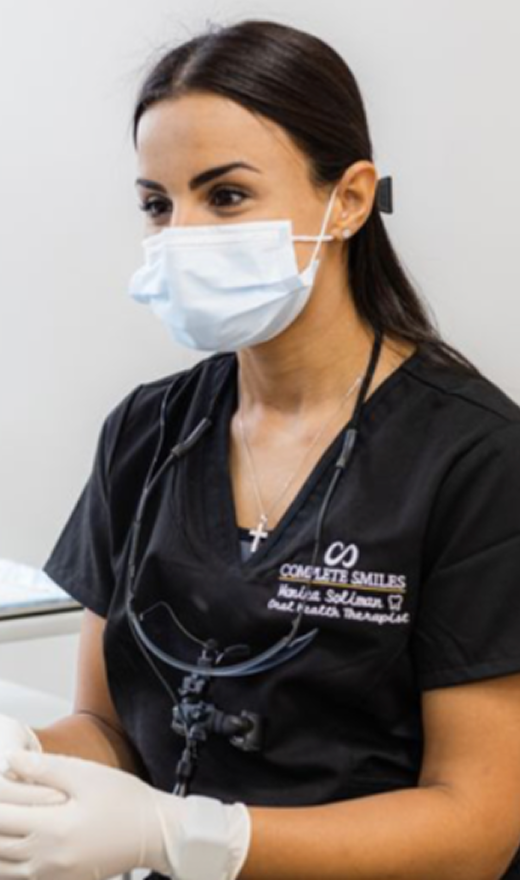
Complete Smiles Bella Vista prioritises safe and effective dental care for expectant mothers, recognising the unique needs that arise during pregnancy. Under the guidance of Dr. James Hanna, the clinic ensures that all procedures, including diagnostic imaging, are carried out with the utmost care to protect both mother and baby.
The team adheres to strict safety protocols, ensuring that dental X-rays, when necessary, are safe and justified for pregnant patients.
Advanced Safety Measures
The clinic employs advanced digital X-ray technology and robust protective measures to minimise radiation exposure. These practices align with the ALARA principle (As Low As Reasonably Achievable), ensuring safety without compromising diagnostic quality [4]. Radiation exposure from dental X-rays remains significantly lower than daily background radiation levels.
To enhance protection, the clinic uses lead aprons and thyroid shields as standard practice. They also rely on the fastest imaging methods available, such as F-speed film or digital sensors, to reduce exposure time while maintaining clear and accurate results [4].
Tailored Care for Expectant Mothers
Dr. James Hanna and his team work closely with patients and, when necessary, their obstetricians to address any concerns. Pregnancy can increase the risk of oral health issues like gingivitis and dental caries [1], making timely diagnosis and treatment essential. The clinic ensures that patients understand the importance of addressing these issues promptly, as delaying care can sometimes pose greater risks than the minimal exposure from properly shielded dental X-rays.
This personalised approach reflects their commitment to following international guidelines and providing care that prioritises both the mother’s and baby’s health.
Backed by Evidence-Based Guidelines
Complete Smiles Bella Vista follows recommendations from leading health organisations to reassure patients about the safety of dental care during pregnancy. The American College of Obstetricians and Gynecologists advises:
"Patients often need reassurance that prevention, diagnosis, and treatment of oral conditions, including dental X-rays (with shielding of the abdomen and thyroid) and local anaesthesia (lidocaine with or without epinephrine), are safe during pregnancy." [15]
The clinic emphasises that pregnancy should never be a reason to avoid necessary dental X-rays when proper shielding is used [16]. For expectant mothers seeking safe and thorough dental care, Complete Smiles Bella Vista offers tailored treatment plans designed to safeguard both maternal and foetal health. For more information, visit Complete Smiles Bella Vista.
Conclusion
Dental X-rays are considered safe during pregnancy when safety protocols are followed. Foetal exposure levels (ranging from 0.009–7.97 μSv) are significantly lower than the natural radiation levels encountered daily [3]. Ensuring safety involves adhering to strict protective measures, such as using shielding and following the ALARA principle, while limiting imaging to cases where it is clinically necessary. This approach is endorsed by major health organisations, including the American Dental Association (ADA) and the American College of Obstetricians and Gynecologists (ACOG).
"According to the ADA and ACOG, having dental X-rays during your pregnancy is considered safe with appropriate shielding." [11]
Avoiding necessary dental X-rays can result in untreated infections, which could lead to complications for both the mother and baby. Timely diagnosis and treatment are crucial, as the risks associated with proper imaging are minimal.
For expectant mothers, the best course of action is to notify your dentist about your pregnancy, choose clinics equipped with digital X-ray technology, and maintain excellent oral hygiene throughout. Preventive dental care, including essential diagnostic imaging, should not be delayed due to pregnancy concerns when the appropriate safety measures are observed.
FAQs
Are dental X-rays safe during pregnancy?
Yes, dental X-rays are considered safe during pregnancy because they use very low levels of radiation. In fact, the radiation from a dental X-ray is typically less than 5 microsieverts (µSv) – an amount far below what could pose any risk to a developing baby. For perspective, this is about the same as the natural background radiation you’re exposed to daily.
To make things even safer, dentists use protective measures like lead aprons to shield your abdomen and minimise any possible exposure. Organisations like the Australian Dental Association and obstetric experts agree that the benefits of addressing dental issues during pregnancy far outweigh the minimal risks linked to X-ray radiation. If you’re worried, have a chat with your dentist – they can adjust your treatment to ensure you’re comfortable and safe throughout your pregnancy.
Are dental X-rays safe during pregnancy, and what precautions are taken?
Dental X-rays are considered safe during pregnancy as long as proper precautions are taken. Dentists typically use lead aprons and thyroid collars to protect sensitive areas, ensuring minimal exposure to radiation. Modern dental imaging technology uses very low radiation levels, staying well within safety standards. X-rays are only performed when absolutely necessary.
Generally, dental X-rays are avoided during the first trimester since this is a crucial stage of fetal development. However, if an X-ray is essential for diagnosing or treating a dental problem, the associated risks are extremely low. Addressing oral health issues promptly can often be more beneficial than delaying treatment. If you have concerns, discuss them with your dentist to ensure you’re fully informed and at ease with your care.
When is the safest time during pregnancy to have dental X-rays, and why is the second trimester preferred?
Dental X-Rays During the Second Trimester
The second trimester, spanning weeks 14 to 27 of pregnancy, is widely regarded as the safest window for dental X-rays. By this stage, the baby’s critical development milestones have already occurred, and the minimal radiation from X-rays poses little to no risk. This period is also more comfortable for many expectant mothers, making it an ideal time for dental care.
Dental X-rays emit very low levels of radiation. To ensure protection, dentists always use safety measures like a lead apron to shield both the mother and the baby. If an X-ray is necessary, your dentist will take every precaution to ensure your safety while maintaining your oral health.
Related Blog Posts
- Pre-Orthodontic Treatment Checklist: What to Know
- How X-Rays Help in Dental Treatment Planning
- How Oral Health Affects Preterm Birth Risk
- Digital Dental X-Rays: How They Work
Important Notice: Any surgical or invasive procedure carries risks. Before proceeding, you should seek a second opinion from an appropriately qualified health practitioner.
Individual results may vary. The information provided in this article is for educational purposes only and does not constitute medical advice.
Checkout Related Blogs




Get in touch with us
For more information, call us now to start feeling better. Or fill the form below to make appointment
The Latest News from Complete Smiles
How to Clean Clear Plastic Retainers
Checklist for Choosing Wearable Dental Devices
Checklist for Choosing Cloud AI Platforms in Dentistry
Complete Smiles Bella VistaAccepts All Major Health Funds, Including





