





Periodontal Disease and Preterm Birth Risk
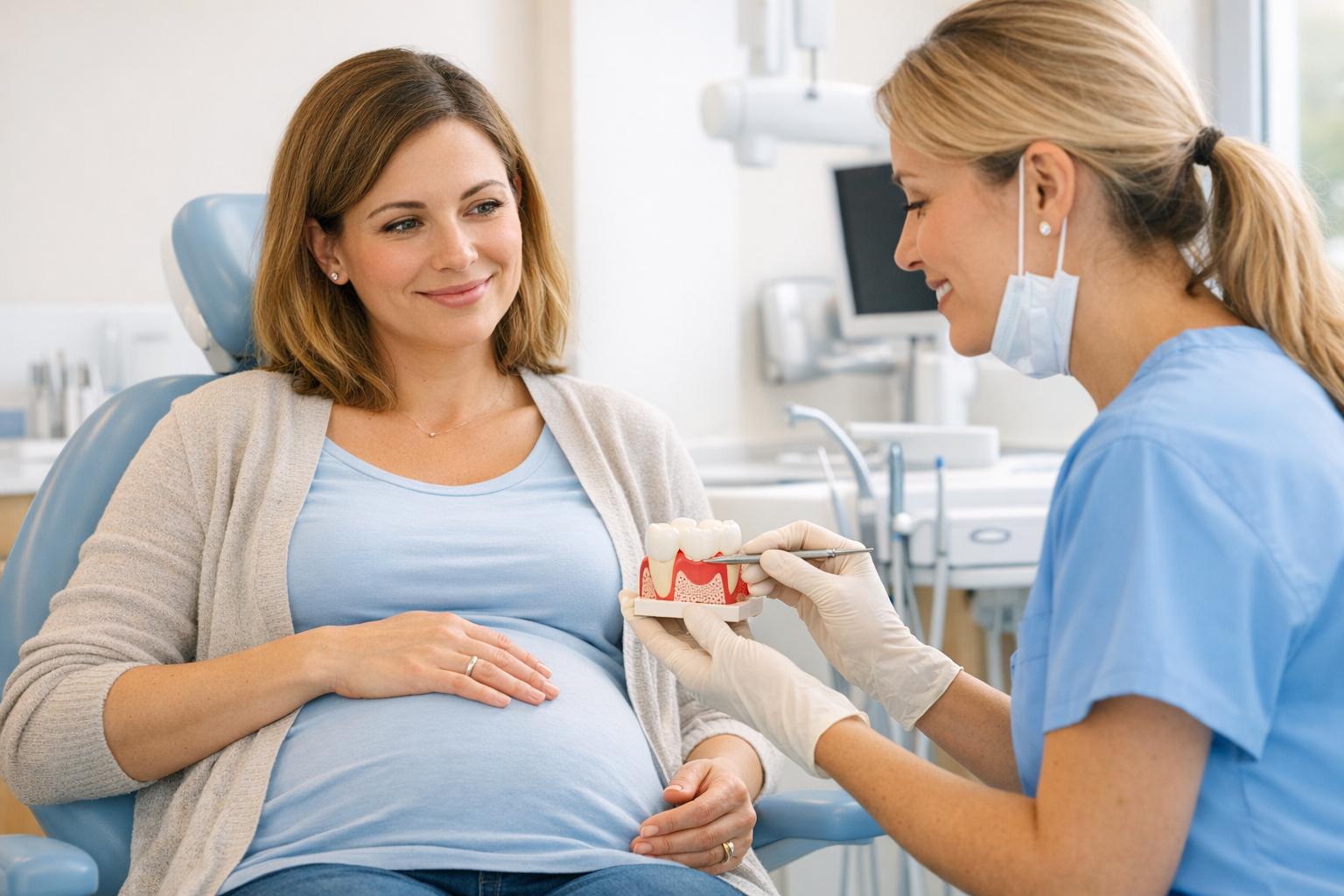
Did you know poor gum health during pregnancy might lead to preterm birth? Research shows gum disease nearly doubles this risk, with some studies suggesting it could increase by up to 2.8 times. Oral bacteria and inflammation from gum disease can affect the placenta, potentially triggering early labour.
Key points:
- 40% of pregnant women have gum disease, and up to 75% experience gingivitis.
- Treating gum inflammation during pregnancy can reduce preterm birth risk by 50%.
- Safe treatments include scaling, root planing, and antimicrobial rinses.
Maintaining good oral hygiene, regular dental visits, and a balanced diet during pregnancy can improve outcomes for both mother and baby. If you’re pregnant, prioritising gum health is a simple yet impactful step.
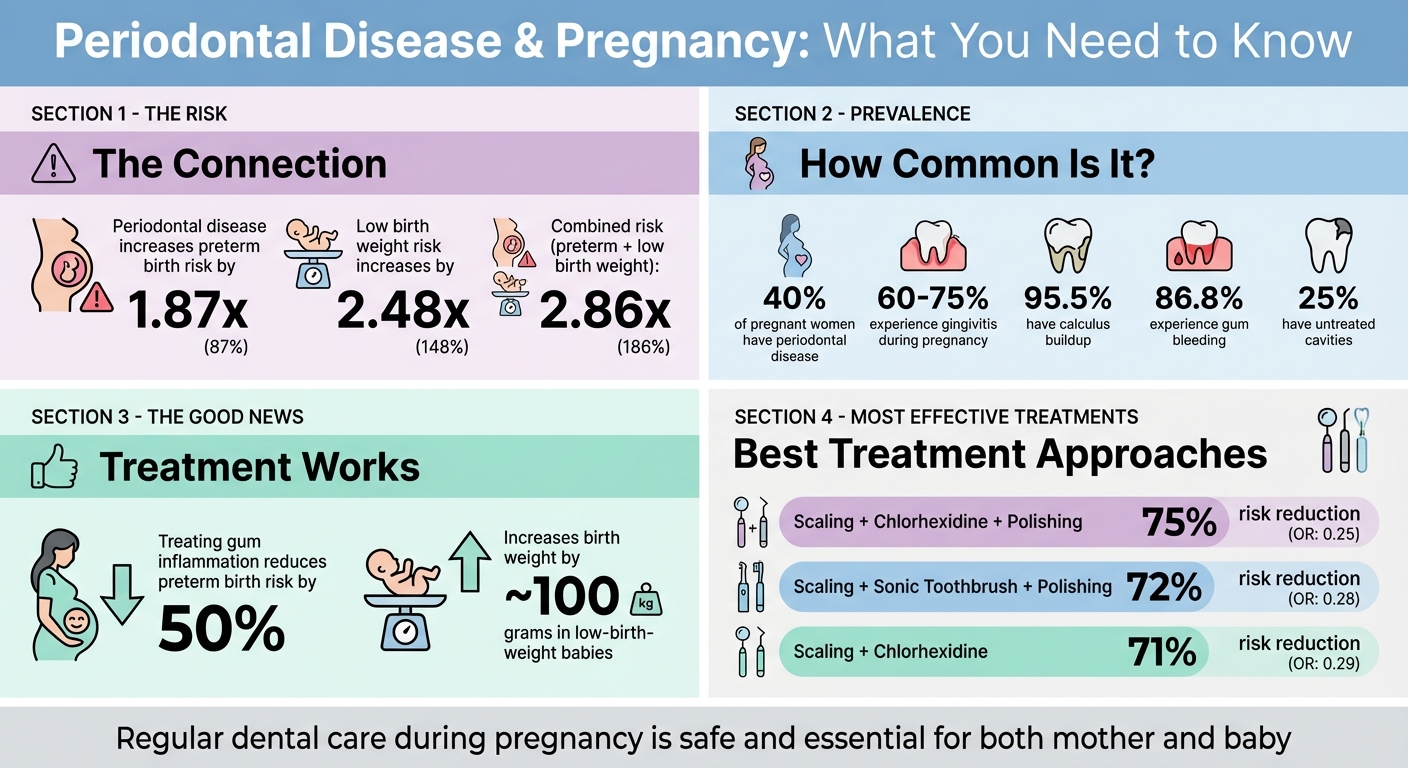
Periodontal Disease and Pregnancy: Key Statistics and Risk Reduction
Dental infections linked to preterm birth and low weight babies
What is Periodontal Disease?
Periodontal disease is a long-term inflammatory condition caused by bacterial infections that damage the gums and the structures that support teeth, such as the alveolar bone and periodontal ligament [1][2]. If left untreated, this condition progresses, not just harming oral health but also increasing the risk of complications that affect the entire body.
The disease often begins as gingivitis, which is an inflammation of the gums that can be reversed with proper care. At this stage, there’s no damage to the connective tissue holding the teeth in place [2][9]. However, if gingivitis is ignored, the inflammation can spread deeper, leading to periodontitis. This advanced stage involves irreversible damage, including the destruction of connective tissue and bone, and can ultimately result in tooth loss [1][2].
"Gingivitis is the presence of gingival inflammation without loss of connective tissue attachment. Periodontitis is the presence of gingival inflammation at sites where there has been apical migration of the epithelial attachment onto the root surfaces accompanied by the loss of connective tissue and alveolar bone", explain researchers Hongyu Ren and Minquan Du from the School and Hospital of Stomatology at Wuhan University [2].
The transition from gingivitis to periodontitis happens when bacterial biofilm triggers a chronic inflammatory response. This creates "periodontal pockets" – spaces between the gum and tooth that become a breeding ground for harmful bacteria [1]. This is especially concerning during pregnancy, as hormonal changes make 60% to 75% of pregnant women more susceptible to gingivitis [8].
Causes and Symptoms
The main cause of periodontal disease is the buildup of dental plaque – a sticky biofilm teeming with bacteria like Porphyromonas gingivalis, Tannerella forsythia, and Treponema denticola [1][9]. As the disease progresses, the bacterial composition shifts, with more aggressive pathogens, such as the "red cluster" bacteria, taking over and causing significant damage [9].
Typical symptoms include gum bleeding, swelling, redness, and deep pockets around the teeth, which dentists measure using a periodontal probe [2][6]. For pregnant women, gum bleeding tends to peak late in the third trimester, making it crucial to monitor oral health during this time [9].
Impact on Overall Health
Periodontal disease doesn’t just stay in the mouth – it can have far-reaching effects on the body. This happens in two ways: directly, as oral bacteria enter the bloodstream and travel to other organs, and indirectly, through the release of inflammatory molecules like IL-1β and TNF-α, which can trigger inflammation throughout the body [1][7].
The health risks are significant. People with chronic gum disease are nearly twice as likely to develop heart conditions compared to those with healthy gums [6]. Periodontal bacteria can attach to fatty plaques in coronary arteries, increasing the risk of blood clots, heart attacks, or strokes [6]. There’s also a strong link with diabetes: gum disease can raise blood sugar levels, making it harder to manage diabetes, while diabetes itself reduces the body’s ability to fight infections like gum disease [6]. Smokers with diabetes over the age of 45 face an even higher risk – 20 times greater than non-smokers [6].
Respiratory health can also suffer, as bacteria from the mouth may be inhaled into the lungs, potentially causing or worsening pneumonia, bronchitis, and emphysema [6]. Additionally, there’s a connection between systemic bone density loss and the weakening of the jawbone caused by gum disease. Post-menopausal women, for instance, are 86% more likely to develop gum disease due to oestrogen deficiencies that speed up bone loss [6]. These wide-ranging effects are especially important when considering how periodontal disease can influence pregnancy outcomes.
The Link Between Periodontal Disease and Preterm Birth
The connection between gum disease and complications during pregnancy has been a significant focus of research, with studies uncovering consistent patterns. A 2024 meta-analysis of 35 studies involving 2,510,556 women found that periodontitis raises the risk of preterm birth, with an odds ratio of 1.87 [1]. The link to low birth weight was even stronger, showing an odds ratio of 2.48 [1]. Alarmingly, 40% of pregnant women are affected by periodontal disease [5], highlighting a considerable risk for negative pregnancy outcomes.
Even mild gum inflammation, such as gingivitis, can contribute to these risks, not just severe periodontitis. Professor Joerg Eberhard, Chair of Lifespan Oral Health at the University of Sydney, explains:
"Oral infection can have systemic effects in the body. Gingivitis releases inflammatory markers and bacteria into the systemic blood stream which may reach the placenta and induce poor pregnancy outcomes such as preterm delivery" [8].
The findings below shed more light on these associations.
Research Findings
Across various studies, a consistent pattern emerges. Case-control studies, in particular, revealed a strong connection, with an odds ratio of 3.94 for low birth weight [1]. When considering both preterm birth and low birth weight together, the odds ratio reached 2.86 [5]. Encouragingly, addressing gum inflammation during pregnancy has shown significant benefits. For instance, treating gum disease can increase the birth weight of low-birth-weight babies by around 100 grams [8].
Professor Eberhard further notes:
"If gum inflammation is treated during pregnancy, the risk of a baby being born preterm is reduced by approximately 50 percent" [8].
However, the effectiveness of treatment depends on the approach. A 2024 network meta-analysis of 20 randomised controlled trials found that combination therapies were the most effective at reducing preterm birth risk:
| Treatment Approach | Preterm Birth Risk Reduction (Odds Ratio) |
|---|---|
| Scaling + Chlorhexidine + Polishing | 0.25 [11] |
| Scaling + Sonic Toothbrush + Polishing | 0.28 [11] |
| Scaling + Chlorhexidine | 0.29 [11] |
These findings underscore the importance of managing gum inflammation during pregnancy to improve neonatal outcomes.
How Periodontal Disease May Affect Pregnancy
The statistical links between gum disease and pregnancy complications stem from two primary biological pathways [1][5]. First, bacteria such as Porphyromonas gingivalis and Fusobacterium nucleatum can directly invade the placenta and amniotic fluid, triggering inflammation or causing tissue damage [1][2]. The second pathway involves systemic inflammation: inflamed gum tissue releases proinflammatory cytokines like IL-1β, IL-6, and TNF-α, along with prostaglandin E2, into the bloodstream [1][10]. These inflammatory substances can reach the feto-placental unit, potentially causing uterine contractions or premature membrane rupture [2][4].
Additionally, systemic inflammation can prompt the liver to produce acute-phase proteins such as C-reactive protein, which has been linked to low birth weight and pre-eclampsia [2][4]. This highlights how inflammation plays a central role in adverse pregnancy outcomes, reinforcing the importance of oral health during pregnancy.
sbb-itb-2be92ed
Dental Care During Pregnancy
Benefits of Regular Dental Visits
Getting regular dental check-ups during pregnancy is more than just a good habit – it’s essential for catching and treating gum issues early on. Did you know that between 60% and 75% of pregnant women experience gingivitis? This is a form of gum inflammation that, thankfully, can be reversed with proper care [8]. These check-ups are crucial for removing harmful bacteria that could release inflammatory substances into the bloodstream, potentially impacting the placenta [2]. Ongoing monitoring also helps identify persistent gum inflammation, and research shows that women who respond well to periodontal treatments are more likely to carry their pregnancies to term [2].
Quynh Anh Le, a lead author from Sydney Dental School, highlighted the importance of dental care during pregnancy:
"Regular dental checks, dental cleaning and treatment of any gum inflammation should be a vital part of pregnancy care for all women" [8].
Taking this preventive approach can pave the way for effective gum treatments during pregnancy, ensuring both mother and baby stay healthy.
Periodontal Treatment Options
Beyond regular check-ups, specific periodontal treatments can play a key role in reducing risks during pregnancy. Non-surgical treatments like scaling and root planing are both safe and effective options [2][3]. These procedures target the area below the gum line, removing bacterial deposits and smoothing tooth roots to promote gum healing. When combined with antimicrobial solutions like chlorhexidine mouthwash, tooth polishing, and consistent plaque control, these treatments significantly lower the chances of preterm birth. In fact, combining these therapies has been shown to make a noticeable difference in reducing this risk [11].
While the second trimester is often the best time for dental procedures, urgent treatments and cleanings can be safely carried out at any stage of pregnancy. It’s recommended that pregnant women work closely with both their dentist and obstetrician to include periodontal exams as a regular part of prenatal care [1][8].
Maintaining Oral Health During Pregnancy
Taking care of your teeth and gums is especially important during pregnancy. Alongside professional dental care, maintaining good daily oral hygiene and eating a balanced diet play a big role in keeping your mouth healthy.
Daily Oral Care
Make brushing and flossing a non-negotiable part of your routine – twice a day for brushing and once for flossing. Hormonal changes during pregnancy can increase the sugar levels in your saliva, creating the perfect environment for bacteria to thrive. Research shows that 95.5% of pregnant women deal with calculus buildup, and 86.8% experience gum bleeding at some point[4]. Consistent oral hygiene can help keep these issues under control.
Diet and Nutrition
What you eat directly impacts your gum health. Reducing sugary snacks is a smart move since they feed bacteria that can cause inflammation. Instead, focus on nutrient-packed foods:
- Calcium: Found in dairy products and leafy greens, it helps strengthen teeth and bones.
- Vitamin C: Citrus fruits, strawberries, and capsicums support healthy gums.
- Omega-3 fats: Fish, walnuts, and flaxseeds help reduce inflammation.
- Fibre: Whole grains and vegetables promote overall oral health.
If morning sickness strikes, protect your teeth from stomach acid by rinsing your mouth before brushing. Mix one teaspoon of baking soda with a cup of water for a gentle rinse that neutralises acid and safeguards your enamel[12].
When to Seek Dental Care
Pay attention to warning signs like bleeding, swollen, or sensitive gums. These symptoms shouldn’t be ignored, as early treatment is often simpler and more effective[13]. Regular dental check-ups and cleanings every six months are highly recommended, especially since roughly one in four pregnant women have untreated cavities[13]. The good news? Dental care is considered safe throughout all stages of pregnancy[13][2].
Conclusion
The evidence underscores the importance of prioritising oral health during pregnancy – not just for the mother, but for the baby as well.
Studies reveal a complex connection between periodontal disease and pregnancy complications. For instance, research has found a moderate link between periodontitis and low birth weight (odds ratio of 2.48) and a slightly weaker association with preterm birth (odds ratio of 1.87) [1]. Early intervention is crucial, as treating gum inflammation during pregnancy has been shown to reduce the risk of preterm birth by nearly 50% [8].
Prevention is always better than dealing with advanced issues. This is why consistent oral hygiene, paired with routine dental visits every six months, is especially critical during pregnancy. Simple measures like brushing, flossing, and professional cleanings can go a long way in ensuring healthy outcomes.
Oral health isn’t isolated – it’s deeply tied to overall wellbeing during pregnancy. Inflammation in the gums can allow bacteria and cytokines to enter the bloodstream, potentially impacting the placenta [8]. With periodontal issues being relatively common during pregnancy, staying vigilant for symptoms like bleeding or swollen gums is essential.
If you notice any signs of gum trouble, don’t delay seeking dental care. Whether you’re planning for a baby or already expecting, addressing oral health issues early can contribute to a safer, healthier journey for both you and your baby.
FAQs
Can gum disease increase the risk of preterm birth?
Yes, studies indicate that gum disease, also known as periodontal disease, may increase the risk of preterm birth. When gum disease goes untreated, harmful bacteria and their toxins can enter the bloodstream. This can set off systemic inflammation, elevating levels of inflammatory markers such as prostaglandins and cytokines. These heightened inflammatory responses might interfere with the placenta, potentially triggering uterine contractions and leading to preterm labour.
To lower the risk of complications, practising good oral hygiene and scheduling regular dental check-ups during pregnancy is crucial. If you’re pregnant or planning to become pregnant, visiting your dentist to ensure your oral health is in excellent shape is a smart step.
Are dental treatments safe during pregnancy?
Yes, most dental treatments are safe during pregnancy, and keeping up with oral health is crucial for both mum and bub. Hormonal changes during pregnancy can make gums more prone to disease and teeth more susceptible to decay, so routine check-ups and professional cleanings are highly recommended at any stage. Procedures like local anaesthetic and dental X-rays are also safe, as long as proper precautions – like using a lead apron – are in place.
If dental issues arise, treatments such as fillings, root canals, extractions, and scaling for gum disease are not only safe but often essential to prevent infections. Should antibiotics be needed, options like penicillins or clindamycin, which are considered safe during pregnancy, can be prescribed. That said, elective or cosmetic treatments like teeth whitening or veneers are better saved for after the baby arrives.
For tailored care that keeps safety top of mind, consult a trusted dental professional, such as Complete Smiles Bella Vista, which adheres to Australian guidelines to ensure expectant mums feel comfortable and cared for.
Can maintaining good oral hygiene improve pregnancy outcomes?
Maintaining good oral hygiene during pregnancy is an important step in promoting better health outcomes for both the mother and baby. Studies indicate that untreated gum conditions like gingivitis or periodontitis may increase the chances of preterm birth (before 37 weeks) and low birth weight (under 2.5 kg). This happens because inflammation and bacteria from gum infections can impact the placenta and may even trigger premature labour.
Biological factors, such as elevated prostaglandins and systemic inflammation – both commonly associated with gum disease – have also been linked to complications like pre-eclampsia and restricted fetal growth. While further research is ongoing, simple measures like regular dental check-ups, professional cleanings, and consistent daily brushing and flossing can help lower these risks. These practices are safe, cost-effective, and contribute to a healthier pregnancy.
Expectant mothers in Sydney can take advantage of preventive dental care offered at reputable clinics like Complete Smiles Bella Vista. Early attention to gum health aligns with Australian prenatal care recommendations, which emphasise the importance of oral health during pregnancy.
Related Blog Posts
- Oral Microbiome vs. Preterm Birth: Understanding the Link
- Oral Infections and Preterm Birth: 1st vs. 3rd Trimester
- Periodontal Disease and Preterm Birth: Prevention Strategies
- Pregnancy Gingivitis: Risks for Mother and Baby
Important Notice: Any surgical or invasive procedure carries risks. Before proceeding, you should seek a second opinion from an appropriately qualified health practitioner.
Individual results may vary. The information provided in this article is for educational purposes only and does not constitute medical advice.
Checkout Related Blogs




Get in touch with us
For more information, call us now to start feeling better. Or fill the form below to make appointment
The Latest News from Complete Smiles
How to Clean Clear Plastic Retainers
Checklist for Choosing Wearable Dental Devices
Checklist for Choosing Cloud AI Platforms in Dentistry

Complete Smiles Bella VistaAccepts All Major Health Funds, Including





