





Microdentistry vs. Traditional Dentistry for Kids

Microdentistry and traditional dentistry offer different approaches to caring for your child’s teeth. Here’s what you need to know to make the best choice for your child:
- Microdentistry: Focuses on early detection, precise treatments, and preserving healthy tooth structure. It uses advanced tools like lasers and air abrasion, making procedures less painful and reducing anxiety for kids.
- Traditional Dentistry: Relies on established methods like drills and fillings. While effective for complex issues, it can be more invasive and may cause discomfort or anxiety in children.
Key Comparison:
| Aspect | Microdentistry | Traditional Dentistry |
|---|---|---|
| Tools | Lasers, air abrasion, microscopes | Drills, manual tools |
| Treatment Approach | Minimally invasive | Removes more tooth material |
| Pain & Anxiety | Less pain, reduces dental anxiety | May cause discomfort and fear |
| Radiation Exposure | Lower (digital X-rays) | Higher (traditional X-rays) |
| Focus | Early detection and prevention | Treating problems after they arise |
In Australia, where 1 in 4 kids aged 5–10 have untreated tooth decay, choosing the right approach matters. Microdentistry is less common but can help reduce anxiety and improve long-term oral health. Traditional dentistry remains essential for managing complex dental issues.
For the best care, consult a qualified dentist who can tailor treatments to your child’s needs.
SMART Filling noninvasive alternative treatment for cavities SDF and GIC = Silver Modified Atraumati
What is Microdentistry for Kids?
Microdentistry is a modern dental approach designed to protect as much of the natural tooth as possible. Unlike traditional methods that often remove significant amounts of healthy tooth structure, microdentistry focuses on treating only the damaged areas while leaving the rest untouched.
Core Principles and Techniques
The philosophy behind microdentistry is centred on "prevention of extension" rather than the older idea of "extension for prevention" [2]. This means the focus is on stopping dental issues early and minimising tissue removal, preserving as much of the tooth as possible.
This method uses advanced tools and technologies to achieve its goals:
- Laser Technology: Er:YAG lasers are quieter and create less vibration than standard drills. They allow for precise targeting of decay without harming nearby healthy tissue. These lasers also help sterilise the treatment area, thanks to their bactericidal properties [2].
- Air Abrasion: This method uses compressed air and fine particles to remove decay, eliminating the need for traditional drilling.
- Micro Preparation Rotary Instruments: These specialised tools ensure only the diseased portion of the tooth is removed.
- Digital X-rays: These provide detailed imaging for accurate diagnosis while exposing patients to less radiation [5].
- Intraoral Cameras: These cameras let dentists show children and their parents exactly what’s happening inside the mouth, improving understanding and easing anxiety [5].
Benefits for Children
Microdentistry offers several advantages, making it particularly suitable for children:
Reduced Discomfort:
Traditional dental treatments often involve invasive drilling and require anaesthesia. Microdentistry’s minimally invasive techniques, including laser technology, reduce the need for anaesthesia and make the experience less painful for young patients [3][4].
Faster Healing and Recovery:
Since this approach causes minimal trauma to surrounding tissues, children usually recover more quickly with less pain and swelling. This means they can get back to their normal activities sooner [4].
Better Long-term Oral Health:
Preserving more of the natural tooth helps maintain its strength and function over time. This reduces the likelihood of needing complex dental work in the future [7][8].
Lower Dental Anxiety:
The gentle and non-invasive nature of microdentistry creates a more positive experience for kids. When dental visits are less stressful, children are more likely to develop good oral hygiene habits as they grow [6][8].
Improved Treatment Results:
Microdentistry’s precision, combined with preventive treatments like fluoride varnish, sealants, and silver diamine fluoride, supports the natural repair of teeth. Techniques such as the Hall technique and resin infiltration also help manage cavities effectively while preserving healthy tissue [7].
This child-friendly approach not only addresses immediate dental concerns but also sets the foundation for better oral health in the future. The next section will dive deeper into how this compares to traditional methods.
Overview of Standard Dentistry for Kids
Paediatric dentistry has long relied on established techniques and familiar tools to care for children’s oral health. Across Australia, most dental practices use these methods to manage common dental issues in young patients effectively.
Common Techniques and Practices
Traditional dental care for children is built on time-tested methods. A typical dental check-up starts with a visual inspection, where dentists use mirrors and probes to examine teeth and gums for signs of decay, damage, or disease.
X-rays are another cornerstone of paediatric dentistry. According to the American Academy of Paediatric Dentistry, high-risk children should have X-rays every six months, while low-risk patients require them less often [9]. Modern digital X-rays have made this process safer, using only about a quarter of the radiation compared to older methods [9].
When it comes to treating cavities, dentists typically rely on high-speed drills to remove decay before filling the tooth. Here are some of the key treatments:
| Procedure | Description | Purpose |
|---|---|---|
| Dental Fillings | Removal of decay and filling with dental material | Restores tooth structure and prevents further decay [10] |
| Stainless Steel Crowns | Durable crowns placed on damaged teeth | Protects primary teeth with significant decay [10] |
| Pulpotomy | Removal of infected pulp in baby teeth | Relieves pain, eliminates infection, and preserves the tooth [10] |
| Extractions | Removal of severely decayed or damaged teeth | Prevents infection and resolves crowding issues [10] |
| Dental Sealants | Thin plastic coatings applied to molars’ chewing surfaces | Reduces cavity risk by blocking food and bacteria accumulation [10] |
Fluoride treatments, which can cut tooth decay by up to 30%, and routine cleanings are also essential preventive measures [10]. For more complex cases, dentists may perform pulpectomies instead of pulpotomies on baby teeth. To ease anxiety, sedation methods like nitrous oxide are sometimes used [10][11].
While these practices are effective, they can present unique challenges for young patients.
Challenges for Children
Traditional dentistry, despite its effectiveness, often comes with hurdles that can impact both the immediate experience and the long-term oral health of children. This is why less invasive alternatives, such as microdentistry, are gaining attention.
One of the biggest challenges is managing fear and anxiety. Roughly 9% of children experience dental anxiety, and up to 10% suffer from severe dental phobia [12][13]. The unfamiliar sights, sounds, and sensations of a dental clinic can create negative associations, making future visits even more daunting.
Parents often report that communication during traditional treatments can be lacking, leaving children distressed [15]. Additionally, insufficient pain management and discomfort during procedures can have both physical and psychological repercussions [16]. For example, the noise and vibrations from drilling can be particularly unsettling for young patients.
There are also concerns about the long-term effects of traditional restorative methods. Treated teeth may become more prone to fractures, recurrent decay, or restoration failure. Procedures like caries excavation can sometimes expose the tooth’s pulp or cause unintended damage to neighbouring teeth [14]. Primary teeth, in particular, are more vulnerable to these complications compared to permanent teeth [14].
The consequences of these challenges extend beyond the dentist’s chair. Untreated dental pain is a major issue, contributing to the loss of nearly 51 million school hours annually [15]. This highlights how traditional dental practices can affect not just oral health, but also a child’s overall wellbeing and education.
These challenges underscore the need for alternative approaches that prioritise both comfort and the long-term health of children’s teeth.
sbb-itb-2be92ed
Comparison: Microdentistry vs Standard Dentistry
Microdentistry and traditional dentistry take notably different approaches when it comes to methodology, tools, and outcomes. These differences can have a significant impact on your child’s dental experience and their long-term oral health.
Key Differences
The core distinction between these two approaches lies in the tools and techniques they use. While traditional dentistry has been the standard for decades, microdentistry introduces a more precise and less invasive way of treating dental issues.
| Aspect | Microdentistry | Traditional Dentistry |
|---|---|---|
| Visibility & Precision | Uses dental microscopes with up to 20x magnification, offering highly detailed views [18] | Relies on the naked eye or basic dental loupes [18] |
| Tool Technology | Utilises dental lasers and air abrasion, often avoiding drills [19][20] | Primarily relies on high-speed drills and manual tools |
| Treatment Approach | Minimally invasive, preserving healthy tooth structure [18] | May involve more extensive removal of tooth material [18] |
| Early Detection | Enables earlier identification of dental issues [18] | Issues are often detected at later stages |
| Tools for Children | Designed specifically for children’s oral anatomy [17] | Typically adapts adult-sized tools for children |
| Radiation Exposure | Uses digital intra-oral radiography, reducing radiation exposure [17] | Relies on traditional X-rays with higher radiation levels |
The precision of microdentistry is a standout feature, allowing dentists to detect and address issues earlier than traditional methods. For example, research highlights how paediatric-specific tools improve the quality of treatments like root canals. A study by Jeevanandan et al. demonstrated that using rotary files tailored for children significantly enhanced root canal preparation and filling quality [17].
In another study conducted at Saveetha Dental College and Hospitals, 148 children were treated in sensory-adapted environments. The results were striking – children in these settings displayed better behaviour, lower anxiety, reduced heart rates, and higher oxygen saturation after procedures [21].
"Overall, our study suggests that dental offices can significantly enhance patient experiences by providing a sensory-friendly setting that helps children feel more at ease, improves patient outcomes, and less nervous during their visits."
– Ayesha Fathima, Paediatric and Preventive Dentistry, Saveetha Dental College and Hospitals [21]
These advancements not only improve the immediate dental experience but also have a lasting impact on oral health.
Impact on Long-Term Oral Health
The benefits of microdentistry go beyond the dental chair, shaping better oral health for years to come. Positive childhood dental experiences are crucial, as they influence habits that last a lifetime.
Studies show that the percentage of individuals regularly attending dental check-ups drops from 82% at age 15 to just 28% by age 32 [24]. However, those who maintain regular visits report better oral health, with fewer cavities and less tooth loss [24]. Microdentistry’s less invasive techniques can encourage these positive habits by making dental visits less intimidating.
Preserving healthy tooth structure is another advantage. Traditional treatments for primary teeth often depend on the materials used and a child’s cooperation, leading to mixed results [25]. Microdentistry, with its gentler approach, reduces the likelihood of extensive interventions later in life.
Early detection is also critical. The magnification tools used in microdentistry make it easier to spot problems before they escalate [18]. This aligns with research showing that consistent dental care over time leads to better oral health outcomes [24].
The statistics are clear: effective dental care during childhood is essential. In Australia, nearly half of six-year-olds attending school dental services in 2007 had dental caries, and 10% suffered from severe early childhood caries [25]. These early issues can lead to more serious problems like periodontal disease and misaligned teeth later in life [25].
"A healthy mouth in the child lays the foundation for oral and overall health and well-being for life."
– NIDCR Director Rena D’Souza, D.D.S., Ph.D., M.S. [23]
Reducing anxiety through modern techniques also plays a role in long-term oral health. A study published in Scientific Reports in December 2024 involved 120 children and found that dentists wearing child-friendly attire significantly reduced anxiety and pain scores during treatments [22].
"A child’s friendly attire can help dentists build positive relationships with young patients and help reduce their anxiety."
– Jamila Bchara, Department of Paediatric Dentistry, Faculty of Dentistry, Damascus University [22]
Practical Considerations for Australian Parents
When deciding between microdentistry and traditional dental care for your child, factors like practitioner expertise, cost, and location play a significant role. Balancing quality care with accessibility and affordability is essential for making the right choice.
Factors to Consider
Practitioner Expertise and Training
Not every dentist offers microdentistry, as it requires specialised training. When researching providers, confirm their qualifications in paediatric dentistry and microdentistry. Additionally, ask about their experience working with children to ensure your child receives the best care possible.
Child-Friendly Practice
A welcoming, child-focused environment can make a significant difference in easing your child’s anxiety. Look for dental practices with kid-friendly décor, toys, and activities in the waiting area. Scheduling an initial consultation can help you gauge how the staff interact with young patients and whether they create a comfortable atmosphere.
Clear Communication
Dentists should explain procedures in simple, age-appropriate language, ensuring both you and your child understand what to expect. Clear communication helps reduce fear and builds trust between your child and the dentist.
Cost Considerations
Dental costs in Australia can vary greatly, with advanced techniques like microdentistry often being more expensive due to the specialised equipment and training involved [29]. For instance, a standard check-up – which includes an examination, scale and clean, and fluoride treatment – costs an average of $219, with prices ranging from $162 to $309 [29]. Check if your child qualifies for the Child Dental Benefits Schedule, which covers many basic services for children aged 0–17 years [1][27]. Keep in mind, however, that some advanced procedures might not be covered, potentially leading to higher out-of-pocket costs.
Accessibility
Access to specialised care can be challenging, especially for families in rural or regional areas. While the number of dentists per 100,000 Australians has grown from 46.9 in 2000 to 65.1 in 2022 [28], specialists in microdentistry remain concentrated in urban centres. Compounding this issue, in 2021, 31.6% of adults and 8.9% of children aged 5 to 17 delayed dental care due to cost [30]. These factors make the comprehensive services offered by advanced clinics even more valuable for families outside metropolitan areas.
Services Offered
Consider whether a dental practice provides a broad range of services, such as preventative care, early detection of alignment issues, emergency care, habit counselling, and educational support for parents and children [26]. A well-rounded clinic can address multiple needs in one location, saving time and effort.
How Advanced Clinics Can Help
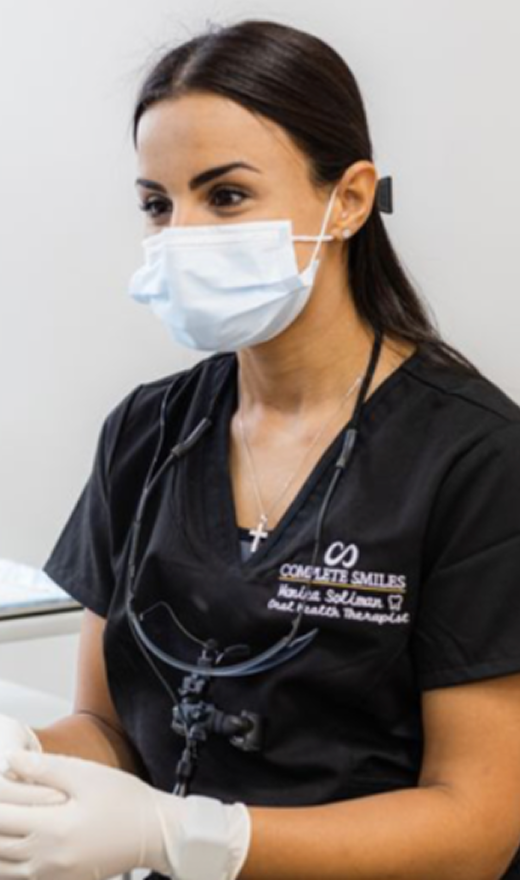
Advanced dental clinics are often equipped to address these practical challenges with cutting-edge technology and integrated services. These clinics combine microdentistry and traditional methods to offer comprehensive care tailored to your child’s needs. For example, Complete Smiles Bella Vista, led by Dr. James Hanna, exemplifies how advanced techniques can be paired with personalised care.
Such clinics utilise digital imaging to minimise radiation exposure and provide a full spectrum of services, including general dentistry, orthodontics, and emergency care, all under one roof. Many also offer flexible payment plans, making advanced treatments more accessible for families.
Additionally, advanced clinics often design their spaces to be engaging and child-friendly, which can help ease anxiety and encourage cooperation during procedures. Seeking recommendations from trusted sources like family, friends, or your child’s paediatrician can help you find a clinic that aligns with your needs. Look for evidence of ongoing education and investment in modern equipment to ensure quality care [26].
Ultimately, choose a clinic that fits your child’s needs while considering your location, budget, and scheduling requirements.
Conclusion
Microdentistry and traditional dentistry each bring unique strengths to your child’s dental care. Both approaches are essential for maintaining oral health, and the right choice depends on factors like your child’s specific needs, age, and comfort level.
Microdentistry focuses on reducing dental anxiety and minimising invasive procedures. One of its standout techniques, Atraumatic Restorative Treatment (ART), has proven effective in making dental care less intimidating for children. For instance, a pilot study in Western Australia found that ART reduced the need for specialist paediatric dental referrals by 44% [31]. By relying on hand instruments instead of drills, ART often eliminates the need for local anaesthesia, making the experience far less stressful for young patients.
On the other hand, traditional dentistry remains essential for handling more complex dental issues. Paediatric dentists, with their specialised training, play a critical role in addressing challenging cases. This expertise is particularly vital considering that tooth extractions are the leading cause of hospital admissions for children aged 6 to 10 [33].
Australian statistics highlight the importance of early dental intervention. Around 34% of children aged 5–6 experience tooth decay, and 11 in 1,000 children aged 5–9 require hospital treatment for preventable dental conditions [32][33]. These numbers underscore the need for proactive care to prevent more serious issues down the line.
The best approach often combines the strengths of both microdentistry and traditional methods, tailored to your child’s unique situation. Consulting with a qualified dental professional ensures that your child receives the most appropriate care – whether through the gentle, minimally invasive techniques of microdentistry or the comprehensive solutions provided by traditional paediatric dentistry.
FAQs
What makes microdentistry a better option for children compared to traditional dentistry?
Microdentistry brings several advantages for children, particularly in terms of comfort and accuracy. By relying on smaller, specialised tools, this technique enables minimally invasive treatments that feel less daunting for young patients. This often means a calmer, more comfortable experience during dental visits, helping to ease any fear or anxiety.
Another key benefit is its focus on preserving as much of the healthy tooth structure as possible, which is especially crucial for children as their teeth and mouths are still developing. The precision of microdentistry also allows for quicker and more accurate procedures, which can contribute to better long-term oral health. With its gentle and child-friendly approach, microdentistry is a fantastic option for paediatric dental care.
Is microdentistry a good option for my child’s dental care?
Microdentistry is an excellent choice for children, particularly when it comes to treatments that are less invasive. This method prioritises preserving as much of the natural tooth as possible, which makes it a great fit for kids who may feel nervous about dental visits or require a gentler approach to care.
If you’re wondering whether microdentistry is right for your child, the first step is to consult a skilled paediatric dentist. They’ll consider factors like your child’s overall oral health, age, ability to cooperate during treatment, and specific dental needs. In Australia, regular dental check-ups are recommended from the age of one to keep an eye on dental development and address issues early. A professional assessment will help determine if microdentistry is the best treatment option for your child.
What factors should parents consider when deciding between microdentistry and traditional dentistry for their child?
When deciding between microdentistry and traditional dentistry for your child, it’s worth considering the methods used, the comfort level they provide, and the dentist’s focus on preventative care. Microdentistry typically emphasises less invasive treatments, which can be less daunting for children and help maintain more of their natural tooth structure.
It’s also important to choose a dental practice that creates a welcoming, child-friendly environment. A dentist skilled in paediatric care who takes a gentle and patient approach can make a world of difference in how your child feels about their visit. Preventative treatments, like fluoride applications and dental sealants, are essential to consider as they offer long-term protection for your child’s teeth.
The ultimate aim is to ensure your child feels at ease and supported during their dental appointments, building a foundation for healthy habits that can last well into adulthood.
Related Blog Posts
- What Is Minimally Invasive Cavity Preparation?
- Top 5 Benefits of Endodontic Microscopes
- How Often Kids Need Dental Check-Ups
- Minimally Invasive Tooth Extraction Techniques
Important Notice: Any surgical or invasive procedure carries risks. Before proceeding, you should seek a second opinion from an appropriately qualified health practitioner.
Individual results may vary. The information provided in this article is for educational purposes only and does not constitute medical advice.
Checkout Related Blogs




Get in touch with us
For more information, call us now to start feeling better. Or fill the form below to make appointment
The Latest News from Complete Smiles
How to Clean Clear Plastic Retainers
Checklist for Choosing Wearable Dental Devices
Checklist for Choosing Cloud AI Platforms in Dentistry
Complete Smiles Bella VistaAccepts All Major Health Funds, Including





