




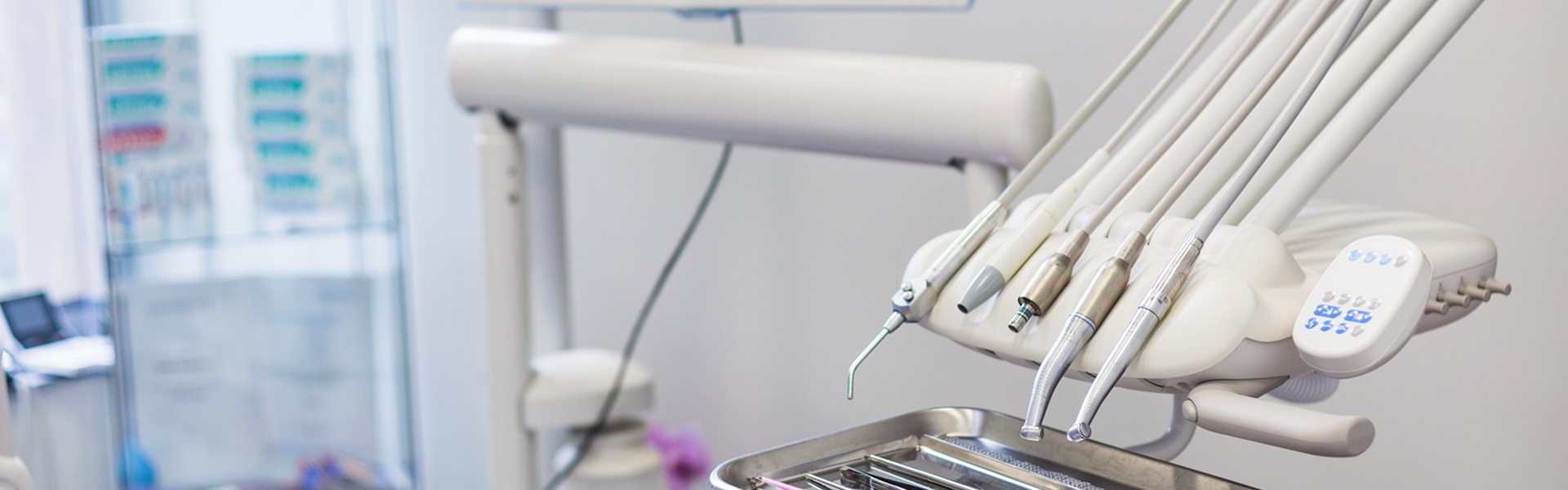
Minimally Invasive Tooth Extraction Techniques

Want faster recovery and less pain after tooth extraction? Minimally invasive techniques are changing dental care in Australia. These methods focus on preserving natural tissues, reducing trauma, and speeding up healing. Here’s what you need to know:
- What are they? Advanced tools and methods like periotomes, physics forceps, piezosurgery, and sectioning remove teeth gently while protecting surrounding tissues.
- Why choose them? Less pain, reduced swelling, quicker recovery, and fewer complications like dry socket.
- Who benefits? Patients needing extractions near sensitive areas (nerves or sinuses) or planning future dental work like implants.
- Key tools: 3D imaging (CBCT), ultrasonic devices, and even robotic-assisted systems for precision.
These techniques are safer, more comfortable, and better for long-term oral health. Read on to see how they’re setting a new standard in dentistry.
Minimally Invasive Dental Extractions
Main Minimally Invasive Tooth Extraction Methods
Dentistry in Australia has come a long way, with modern techniques focusing on reducing trauma during tooth extractions. These methods aim to make the process less painful and promote faster recovery. Here’s a look at some key approaches used in minimally invasive tooth removal.
Periotome-Assisted Extraction
This method uses specialised tools called periotomes, which are thinner and flatter than standard dental instruments. These tools are designed to carefully sever the periodontal ligament – the tissue that connects the tooth to the surrounding bone – allowing for a controlled and precise extraction while protecting the surrounding structures.
The periotome is positioned along the tooth’s axis and gently advanced with light tapping to cut the ligament. A short pause ensures better control during extraction. The tool, with a blade about 3–4 millimetres wide, can also be slightly rotated to apply even pressure on the tooth root and the surrounding bone. This technique is particularly effective for removing front teeth, teeth with prior root canal treatments, or those with crown fractures. A study involving 100 patients showed that this method reduced pain by 52.8% compared to traditional techniques [1].
Physics Forceps Extraction
Physics forceps take a unique approach by using first-class lever mechanics instead of the usual twisting and pulling motions. These forceps feature a buccal bumper that acts as a fulcrum, enabling controlled rotational force along the tooth’s axis. As the tooth moves slightly upwards – about 1–3 millimetres – the periodontal ligament gradually releases, reducing the risk of fractures to the tooth, root, or surrounding bone.
This method not only lowers the chance of complications but also shortens the procedure time and helps ease discomfort after the extraction.
Piezoelectric Surgery
Piezoelectric surgery, or piezosurgery, is a high-precision option that uses ultrasonic vibrations to cut bone while sparing nearby soft tissues. Operating at 25,000–30,000 oscillations per second with micro-vibrations of 20–200 microns, this technique allows for precise bone cutting with minimal effort. Unlike traditional drills, which may require 2–3 kilograms of force and generate significant heat, piezosurgery works effectively with just 0.5 kilograms of force.
The procedure also includes continuous saline irrigation, which cools the tool, controls bleeding, and sterilises the area. This precision makes it ideal for surgeries near sensitive structures like nerves, blood vessels, or sinus cavities.
Sectioning and Root Removal
For more complex extractions, such as impacted wisdom teeth or decayed molars, sectioning is a go-to method. This involves dividing multi-rooted teeth into smaller segments before removal. By taking this controlled approach, dentists can preserve more of the surrounding bone and minimise complications.
This technique is especially helpful for teeth with curved or divergent roots and for those that have undergone root canal treatments. It also prepares the site for future procedures, like dental implants, by maintaining the integrity of the extraction area.
These techniques highlight the advancements in dental care, all aimed at reducing trauma and speeding up recovery, in line with the principles of minimally invasive dentistry.
Benefits of Minimally Invasive Tooth Extraction
Minimally invasive tooth extraction techniques have reshaped dental care, focusing on preserving natural structures and making the entire process less physically and emotionally taxing for patients.
Reduced Trauma and Tissue Damage
Modern methods aim to protect healthy tissues by targeting only the affected area. Tools like piezosurgery allow dentists to work precisely around delicate structures, such as nerves and blood vessels, avoiding unnecessary harm and preserving the mouth’s natural architecture.
These approaches also help minimise inflammation by maintaining the surrounding environment [5]. Laser-assisted techniques, for instance, promote clotting, which reduces bleeding and creates an ideal setting for faster healing [4]. Preserving tissues in this way not only reduces immediate discomfort but also sets the stage for a smoother recovery process.
Faster Recovery and Healing
Less trauma to the tissues means quicker recovery times. Many patients experience reduced pain, swelling, and discomfort following minimally invasive procedures [2], which often results in a decreased reliance on pain medications. By leaving more of the natural oral environment intact, the body can heal more effectively, allowing patients to return to regular eating and speaking habits within days instead of weeks. Laser procedures also use less anaesthesia, further reducing potential side effects [4].
Additionally, maintaining bone structure during these procedures is vital for planning future dental treatments.
Suitability for Future Dental Work
Preserving bone integrity during extractions is critical, especially for procedures like dental implants. Minimally invasive techniques minimise bone loss commonly seen with traditional extractions [6]. This helps maintain facial structure and supports neighbouring teeth [7].
Often paired with these extractions, socket preservation procedures use bone grafting to maintain bone density and volume, preparing the area for future restorative work [8][9]. By reducing trauma, these methods create better conditions for successful osseointegration during implant placement [6].
Opting for a minimally invasive approach not only speeds up recovery but also protects essential oral structures, ensuring better outcomes for future dental treatments.
sbb-itb-2be92ed
Clinical Considerations and Patient Suitability
When it comes to choosing the right minimally invasive extraction technique, a one-size-fits-all approach simply doesn’t work. The decision hinges on a careful evaluation of both the patient’s overall health and the specific characteristics of the tooth in question. Tailoring the technique to these factors is essential for achieving the best outcomes.
Factors Influencing Technique Selection
Tooth-Specific Considerations
The anatomy and condition of the tooth are key factors in deciding the most appropriate extraction method. For instance, root morphology and crown condition significantly influence the choice of technique. Characteristics like the number of roots, their shape, length, and alignment (whether they diverge or converge) all play a role. Teeth with longer or thicker roots demand higher extraction forces. Research on the Benex® vertical extraction system shows that force requirements can vary widely, from less than 50N to over 600N, depending on these factors [11]. Additionally, teeth in functional occlusion often require more force for extraction than those that are not [11].
Anatomical Proximity Concerns
The location of the tooth relative to critical anatomical structures is another important consideration. For example, mandibular molars near the inferior dental nerve (IDN) require extra care to avoid nerve damage. Similarly, upper posterior teeth close to the antral sinuses must be handled carefully to prevent complications like oroantral communication [10].
Surrounding Tissue Assessment
The condition of the bone and periodontal structures around the tooth also plays a role. Bone loss due to periodontal disease or apical pathology can complicate minimally invasive approaches. For instance, teeth with mobility greater than Grade 1 are not suitable for certain systems, such as the Benex extraction method [14].
Patient Medical History
A patient’s medical history can influence whether a minimally invasive technique is suitable. Conditions like uncontrolled epilepsy, cardiovascular issues (e.g., ischaemic heart disease or hypertension), severe renal impairment, or chronic obstructive pulmonary disease (COPD) may increase the risk of complications [10].
Medication Considerations
Medications can also impact the choice of technique. Patients taking antiresorptive drugs like bisphosphonates or denosumab face a higher risk of osteonecrosis [10]. Those on anticoagulants need careful bleeding management, while individuals who have undergone chemotherapy or radiotherapy are generally advised to wait six months before extraction to minimise complications [10].
Respiratory and Systemic Conditions
Patients with COPD often require upright positioning during procedures to accommodate breathing difficulties [10]. Similarly, severe renal impairment increases the risk of excessive bleeding and infection, necessitating extra precautions [10].
Given these complexities, advanced diagnostic tools have become indispensable for guiding treatment planning and ensuring patient safety.
Role of Advanced Diagnostic Tools
To navigate these challenges, clinicians increasingly rely on modern imaging technologies to refine their approach.
3D Imaging Technology
Cone Beam Computed Tomography (CBCT) has transformed the way dentists plan minimally invasive extractions. Unlike traditional 2D X-rays, CBCT offers detailed, three-dimensional views of the teeth, surrounding bone, and nerves, enabling precise treatment planning [13].
Improved Diagnostic Accuracy
CBCT imaging provides unparalleled clarity, making it easier to assess bone quality, nerve positioning, and other critical details. It can reveal hidden issues like root fractures or periapical infections that might go unnoticed on standard X-rays. This level of detail helps reduce trauma, speeds up recovery, and minimises post-operative discomfort [13].
Radiation Safety
Modern CBCT systems are designed to deliver high-resolution images with significantly lower radiation exposure compared to traditional medical CT scans. This makes them a safe and practical option for routine treatment planning [13].
Risk Assessment and Patient Communication
Advanced imaging tools also play a crucial role in discussing risks and benefits with patients. By providing a clear picture of the procedure and its potential challenges, dentists can ensure patients are fully informed before treatment begins [10]. Ideally, the same dentist who performs the extraction should handle the pre-operative assessment, which includes reviewing the patient’s medical history, medications, and allergies [10]. Combining this thorough evaluation with advanced imaging ensures that the most suitable minimally invasive technique is chosen for each individual case.
Advances in Technology and Professional Practice
The field of minimally invasive tooth extraction has undergone a major transformation, thanks to advancements in technology and evolving professional practices. These innovations have made procedures safer, more precise, and more comfortable for patients throughout Australia. Building on earlier progress in diagnostic imaging and patient evaluation, newer technologies are taking treatment planning and execution to the next level.
Technology Advances
The Digital Imaging Revolution
Cone Beam Computed Tomography (CBCT) has revolutionised how dentists approach tooth extractions. Unlike traditional X-rays – which can miss up to 40% of issues linked to wisdom teeth – CBCT provides detailed 3D images with minimal radiation exposure [16][22]. Modern systems like the iCat scanner reduce radiation by up to 90% compared to traditional CT scans, while offering comprehensive imaging of the oral cavity [23]. This technology allows dentists to map nerve locations accurately, reducing the risk of nerve damage during extractions, and to assess bone density and structure to anticipate challenges [23]. Patients benefit significantly, with surgeries guided by 3D imaging leading to up to 20% faster recovery times. Additionally, guided implant surgeries using this technology have improved placement accuracy by over 90% compared to freehand methods [22][24].
Artificial Intelligence in Treatment Planning
AI is becoming a powerful tool in dental treatment planning. Using standard dental scans, AI software analyses patient anatomy to create detailed surgical plans. This reduces the likelihood of human error and tailors treatment to each patient’s unique needs [18][17].
Robotic-Assisted Extractions
Robotic-assisted surgery represents a significant leap forward in minimally invasive extractions. These procedures involve placing a temporary marker on nearby tissue, followed by a CBCT scan uploaded into specialised software. The robotic arm then navigates to precise drilling positions, using a ring drill to minimise bone removal while efficiently exposing and extracting impacted teeth [15].
Laser and Piezoelectric Technology
Laser dentistry has transformed patient experiences by reducing bleeding, discomfort, and recovery times [19][20]. Similarly, piezosurgery uses ultrasonic vibrations for precise bone cutting, minimising damage to surrounding soft tissues. Both techniques enable gentler tooth removal with less trauma compared to traditional methods [19].
Integration of Minimally Invasive Techniques in Dental Practices
Technological advancements are only part of the equation. Successful adoption also depends on professional expertise and ongoing training.
Professional Training and Development
Mastering these advanced technologies requires extensive clinical training. Minimally invasive techniques demand a high level of skill, achievable through dedicated professional development [26]. Many Australian dental practices are investing in specialised training programs. For instance, courses offering 25 CPD points, such as those provided by the Advanced Dentistry Institute, include hands-on training and mentorship from expert oral surgeons, emphasising the need for continuous skill enhancement [25].
Adhering to Clinical Standards
Australian dental practices are integrating these techniques while following strict guidelines set by AHPRA and the Dental Board of Australia. This includes careful case selection, effective risk management, and thorough planning for complex procedures [28]. Clinics like Complete Smiles Bella Vista have adopted these advanced methods, ensuring patients benefit from minimally invasive techniques while maintaining top-tier safety standards.
Ongoing Professional Development
With constant advancements in dental technology, staying updated is crucial. Dentists regularly participate in CPD programs to learn the latest techniques [26][29]. Courses like "Minimally Invasive Dental Extractions and Crown Lengthening Surgery", available to ADA members, equip practitioners with both theoretical knowledge and practical expertise [27].
Overcoming Integration Challenges
Adopting advanced technologies requires significant investment in both equipment and training. However, the benefits – improved patient outcomes, fewer complications, and greater practice efficiency – make it worthwhile. Combining advanced diagnostic tools, robotic systems, and professional training has significantly improved the precision and success of extractions.
The shift towards minimally invasive techniques marks a profound change in dental care philosophy. By embracing these innovations, Australian dental practices are raising the bar for patient care, blending cutting-edge technology with expert skills to deliver outstanding results.
Conclusion
Minimally invasive tooth extraction techniques have reshaped the landscape of modern dental care, providing patients with a more comfortable and predictable experience compared to traditional surgical methods. These advanced approaches mark a shift toward prioritising patient comfort and faster recovery.
Studies highlight the benefits clearly: the need for flap surgery drops significantly from 22% with conventional methods to just 5.6% when vertical extraction systems are used [12][31]. This not only reduces pain and healing time but also minimises scarring [3].
A key advantage of these techniques is their focus on preserving the natural structure of the mouth. As Dr. Giulio Rasperini explains:
"Minimally invasive doesn’t mean to accept partial clinical results. It means to save all the possible natural tissues (teeth, bone and gingiva) to make them healthy first, and repair and regenerate them when lost. Using the less invasive approach can give an excellent aesthetic appearance [that is] maintainable over time." [30]
The preservation of surrounding bone and tissue plays a critical role in future restorative treatments like dental implants or bridges, ensuring a stable foundation for long-term oral health [21].
For dental practices in Australia, adopting these methods isn’t just about keeping up with advancements – it’s about delivering care that’s grounded in evidence and centred on patient wellbeing. These techniques reflect a broader philosophy of minimally invasive dentistry, which focuses on maintaining and restoring the natural integrity of both hard and soft tissues, ensuring optimal oral health over time [30].
FAQs
What are the benefits of minimally invasive tooth extraction compared to traditional methods?
Minimally invasive tooth extraction methods bring a host of benefits compared to traditional approaches, especially when it comes to recovery and overall comfort. By focusing on limiting damage to the surrounding tissues, these techniques result in less bleeding, reduced swelling, and quicker healing times.
With the use of advanced tools like laser-assisted technology, patients typically experience less discomfort both during and after the procedure. These modern methods not only prioritise patient comfort but also lower the chances of complications, making them an appealing option for those seeking a more gentle and efficient dental experience.
What should patients with medical conditions consider before a minimally invasive tooth extraction?
Patients with certain health conditions need to take extra care before undergoing a minimally invasive tooth extraction. For instance, if you have bleeding disorders, are on blood-thinning medications, or experience respiratory issues, you may face a higher risk of complications such as excessive bleeding, infections, or slower healing.
If you have cardiovascular conditions or other serious health concerns, your dentist may require medical clearance from your doctor to confirm that the procedure is safe for you. A thorough health assessment is a key part of pre-treatment planning. By sharing your complete medical history with your dentist, you enable them to provide care that’s specifically tailored to your needs, reducing risks and ensuring the best outcome.
How do modern technologies like 3D imaging and robotics improve the precision and safety of minimally invasive tooth extractions?
Modern tools like 3D imaging and robotic-assisted systems are transforming the way minimally invasive tooth extractions are performed, focusing on precision and patient safety.
With 3D imaging, dentists get incredibly detailed visuals of a patient’s oral structure. This allows for meticulous planning of the procedure, ensuring the extraction targets only the necessary area while avoiding harm to nearby tissues. On the other hand, robotic-assisted systems bring an extra layer of precision. These systems provide real-time guidance and fine control over surgical instruments, which helps minimise risks and enhances the overall success of the procedure.
By combining these technologies, dentists can perform extractions that are safer, more accurate, and less disruptive to the patient’s oral health.
Related Blog Posts
- What Is Minimally Invasive Cavity Preparation?
- Flapless Implant Surgery: Benefits and Process
- Simple vs. Surgical Tooth Extractions: Key Differences
- Advances in Gum Grafting Materials and Techniques
Important Notice: Any surgical or invasive procedure carries risks. Before proceeding, you should seek a second opinion from an appropriately qualified health practitioner.
Individual results may vary. The information provided in this article is for educational purposes only and does not constitute medical advice.
Checkout Related Blogs



Get in touch with us
For more information, call us now to start feeling better. Or fill the form below to make appointment
The Latest News from Complete Smiles
How to Clean Clear Plastic Retainers
Checklist for Choosing Wearable Dental Devices
Checklist for Choosing Cloud AI Platforms in Dentistry
Complete Smiles Bella VistaAccepts All Major Health Funds, Including