





LANAP Recovery: Tips for Faster Healing
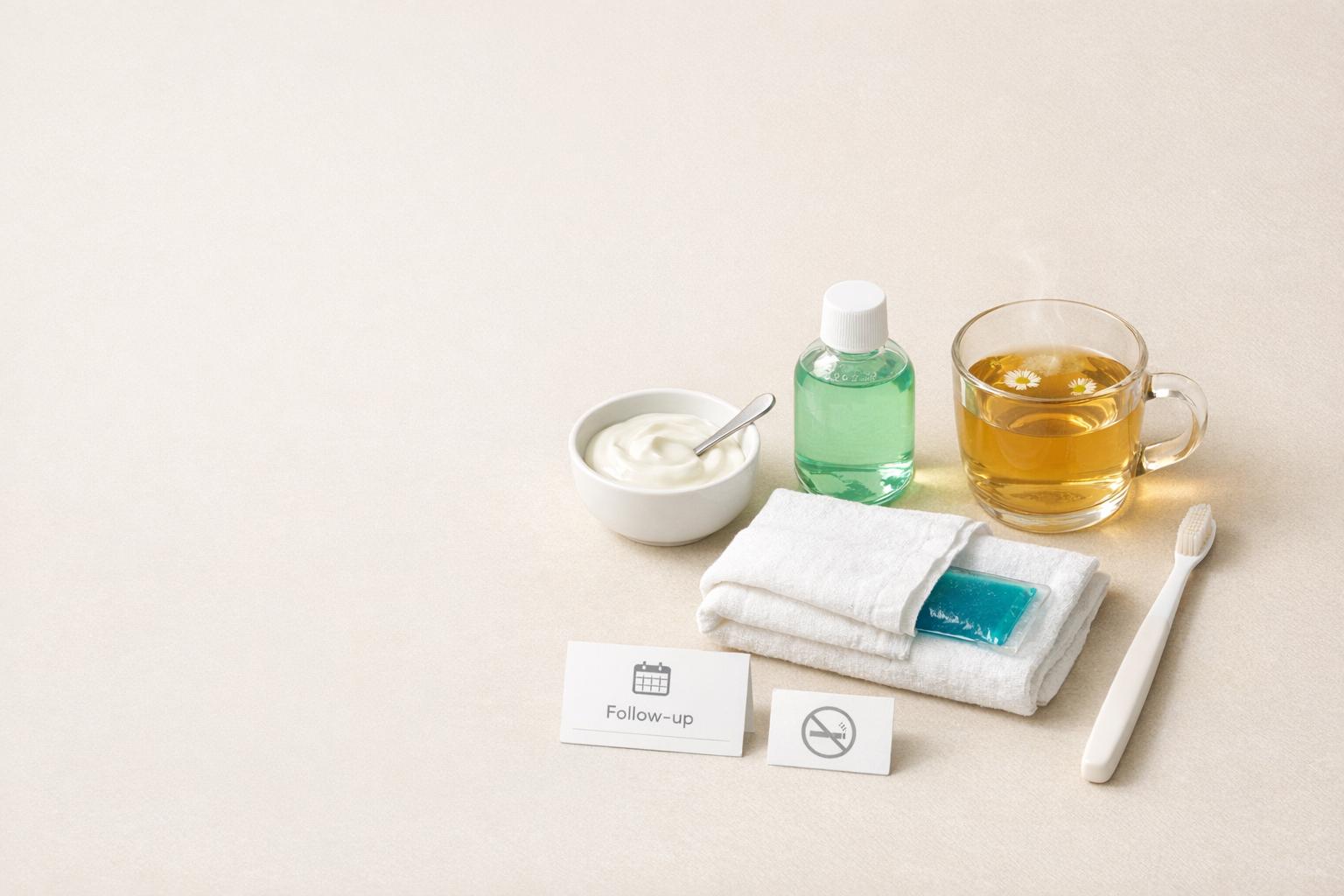
LANAP (Laser-Assisted New Attachment Procedure) offers a modern approach to treating advanced gum disease with less downtime compared to traditional methods. Recovery is generally swift, but following specific guidelines can help safeguard healing and improve results. Here’s what you need to know:
- First 48 Hours: Rest, avoid strenuous activity, and stick to a liquid diet to protect healing clots. Use ice packs for swelling and keep your head elevated while sleeping.
- Oral Hygiene: Avoid brushing treated areas initially. Rinse gently with salt water or prescribed antimicrobial solutions. Gradually reintroduce brushing after a week.
- Diet: Start with liquids, progress to soft foods by day 4, and avoid hard or sticky foods for at least 30 days.
- Lifestyle Adjustments: Avoid smoking, alcohol, and activities that create suction (e.g., using straws) to prevent disrupting healing.
- Follow-Up: Attend all routine dental checkups to monitor progress and address any issues.
Recovery involves protecting the laser-formed blood clots, which act like natural band-aids for your gums. Most patients return to normal routines within 24 hours, but deeper healing continues for months. Stick to your dentist’s advice for the best outcome. If you are a new patient, consider our gap-free check-up pack to start your journey toward better gum health.
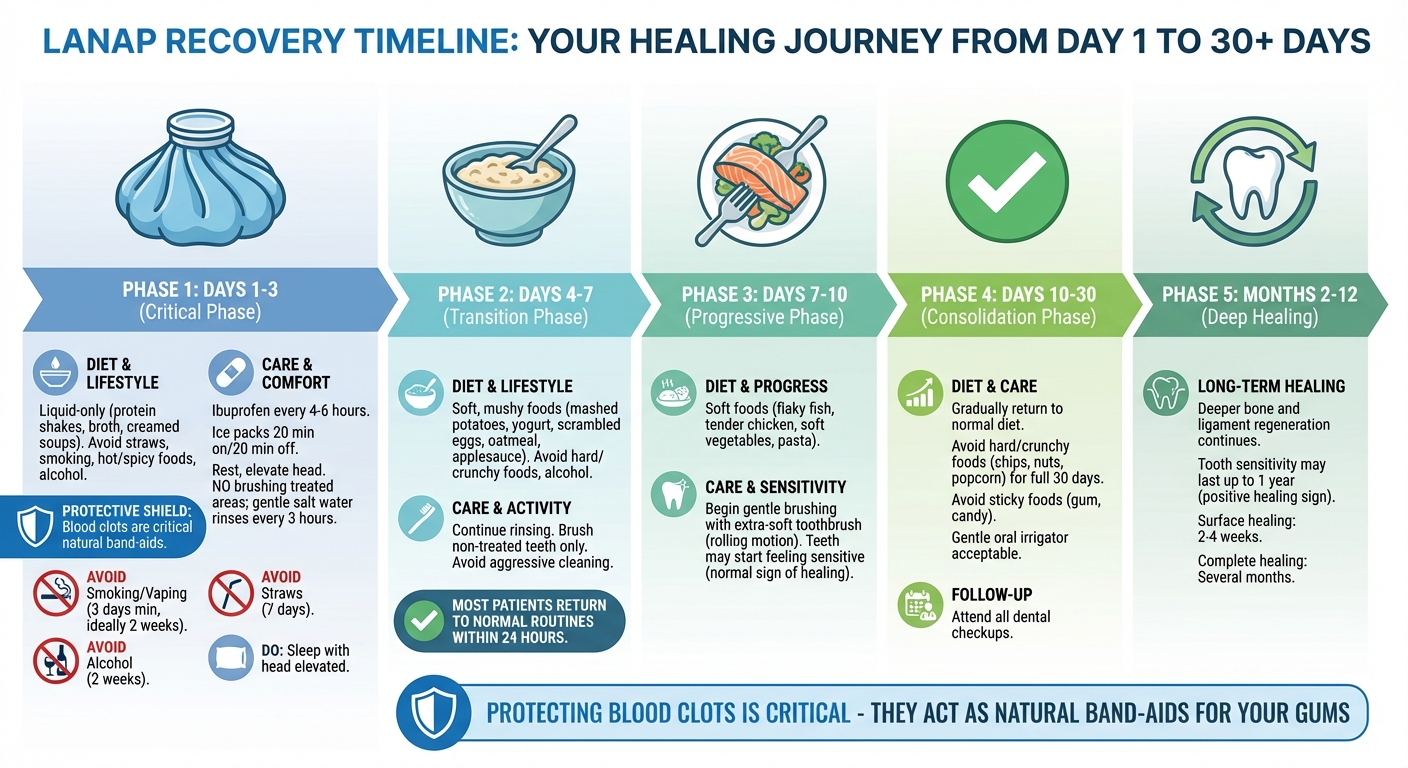
LANAP Recovery Timeline: Daily Guidelines for Optimal Healing
LANAP Post-Op Instructions by Dr. Neal Lehrman
sbb-itb-2be92ed
First 24–48 Hours After Your Procedure
The first couple of days following your LANAP procedure are crucial for ensuring proper tissue reattachment. During this time, most patients notice significant early healing [8]. To protect your results, it’s important to follow specific steps that aid in safeguarding the clot and supporting the healing process.
Rest and Avoid Physical Activity
Take it easy right after your procedure. Avoid activities like running, lifting heavy objects, or playing sports for the next 2–3 days [1]. The good news? Most people can get back to work or their usual daily routines within 24 hours [1]. This makes LANAP a far less disruptive option compared to traditional gum surgery.
Managing Pain and Swelling
To stay ahead of discomfort, take two Ibuprofen every 4–6 hours during the first day, even if you’re not feeling pain [1]. For swelling, use an ice pack wrapped in a towel or cloth and apply it to the affected cheek for 20 minutes on, followed by 20 minutes off, throughout the first 24 hours [1][6]. Once a day has passed, switch to warm, moist heat to encourage better circulation and healing [1].
"Controlling inflammation is the key to comfortable healing." – LANAP Australia [1]
How to Sleep After LANAP
Sleeping with your head elevated can help reduce swelling overnight. Use extra pillows to keep your head propped up, which will prevent fluid from pooling in the treated areas and make mornings more comfortable. If your dentist has given you a splint to wear at night to prevent grinding, be sure to use it as instructed [7].
Oral Hygiene During Recovery
Taking care of your oral hygiene is essential after LANAP to protect the healing clot and aid recovery. These blood clots, which form between your gums and teeth, act as a natural shield during the healing process [1].
Caring for Treated Areas
To safeguard the clot, avoid brushing or flossing the treated areas until your dentist gives the green light. However, you should continue brushing and flossing the areas of your mouth that weren’t treated.
After the first 24 hours, gently rinse your mouth with lukewarm salt water (½ teaspoon of salt dissolved in a glass of warm water) every three hours or after meals [1]. If your dentist has prescribed an antimicrobial rinse, follow their instructions carefully. Be gentle while rinsing – avoid vigorous swishing or using straws, as these actions can dislodge the clot [1] [2].
It’s also normal for your gums to appear discoloured or have a stringy texture during the initial days following laser treatment [1]. To minimise irritation, stick to alcohol-free mouthwashes.
As your gums heal, you can slowly reintroduce gentle cleaning techniques around the gumline.
When to Resume Normal Brushing
After one week, you can start brushing the gumline with an extra-soft toothbrush. Use a gentle rolling motion and warm water instead of scrubbing to avoid aggravating the area. At this point, you can also consider using a gentle oral irrigator to clear away plaque without disturbing the healing tissues [3].
If you notice some teeth sensitivity around the two-week mark, don’t worry – it’s a normal part of the healing process [1].
What to Eat During Recovery
Your diet plays a critical role in protecting the healing blood clots formed after LANAP. These clots act as a natural "band-aid", so eating the right foods helps keep them intact and supports the healing process initiated by laser gum surgery [9].
Best Foods for Recovery
Your recovery diet will progress through several stages, with each phase designed to protect the healing areas.
- Days 1–3: Stick to liquids like protein shakes, seed-free smoothies, broth, and creamed soups. Avoid using straws during this time, as the suction can disrupt healing.
- Days 4–7: Transition to soft, mushy foods. Options include cream of wheat, mashed yams, baked butternut squash, smooth peanut butter, mashed potatoes, avocado, applesauce, yoghurt, cottage cheese, scrambled eggs, and oatmeal.
- Days 7–10: Introduce soft foods such as flaky fish, tender chicken, soft-steamed vegetables, and well-cooked pasta.
- After 10 days: You can gradually return to your normal diet, but avoid hard and crunchy foods for at least 30 days.
Foods to Avoid
Certain foods can interfere with healing and should be avoided during recovery:
- First week: Stay away from hard, crunchy, or sticky foods, as well as meats that shred (like beef or pork). Avoid fruits with small seeds, spicy or acidic items, and very hot foods or drinks [10].
- Up to 30 days: Avoid hard and crunchy items like chips, nuts, popcorn, cookies, and crackers. Sticky foods such as chewing gum and sticky lollies should also be avoided, as they can disturb the healing tissue.
- First two weeks: Steer clear of spicy foods, acidic items (like citrus, tomatoes, and carbonated drinks), as these can cause chemical irritation. Also, keep your foods and drinks lukewarm rather than hot during the first 48 hours to minimise discomfort.
Nutrition for Healing
Focusing on proper nutrition is essential for tissue repair and overall recovery.
- Protein: Include sources like eggs, yoghurt, soft fish, and protein shakes to aid tissue regeneration.
- Vitamin C: Once you’re past the liquid phase, add vitamin C-rich foods like pureed mango or cantaloupe to support collagen production.
- Calcium: Dairy products provide calcium, which is vital for maintaining bone health around the treated areas.
- Hydration: Drink plenty of water to stay hydrated and promote healing.
- Supplements: Daily vitamins can help support your immune system during recovery.
Lifestyle Changes to Support Healing
After undergoing LANAP, making certain lifestyle adjustments can help maintain your recovery progress. These short-term changes play a crucial role in protecting healing clots and encouraging tissue repair.
Stop Smoking and Drinking Alcohol
Quit smoking immediately after your procedure. Smoking and vaping reduce blood flow to your gums, which limits oxygen and nutrients from reaching the healing tissues [11][12]. The chemicals in cigarettes can irritate the treated area, and the suction from smoking may dislodge the fibrin clot – a natural "band-aid" created by the laser [11][1].
Although the absolute minimum is three days, staying tobacco-free for two weeks is ideal to allow your gums the best chance to regenerate [1][5]. Research shows that only 16% of patients adhere to smoking cessation advice after oral surgery, but those who do see much better healing outcomes [12].
"The suction [from vaping] will dramatically increase your chance of developing a dry socket, especially since people tend to use vapes much more constantly… than cigarettes." – Aspen Dental [11]
Alcohol should also be avoided for at least two weeks following LANAP [5][2]. Alcohol can dehydrate tissues, interfere with antibiotics, and cause dangerous interactions with pain medications. If you’re taking any medications, hold off on alcohol until you’ve completed the entire course.
Avoid Harmful Oral Habits
Protecting the treated areas requires some changes to your daily habits. Avoid touching the surgical sites with your fingers or tongue, as this can introduce bacteria and disrupt healing [1][5]. Similarly, refrain from applying pressure to your cheeks near the treated area.
Steer clear of activities that create suction or pressure in your mouth, such as blowing up balloons or playing wind instruments, as these can disturb the healing process.
Attend Your Follow-Up Appointments
Even if you feel fine, don’t skip your follow-up visits. These checkups allow your dental team to monitor your progress and ensure that healing is on track [2][4][8]. While the surface of your gums may look healed, the deeper processes of bone and ligament regeneration can take months [5][4].
"Keep all your follow-up visits. This lets us monitor healing and gives us a chance to adjust your specific care plan and address any bite imbalances or other issues that may arise as your tissues regenerate." – Holistic Dental Center NJ [2]
Your dentist may also need to adjust your bite as your gums and bone heal. Healing can sometimes cause slight shifts in your bite, and timely adjustments help maintain long-term stability. If you experience unusual symptoms, like increased sensitivity or changes in your bite, contact your dental team right away.
Here’s a quick reference table to summarise these lifestyle changes:
| Habit to Stop | Recommended Duration | Why It Matters |
|---|---|---|
| Smoking/Vaping | 3 days to 2 weeks | Limits blood flow and risks clot disruption |
| Alcohol | 2 weeks | Delays healing and interacts with medications |
| Using Straws | 7 days | Suction can dislodge the protective blood clot |
| Heavy Lifting/Exercise | 3 to 7 days | Increases blood flow and risk of post-operative bleeding |
| Touching Treated Areas | Throughout recovery | Prevents bacteria introduction and tissue damage |
Daily Recovery Checklist
Track Your Daily Recovery
This daily checklist is your guide to staying on top of essential post-LANAP care. The first three days are critical – they’re all about protecting the blood clots that serve as natural "band-aids" between your gums and teeth [1].
Stick to your medication schedule. For example, take Ibuprofen every 4–6 hours during the first 24 hours to manage inflammation and ease discomfort [1]. Use prescribed antimicrobial rinses twice a day, and add gentle, warm salt water rinses every three hours for extra care [1].
Pay close attention to your gums each day. It’s normal to notice colour changes – your gums might look grey, yellow, red, blue, purple, or even "stringy." These are all typical signs of healing [1][5]. However, if you experience excessive bleeding, a persistent fever, or severe pain that doesn’t improve, contact your dental team immediately [13][5].
To make things easier, here’s a quick reference to guide you through each phase of your recovery. This table highlights the key actions to focus on and what to avoid. For more detailed instructions, refer to earlier sections.
| Timeframe | Do’s | Don’ts |
|---|---|---|
| Days 1–3 | Use ice packs in 20-minute intervals, stick to a liquid-only diet, use prescribed rinses, keep your head elevated while sleeping | Avoid strenuous activity, hot or spicy foods, using straws, smoking/vaping, brushing treated areas |
| Days 4–7 | Start eating mushy foods, gently brush non-treated teeth, continue rinsing | Avoid hard or crunchy foods, alcohol, and aggressive cleaning near treated areas |
| Week 2+ | Gradually return to a regular diet, follow dentist’s instructions for gentle brushing, attend follow-up appointments | Avoid smoking, poor nutrition, missing appointments, and high-pressure oral irrigators for up to 3 months |
While surface healing usually takes about 2–4 weeks, the deeper regeneration of bone and ligaments can take several months [14]. Around two weeks after treatment, your teeth may start feeling sore or sensitive. This sensitivity, which can last up to a year, is often a good sign that your healing process is on track [1].
Conclusion
Protecting the healing blood clots is critical for a smooth LANAP recovery. These clots function as a natural band-aid, playing a key role in tissue regeneration and healing [1]. The first 72 hours are especially important – stick to a liquid-only diet, use the prescribed rinses, and avoid anything that might disturb these clots.
"Controlling inflammation is the key to comfortable healing." – LANAP Australia [1]
Following the recommended dietary progression is essential to safeguard the healing process. Avoid actions that could disrupt the clots. Most patients notice significant improvement within 24–48 hours and are often able to return to work within a day [1]. However, deeper healing continues for months. Some tooth sensitivity, which can last up to a year, is a sign of ongoing bone regeneration [1]. These recovery steps, paired with consistent follow-up care, are the foundation for long-term success.
Don’t skip follow-up appointments – these visits allow your dentist to monitor your recovery and address any concerns early. If you experience persistent fever, uncontrolled bleeding, or notice pus at the treatment site, contact your dental team immediately [5]. Your dedication to these post-operative instructions is directly linked to your long-term oral health. By sticking to these guidelines, you’re setting the stage for lasting stability and wellness.
FAQs
How do I know if my gums are healing normally after LANAP?
After undergoing LANAP, there are a few signs that indicate your gums are healing as expected. These include reduced swelling and soreness within a few days, gums gradually regaining a healthier colour, and only mild discomfort without excessive bleeding. Most of the healing process happens within the first week. However, if you notice severe pain or anything unusual, it’s important to reach out to your dentist for guidance.
When should I call my dentist during LANAP recovery?
If you notice severe or long-lasting pain, excessive bleeding, ongoing swelling or tenderness, or develop a high fever, it’s important to contact your dentist right away – these could be signs of complications. Also, keep an eye out for changes in gum colour or appearance, or symptoms like oozing or sores on the roof of your mouth that don’t improve within the expected healing time. Seeking professional advice promptly can help address any issues early.
Can I take my regular medicines after LANAP?
Yes, in most cases, you can keep taking your regular medications, including prescribed antibiotics, after undergoing LANAP. This procedure typically doesn’t require you to pause or stop any medications. However, if you have specific medical concerns or conditions, it’s always best to consult your dentist or healthcare provider for tailored guidance.
Related Blog Posts
- Laser Gum Surgery Recovery: What to Expect
- Ultimate Guide To Post-Laser Gum Therapy Diet
- 8 Steps of Laser-Assisted Periodontal Surgery
- 5 Tips for Reducing Swelling After Laser Gum Therapy
Important Notice: Any surgical or invasive procedure carries risks. Before proceeding, you should seek a second opinion from an appropriately qualified health practitioner.
Individual results may vary. The information provided in this article is for educational purposes only and does not constitute medical advice.
Checkout Related Blogs




Get in touch with us
For more information, call us now to start feeling better. Or fill the form below to make appointment
The Latest News from Complete Smiles
How to Clean Clear Plastic Retainers
Checklist for Choosing Wearable Dental Devices
Checklist for Choosing Cloud AI Platforms in Dentistry

Complete Smiles Bella VistaAccepts All Major Health Funds, Including





