





Ultimate Guide To Post-Laser Gum Therapy Diet
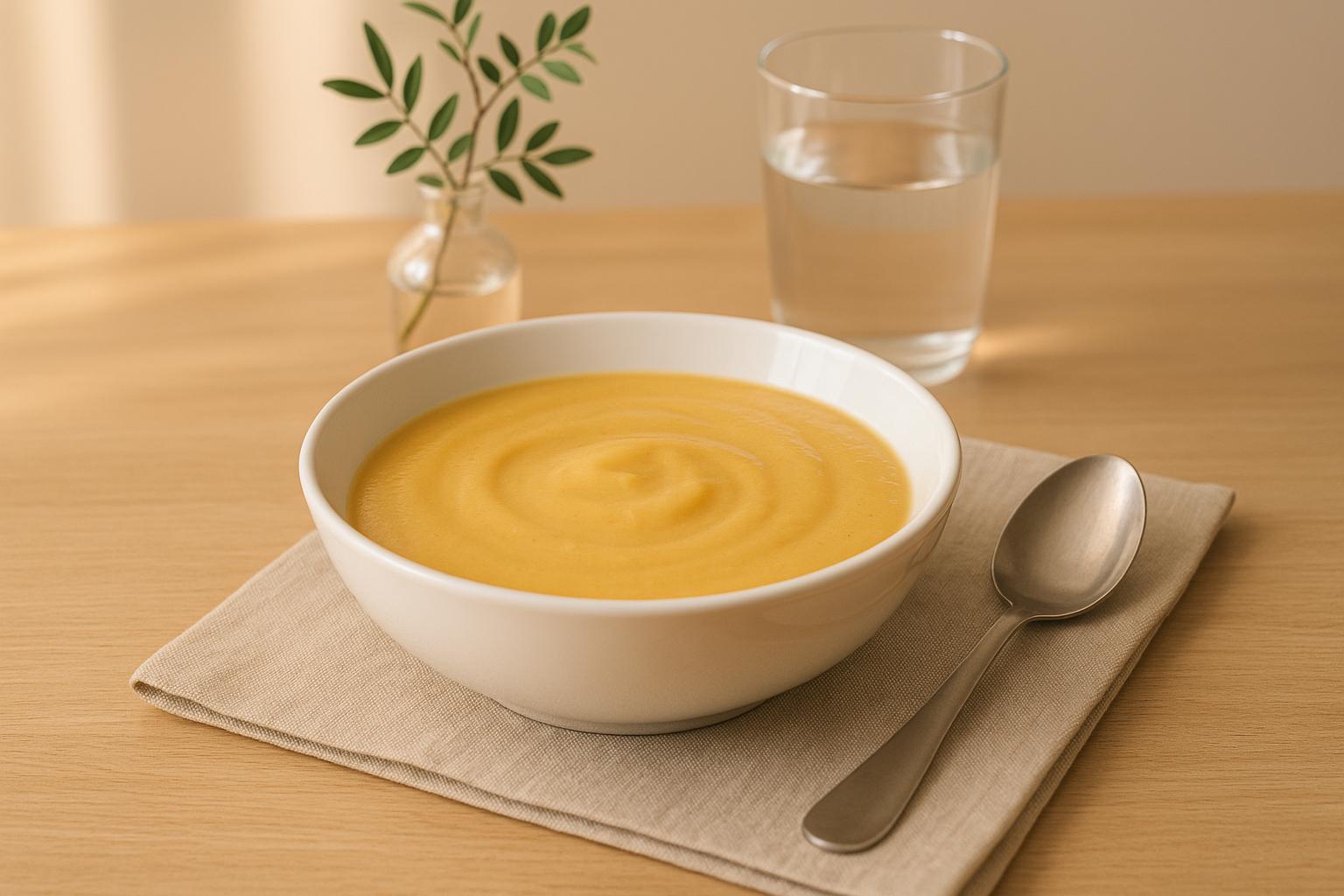
After laser gum therapy, your diet directly impacts how well and how quickly your gums heal. The first 30 days are critical, as your gums are sensitive, and the protective blood clot formed during the procedure is fragile. Here’s a quick breakdown of what to eat and avoid during recovery:
- Days 1–3: Stick to a liquid diet (smoothies, soups, nutritional drinks). Avoid straws, hot drinks, and acidic foods.
- Days 4–7: Transition to mushy foods like mashed potatoes, scrambled eggs, and yoghurt. Avoid crunchy, spicy, or sticky foods.
- Days 8–10: Introduce soft foods such as tender fish, steamed veggies, and soft pasta. Avoid hard or crusty items.
- Weeks 2–4: Gradually return to regular foods but continue avoiding nuts, seeds, popcorn, and hard or sticky items.
Focus on protein-rich and nutrient-dense foods to support tissue repair, and stay hydrated with cool or room-temperature drinks. Avoid alcohol, carbonated beverages, and using straws for at least two weeks. Proper nutrition and hydration are essential for a smooth recovery.
Diet after Laser Assisted Periodontal Procedure or LANAP by Dr. Gary Perlman
Days 1-3: Liquid Diet Phase
The first three days following laser gum therapy are crucial for your recovery. During this time, sticking to a liquid diet is essential to protect the fragile blood clots that aid in healing[1][6].
Recommended Liquids
Your liquid diet should consist of smooth, easy-to-consume options that also provide the nutrients your body needs to heal. Here are some suggestions to keep you nourished and satisfied:
- Smoothies: Blend bananas, seedless berries, milk, and yoghurt for a nutrient-packed drink. Adding protein powder can give an extra boost to your recovery[2][3].
- Nutritional drinks: Options like Ensure, Boost, or Slim Fast are convenient and packed with essential nutrients. Low-sodium V-8 juice is another great choice for getting your vegetables in liquid form[1][5].
- Soups and broths: Stick to creamed soups or broths that are blended until completely smooth. Be sure to consume them at room or cool temperatures to avoid irritating your gums[3].
- Soft desserts: Treat yourself to ice cream, pudding, Jell-O, or yoghurt. Milkshakes are also a comforting option, but skip the straw to protect the healing clots.
- Pureed fruits and vegetables: Blended fruits and veggies are excellent sources of vitamins and minerals. Remove any seeds before blending to ensure a smooth consistency.
| Liquid Type | Specific Examples | Key Benefits |
|---|---|---|
| Nutritional Drinks | Ensure, Boost, Slim Fast, V-8 | Convenient, balanced nutrition |
| Smoothies | Blended banana, seedless berries | High in protein and vitamins |
| Soups | Broths, creamed soups (blended) | Easy to prepare and satisfying |
| Soft Desserts | Ice cream, pudding, yoghurt | Gentle on gums, easy to consume |
| Pureed Foods | Blended fruits/vegetables | Fresh source of vitamins and fibre |
To fill any nutritional gaps, consider taking a daily multivitamin during this phase. It can provide extra support for your recovery and help your gums heal more effectively[1].
Foods and Drinks to Avoid
Stay away from spicy foods and anything acidic, such as citrus fruits, as they can irritate your sensitive gum tissue and slow the healing process[1][3]. Proper hydration is also key, but how you hydrate matters.
Staying Hydrated
Hydration plays a big role in your recovery. However, to protect the healing blood clots, avoid drinking through straws. The sucking motion can dislodge these clots, which are critical for proper healing[1][6]. Instead, drink directly from a cup or glass, or use a spoon for thicker liquids like smoothies or pureed soups.
Keep your beverages at room or slightly cool temperatures. Hot drinks can irritate your gums, while extremely cold ones might cause discomfort[3]. Consistency is key – sip fluids throughout the day to stay hydrated. Water-based smoothies, broths, and milk-based drinks not only contribute to hydration but also provide essential nutrients like protein and calcium[1][6].
To make things easier, prepare your drinks in advance. Blend a batch of smoothies or pureed soups and store them in the fridge in individual portions. Having these ready-to-go options will help you stick to your liquid diet and avoid reaching for foods that might harm your recovery[1].
Days 4-7: Moving to Mushy Foods
By the fourth day, your gums should feel more stable, making it the perfect time to introduce mushy foods. These soft, easy-to-eat options are gentle on healing tissue and require minimal chewing. Think of this stage as a stepping stone towards gradually reintroducing soft and, eventually, regular foods.
Mushy Food Options
During this phase, your food choices expand, but everything should still be soft and easy to manage. Here are some ideas:
- Breakfast options: Cream of Wheat, oatmeal, Malt-O-Meal, and scrambled eggs are great choices. Scrambled eggs are packed with protein, and you can mix in soft cheese or mashed avocado for added flavour and nutrients.
- Main meals: Mashed potatoes with a bit of butter or sour cream, mashed sweet potatoes, and mashed steamed vegetables like butternut squash or yams work well. Cottage cheese and other soft cheeses provide calcium and protein, while creamy peanut butter (without chunks) offers healthy fats and extra protein.
- Soups: Cream-based soups like cream of mushroom, cream of celery, or tomato soup are filling and easy to consume. Just make sure they’re not too hot before eating.
- Desserts and snacks: Yoghurt, pudding, Jell-O, and ice cream are all good options. Applesauce or other mashed fruits are also suitable, but ensure you remove any seeds beforehand.
| Food Category | Specific Options | Why They Work |
|---|---|---|
| Breakfast | Oatmeal, Cream of Wheat, scrambled eggs | Soft texture and high protein content |
| Dairy | Cottage cheese, soft cheese, yoghurt | Provides calcium and protein for healing |
| Vegetables | Mashed potato, mashed sweet potato, squash | Gentle source of vitamins and minerals |
| Soups | Cream of mushroom, cream of celery, tomato soup | Satisfying and easy to consume |
| Proteins | Eggs, creamy peanut butter | Essential for tissue repair |
Avoid foods like nuts, seeds, popcorn, chips, raw vegetables, shredded meat, spicy dishes, hard candies, chewing gum, and granola bars. These can get lodged between your teeth and gums or irritate sensitive tissues.
Preparing Mushy Meals
Once you’ve chosen the right foods, it’s crucial to prepare them properly to achieve the right consistency. Here’s how to make your mushy meals both nutritious and easy to eat:
- Vegetables and fruits: Steam vegetables until they’re very soft, then mash them thoroughly using a fork or potato masher. Adding a little butter or milk can help create a smoother texture. For fruits, blend them with milk or yoghurt to make a thick smoothie.
- Grains: Oatmeal and Cream of Wheat naturally reach the perfect consistency when cooked as directed. Allow them to cool to room temperature before eating to avoid irritating healing tissues.
- Proteins: Scramble eggs until they’re soft and fluffy. Mixing in soft cheese or mashed avocado can add variety and extra nutrients. For cottage cheese, opt for small-curd varieties, which are easier to manage.
- Soups: If making soup from scratch, ensure it’s blended until completely smooth. Cool it to a comfortable temperature before eating to avoid irritating sensitive gums.
- Batch preparation: Save time by preparing larger batches of mashed vegetables or other soft foods. Store them in individual portions in the fridge for up to two to three days, so you always have something ready when hunger strikes.
This phase is all about keeping your meals soft, smooth, and easy to consume while giving your body the nutrients it needs to heal. Take your time, and enjoy experimenting with these gentle yet satisfying options.
Days 8-10: Soft Foods Phase
By day eight, it’s time to ease into the soft foods phase. This stage acts as a bridge between the mushy textures of earlier days and a regular diet. The goal is to choose foods that are soft enough to be gentle on healing gums but hearty enough to feel like a proper meal. Think along the lines of steamed vegetables, tender fish, or well-cooked pasta.
Soft Food Options
During this phase, you can expand your menu to include nutrient-rich foods that are easy on your gums. Tender chicken, flaky fish like salmon or tilapia, and soft-cooked vegetables such as carrots, zucchini, and broccoli are excellent choices. Soft grains – including rice, quinoa, and pasta (cooked until very soft) – are also great additions. Fruits like ripe bananas, peaches, or stewed apples can provide a touch of sweetness without causing irritation.
If you’re craving bread, stick to softer varieties or pancakes, but steer clear of crusty options that might aggravate sensitive areas. For protein, tofu’s naturally soft texture makes it a fantastic choice, as does finely crumbled ground beef. To prepare proteins, cook them until very tender, then shred, flake, or crumble for easier chewing. Pasta with smooth sauces, such as a creamy or pureed tomato base, can also make for a satisfying meal.
Don’t forget to let hot foods cool down before eating to avoid irritating your gums. And avoid anything hard, sticky, spicy, or acidic – this includes chips, nuts, raw vegetables, caramels, citrus fruits, and carbonated drinks. Chewing gum should also stay off the menu for now.
For Australian patients, familiar dishes can be easily adapted to meet these requirements. Traditional stews and casseroles, when cooked thoroughly, become perfectly tender. Slow-cooked meat pies can work if you stick to the filling and skip the pastry. Shredded or minced barbecued meats, along with soft local produce like ripe bananas and avocados, are also excellent options. These adjustments make it easier to transition toward regular eating habits later on.
| Food Category | Specific Options | Preparation Tips |
|---|---|---|
| Proteins | Chicken, salmon, tilapia, tofu, ground beef | Cook until very tender; shred, flake, or crumble |
| Grains | Rice, quinoa, pasta, soft bread | Cook thoroughly until soft; avoid crusty varieties |
| Vegetables | Carrots, zucchini, broccoli, squash | Steam or boil until tender; cut into small pieces |
| Fruits | Bananas, peaches, stewed apples | Choose naturally soft or well-cooked options |
Checking Your Healing Progress
As you move through this phase, it’s important to keep an eye on how your gums are healing. Signs of progress include reduced swelling, less sensitivity, and increased comfort while eating. If gentle brushing results in little to no bleeding, that’s another positive sign.
However, if any food causes discomfort, it’s a signal that your gums might need more time to recover. In such cases, give yourself a few more days before trying those items again. To make eating easier, chew on the opposite side of your mouth, take smaller bites, and eat slowly to minimise pressure on healing tissue.
While chewing soft foods without pain is a good indicator of progress, persistent pain, ongoing bleeding, or significant inflammation should prompt a visit to your dentist. For tailored advice, dental professionals like Complete Smiles Bella Vista can provide guidance specific to your recovery needs.
Most people begin transitioning to a regular diet around days 7-10, but healing times can vary depending on factors like the extent of your laser treatment, how well you’ve followed dietary guidelines, and your overall oral health.
Stay hydrated with cool drinks, but avoid using straws, as they can disrupt healing. If soft foods alone aren’t meeting your nutritional needs, consider adding smoothies or nutritional drinks to your diet. Blend fruits, yoghurt, and milk for a nutrient-packed option that requires no chewing.
sbb-itb-2be92ed
Week 2 and Beyond: Returning to Normal Foods
After the soft foods phase, you’ll gradually reintroduce more regular foods while still being mindful of your healing gums.
By the second week, your gums will have made noticeable progress, but they’re still in the healing process. Around day 11, you can start incorporating softer versions of your usual meals. For instance, swap raw vegetables for steamed or roasted ones and go for tender rice instead of firmer grains. When it comes to proteins, choose options like chicken, fish, tofu, or ground beef, which are easier to chew. If you experience any discomfort, hold off on that food and try again later. Throughout the first month, stick to softer foods to avoid putting unnecessary strain on your gums. These eating habits will help ensure a smoother recovery.
Foods to Avoid
During the first 30 days, certain foods should be off the menu to protect your gums from irritation or damage.
- Hard and Crunchy Foods
Foods like nuts, popcorn, chips, and raw vegetables can scratch healing gum tissue or get stuck between your gums and teeth. - Sticky Foods
Chewing gum, caramels, and chewy lollies can tug at your healing gums and should be avoided. - Shredded Meats
Pulled pork or shredded beef can easily get lodged under your gums, potentially causing complications. - Acidic Foods
Citrus fruits, tomatoes, and vinegar-based dressings can irritate sensitive gums. - Spicy Foods
Hot sauces, jalapeños, and heavily spiced dishes may cause discomfort. - Seeds and Hard Pieces
Items like seeded bread, strawberries with visible seeds, and granola with hard chunks can get trapped in healing areas.
When it comes to drinks, avoid anything that might disrupt the healing process. Steer clear of carbonated beverages, alcohol (for at least two weeks), and straws altogether. Also, let hot drinks like coffee, tea, or soup cool to a comfortable temperature before consuming them.
| Food Category | Items to Avoid | Duration | Reason |
|---|---|---|---|
| Hard/Crunchy | Nuts, popcorn, chips, raw vegetables, salads | 30 days | Can scratch healing tissue and lodge between gums |
| Sticky | Chewing gum, caramels, chewy lollies, biscuits | 30 days | Can pull on healing gums |
| Shredded Meats | Pulled pork, shredded beef | 30 days | Can lodge under gums or between teeth |
| Acidic | Citrus fruits, tomatoes, vinegar-based dressings | 30 days | Can irritate sensitive gums |
| Spicy | Hot sauce, jalapeños, heavily seasoned dishes | 30 days | Can cause discomfort |
| Beverages | Carbonated drinks, alcohol, very hot drinks | 14–30 days | Can irritate healing tissue |
Long-Term Diet Considerations
The careful eating habits you’ve adopted during recovery can continue to benefit your oral health in the long run.
After 30 days, when your gums are fully healed, you can return to your regular diet. However, it’s wise to stay cautious with foods that might get stuck between your teeth or irritate your gums. You don’t need to avoid these foods entirely, but eating them in moderation is a good idea.
Nutrition remains key even after recovery. Protein helps maintain tissue health, while calcium and phosphorus strengthen the bone supporting your gums. Vitamins like C, zinc, and B vitamins are also essential for gum health. If your diet doesn’t consistently provide these nutrients, consider taking a daily multivitamin.
Don’t overlook hydration – it’s just as important. Drinking plenty of water helps wash away food particles and bacteria, reducing the risk of gum issues down the line. Keep a steady intake of fluids, prioritising water throughout the day.
Pairing a balanced diet with good oral hygiene is the best way to ensure long-term gum health. The dietary adjustments you’ve made during recovery can lead to healthier eating habits that benefit your overall wellbeing. For tailored advice on maintaining your gum health, consult dental professionals like Complete Smiles Bella Vista (https://completesmilesbv.com.au). They can provide personalised recommendations based on your specific needs.
Nutrition for Better Healing
Recovering from laser therapy requires more than just rest – your body needs the right nutrients to rebuild tissue and keep your immune system strong. A well-planned diet, tailored to match recommended textures and temperatures, can make a big difference in how smoothly your recovery goes. Let’s dive into how protein and essential vitamins and minerals can support your healing process.
Getting Enough Protein
Protein plays a central role in tissue repair and wound healing. It provides the amino acids your body uses to rebuild damaged tissue and keep your immune system functioning well. Without enough protein, healing could slow down, and the risk of complications may increase.
Eggs are a fantastic choice – they’re gentle on healing gums and can be prepared in various ways, such as scrambled, soft-boiled, or as an omelette with cheese and avocado. Yoghurt and cottage cheese are also excellent sources of protein and calcium. If dairy isn’t an option for you, coconut or almond yoghurt can be a great alternative.
During the mushy food phase (usually days 4–7), creamy peanut butter (without chunks) works well spread thinly on soft bread or blended into a smoothie. As you transition to soft foods around days 7–10, options like soft fish or boiled chicken become ideal. If you’re struggling to get enough protein from food alone, consider protein supplements to fill the gap.
To optimise healing, aim for about 1.2–1.6 grams of protein per kilogram of body weight daily. For instance, if you weigh 70 kilograms, your target would be roughly 84–112 grams of protein each day. Spreading this intake across smaller meals throughout the day helps your body absorb and use these nutrients effectively.
Vitamins and Minerals for Healing
While protein is vital, essential vitamins and minerals also play key roles in speeding up recovery. Let’s take a closer look at some of the most important ones:
- Vitamin C: This vitamin supports collagen production, which is crucial for rebuilding gum tissue. While acidic citrus fruits might be too harsh during recovery, you can get your vitamin C from smoothies made with seedless berries and bananas or from mashed avocado, which is gentle on healing gums.
- Zinc: Zinc aids tissue repair and strengthens immune function. Foods like eggs, cottage cheese, and yoghurt are excellent sources of both zinc and protein, making them a double win for recovery.
- B Vitamins: These vitamins are essential for energy production and cellular repair. Many protein supplements and nutritional drinks include added B vitamins, helping you meet the extra energy demands of recovery.
- Calcium and Phosphorus: These minerals work together to strengthen the bone supporting your gums. Dairy products such as yoghurt, soft cheeses, and cottage cheese provide these nutrients in forms that are easy for your body to absorb.
- Antioxidants: To reduce inflammation and protect your cells, include antioxidant-rich foods like mashed bananas, avocados, and eggs. Mashed steamed vegetables with a drizzle of olive oil are another great option that fits the required texture guidelines.
If your diet is limited during the early stages of recovery, a daily multivitamin can help cover any nutritional gaps. This is especially useful during the first week when food variety might be restricted.
Instead of reaching for empty-calorie foods, focus on nutrient-dense options to give your body the tools it needs to heal effectively. If you’re unsure about meeting your nutritional needs, consult your dental provider or a nutritionist to create a personalised plan that supports your recovery journey.
Hydration and Beverage Guidelines
Staying hydrated is key to recovery, especially when it comes to tissue repair. Hydration helps deliver nutrients and oxygen, clears away debris, and reduces inflammation. This is particularly important during the first 7–10 days after surgery, as blood clots protect your gums during this critical healing period [1][6].
To maintain hydration, establish a consistent drinking routine. Just as important as what you drink is knowing which beverages to avoid during this time.
Drinks to Avoid During Recovery
Hot drinks can irritate healing tissues and may disrupt blood clots [7][3]. If you’re consuming soups or warm beverages, let them cool to room temperature before drinking. When in doubt, stick with cooler options.
Certain beverages are best avoided altogether during the early stages of recovery. Alcohol, for instance, should be off-limits for at least two weeks post-surgery as it can irritate tissues and slow the healing process [7][4]. Similarly, carbonated drinks can disturb healing tissues due to pressure changes, while acidic beverages like citrus juices can irritate sensitive gums. These should also be avoided during the initial recovery phase.
Another key tip: skip the straws. The suction created when sipping through a straw can dislodge the protective blood clots [1][6]. Instead, drink directly from a cup or bowl to protect the healing area.
Now that you know what to steer clear of, let’s look at safe beverage options for each stage of recovery.
Safe Beverage Choices
In the first few days (days 1–3), when you’re on a liquid diet, focus on drinks that aid in healing. Nutritional beverages like Ensure, Slim Fast, or Boost provide a good mix of protein, vitamins, and minerals. Protein shakes and smoothies made with milk or yoghurt are also excellent choices, as they supply the protein needed for tissue repair. When making smoothies, stick to soft fruits like bananas and avoid fruits with small seeds that might irritate your gums. If you’re drinking milk-based beverages, remember to avoid using a straw.
Other good options include low-sodium vegetable juices, broths, and blended soups that have been cooled to room temperature. Puréed fruits or vegetables can also work well during this phase, as long as they’re easy to drink and gentle on your gums.
As you transition to the mushy food phase (days 4–7), you can continue with these beverages while adding cream-based soups that are appropriately cooled. This gradual shift supports healing as your gums start to strengthen.
Herbal teas, such as chamomile, can be soothing when consumed at room temperature or slightly warm. Chamomile, in particular, may help reduce inflammation and promote relaxation. Just make sure the tea has cooled enough before drinking, and avoid any herbal blends with acidic ingredients.
By days 10–11, when soft foods become part of your diet, you can start enjoying beverages at slightly warmer temperatures. However, avoid drinks that are excessively hot. After about two weeks, you can slowly reintroduce carbonated beverages and alcohol, but do so in moderation. Even at this stage, it’s wise to remain cautious with very hot or acidic drinks, as they can still cause sensitivity.
Planning ahead can make sticking to these guidelines easier. For example, prepare smoothies or allow soups to cool in advance so you always have safe options on hand. If you’re unsure about your hydration or beverage choices during recovery, don’t hesitate to reach out to your dental provider for tailored advice.
Conclusion
What you eat has a direct impact on how well your gums recover after laser therapy. The step-by-step dietary plan outlined here is designed to protect the blood clot that forms between your gums and teeth, which acts as a crucial barrier during the healing process[1][6]. Eating the wrong foods too early can disrupt this clot and slow down recovery.
For the first three days, stick to a strict liquid diet. From days 4 to 7, you can transition to mushy foods, followed by soft foods between days 8 and 10. After day 10, you can gradually reintroduce regular foods, but avoid hard or crunchy items like nuts, seeds, and popcorn for at least 30 days[2][6].
To help your gums heal, focus on getting enough protein from sources like eggs, yoghurt, cottage cheese, and soft fish. These, along with essential vitamins and staying hydrated, play a key role in tissue repair and boosting your immune system[1][2][6]. Taking daily vitamin supplements during the first 10 days can further support tissue regeneration[1][6]. Also, avoid using straws to drink, as the suction can dislodge the protective clot[1][2]. Each phase of this diet builds on the last, ensuring your gums heal properly and stay healthy long-term.
Key Takeaways
Sticking to the dietary phases is critical to protecting your healing gums and ensuring the success of your treatment. The first three days are especially important, as this is when the protective clot forms and begins its work[1][2][6].
Plan your meals ahead of time to keep your nutrition on track. Preparing and portioning soft foods in advance can save time and ensure you always have suitable options[3]. If you experience any discomfort, go back to softer foods and allow your gums more time to recover[2]. Pay attention to your body – it will let you know when it’s ready for the next phase.
Keep your beverages and foods at room temperature or slightly cool during the first week. As healing progresses, you can gradually introduce warmer items, but avoid anything overly hot for at least two weeks[3].
If you’re uncertain about specific foods or notice any unusual symptoms during recovery, reach out to your dental provider for advice. Managing your diet carefully during these critical weeks sets the stage for long-term gum health and ensures you get the best results from your laser therapy treatment.
FAQs
What could happen if I don’t follow the recommended diet after laser gum therapy during the first 30 days?
Not following the recommended diet after laser gum therapy during the first 30 days can slow down your recovery and increase the chance of complications. Foods that are hard, crunchy, or sticky can irritate the treated area, cause discomfort, or even interfere with the healing of gum tissue. On top of that, poor dietary choices might lead to inflammation or even infection, potentially affecting the success of the procedure.
To support proper healing, stick to your dentist’s advice by focusing on soft, nutrient-rich foods and staying well-hydrated. If you’re unsure about what to eat or have specific concerns, don’t hesitate to reach out to your dentist for tailored guidance.
What are the best ways to maintain proper nutrition, including protein intake, after laser gum therapy while on a restricted diet?
After undergoing laser gum therapy, it’s a good idea to stick to a soft food diet to help the healing process along. To keep up your protein intake and get the nutrients you need, try including foods like scrambled eggs, yoghurt, cottage cheese, or smooth nut butters. Blended soups made with legumes or soft tofu are also great choices.
You can also add nutrient-rich options like mashed avocado, steamed and puréed vegetables, or fruit smoothies to your meals. If you’re unsure about meeting your nutritional requirements, it’s worth reaching out to your dentist or a dietitian for tailored advice. Don’t forget to stay hydrated – drinking plenty of water throughout the day is just as important.
Why should you avoid straws and hot drinks during recovery after laser gum therapy?
Using straws or drinking hot beverages after laser gum therapy can interfere with your recovery. When you use a straw, the suction it creates in your mouth can dislodge the protective blood clot that forms over the treated area. This not only slows down the healing process but can also lead to discomfort. Similarly, hot drinks can irritate the delicate gum tissue, increasing the chances of burns or inflammation.
For a smoother recovery, opt for lukewarm or cool drinks, and avoid any habits that might disturb the treated area. Be sure to follow your dentist’s post-treatment care guidelines to ensure proper healing.
Related Blog Posts
- How Dentists Evaluate Patients For Laser Gum Surgery
- Gum Grafting Healing Stages: Day-by-Day Guide
- Laser Gum Surgery Recovery: What to Expect
- Ultimate Guide to Oral Hygiene After Laser Gum Therapy
Important Notice: Any surgical or invasive procedure carries risks. Before proceeding, you should seek a second opinion from an appropriately qualified health practitioner.
Individual results may vary. The information provided in this article is for educational purposes only and does not constitute medical advice.
Checkout Related Blogs




Get in touch with us
For more information, call us now to start feeling better. Or fill the form below to make appointment
The Latest News from Complete Smiles
How to Clean Clear Plastic Retainers
Checklist for Choosing Wearable Dental Devices
Checklist for Choosing Cloud AI Platforms in Dentistry

Complete Smiles Bella VistaAccepts All Major Health Funds, Including





