





Ultimate Guide to Oral Hygiene After Laser Gum Therapy
Laser gum therapy helps remove diseased tissue and promotes healthier gums, but proper aftercare is critical for recovery. Here’s what you need to know:
- Healing Timeline: Recovery varies – mild cases heal in 7–10 days, moderate in 10–14 days, and extensive treatments may take 2–3 weeks.
- Immediate Care (First 2 Weeks): Avoid brushing or flossing the treated area. Use warm saltwater rinses and alcohol-free mouthwash to keep gums clean. Stick to soft, cool foods to avoid irritation.
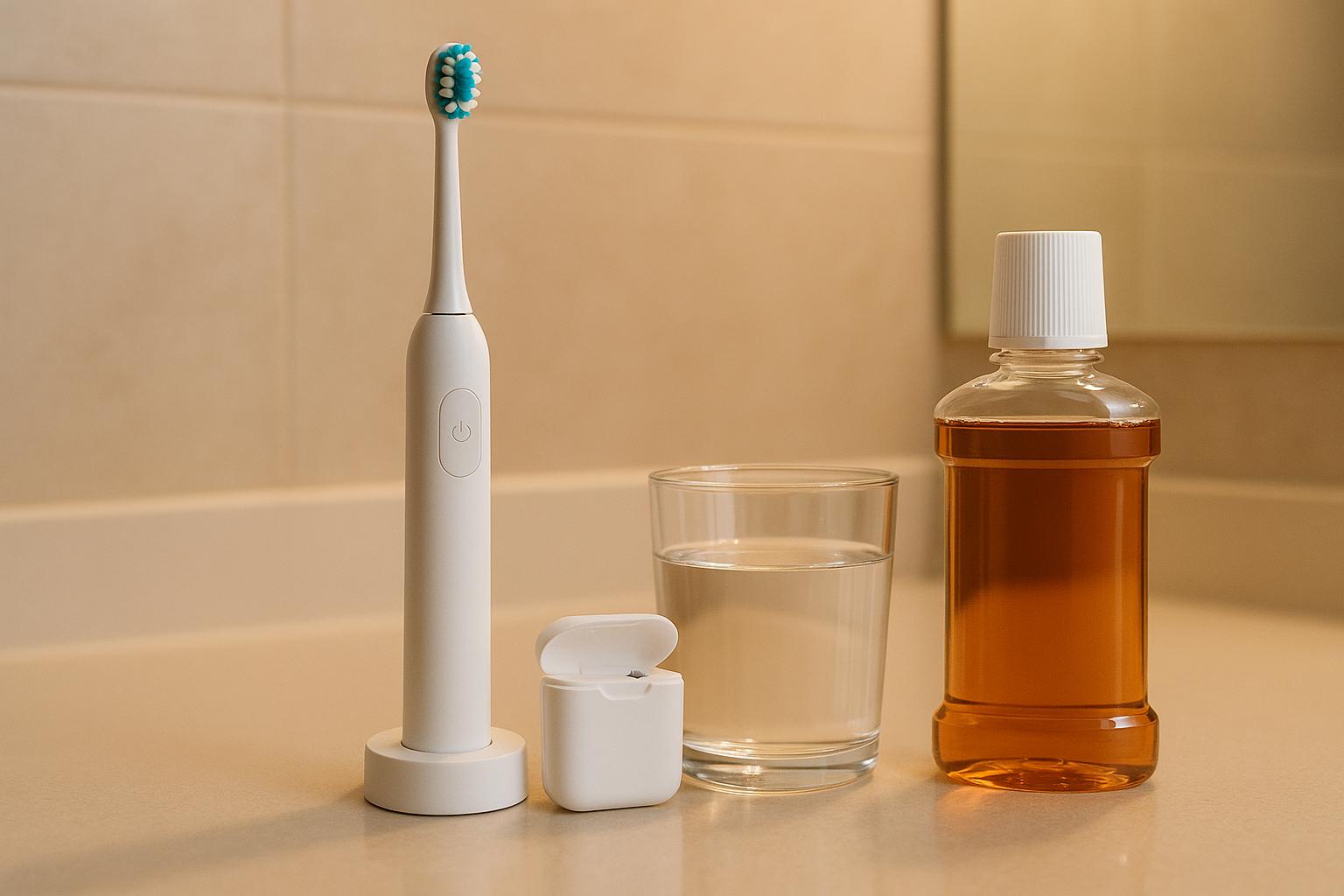
- Products to Use: Opt for a soft-bristled toothbrush and dentist-recommended rinses like Chlorhexidine or alcohol-free options. Avoid electric toothbrushes and oral irrigators during early recovery.
- What to Avoid: Skip straws, smoking, alcohol-based mouthwashes, and hard or spicy foods. These can disrupt healing.
- Long-Term Care: After recovery, maintain gum health with regular brushing, flossing, and dental visits every 3–6 months. Watch for warning signs like swelling, bleeding, or pain, and consult your dentist if these occur.
What Laser Gum Therapy Does to Your Mouth
What Is Laser Gum Therapy?
Laser gum therapy involves the use of focused light energy to target and remove diseased gum tissue, seal blood vessels, and encourage regeneration. Unlike traditional gum surgery, which relies on scalpels and stitches, this method is far less invasive and preserves more of the healthy gum structure [9].
One of the key benefits is that it seals blood vessels and nerve endings during the procedure. This means less bleeding, reduced swelling, and minimal post-operative discomfort compared to conventional techniques [8]. Since stitches are rarely required, the recovery process is often smoother. Additionally, the laser sterilises the treated area, lowering the bacterial load and creating an environment that supports better healing [8]. These features play a crucial role in how you’ll need to care for your gums after the procedure.
How Laser Treatment Changes Gum Tissue
After laser gum therapy, your body forms a natural protective barrier called a fibrin layer. This acts like a bandage, shielding the treated area while new gum tissue and attachments begin to develop [2].
During the healing phase, you might notice that the treated gums temporarily change colour. This is completely normal and part of the process. Beneath this protective layer, your gum tissue is regenerating and forming stronger, healthier connections to your teeth [5].
These changes make it necessary to adjust your oral care routine, as traditional brushing and flossing can interfere with the healing process.
Why Your Oral Care Routine Must Change After Treatment
The healing gums are more sensitive and prone to infection immediately after laser therapy, so your usual oral care methods need to be temporarily modified. The fibrin barrier that protects the treated area is delicate and can be easily disrupted by brushing or flossing, which might cause bleeding or slow down recovery [2]. If disturbed, this barrier may also allow bacteria to enter, potentially compromising the success of the treatment.
To protect your healing gums, avoid brushing over the treated areas. Instead, rinse gently with warm saltwater or an alcohol-free mouthwash to keep the area clean without causing irritation. Once your gums have sufficiently healed – usually within one to two weeks – your dentist will let you know when it’s safe to resume your regular oral hygiene routine. Until then, a gentle approach is key to ensuring a smooth recovery.
Post-operative Care After Laser Periodontal Therapy | Ask Dr. Ting
First 2 Weeks: Immediate Post-Treatment Care
The first two weeks after laser gum therapy are all about careful management to ensure your gums heal properly and without complications. Following the right steps during this period can make a huge difference in your recovery.
Daily Care Steps: Days 1–14
During this time, it’s important to handle your gums with care. Avoid brushing or flossing directly over the treated area until your dentist gives the all-clear[2]. For untreated areas, continue brushing gently with a soft-bristled toothbrush, being cautious near the edges of the treated site to avoid disturbing it.
Rinse your mouth with a warm saltwater solution (½ teaspoon of salt in 250 mL of water) after meals to help remove debris and keep the area clean[1]. To reduce swelling and minimise bleeding, try sleeping with your head slightly elevated using two pillows for the first few nights[3].
Best Oral Care Products for Recovery
Not all oral care products are suitable for use during recovery. Alcohol-free mouthwashes, like Listerine Zero, are a safer choice because they clean without causing irritation. If additional antibacterial protection is needed, your dentist might recommend a stronger rinse, such as Peridex (Chlorhexidine)[2].
Some dental practices may also suggest prescription rinses, like StellaLife products, which can help ease pain, reduce swelling, and support faster healing[2]. Stick to a soft-bristled toothbrush to protect the delicate, healing tissue.
| Product Type | Recommended Options | Key Benefits |
|---|---|---|
| Mouthwash | Listerine Zero, Peridex | Cleans without irritating sensitive gums |
| Toothbrush | Soft-bristled manual brush | Gentle on healing tissue |
| Rinse | Warm saltwater (½ tsp per cup) | Soothes gums and removes debris |
| Prescription | StellaLife products | Reduces pain, swelling, and aids healing |
What to Avoid During Healing
Certain habits and products can disrupt the healing process, so it’s best to steer clear of them. Avoid vigorous rinsing, forceful spitting, or using oral irrigators like Waterpik devices, as these can disturb the treated area[2]. Alcohol-based mouthwashes are also a no-go because they can irritate your gums and slow recovery[1].
Refrain from activities that create suction, such as drinking through straws, smoking, or playing wind instruments, as these can interfere with healing[3]. Similarly, actions that put pressure on your lips and cheeks, like blowing up balloons, should be avoided.
Your diet matters too. Stick to soft, room-temperature foods like yoghurt, mashed vegetables, and smoothies during the first week. Avoid hot, spicy, crunchy, or sticky foods that might irritate your gums or get stuck in the healing tissue[1].
Lastly, hold off on using electric toothbrushes and oral irrigators on the treated area for at least a month, as these can be too harsh for your healing gums[7].
If you notice excessive swelling, persistent bleeding, severe pain, or signs of infection (such as pus or fever), contact your dentist right away[2].
Getting Back to Normal Oral Care
Once you’ve passed the initial two-week recovery period, you can slowly ease back into your regular oral hygiene routine. But take it slow – your gums are still healing, and a gentle approach is key. Here’s how to safely start brushing and flossing again while supporting your recovery.
When to Start Brushing and Flossing Again
The right time to resume brushing depends on how your healing is progressing and what your dentist recommends. In most cases, gentle brushing can begin 7–14 days after your treatment. For minor procedures, you might be ready after a week, but more extensive treatments might mean waiting up to three weeks. Pay attention to your body – if there’s no soreness, bleeding, or swelling, you’re likely ready to resume full oral care.
When you do start brushing, focus on technique:
- Brushing: Use gentle, circular motions instead of scrubbing aggressively.
- Flossing: Hold off for about four weeks. When you do start, be gentle and avoid pressing the floss into your still-healing gum line.
Once you’re back to brushing and flossing safely, your diet becomes the next important factor in helping your gums recover.
Foods to Eat and Avoid During Recovery
As you reintroduce your oral care habits, sticking to a soft food diet can help minimise irritation and protect the healing area. Safe options include mashed potatoes, yoghurt, lukewarm soups, and soft pasta. These foods are easy on your gums and won’t disrupt the recovery process.
When you’re ready, you can start adding slightly firmer foods to your meals. However, avoid anything hard or crunchy – like nuts, chips, popcorn, or crusty bread – that could harm the surgical site or interfere with healing. Spicy, sticky, hot, or acidic foods should also be avoided, as they can irritate your gums and delay recovery.
It’s also best to steer clear of tobacco and alcohol during this time. Both can slow down tissue repair and increase your risk of infection.
| Recovery Phase | Safe Food Options | Foods to Avoid |
|---|---|---|
| Weeks 1–2 | Yoghurt, smoothies, mashed potatoes, eggs | Hard, crunchy, spicy, and hot foods |
| Weeks 3–4 | Soft pasta, lukewarm soups, well-cooked vegetables | Nuts, chips, crusty bread, sticky sweets |
| Ongoing | Gradually introduce firmer foods as comfort allows | Tobacco, alcohol, and very hot or spicy foods |
These dietary adjustments, along with careful oral care, will protect the delicate work done during your laser therapy and help your gums heal properly.
Keep in mind that everyone’s recovery timeline is different. Some people may feel ready to expand their diet after two weeks, while others might need a full month before moving beyond soft foods. If you experience pain, bleeding, or discomfort when trying new foods, go back to softer options and consult your dentist for guidance.
For tailored advice on post-treatment care and safely resuming your oral hygiene routine, speak with your dental provider. In Australia, dental professionals, including the team at Complete Smiles Bella Vista, stress the importance of following your dentist’s instructions closely to ensure the best possible healing.
sbb-itb-2be92ed
Long-Term Care After Full Recovery
Once you’ve fully recovered, maintaining your oral health through consistent self-care and regular dental visits is key to preserving the results of your treatment.
Why Regular Dental Visits Are Crucial
Regular dental check-ups are more important than ever after recovery. These visits help catch early signs of gum disease recurrence and remove plaque and tartar that daily brushing might miss. In fact, research indicates that regular dental visits can lower the risk of disease recurrence by 60% [9].
Most dentists recommend scheduling check-ups every 3 to 6 months after laser gum therapy. However, the ideal frequency depends on your individual risk factors [2]. In Australia, clinics like Complete Smiles Bella Vista offer personalised follow-up care to suit your needs.
Combining professional care with disciplined daily habits is the best approach for maintaining long-term gum health.
Daily Habits for Maintaining Healthy Gums
A consistent daily oral care routine is vital for keeping your gums healthy. Here’s what you should focus on:
- Brushing: Use a soft-bristled toothbrush and brush twice a day with gentle, circular motions.
- Flossing: Floss at least once daily. If traditional floss feels uncomfortable, try floss picks or a water flosser.
- Mouthwash: Add an alcohol-free, antimicrobial mouthwash to your routine to reduce bacteria and support gum health [6].
Replace your toothbrush every three months, or sooner if the bristles show signs of wear. Consider switching to an electric toothbrush with pressure sensors to avoid over-brushing [2].
Your diet also plays a significant role in oral health. A balanced diet rich in vitamins C and D, calcium, and antioxidants helps strengthen your gums. On the other hand, limiting sugary snacks and drinks can prevent plaque buildup. Avoiding smoking and cutting back on alcohol are also critical, as both can hinder gum healing and increase the likelihood of disease returning [6][8].
These daily steps not only keep your gums healthy but also help you notice any potential problems early on.
Warning Signs That Require Attention
It’s important to stay vigilant for any signs of gum disease recurrence. Look out for persistent symptoms like swelling, redness, or bleeding. If you notice these, contact your dentist right away, as they could signal infection or a return of gum disease [2][4]. Other concerning symptoms include ongoing pain, gum recession, loose teeth, or discharge. These issues should be evaluated by a professional as soon as possible.
Some post-treatment changes, such as mild sensitivity or slight colour differences in your gums, are normal during recovery [5]. However, if your gums don’t seem to be healing properly or if symptoms worsen, it’s best to consult your dentist. Gum disease remains the leading cause of tooth loss in adults, but with proper care, this risk can be greatly reduced [9]. Staying proactive with your oral health ensures you protect the progress you’ve made and keep your smile in great shape.
Choosing the Right Products for Your Recovery
Adjusting your daily routine is a great first step, but choosing the right products can make a big difference in supporting your recovery. When it comes to oral care, the products you used before treatment might not be suitable during the initial healing phase. Let’s explore some essential options to help your gums heal faster.
Prescription vs Over-the-Counter Mouth Rinses
Right after laser gum therapy, prescription mouth rinses like chlorhexidine (Peridex) are often recommended to prevent infection during the critical first two weeks of healing [2]. These rinses are highly effective at killing bacteria, but they can temporarily stain your teeth – a minor issue that can be polished away later [2].
Once the initial healing phase is over, you can switch to gentler over-the-counter options like alcohol-free Listerine Zero. These rinses are easier on sensitive tissues and don’t cause staining, though they’re not as effective at reducing bacteria during the first 14 days [2][6].
Here’s a practical approach: start with a prescription rinse for the first 1–2 weeks, then transition to an alcohol-free over-the-counter rinse. Some dentists may also recommend specialised rinses like StellaLife to ease pain, reduce swelling, and promote healing. Your dentist can guide you on whether this option is right for you [2].
Manual vs Electric Toothbrushes After Treatment
In the early days of recovery, a soft-bristled manual toothbrush is your best bet. It allows you to control the pressure and avoid irritating healing gum tissue [2][6]. Electric toothbrushes, while excellent for plaque removal, can be too aggressive for gums that are still recovering [2].
Some dental practices even provide a red toothbrush specifically for use on treated areas. Instead of toothpaste, you can dip it in your prescribed rinse for the first month [7]. Once your dentist gives you the green light – usually after the initial healing period – you can gradually reintroduce an electric toothbrush into your routine [2]. This step-by-step approach ensures your gums heal without unnecessary stress.
Other Cleaning Tools and When to Use Them
Tools like interdental brushes and oral irrigators (think Waterpik devices) are fantastic for maintaining oral health, but they’re not ideal during the early recovery phase. Their force can disrupt healing tissue and increase the risk of infection if used too soon [2].
After your gums have healed and your dentist approves, you can start using these tools to clean areas that are hard to reach with a regular toothbrush or floss. During follow-up appointments, your dentist will monitor your progress and let you know when it’s safe to expand your oral care routine.
| Product Type | Best Time | Key Benefits | Considerations |
|---|---|---|---|
| Prescription mouth rinse | First 1–2 weeks | Strong antibacterial action | May cause temporary staining |
| Alcohol-free OTC rinse | After initial healing | Gentle, suitable for long-term use | Less potent than prescription options |
| Soft-bristled manual brush | Immediately (avoid site) | Precise pressure control, gentle on tissues | May not clean as thoroughly as electric toothbrush |
| Electric toothbrush | After dentist approval | Superior plaque removal | Too vigorous for healing gums |
| Interdental brushes | After full healing | Excellent for between-teeth cleaning | Can disrupt healing if used too early |
| Oral irrigator | After full healing | Deep cleaning capability | Water pressure can interfere with healing |
Keep in mind, everyone heals at their own pace, so these timelines are just general guidelines. Your dentist – for instance, those at Complete Smiles Bella Vista – will provide personalised advice based on your recovery progress.
Key Points for Successful Recovery
Recovering from laser gum therapy hinges on a few simple but crucial steps to protect your healing gums and promote long-term results. The key takeaway? Avoid brushing, flossing, or aggressive rinsing directly over the treated area for the first 7–14 days[2].
During this time, gentle care is absolutely vital. Rinse your mouth with a warm saltwater solution – made by dissolving ½ teaspoon of salt in about 125 mL of warm water – several times a day. Be careful not to spit forcefully, as this could disrupt the blood clot. At night, keeping your head elevated with two pillows can help reduce bleeding and swelling[3].
What you eat also matters. Stick to soft, cool foods and steer clear of anything hard, crunchy, spicy, or hot to avoid irritating your gums[1]. Alongside dietary adjustments, using the right products is just as important. For example, some dental clinics, like Complete Smiles Bella Vista, recommend using a prescribed mouth rinse instead of toothpaste on the treated area for up to a month[7].
Healing times can vary, so it’s essential to follow your dentist’s advice on when to resume your regular oral care routine. Attending scheduled follow-up appointments is equally important. These visits allow your dentist to monitor your healing progress and provide tailored advice for the next steps in your recovery[8].
Be on the lookout for any warning signs that might indicate complications. Persistent bleeding, swelling that doesn’t go down, severe pain, or signs of infection need immediate attention[4]. Acting quickly can prevent more serious issues.
Lastly, avoid tobacco at all costs. It slows down healing and raises the risk of infection[6].
FAQs
What can I do to help my gums heal after laser gum therapy?
After undergoing laser gum therapy, following your dentist’s aftercare instructions is crucial for proper healing. This often involves practising gentle oral hygiene, like using a soft-bristled toothbrush and steering clear of vigorous brushing around the treated area.
For the first few days, stick to a soft food diet to avoid irritating the gums. Foods that are hard, crunchy, or spicy should be off the menu. Your dentist may also suggest using a prescribed mouthwash or taking medication to lower the risk of infection and support the healing process. If you notice any unusual swelling or discomfort, reach out to your dentist right away for guidance.
What foods should I eat while recovering from laser gum therapy?
During your recovery from laser gum therapy, it’s important to focus on foods that are gentle on your gums and help with healing. Stick to soft, easy-to-eat options like yoghurt, smoothies, mashed potatoes, scrambled eggs, and well-cooked vegetables. These choices reduce the risk of irritating the treated area.
Steer clear of hard, crunchy, or sticky foods, such as nuts, chips, or toffee, as they can interfere with the healing process. Following a soft-food diet for the recommended duration can make your recovery smoother and help protect your gums as they mend.
How soon can I start using my electric toothbrush and other oral care tools after laser gum therapy?
After undergoing laser gum therapy, it’s crucial to allow your gums enough time to recover before going back to using an electric toothbrush or other oral care tools. Dentists typically suggest waiting 7 to 10 days, though this timeframe may differ based on your specific treatment and how your gums are mending.
During this healing phase, opt for gentle cleaning methods. Use a soft-bristled manual toothbrush and rinse with a mouthwash recommended by your dentist. Be sure to follow your dentist’s personalised advice – they’ll provide the best guidance on when and how to resume your regular oral care routine to support proper healing.
Related Blog Posts
- Laser Dentistry for Pain Relief
- How Dentists Evaluate Patients For Laser Gum Surgery
- Laser Gum Surgery Recovery: What to Expect
- 5 Steps of Flap Surgery Explained
Important Notice: Any surgical or invasive procedure carries risks. Before proceeding, you should seek a second opinion from an appropriately qualified health practitioner.
Individual results may vary. The information provided in this article is for educational purposes only and does not constitute medical advice.
Checkout Related Blogs




Get in touch with us
For more information, call us now to start feeling better. Or fill the form below to make appointment
The Latest News from Complete Smiles
How to Clean Clear Plastic Retainers
Checklist for Choosing Wearable Dental Devices
Checklist for Choosing Cloud AI Platforms in Dentistry
Complete Smiles Bella VistaAccepts All Major Health Funds, Including





