



Laser Dentistry for Pain Relief

Hate dental pain? Laser dentistry might be your solution.
Laser dentistry uses concentrated light to perform dental procedures with high precision and minimal discomfort. It’s a modern alternative to drills and needles, often reducing the need for anaesthesia. This technique minimises bleeding, swelling, and recovery time while lowering the risk of infection.
Why Consider Laser Dentistry?
- Pain Relief: Targets problem areas with minimal discomfort.
- Faster Healing: Seals blood vessels and sterilises the area, promoting quick recovery.
- No Drills or Needles: A quieter, less anxiety-inducing option.
- Reduced Sensitivity: Effectively treats tooth sensitivity by sealing exposed nerves.
- Safer Procedures: Lowers infection risks with sterilisation.
Quick Comparison: Laser vs Traditional Dentistry
| Criteria | Laser Dentistry | Traditional Dentistry |
|---|---|---|
| Comfort | Minimal discomfort | Can be painful |
| Healing Time | Faster | Slower |
| Need for Anaesthesia | Often not required | Usually necessary |
| Precision | Highly precise | Less precise in delicate areas |
| Cost | Higher | Lower |
Laser dentistry is ideal for those seeking a less painful, quicker recovery experience. However, it may not be suitable for all procedures and can be more expensive. Speak to your dentist to see if it’s the right choice for you.
Laser Pain Relief At The Dentist
How Laser Technology Works in Dental Pain Management
Laser technology has revolutionised dental care by offering treatments that are both precise and minimally invasive. By using focused light beams, lasers in dentistry work through heat and light-triggered chemical reactions, allowing for targeted treatments with reduced pain and minimal damage to surrounding tissues.
Types of Lasers Used in Dentistry
Dentists rely on various types of lasers, each tailored for specific procedures and tissue types. These lasers are generally divided into soft tissue lasers and hard tissue lasers [12].
- Soft tissue lasers: Diode lasers, which operate at wavelengths of 810 or 980 nanometres, are used to treat oral lesions, aid in surgical wound healing, and perform procedures like frenectomy and gingivectomy [11]. Carbon dioxide (CO₂) lasers, at 10,600 nanometres, are particularly effective for soft tissue ablation, gingival contouring, and managing ulcerative lesions [11].
- Hard tissue lasers: These lasers are designed for teeth and bone. Erbium:YAG (Er:YAG) lasers, operating at 2,940 nanometres, are ideal for tasks like caries removal and cavity preparation in enamel and dentine. Similarly, the Er,Cr:YSGG laser, at 2,780 nanometres, is used for enamel etching, caries removal, and bone ablation [11].
- Versatile lasers: The Neodymium:YAG (Nd:YAG) laser, with a wavelength of 1,064 nanometres, is suitable for both soft and hard tissue applications, such as root canal therapy and periodontal surgery [11]. Additionally, MLS (Multiwave Locked System) cold lasers operate at two wavelengths – 905 nanometres for pain relief and 808 nanometres for reducing inflammation – helping to speed up recovery times [10].
Laser dentistry isn’t just about precision; it’s also highly effective. Research shows it can diagnose cavities with over 90% accuracy – far surpassing the 30% accuracy of traditional steel dental picks – and eliminate up to 98% of bacteria responsible for gum infections [9].
How Lasers Reduce Pain
Lasers play a key role in pain management by targeting tissues in ways that minimise discomfort while promoting healing. By precisely cutting, reshaping, or decontaminating tissues, lasers avoid damaging adjacent areas, making treatments less invasive [7].
A notable approach, low-level laser therapy (LLLT) or photobiomodulation (PBM), uses low-powered lasers or LEDs to stimulate cellular activity without generating heat or causing tissue damage. This method has been shown to accelerate healing and significantly reduce pain [7]. For instance, one study found that diode lasers achieved a 100% reduction in bacteria and a 96.9% reduction in bleeding during probing over six months, compared to much lower reductions using hydrogen peroxide [12]. Lasers can also reach deep into the gingival sulcus to eliminate bacteria in areas that are hard to access, all while preserving healthy tissue [12].
"The laser allows precise tissue sections, thus minimising damage to adjacent structures and promoting faster recovery with less inflammation and oedema."
– Liliana Sachelarie [7]
Another benefit of lasers is their ability to sterilise the treatment area during procedures, which not only reduces the risk of infection but also ensures a more comfortable recovery process.
"Laser dentistry is changing the face of dental treatment by making treating dental disease easier, faster, safer, more comfortable, and more patient-friendly than ever before with the use of high-tech lasers."
– Dr David Rodrick [9]
Uses of Laser Dentistry in Pain Relief
Laser technology has introduced a modern way to manage pain in dentistry, offering targeted solutions for issues like chronic tooth sensitivity and discomfort during routine treatments. It’s a step forward from traditional methods, providing patients with a more comfortable dental experience.
Treating Tooth Sensitivity
Tooth sensitivity is a common issue for many Australians, making simple pleasures like sipping hot coffee or enjoying ice cream uncomfortable. Laser dentistry tackles the root causes of this sensitivity, offering relief where other methods might fall short[14].
The problem often stems from exposed dentinal tubules – tiny channels connecting the tooth’s surface to its nerve. This exposure can result from gum recession or enamel wear. Lasers are used to seal these tubules, reducing the nerves’ reaction to hot, cold, or sweet stimuli[17].
Additionally, lasers may encourage enamel remineralisation, strengthening teeth and making them less prone to further sensitivity or damage[14]. While traditional treatments like fluoride applications or desensitising toothpaste provide temporary relief, laser dentistry directly addresses the underlying issues[14]. Beyond sensitivity, lasers also make routine treatments less uncomfortable.
Reducing Pain in Common Procedures
Laser technology has transformed routine dental procedures by significantly improving patient comfort. In many cases, lasers reduce or even eliminate the need for anaesthesia, thanks to their natural pain-relieving properties[3]. Research in Australia has shown that a single burst of laser energy can offer 15–20 minutes of pain relief, which is particularly helpful during procedures like scaling, cleaning, and fillings[16].
Soft tissue lasers used in gum contouring or periodontal treatments also minimise bleeding and post-treatment discomfort[3]. Similarly, laser-assisted techniques for root canals and cavity preparation offer a quieter, less invasive alternative, reducing both vibration and noise, which can help ease patient anxiety.
"Laser induced analgesia is an important innovation that could address discomfort associated with many dental procedures that require numbing, particularly benefiting patients with anxiety, children, or patients with intellectual disabilities." – Professor Roy George [16]
Lasers are also effective in removing lesions, such as cold sores or oral ulcers, with the added benefit of quicker healing and less pain during recovery[13].
Managing Pain After Surgery
The benefits of lasers extend beyond the procedure itself, aiding in post-surgical recovery. By minimising tissue damage, lasers promote faster healing and reduce the risk of infection[3]. They cauterise blood vessels during treatment, which helps control bleeding and swelling, creating a cleaner surgical site less prone to complications[3].
Low-Level Laser Therapy (LLLT) plays a role in stimulating cellular healing, reducing inflammation, and shortening recovery times. For patients with temporomandibular joint (TMJ) disorders, laser therapy offers relief from pain and inflammation, often succeeding where traditional treatments fall short[13]. Thanks to the precision of laser technology, damage to surrounding healthy tissues is kept to a minimum, allowing for quicker healing and enabling patients to resume their normal activities sooner[3].
sbb-itb-2be92ed
Benefits and Limitations of Laser Dentistry
Laser dentistry has gained attention for its ability to ease discomfort during dental procedures, but it also presents some challenges that patients should weigh carefully.
Advantages of Laser Dentistry
One of the standout benefits of laser dentistry is its ability to reduce pain and discomfort. In many cases, it eliminates the need for anaesthesia, as the light energy from the laser naturally numbs the area being treated[3][5]. This can be a game-changer for patients with dental anxiety or those who want to avoid injections.
"With laser dentistry, our patients can experience reduced discomfort and anxiety, making it an ideal option for anyone who wants a quicker, easier dentistry experience." – The Dentists Perth[5]
Lasers offer precision that protects healthy surrounding tissue, which minimises pain during and after the procedure[3][5]. They also promote faster healing by sealing blood vessels, reducing bleeding and inflammation[2]. This sealing effect often means fewer sutures and less post-operative swelling for patients[3]. Additionally, the laser’s sterilising properties kill harmful bacteria, lowering the risk of infection[18].
Another plus? Laser treatments are quieter and free from the vibrations associated with traditional drills. This can help ease anxiety for many patients[5]. These procedures are also less invasive, which can lead to shorter recovery times, fewer dental visits, and a more streamlined experience overall[1].
However, laser dentistry isn’t without its drawbacks.
Limitations of Laser Dentistry
The cost of laser technology is a significant hurdle. Dental lasers can range from several thousand dollars to over $100,000, compared to around $600 for a standard drill[8]. This hefty price tag often results in higher treatment costs for patients[19].
Using lasers also requires specialised training to ensure safety and effectiveness. Without proper expertise, there’s a risk of thermal damage to surrounding tissues, especially when lasers are used at high power settings[7].
Lasers aren’t suitable for all dental procedures. For example, they can’t remove defective crowns, silver fillings, or prepare teeth for bridges. They also have limited use in cases where extensive work is needed or when teeth have existing restorations[8]. Even with laser treatment, traditional drills are often necessary for tasks like shaping teeth, adjusting bite alignment, or polishing fillings[8].
While laser procedures are generally quicker in some cases, they can take longer than traditional methods depending on the complexity of the treatment. And while lasers often reduce the need for anaesthesia, they don’t eliminate it entirely for every procedure[7][8].
Laser Dentistry vs Traditional Methods
When comparing laser dentistry to traditional techniques, it’s clear that each has its strengths and weaknesses. Here’s a quick breakdown:
| Criteria | Laser Dentistry | Traditional Dentistry |
|---|---|---|
| Comfort | Minimally invasive, less discomfort | More invasive, potentially painful |
| Healing Time | Faster recovery | Longer healing period |
| Anaesthesia | Often not required | Usually necessary |
| Precision | Highly precise | Less precise in delicate areas |
| Infection Risk | Reduced due to sterilisation | Higher risk without strict hygiene |
| Versatility | Ideal for soft tissue procedures | Better for extensive restorations |
| Cost | Higher treatment costs | More affordable |
| Accessibility | Limited availability | Widely available |
Traditional methods continue to play a vital role, particularly for complex procedures like crown placements, advanced decay treatments, and extensive surgeries[20]. However, laser dentistry shines in soft tissue procedures and for patients who are sensitive to pain. Its sterilising capabilities also make it a cleaner option, reducing bacterial risks compared to methods that rely solely on hygiene measures[20].
Ultimately, the choice between laser and traditional dentistry depends on the specific treatment, your pain tolerance, budget, and how quickly you’d like to recover. A consultation with your dentist can help determine the best approach for your needs.
What to Expect During a Laser Dentistry Procedure
Understanding what happens during a laser dentistry procedure can help ease any worries you might have and ensure you’re prepared for a smooth experience. Many patients find these treatments straightforward and far less stressful compared to traditional dental methods.
The Procedure Step-by-Step
Your appointment starts with a detailed evaluation to confirm that laser treatment is right for you. During this time, your dentist will explain how the laser will be used to address your specific concerns, such as pain relief or tissue repair [14]. Once the procedure begins, everyone in the room, including you, will wear protective eyewear to shield against the laser light [22].
For periodontal treatments, the dentist first measures the depth of periodontal pockets to determine the extent of the necessary care [21]. Next, precise laser pulses are applied to the affected areas, eliminating bacteria and removing damaged tissue [21]. If tartar has built up, ultrasonic tools are used to clean the root surfaces. This is followed by another round of laser application to stimulate the surrounding bone, root, and tissue. This process encourages clot formation, jump-starting the healing process [21]. The laser also helps compress the tissue against the tooth, promoting natural healing without the need for stitches [21].
These procedures are usually quick, lasting about 15 to 30 minutes. While sedation is rarely needed, local anaesthesia may be used for added comfort [14]. The entire process is designed to maximise patient comfort while effectively addressing dental issues.
Patient Experience During the Procedure
The experience of undergoing laser dentistry is often a pleasant surprise for many patients. Unlike traditional methods, laser treatments are typically painless or cause only minimal discomfort [15]. As Valley Dental Care explains:
"Most patients find that laser treatments cause little to no discomfort." [15]
You might notice a mild heat, tingling, or stinging sensation, but these are usually very slight [24]. The absence of drills and needles is another major advantage, significantly reducing anxiety for many patients [15][23].
Comfort levels can vary depending on factors like the type of laser used, the treatment area, and your personal pain tolerance. If you do feel any discomfort from heat or stinging, the dentist can adjust the laser’s power settings to make the experience more comfortable [24]. Additionally, laser treatments are quieter and vibration-free, as they target only the necessary areas without disturbing healthy tissue [14].
Recovery and Aftercare
One of the standout benefits of laser dentistry is the quick recovery time. Most patients can return to their regular activities immediately after the procedure [14]. While some might experience mild sensitivity for a few days, this usually fades quickly as the mouth adjusts [15][24].
To ensure a smooth recovery, avoid hot or cold foods and drinks for the first 24 hours [14]. Over-the-counter pain relievers can help manage any minor discomfort you might feel [24]. Be gentle with your oral hygiene routine, especially around the treated areas, to support healing [14][24].
Follow-up visits are typically minimal, though your dentist may schedule a check-up to monitor your progress. If you notice any unusual or persistent pain that doesn’t improve with basic pain relief, let your dentist know [24]. Thanks to the precision of laser technology, healing times are often faster, with reduced sensitivity, allowing you to get back to your daily routine with ease and improved comfort.
Conclusion
Laser dentistry is transforming pain management in dental care across Australia. Offering a more comfortable alternative to traditional methods, it uses minimally invasive techniques that lead to less discomfort and quicker recovery times [5].
One of the standout advantages is its ability to reduce the reliance on anaesthesia, needles, and drills – an enormous relief for those who experience dental anxiety. Its precision ensures that only the problem areas are treated, sparing healthy tissue. This results in less trauma, reduced swelling, quicker healing, and a lower chance of infection [5].
With nearly 90% of Australians living within 5 kilometres of a dental practice [4], access to laser dentistry is becoming more widespread. As its use grows within the dental field [3], more patients are opting for these treatments, appreciating the pain-free and calming experience they provide [6].
If you’re curious about whether laser dentistry is right for you, it’s worth consulting with your dentist. As this technology becomes a regular part of dental care, it’s reshaping how Australians think about dental visits, offering greater comfort and setting new standards for patient care. With ongoing advancements, the future of laser dentistry looks set to deliver even better outcomes.
FAQs
How does laser dentistry compare to traditional methods in terms of cost and accessibility?
Laser dentistry comes with a heftier price tag upfront due to the advanced equipment involved. These tools can range anywhere from $6,000 to $100,000, a stark contrast to traditional dental instruments, which often cost less than $1,000. Naturally, these higher equipment costs can translate into pricier treatments for patients.
When it comes to accessibility, laser dentistry isn’t yet a standard feature in all dental clinics across Australia. Availability often depends on your location, as not every practice has embraced this technology. While laser dentistry boasts advantages like increased precision and quicker recovery times, the higher costs and potential scarcity in certain areas are factors worth keeping in mind compared to traditional options.
Are there situations where laser dentistry might not be the best option?
Laser dentistry isn’t a one-size-fits-all solution and may not work for every dental condition. For example, it’s not effective on teeth that already have restorations like fillings, crowns, or bridges, since lasers can’t interact with these materials. There are also situations where lasers should be avoided, such as areas with active cancer or tumours, overly sensitive regions like the thyroid gland, or during pregnancy.
For severe tooth decay or when removing damaged restorations, traditional dental techniques are often the better option. There’s also a minor risk of creating micro-cracks in teeth during some restorative procedures, which could potentially lead to fractures. Your dentist will carefully evaluate your individual needs to decide if laser dentistry is the best approach for you.
What is the recovery process like after a laser dental procedure?
Recovery after a laser dental procedure is usually quick and easy. Thanks to the less invasive nature of laser technology, most people feel little to no discomfort and can often get back to their normal routines within a day. Treatments like laser gum procedures not only speed up healing but also lower the chance of infection.
For more complex treatments, such as laser gum lifts, recovery might take a bit longer – sometimes a few weeks. During the initial days, sticking to soft foods and avoiding intense physical activities is often advised. While recovery times can differ based on the procedure and individual circumstances, the healing process is generally straightforward and manageable.
Related Blog Posts
- What Is Minimally Invasive Cavity Preparation?
- Flapless Implant Surgery: Benefits and Process
- Neurostimulation: Future of Dental Pain Relief
- Top 5 Benefits of Endodontic Microscopes
Important Notice: Any surgical or invasive procedure carries risks. Before proceeding, you should seek a second opinion from an appropriately qualified health practitioner.
Individual results may vary. The information provided in this article is for educational purposes only and does not constitute medical advice.
Checkout Related Blogs



Get in touch with us
For more information, call us now to start feeling better. Or fill the form below to make appointment
The Latest News from Complete Smiles
How to Clean Clear Plastic Retainers
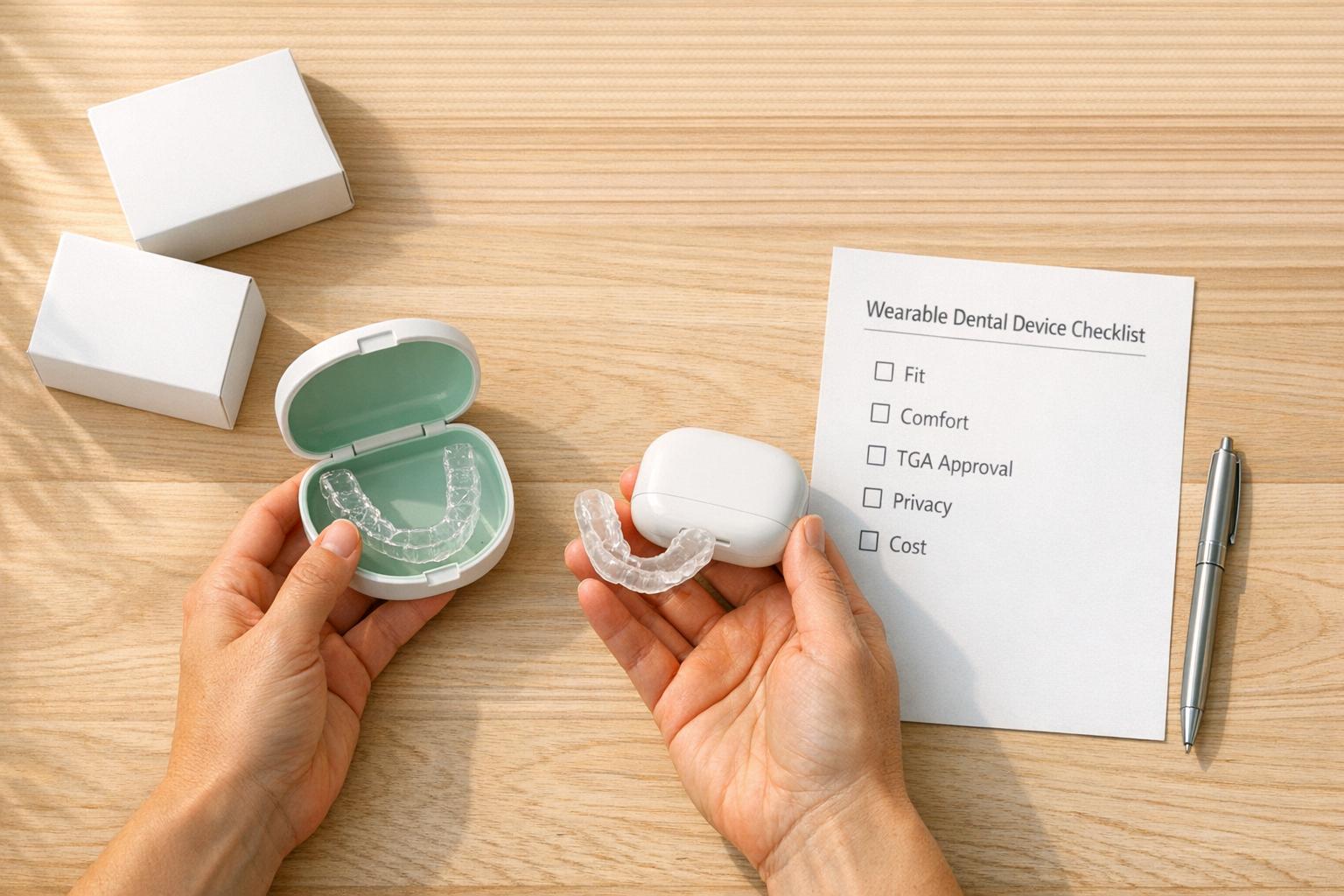
Checklist for Choosing Wearable Dental Devices
Checklist for Choosing Cloud AI Platforms in Dentistry
Complete Smiles Bella VistaAccepts All Major Health Funds, Including