





Immune Response to Dental Implant Materials
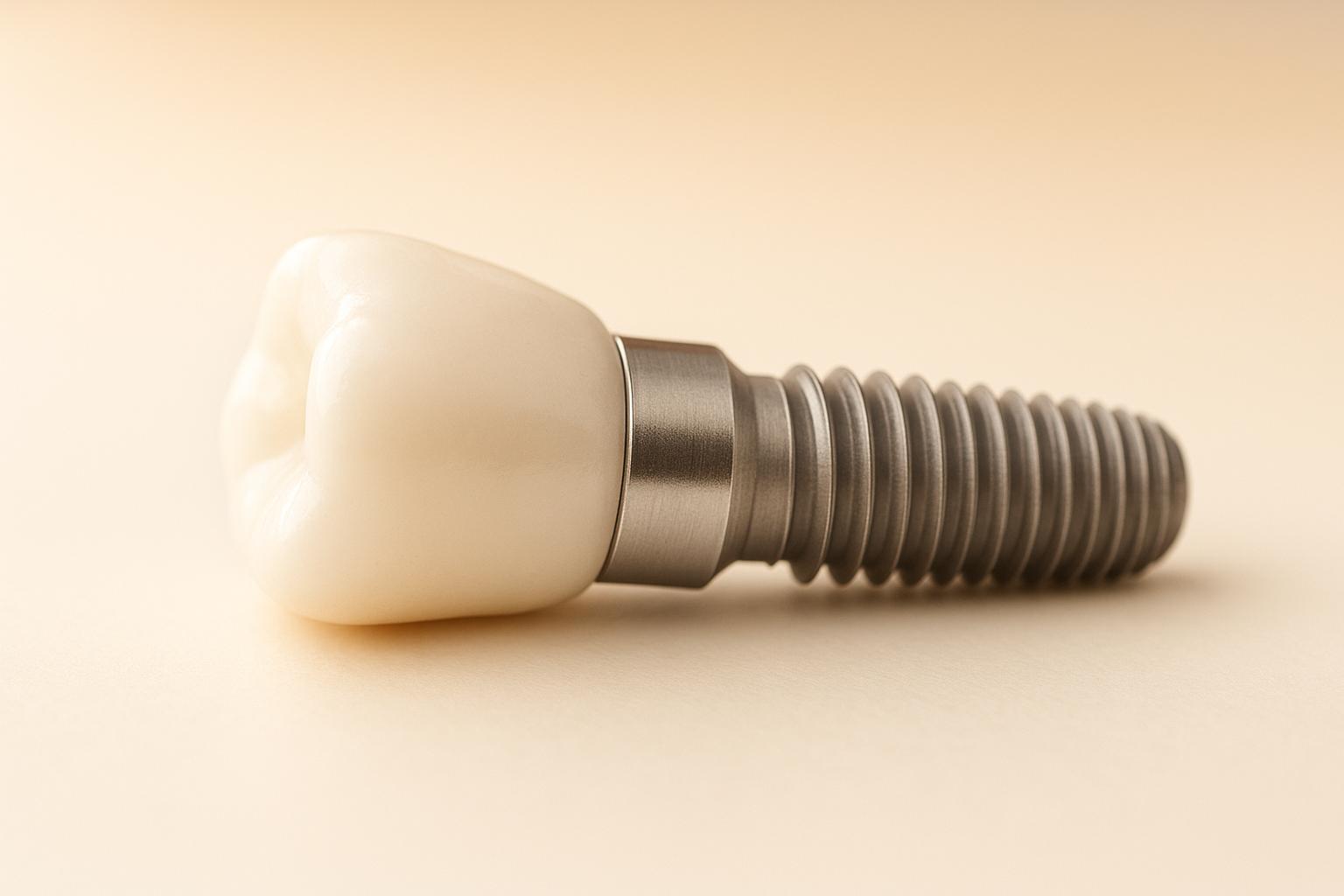
When choosing dental implants, understanding how your body responds to different materials is crucial. Titanium and ceramic (zirconia) are the two main options in Australia, each with distinct immune responses and benefits:
- Titanium implants: Known for durability and long-term success (over 90% at 10 years). They trigger moderate inflammation, essential for healing, but can release particles that may cause rare complications like excessive inflammation or allergies.
- Ceramic implants: Favoured for their natural look and metal-free composition. They provoke a milder immune response with lower inflammation levels, making them ideal for those with metal sensitivities. However, they are more prone to fractures and may cost more.
Key differences include titanium’s higher strength and risk of particle release versus ceramic’s hypoallergenic nature and gentler healing process. Your choice depends on factors like allergies, aesthetics, and budget. Clinics like Complete Smiles Bella Vista offer tailored solutions to match individual needs, ensuring the best outcomes.
How the Immune System Responds to Titanium Implants
How Titanium Interacts with the Immune System
When a titanium implant is placed in the jaw, the immune system immediately recognises it as a foreign object and activates. At the forefront of this response are macrophages, specialised immune cells that act as the body’s first line of defence [2]. These cells migrate to the implant site, interacting with the titanium surface to determine whether the implant will integrate into the bone (osseointegration) or be rejected.
The behaviour of macrophages plays a key role in the healing process. Research on rabbit models has shown that 10 days after implantation, there’s a significant increase in ARG1 expression, a marker associated with M2 macrophages [6]. These M2 macrophages are essential for healing, as they focus on tissue repair rather than triggering prolonged inflammation. By day 28, additional immune markers such as CD11b, ARG1, NCF-1, and C5aR1 are upregulated, reflecting a controlled but ongoing immune response [6].
What sets titanium apart is its oxide layer, which is naturally stable and resistant to corrosion. This layer limits the release of metal ions, helping to moderate the immune system’s response [2][10]. This unique property is one of the main reasons titanium is considered the gold standard for dental implants – it allows the immune system to better tolerate the material.
The immune system’s response to titanium is not a simple "accept or reject" scenario. Instead, it involves a carefully regulated type 2 inflammatory response, essential for osseointegration, where the implant fuses with the surrounding bone [6]. While this inflammation is necessary for successful integration, it must remain balanced to prevent complications. This early immune activity lays the groundwork for the healing process and addresses potential inflammatory challenges.
Inflammation and Allergic Reactions
Even with titanium’s favourable properties, immune challenges can arise. One major concern is titanium particle release, which can occur during normal wear, corrosion, or dental procedures such as implantoplasty (surface modification of the implant) [3][10][11].
When titanium particles are released, they can provoke a strong inflammatory response. Studies have shown that macrophages exposed to titanium alloy particles can increase TNF-α levels by 40 times and IL-6 levels by seven times within 48 hours [10]. These pro-inflammatory substances, while necessary in small amounts for healing, can lead to bone loss and implant failure if produced in excess.
Cytokines like TNF-α and IL-6 are key players in these inflammatory responses [2][4]. While inflammation is a normal part of the healing process, excessive or prolonged cytokine activity can hinder integration and lead to conditions such as peri-implantitis – an inflammation-driven bone loss around the implant.
Allergic reactions to titanium are rare, affecting fewer than 1% of cases, but they should still be considered in patients with unexplained complications [2][9][12]. These reactions may appear as localised inflammation or, in extremely rare cases, systemic hypersensitivity affecting the entire body.
Interestingly, genetics influence how individuals respond to titanium [10]. Some people are genetically predisposed to heightened inflammatory or allergic reactions due to variations in their cytokine genes. This variability explains why certain patients experience complications while others with identical implants do not.
Clinical Results with Titanium Implants
Clinical outcomes highlight titanium’s strong biocompatibility as well as the nuanced immune responses it triggers. Titanium dental implants boast long-term success rates of over 90% after 10 years, thanks to their mechanical strength and reliable osseointegration properties [2][4].
That said, immune-related complications can occur and require careful handling. Peri-implantitis, which involves inflammatory bone loss around the implant, is the most common issue [2][4]. Though relatively rare, it can lead to implant failure if not addressed. Hypersensitivity reactions are even less common but may occur in patients with pre-existing metal allergies or autoimmune conditions.
Certain factors, such as autoimmune diseases and poor oral hygiene, can increase the risk of immune complications [2][4]. Research has shown that patients with implant loss or peri-implantitis often exhibit higher rates of positive immunological tests and genetic predispositions to inflammation [10].
Managing these complications involves early detection and intervention. Regular monitoring and professional cleaning of the implant site are critical. Anti-inflammatory or antimicrobial treatments are often effective when inflammation is caught early. In rare cases of confirmed titanium allergy, the implant may need to be replaced with an alternative material [2][4].
In Australia, dental clinics are increasingly attentive to these immune considerations. For instance, Complete Smiles Bella Vista conducts thorough pre-implant assessments, including allergy history and immune risk evaluations, for patients receiving titanium implants [4]. For individuals with a history of metal sensitivity or autoimmune conditions, alternative materials and enhanced monitoring protocols may be recommended.
The success of titanium implants depends heavily on personalised care and regular follow-ups. Many modern dental practices now monitor peri-implant tissues for inflammation and, in advanced cases, use techniques such as cytokine profiling and gene expression analysis to identify high-risk patients [4]. This proactive approach ensures that potential problems are addressed early, helping to maximise the longevity of the implants.
How the Immune System Responds to Ceramic Implants
Biocompatibility of Ceramic Materials
Ceramic dental implants are well-tolerated by the immune system, making them an appealing option for many Australians. Unlike metal implants, ceramic materials like zirconia and hydroxyapatite are inert, meaning they don’t release ions that might provoke unwanted immune reactions [1]. Zirconia, often referred to as "bioinert", avoids triggering significant immune responses or chronic inflammation [1]. This stability contributes to a calm immune response, promoting effective osseointegration.
For Australians worried about metal sensitivities or seeking metal-free alternatives, ceramic implants offer a reassuring solution. Cases of allergic or hypersensitivity reactions to zirconia are extremely rare, with only isolated reports documented [1]. Clinical studies show zirconia implants have survival rates ranging from 92% to 98% over 5–10 years. In one study involving 108 patients with bioceramic implants, the rejection rate after 9–12 years was 21%, while the histological integration success rate reached 79% [1]. Dental practices across Australia, such as Complete Smiles Bella Vista, are increasingly offering both titanium and ceramic implant options, reflecting a growing trend towards tailored solutions based on each patient’s unique needs and immune considerations.
Immune Interactions and Healing Patterns
After ceramic implants are placed, the immune system mounts an acute inflammatory response during the initial days. However, this reaction is generally milder and shorter-lived compared to what is seen with metal implants [1]. Macrophages, the primary immune cells involved, identify the implant as a foreign body and play a key role in coordinating the healing process [1]. Research indicates that zirconia implants trigger lower levels of proinflammatory cytokines like IL-6 and TNF-α compared to titanium, suggesting a gentler immune response and improved tissue compatibility [4]. A 2022 systematic review found that inflammation in soft tissues surrounding zirconia implants was significantly less severe than around titanium implants in comparable patient groups [1].
As healing progresses, macrophages transition to a repair-focused (M2) state, which encourages tissue regeneration and osseointegration [1][4]. This shift supports rapid soft tissue integration and promotes favourable bone healing patterns, both of which are critical for long-term implant stability. These mild immune responses and efficient healing patterns make ceramic implants an attractive choice for dental restoration.
Different Types of Ceramic Materials
Common ceramic materials include zirconia, hydroxyapatite, aluminium oxide, and bioglass. In Australia, zirconia is the preferred choice due to its excellent compatibility with the body and superior aesthetics. Its natural white colour is particularly advantageous for patients with thin or translucent gums, especially in the front teeth region [1]. While materials like hydroxyapatite and β-TCP are known to encourage bone growth, some studies suggest they may lead to bone resorption, which could compromise long-term stability [1]. Aluminium oxide has been associated with the formation of fibrous membranes that weaken integration [1], and bioglass materials have been linked to complications like ankylosis and reduced fracture resistance [1].
For Australians exploring ceramic implants, zirconia stands out as the top option, offering a balanced combination of biocompatibility, aesthetic appeal, and a predictable immune response. Choosing the right ceramic material should involve consultation with experienced dental professionals who can consider factors like immune sensitivity and appearance. Unlike titanium, which often triggers a more defined type 2 inflammatory response, ceramic implants elicit a subtler and shorter-lived reaction. This distinction underscores the importance of selecting implants based on individual immune profiles and personal needs.
Titanium vs Ceramic Implants: Immune Response Comparison
Main Differences in Immune Responses
Titanium implants often lead to an acute inflammatory reaction, involving immune cells like macrophages and cytokines such as IL-1, IL-6, and TNF-α [2][4]. While this response is generally controlled, it can occasionally result in type 2 inflammation or foreign body reactions [8]. On the other hand, ceramic implants, such as zirconia, typically provoke a much milder inflammatory response, with lower levels of these cytokines [1][4].
One notable issue with titanium implants is the release of particles during placement and corrosion. These particles can trigger M1 macrophage polarisation and boost the expression of pro-inflammatory genes. In fact, research indicates that titanium particles in bone can be up to twice as prevalent as zirconia particles after 12 weeks [7]. Ceramic implants release significantly fewer particles, making them less likely to cause such immune activation.
Allergic reactions also differ between these materials. Titanium implants carry a small but documented risk of type IV hypersensitivity, especially in individuals with metal sensitivities. This reaction is often marked by macrophage and T lymphocyte infiltration at the site [8][9]. In contrast, ceramic implants are widely considered hypoallergenic and rarely cause allergic responses [1][4]. These immune response differences play a key role in shaping clinical outcomes.
Clinical Outcomes and Patient Factors
These immune distinctions influence the clinical performance of both materials. Both titanium and ceramic implants have excellent osseointegration rates, but their mechanisms differ slightly. Titanium implants benefit from decades of clinical data showcasing their long-term stability, while ceramic implants are supported by emerging studies demonstrating comparable integration. For instance, a long-term study involving 108 patients with bioceramic implants found a 21% rejection rate and a 79% histological integration rate over 9–12 years [1].
Mechanical properties also play a critical role in material selection. Titanium is known for its high strength but is prone to corrosion and particle release over time. Ceramic implants, while mechanically robust, are more susceptible to fractures, requiring extra care during placement and loading [1][4].
For Australian patients, factors like a history of metal allergies, aesthetic preferences, bone quality, and overall health significantly influence the choice of implant material. Ceramic implants are particularly appealing for individuals with metal sensitivities or those prioritising aesthetics in visible areas, although they often come with higher costs in AUD.
Comparison Table: Titanium vs Ceramic Implants
| Feature | Titanium Implants | Ceramic Implants (Zirconia) |
|---|---|---|
| Immune Response | Moderate inflammation with higher cytokine levels | Milder inflammation with lower cytokine levels |
| Allergy Risk | Low risk of type IV hypersensitivity | Very low risk; hypoallergenic |
| Particle Release | Common; may induce an immune response | Minimal; lower risk of triggering inflammation |
| Osseointegration | Excellent; decades of clinical data | Excellent; growing evidence base |
| Mechanical Strength | High strength, with potential corrosion risks | Good strength, with a higher risk of fracture |
| Aesthetics | Metallic appearance | Natural tooth colour |
| Long-term Stability | Proven over decades | Promising, though with less long-term data |
| Cost (AUD) | Generally lower | Often higher |
| Best Suited For | Standard cases requiring proven reliability | Patients with metal sensitivities and aesthetic needs |
| Clinical Monitoring | Monitor for corrosion and peri-implantitis | Monitor for fracture risks |
The decision between titanium and ceramic implants hinges on individual patient needs, immune system considerations, and specific clinical requirements. Many Australian dental clinics, such as Complete Smiles Bella Vista, provide both options to enable tailored treatment plans. Understanding these immune response differences empowers patients and clinicians to choose the most appropriate implant material for long-term success.
sbb-itb-2be92ed
Key Points About Immune Responses to Dental Implants
Titanium and Ceramic Immune Reactions Overview
The immune system plays a crucial role in the success of dental implants. When implants are placed, the body identifies them as foreign, triggering an acute inflammatory response driven mainly by macrophages [1][2]. However, the type of material used – titanium or ceramic – can significantly influence the intensity and duration of this response.
Titanium implants tend to cause a moderate but prolonged inflammatory reaction. Research shows that titanium releases particles, especially those under 15 μm in size, which can heighten inflammation and cytotoxic effects [14]. On the other hand, ceramic implants, particularly zirconia-based ones, are associated with lower inflammatory cytokine levels and minimal particle release [1][4]. This results in a gentler immune response, which may reduce the risk of chronic inflammation while still promoting healing through anti-inflammatory M2 macrophages [2].
Clinical evidence suggests that while titanium and ceramic implants achieve similar outcomes, they do so via different immune pathways. This distinction is vital for tailoring treatment plans and managing potential risks.
What This Means for Dental Professionals and Patients
These insights are invaluable for both dentists and patients. For dental professionals, understanding the immune responses to titanium and ceramic implants enables better decision-making regarding material selection, risk evaluation, and management of complications. This is especially important when treating patients with conditions like metal allergies, autoimmune diseases, or a history of implant failure.
Certain factors can make patients more prone to immune-related complications. These include metal allergies, autoimmune disorders, smoking, poor oral hygiene, and systemic conditions such as diabetes [2][4]. Although titanium allergies are rare, they should be considered in cases of unexplained implant failure.
In Australia, this research supports more personalised care. For example, patients suspected of having titanium hypersensitivity may benefit from ceramic implants, while those requiring greater mechanical durability might still opt for titanium under careful monitoring. The increased use of ceramic implants reflects a growing awareness of immune-mediated reactions, offering a safer alternative for sensitive patients [9][12].
Clinics like Complete Smiles Bella Vista are already incorporating these findings into practice, providing evidence-based implant solutions that balance mechanical strength with immune compatibility. To minimise complications, practical steps include thorough patient history reviews, preoperative testing for titanium sensitivity in high-risk cases, optimised surgical techniques to limit tissue damage, and regular follow-ups [2][13]. Detecting and addressing peri-implant inflammation early is also key to avoiding serious issues [7].
This expanding understanding of immune responses is paving the way for advancements in implant technology. Research into surface modifications and next-generation materials, combined with cutting-edge quantitative tools and mathematical modelling, promises to further reduce rejection rates and improve long-term outcomes [1][5].
WARNING: The Hidden Dangers of Titanium Dental Implants!
FAQs
What should I consider when deciding between titanium and ceramic dental implants?
When deciding between titanium and ceramic dental implants, there are a few key factors to weigh: biocompatibility, durability, and appearance. Titanium implants are a popular choice thanks to their strength, proven long-term success, and ability to integrate seamlessly with bone. On the other hand, ceramic implants are often favoured for their tooth-like appearance and metal-free design, making them a good option for those with sensitivities or allergies to metal.
Your dentist will evaluate your unique situation – taking into account your oral health, medical history, and aesthetic preferences – to determine which option suits you best. Both titanium and ceramic implants have undergone extensive research and are regarded as safe and reliable solutions for dental restoration. For tailored guidance, reach out to a dental professional with expertise in implant procedures.
How does the immune system react differently to titanium and ceramic dental implants, particularly in terms of inflammation and healing?
The immune system reacts differently to titanium and ceramic dental implants, largely because of the unique properties of each material. Titanium, a popular choice, is known for its ability to bond effectively with bone and its overall compatibility with the body. That said, in rare instances, it can cause mild inflammatory reactions in individuals with heightened sensitivities. On the other hand, ceramic implants, typically made from zirconia, are also compatible with the body but are less likely to trigger immune responses, making them a good option for people sensitive to metals.
Both types of implants generally promote proper healing and deliver long-lasting results. However, factors like allergies, medical history, and the state of your oral health can all play a role in how your body responds. Speaking with a dental professional is crucial to choose the implant material that best suits your specific needs.
Can titanium dental implants cause allergic reactions or complications, and how are these managed?
Titanium is a popular choice for dental implants because of its durability and compatibility with the human body. However, in rare cases, some people may encounter allergic reactions or complications. These are typically tied to an existing sensitivity to metals.
If you think you might have an allergy or are experiencing a reaction, it’s important to speak with your dentist. They might suggest allergy testing before proceeding with the implant. Alternatively, they could recommend ceramic implants, which are another body-friendly option. To reduce the risk of complications and to help your implants last, regular dental visits and proper oral care are crucial.
Related Blog Posts
- What Are Biocompatible Dental Materials?
- Titanium vs. Biodegradable Implants: Comparison
- Osteoimmunology in Implant Healing
- Solving Implant Challenges with Hybrid Materials
Important Notice: Any surgical or invasive procedure carries risks. Before proceeding, you should seek a second opinion from an appropriately qualified health practitioner.
Individual results may vary. The information provided in this article is for educational purposes only and does not constitute medical advice.
Checkout Related Blogs




Get in touch with us
For more information, call us now to start feeling better. Or fill the form below to make appointment
The Latest News from Complete Smiles
How to Clean Clear Plastic Retainers
Checklist for Choosing Wearable Dental Devices
Checklist for Choosing Cloud AI Platforms in Dentistry

Complete Smiles Bella VistaAccepts All Major Health Funds, Including





