





How to Handle Braces Discomfort
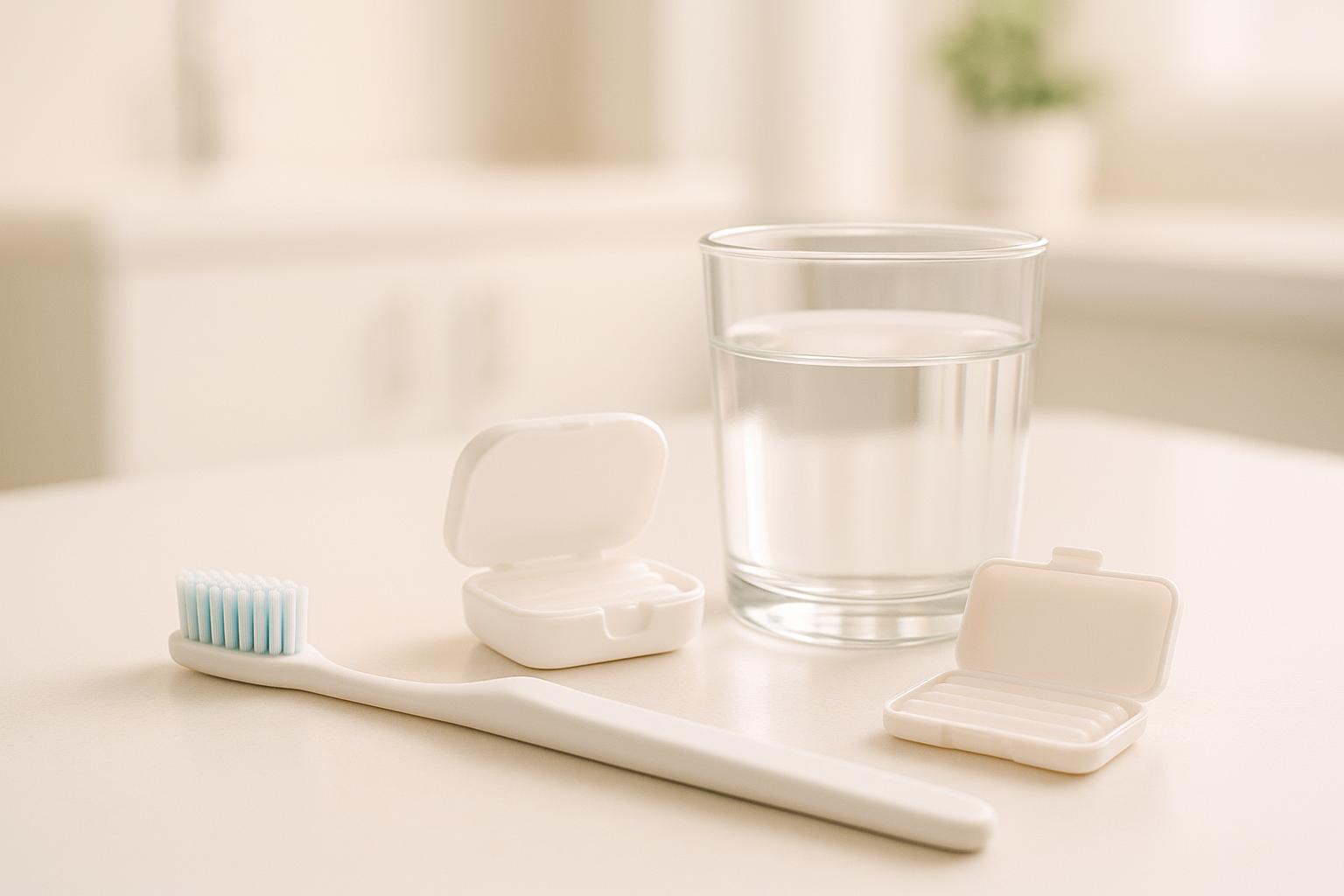
Braces discomfort is common, especially in the first few days or after adjustments. It’s caused by the pressure on teeth and irritation from brackets or wires. Most soreness peaks within 24–48 hours and typically resolves within a week. Here’s how to manage it:
- Pain Relief: Use over-the-counter medications like ibuprofen or paracetamol as directed.
- Cold Compress: Apply an ice pack or enjoy cold foods like ice cream to numb pain.
- Orthodontic Wax: Protect gums and cheeks from irritation by covering brackets or wires with wax.
- Warm Saltwater Rinse: Soothe irritated areas and reduce bacteria with a simple rinse.
- Soft Foods: Stick to easy-to-chew options like yoghurt, mashed potatoes, or scrambled eggs.
Avoid hard, sticky, or crunchy foods that may worsen discomfort or damage braces. If pain persists beyond a week, or if there are issues like broken wires, contact your orthodontist promptly. Braces discomfort is temporary and manageable with these strategies, helping you stay on track for a healthier smile.
How To Deal With Braces Discomfort – What’s Normal, What’s Not & What To Do
Quick Pain Relief Methods
If you’re dealing with braces pain, there are several simple and effective ways to ease the discomfort using items you likely already have at home.
Using Over-the-Counter Pain Relievers
It’s common to feel some soreness when wearing braces [3]. Medications like ibuprofen can help by reducing both pain and inflammation, while paracetamol works by blocking pain signals. In some cases, using these two together can provide extra relief [3]. Always stick to the recommended dosage on the packaging, and if you’re unsure or have any concerns, consult a healthcare professional.
Now, let’s look at some non-medicinal ways to find relief.
Applying Cold Compresses
Cold therapy is another great option for reducing inflammation and numbing the pain. To use a cold compress correctly, wrap some ice in a clean cloth or towel – never place ice directly on your skin. Hold the wrapped ice pack against the outside of your cheek near the painful area for 15–20 minutes. If the swelling or pain is more severe, a shorter application of 10–15 minutes can also help. Don’t have an ice pack? No problem. Popsicles, ice cream, or even an ice cube can work as alternatives to soothe the pain. Just remember to brush your teeth afterwards if you opt for something sugary.
Oral Anaesthetics for Targeted Relief
If brackets or wires are causing irritation to the soft tissues in your mouth, over-the-counter oral anaesthetics can provide quick, targeted relief. Products like Orajel and Anbesol, available at Australian pharmacies, temporarily numb the sore area. To use, clean the irritated spot with water or mouthwash, then apply a small amount of the gel using a clean finger, cotton swab, or applicator. Allow it to take effect, and reapply as needed. If the pain doesn’t subside, it’s a good idea to check in with your orthodontist to rule out any issues.
Treating Irritated Gums and Cheeks
Braces can sometimes irritate the soft tissues in your mouth, leading to soreness and discomfort. These tips focus on easing that irritation while also helping to prevent it in the future.
Using Orthodontic Wax
Orthodontic wax is a simple yet effective way to shield your gums and cheeks from the brackets and wires of your braces [22–24]. Start by washing your hands and ensuring your braces are clean and dry. Pinch off a small piece of wax, about the size of a pea, and roll it between your fingers for a few seconds to soften it. Then, press it onto the bracket or wire that’s causing irritation, smoothing it out to form a barrier.
The wax is completely safe to swallow if it accidentally comes loose. For the best results, replace it at least twice a day or after meals. Regularly check for new areas of irritation, as addressing them quickly can make a big difference. Once the wax is in place, you can follow up with other soothing methods like rinsing or practising careful oral hygiene.
Warm Saltwater Rinses
A warm saltwater rinse is a classic remedy for calming irritated gums and cheeks. Research, including a 2017 study, highlights its ability to reduce dental plaque and lower the number of harmful bacteria in your mouth [4]. Saltwater works by drawing out fluids from bacteria, helping to disinfect and reduce inflammation.
To make a rinse, dissolve half to one teaspoon of salt in 240 mL of warm water. Swish it around your mouth for 30–60 seconds, focusing on the sore areas. This natural disinfectant not only soothes inflammation but also aids in healing small cuts or abrasions. For the best results, use this rinse two to three times a day.
Maintaining Good Oral Hygiene
Keeping your mouth clean is essential to prevent irritation and promote healing. Use a soft-bristled toothbrush to gently clean along the gum line after every meal. This helps remove food particles that could worsen sore spots. Be thorough but avoid brushing too hard, as that could aggravate the irritation.
Flossing is just as important, even with braces. Carefully thread the floss around the wires and brackets, focusing on areas that feel tender. Follow up with an antimicrobial mouthwash to reduce bacteria and keep your mouth as clean as possible. This gentle but effective hygiene routine not only supports healing but also helps prevent further discomfort.
sbb-itb-2be92ed
Food Choices During Discomfort
Once you’ve tackled the initial pain with relief methods, adjusting your diet can make a big difference when it comes to managing discomfort from braces. What you eat during those first few days matters – not just for comfort but also for maintaining proper nutrition during this period of adjustment [5].
Soft Foods for Easy Eating
Soft foods are your best friends when dealing with braces. They minimise chewing, which reduces pressure on your braces and tender gums. Cold foods can also offer temporary relief. The key is to choose options that are not only gentle on your mouth but also packed with nutrients to support healing. For example, eggs are a great source of essential nutrients [6], and fish, rich in protein and Omega‑3 fatty acids, may help reduce swelling thanks to its anti-inflammatory properties [6].
Here’s a handy table of soft food options to make your meals easier:
| Soft Food Category | Examples |
|---|---|
| Grains | Oatmeal, Cream of Wheat, Soft-cooked Rice, Couscous, Pasta, Noodles |
| Dairy | Yoghurt, Soft Cheeses, Cottage Cheese, Milkshakes, Pudding, Custard |
| Fruits | Bananas, Applesauce, Cooked Fruit, Fruit Cups, Very Ripe Fruits (peaches), 100% Fruit Juice, Smoothies |
| Vegetables | Mashed Potatoes, Steamed/Cooked Vegetables, Soup with Soft Vegetables |
| Protein | Scrambled Eggs, Egg Salad, Chicken Salad, Tuna Salad, Cooked Beans, Refried Beans, Meatloaf, Soft-cooked Shredded Meat, Soft-cooked Ground Meat, Tofu, Cooked Tempeh, Fish, Protein Shakes |
| Other | Avocado, Hummus, Soft Sandwich Bread, Peanut Butter, Soft Tortilla Shells, Ice Cream, Sorbet, Jell-O |
Mashed sweet potatoes are another excellent choice. They’re not only soft but also packed with antioxidants and minerals like manganese and potassium, which can support your overall health during this time [6].
Foods to Avoid
While soft foods are helpful, some foods can make things worse or even damage your braces. Sticky, chewy, crunchy, or hard foods are best avoided. For instance, chewy candies, popcorn, caramel, dried fruits, nuts, and pretzels can either cause discomfort or lead to broken wires and brackets [8]. Even healthy options like whole apples or raw carrots can pose a risk unless they’re cut into small, manageable pieces [8].
Sugary drinks like soft drinks, cordial, and even fruit juice can also spell trouble. They can increase sensitivity, contribute to tooth decay around your brackets, and lead to plaque buildup, which might irritate your gums and prolong discomfort [8][10].
Meal Preparation Tips
The way you prepare your meals can also make a big difference. Cutting harder foods into small pieces and cooking vegetables until they’re soft can reduce strain on your braces and sensitive gums [5]. Try to chew using your back teeth rather than your front ones to minimise pressure [9]. And don’t forget to brush your teeth after meals – especially if you’ve indulged in any foods from the "avoid" list – to clear away particles that could irritate tender areas [9]. If you have specific dietary needs, it’s always a good idea to check in with your orthodontist for tailored advice [7].
When to Contact Your Orthodontist
While mild discomfort is often manageable at home, there are situations where reaching out to your orthodontist is essential. Acting promptly can help prevent prolonged pain and keep your treatment on schedule.
Signs That Need Professional Attention
If you’re experiencing severe or ongoing pain, it’s time to call your orthodontist. Pain that doesn’t ease after a week or sharp, localised discomfort that persists despite using over-the-counter pain relief could indicate a more serious issue [13].
Broken or damaged braces or wires are another reason to seek help. Whether it’s a detached bracket, a snapped wire, or a wire poking into your gums, cheeks, or tongue, these problems need immediate attention [14].
Be alert for signs of infection, such as swelling, pus, fever, or unusual bleeding in your gums not related to regular brushing or flossing. These symptoms could signal an infection that requires professional care [13].
Other concerns include sudden changes in teeth alignment or persistent mouth sores or ulcers. These should be reported to your orthodontist, either immediately or during your next visit [12][13].
While minor discomfort can often be treated with home remedies, these issues indicate the need for professional intervention to ensure your treatment stays on track.
How Orthodontists Can Help
When home care isn’t enough, your orthodontist can resolve mechanical issues and address more complex concerns. They can adjust wires, replace damaged brackets, and manage complications to keep your treatment progressing smoothly [1]. Additionally, orthodontists are trained to diagnose and treat conditions like root resorption, gum problems, and temporomandibular joint disorders [15]. They’ll also guide you on maintaining good oral hygiene to avoid issues like tooth decay, gum disease, and enamel weakening [16].
If you’ve experienced oral trauma, it’s crucial to have it evaluated promptly [14].
Addressing problems early can prevent further complications, so don’t hesitate to contact your orthodontist if something feels wrong [14].
For those in Bella Vista, Complete Smiles Bella Vista offers orthodontic care and can assist when home remedies fall short.
Conclusion
Feeling some discomfort with braces is entirely normal. Studies reveal that about 91% of young patients report pain during the initial application, with the most intense discomfort typically occurring within the first three days [3] [2]. The good news? This is a temporary phase, and there are effective ways to manage it.
To ease the discomfort, consider these practical approaches: take over-the-counter pain relievers like paracetamol or ibuprofen at the onset of pain, use orthodontic wax to minimise irritation, stick to soft foods, rinse with warm saltwater, or apply a cold compress [2]. These tips work well alongside earlier advice for protecting sensitive areas and reducing irritation.
Maintaining open communication with your orthodontist is crucial throughout your treatment. They can provide personalised advice and help determine whether your discomfort is typical or signals a potential issue [18] [11]. Be clear and specific when describing your pain – mention when it occurs, how intense it feels, and any activities that seem to make it worse.
"Managing the mild discomfort of braces is part of the journey toward a healthier, beautifully aligned smile… It’s important to remember that the discomfort is temporary, and will be long forgotten once your treatment is finished. If you ever feel that the discomfort is too intense or isn’t improving, speak to your orthodontist."
This insight serves as a reminder that mild discomfort is a natural part of the process and can be effectively controlled. However, if the pain persists beyond a week or becomes severe, don’t hesitate to consult your orthodontist.
With consistent care and clear communication, your journey to a straighter, healthier smile can be much more comfortable.
FAQs
What are some simple ways to ease braces discomfort at home without using medication?
If your braces are causing discomfort, there are a few simple ways to ease the pain at home. Try using a cold compress or ice pack on the outside of your cheek to help reduce swelling and numb any soreness. Another soothing option is rinsing your mouth with warm saltwater, which can calm irritated gums and keep your mouth fresh.
When eating, stick to soft foods like yoghurt, mashed potatoes, or soups to avoid adding pressure to tender teeth. You can also gently massage your gums with clean fingers to boost circulation and relieve some of the tension. If the discomfort doesn’t go away, it’s a good idea to reach out to your orthodontist for tailored advice.
How do I know if my braces discomfort is normal or if I need to see my orthodontist?
It’s completely normal to feel some mild soreness or discomfort after getting braces fitted or adjusted. Typically, this subsides within a few days. However, there are situations where you should reach out to your orthodontist, including:
- Severe pain that doesn’t improve after a few days.
- Issues with your braces, like broken brackets or loose wires.
- Unbearable discomfort that disrupts your daily routine.
In very rare instances, if you have trouble breathing or experience other urgent symptoms, seek medical attention immediately. When in doubt or if you’re worried about any symptoms, it’s always best to consult your orthodontist.
What foods should I avoid to minimise discomfort while wearing braces?
To keep your braces in good shape and minimise discomfort, steer clear of sticky, chewy, hard, and crunchy foods. Things like caramel, lollies, nuts, popcorn, chips, raw veggies, and tough meats can cause issues. They might irritate your gums, damage the brackets, or bend the wires, which could make your braces less effective and more uncomfortable.
Instead, go for softer foods such as yoghurt, mashed veggies, soups, and tender meats. Cutting your food into smaller pieces can also make chewing easier and less stressful on your braces. If you’re ever unsure about whether a particular food is safe, don’t hesitate to ask your orthodontist for guidance.
Related Blog Posts
- Invisalign vs Traditional Braces: A Complete Comparison
- Pre-Orthodontic Treatment Checklist: What to Know
- Types of Braces and Their Costs Explained
- How Metal Braces Work: A Simple Guide
Important Notice: Any surgical or invasive procedure carries risks. Before proceeding, you should seek a second opinion from an appropriately qualified health practitioner.
Individual results may vary. The information provided in this article is for educational purposes only and does not constitute medical advice.
Checkout Related Blogs




Get in touch with us
For more information, call us now to start feeling better. Or fill the form below to make appointment
The Latest News from Complete Smiles
How to Clean Clear Plastic Retainers
Checklist for Choosing Wearable Dental Devices
Checklist for Choosing Cloud AI Platforms in Dentistry

Complete Smiles Bella VistaAccepts All Major Health Funds, Including





