





Feldspathic vs Emax Veneers: Care Differences
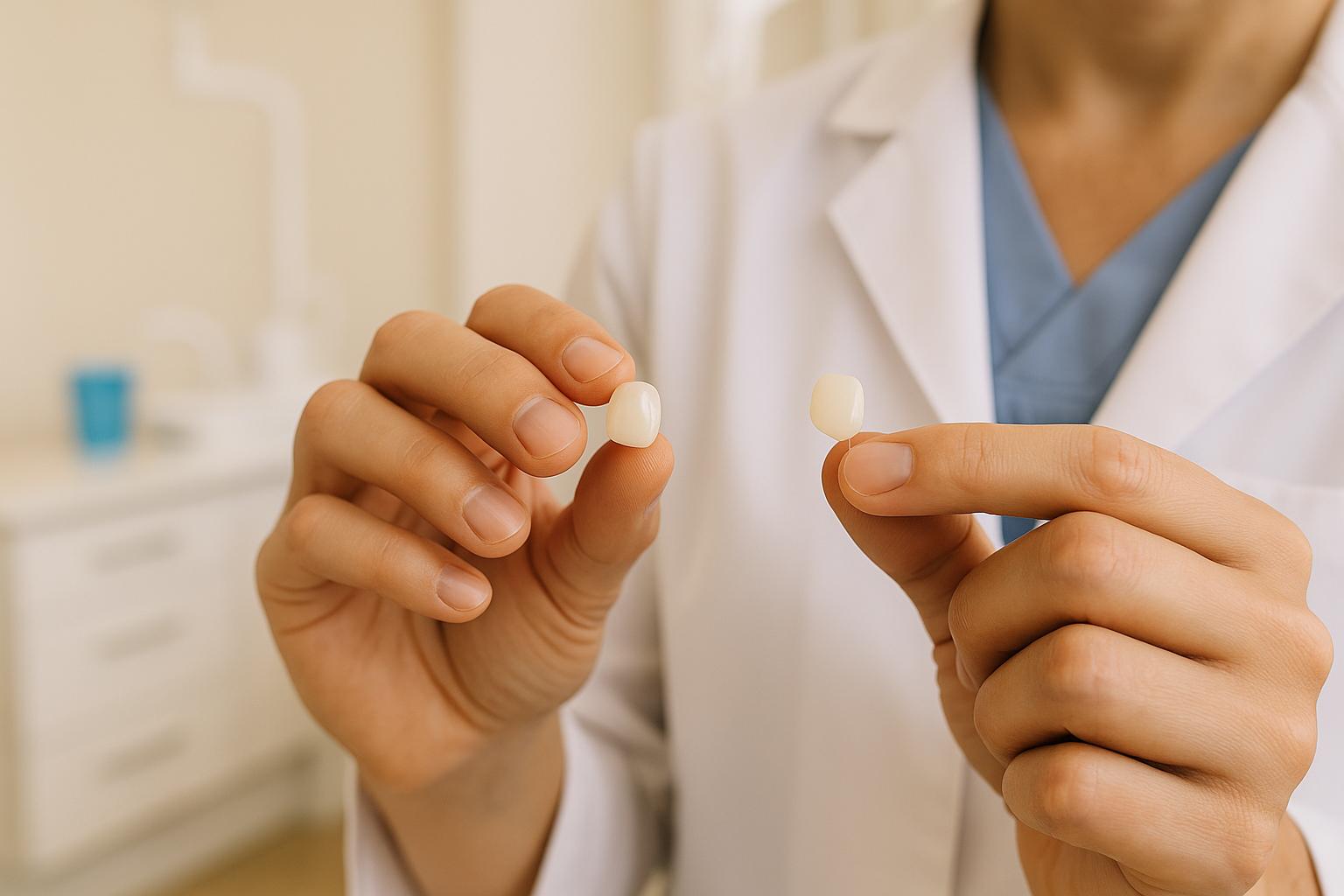
Choosing between feldspathic and Emax veneers comes down to what you value more – appearance or strength. Feldspathic veneers look more natural and are ideal for those prioritising aesthetics. However, they’re less durable and suited for a gentle lifestyle. Emax veneers, made from lithium disilicate, are much stronger and last longer, making them better for people with habits like teeth grinding or more demanding diets.
Key Points:
- Feldspathic Veneers: Beautiful, translucent, but prone to chipping. Last 5–10 years with proper care.
- Emax Veneers: Stronger, slightly opaque, and resistant to damage. Can last 10–15+ years.
Quick Comparison:
| Feature | Feldspathic Veneers | Emax Veneers |
|---|---|---|
| Material | Feldspar porcelain | Lithium disilicate |
| Durability | Lower | Higher |
| Lifespan | 5–10 years | 10–15+ years |
| Appearance | More natural | Slightly opaque |
| Best For | Aesthetics | Strength & longevity |
To maximise their lifespan, both require regular brushing, flossing, and dental check-ups. Choose based on your lifestyle and dental needs.
Feldspathic Veneers: Properties and Care
Material Composition and Features
Feldspathic veneers are crafted from ground feldspar, which is transformed into a glass-like ceramic material [2]. This process results in a glassy structure primarily made of silica, stabilised with additional ions [6].
The key ingredients include potassium-based feldspar (KAlSi3O8) or sodium-based feldspar (NaAlSi3O8), with quartz crystals added to enhance the ceramic’s strength [6]. The primary crystalline phase in these veneers is leucite (KAlSi2O6), which plays a significant role in their optical qualities [6].
What sets feldspathic veneers apart is their outstanding aesthetic appeal. Their colourless base can be tinted with pigments to match various tooth shades, creating a natural and lifelike appearance [6]. However, these aesthetic benefits come with certain mechanical limitations.
Durability and Suitability
While feldspathic veneers shine in appearance, their mechanical strength is not as robust as other materials. Here’s a quick look at their key properties:
| Property | Feldspathic Porcelain |
|---|---|
| Flexural Strength | 60–70 MPa |
| Tensile Strength | 25–40 MPa |
| Compressive Strength | 149–340 MPa |
| Elastic Modulus | 60–70 GPa |
| Density | 2.45 g/cm³ |
The glassy nature of feldspathic porcelain and the absence of a core material make it more prone to fractures under stress [1]. Studies have shown fracture rates of up to 48% for feldspathic inlays within three years and a survival rate of about 60% for veneers over a decade [6].
Patients with habits like teeth grinding (bruxism) might not be the best candidates for these veneers, as the risk of damage is higher [2]. For optimal results, proper bonding is crucial. Ideally, at least half of the tooth’s enamel should remain intact, with 50% or more of the bonded surface and 70% or more of the margin in enamel [1]. With the right care, feldspathic veneers can typically last between 10 to 15 years [7][8].
Care and Maintenance
Given their lower strength compared to other veneer materials, feldspathic veneers require diligent care. A consistent oral hygiene routine is essential to maintain their appearance and prevent damage.
- Daily Care: Brush twice daily using a soft toothbrush and non-abrasive fluoride toothpaste. Floss regularly to remove plaque around the veneer edges, and use a fluoride mouthwash for extra protection [11]. Avoid whitening toothpastes or abrasive substances like baking soda or charcoal-based products [12].
- Dietary Precautions: Limit foods and drinks that can cause staining, such as coffee, tea, red wine, and berries. Rinse with water after consuming these to minimise discolouration [11].
- Avoid Hard Objects: Refrain from biting into hard items or using your teeth as tools to reduce the risk of chipping or fractures [7][8][11].
For those who grind their teeth, a custom night guard is highly recommended to shield the veneers while sleeping [10][11]. Regular dental visits are also critical. These check-ups allow your dentist to monitor the veneers, perform professional cleanings, and address any issues early on [7][8][11].
Although porcelain veneers themselves don’t develop cavities, the natural teeth underneath can. This makes ongoing oral health maintenance a must [12].
Emax Veneers: Properties and Care
Material Composition and Features
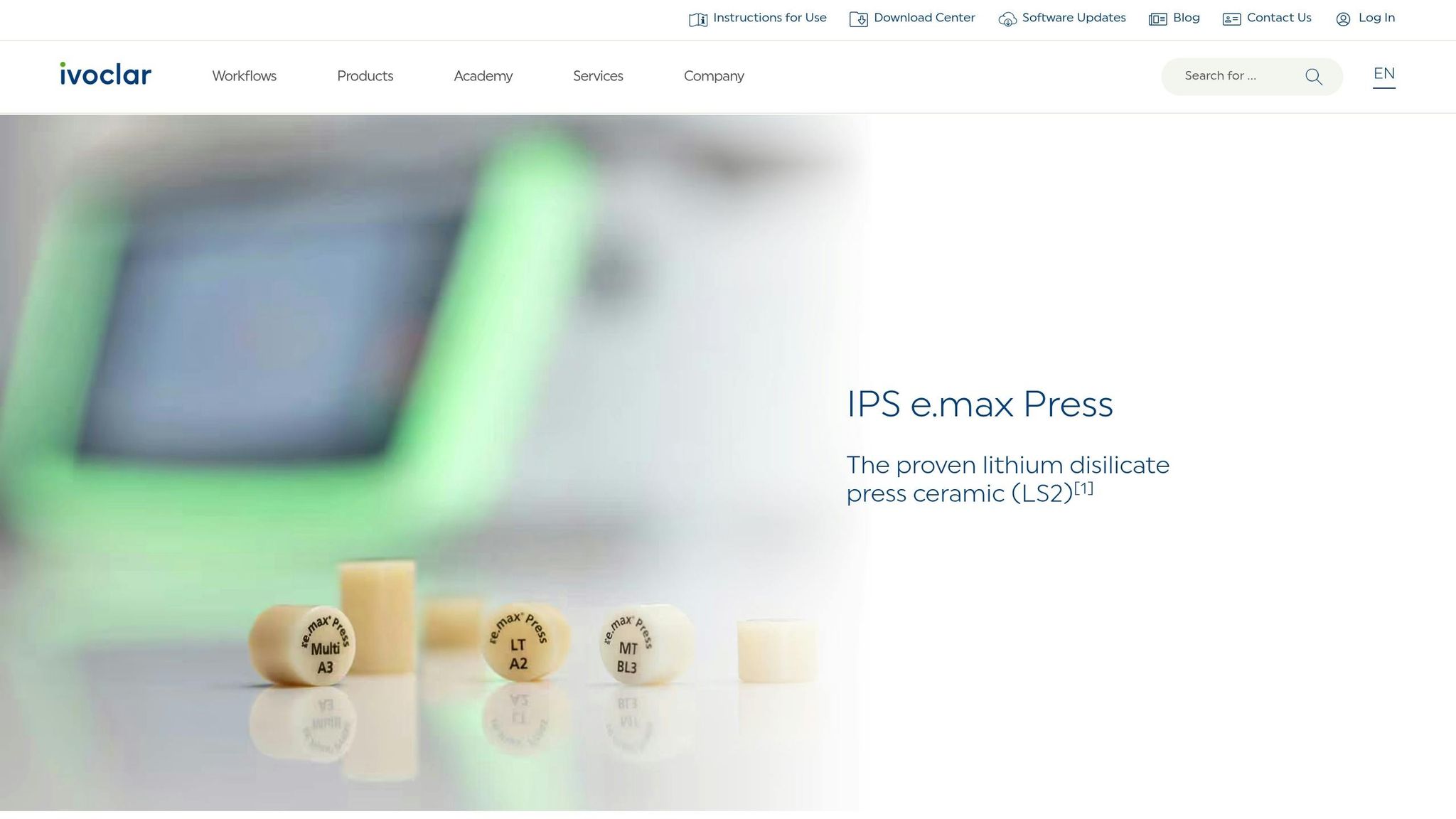
Emax veneers stand out for their durability, especially when compared to feldspathic veneers, which are known for their aesthetics but lack strength. These veneers are crafted using CAD/CAM technology from lithium disilicate ceramic, ensuring both strength and precision. Unlike hand-layered feldspathic veneers, Emax veneers provide a more predictable and robust option.
One of their key features is their slight opacity, which is particularly useful for masking tooth discolouration. This makes them a great choice for patients with heavily stained or discoloured teeth [3]. While they are less translucent than feldspathic porcelain, Emax veneers can still be customised with tints to match various tooth shades, offering a natural and seamless appearance.
Durability and Suitability
Emax veneers are known for their impressive resistance to chipping and cracking, outperforming feldspathic porcelain in this regard [3][4][9]. Their durability makes them a suitable option for a wide range of patients, including those who grind their teeth. With proper care, these veneers can last 15 years or more, significantly outlasting feldspathic alternatives [2][4][9]. Their longevity depends on factors such as good oral hygiene, avoiding excessive grinding, and the level of tooth preparation during placement. This makes personalised care routines essential for maintaining their performance over time.
Care and Maintenance
Even though Emax veneers are exceptionally strong, they still require consistent care to maintain their look and durability. Proper daily habits, such as brushing twice a day with a soft-bristled toothbrush and flossing, help prevent plaque buildup around the veneer margins [14][15].
When selecting toothpaste, it’s important to choose non-abrasive options and avoid ingredients like hydrogen peroxide, sodium bicarbonate, or baking soda, as these can damage the veneers’ surface [14][15]. Additionally, refrain from using your teeth for tasks like opening packages, as this can lead to chipping.
For patients with bruxism, wearing a custom-fitted mouth guard, especially at night, can help protect the veneers from stress [13][14][15]. To keep them looking their best, limit consumption of staining substances like coffee, tea, and tobacco [13]. Regular dental visits, ideally every six months, are also crucial. These appointments allow your dentist to check the veneers’ condition, perform professional cleanings, and address any issues early on [13].
Difference between Feldspathic and Emax veneers
sbb-itb-2be92ed
Side-by-Side Comparison: Feldspathic vs Emax Veneers
When deciding between feldspathic and Emax veneers, understanding their unique characteristics and care requirements can help you make the best choice. While both share similar maintenance routines, their differences in durability and longevity mean they suit different needs and lifestyles.
Comparison Table
| Feature | Feldspathic Veneers | Emax Veneers |
|---|---|---|
| Material Composition | Feldspar porcelain | Lithium disilicate ceramic |
| Strength & Durability | More delicate; not suitable for high-bite pressure [5] | Extremely strong and durable [5] |
| Longevity | 5–10 years with proper care [5] | 10–15 years or more with good maintenance [5] |
| Chipping Resistance | Prone to chipping or cracking if mishandled [18] | More resistant to fractures and wear [5] |
| Stain Resistance | Highly resistant [16] | Highly resistant [16] |
| Daily Cleaning | Brush twice daily with non-abrasive toothpaste [18] | Brush twice daily with non-abrasive toothpaste [18] |
| Flossing Requirements | Daily flossing is essential [18] | Daily flossing is essential [18] |
| Mouthwash | Alcohol-free mouthwash recommended [16] | Alcohol-free mouthwash recommended [16] |
| Professional Check-ups | Regular dental visits required [18] | Regular dental visits required [18] |
| Foods to Avoid | Hard, sticky, or staining foods [18] | Hard, sticky, or staining foods [18] |
| Teeth Grinding Protection | Mouthguard essential due to fragility [18] | Mouthguard recommended [18] |
| Suitability | Best for those prioritising aesthetics and a gentle lifestyle [19] | Ideal for individuals needing extra durability or with teeth grinding habits [4] |
These differences highlight how each veneer type fits into daily routines and long-term care strategies. For instance, feldspathic veneers are more delicate and require extra caution. They’re better for those who prioritise aesthetics and lead a gentler lifestyle. On the other hand, Emax veneers, with their superior strength, are a better choice for people with more demanding dietary habits or those prone to teeth grinding.
Lifestyle choices, such as smoking, drinking coffee or tea, and maintaining poor oral hygiene, can lead to discolouration for both types [20]. However, Emax veneers are less likely to sustain damage from occasional biting of harder foods, while feldspathic veneers may need more frequent professional care due to their fragility. If your lifestyle is tougher on your teeth, Emax veneers might be a more practical option [19].
Both types offer excellent stain resistance compared to composite veneers, meaning they require less frequent polishing or repairs [17]. Ultimately, the main difference lies in their long-term durability rather than their day-to-day maintenance.
Factors That Affect Veneer Choice and Maintenance
When deciding between feldspathic and Emax veneers, it’s not just about how they look – your lifestyle, oral health habits, and specific dental needs all play a crucial role. Understanding these factors can help you choose veneers that not only enhance your smile but also fit seamlessly into your daily life.
Lifestyle and Oral Hygiene
Your daily habits have a big impact on how well your veneers hold up over time. For instance, what you eat and drink can affect the durability and appearance of your veneers. Hard or abrasive foods can damage the more delicate feldspathic veneers, so if crunchy snacks or tough foods are a regular part of your diet, Emax veneers might be a better choice due to their added strength [21]. Acidic foods and drinks can also weaken the bonding of veneers, so rinsing your mouth with water after consuming these can help [21].
Lifestyle habits like smoking can stain veneers and harm your gum health, which is critical for keeping veneers in place long-term [21][22]. Teeth grinding (bruxism) is another concern, as it can cause damage to both types of veneers, with feldspathic veneers being particularly vulnerable [21][24]. If you grind your teeth, a custom mouthguard is a must, especially if you opt for feldspathic veneers.
A consistent oral hygiene routine is essential regardless of the veneer type you choose. Brushing twice a day with a soft-bristled toothbrush and non-abrasive toothpaste, along with daily flossing, helps prevent plaque buildup around the veneers [21][23]. Using an alcohol-free mouthwash can also support gum health without compromising the veneer bonding material.
Clinical and Aesthetic Considerations
Beyond your habits, clinical factors like tooth shade and enamel thickness play a big role in veneer selection. For example, if your teeth are significantly discoloured or have dark underlying tones, Emax veneers are better at masking these issues due to their opacity [3]. On the other hand, feldspathic veneers are more translucent, making them ideal if your natural teeth are already light in colour.
Enamel thickness is another key factor. Feldspathic veneers require minimal tooth reduction, which makes them a great option for preserving natural tooth structure [3]. This is especially beneficial for younger patients or those with naturally thin enamel.
Your aesthetic goals also matter. Feldspathic veneers offer a more natural look thanks to their superior translucency and the ability to be hand-layered for detailed artistry. However, if you need a balance between aesthetics and durability – say you lead an active lifestyle – Emax veneers may be a smarter choice. While Emax veneers may cost more upfront, their longer lifespan of 10–15 years compared to the 5–10 years of feldspathic veneers could make them more cost-effective over time [3].
Getting Professional Advice
Choosing the right veneers isn’t a decision to make alone. Your dentist will evaluate factors like your bite pattern, existing dental work, gum health, and oral hygiene habits to recommend the best option for you. These considerations, combined with your daily care routine, will guide their advice.
Be open about your lifestyle. Whether you play sports, grind your teeth, or regularly consume staining foods and drinks, sharing these details will help your dentist recommend veneers that can handle your specific needs. They’ll also assess the condition of your teeth, as existing restorations, unusual tooth shapes, or bite issues can influence the choice of veneers.
Your dentist will provide tailored care instructions for your veneers, ensuring you know how to maintain them properly. If you’re unsure about their recommendation, seeking a second opinion can provide additional clarity, as different practitioners may offer unique insights based on their experience.
Conclusion
Deciding between feldspathic and Emax veneers depends largely on your lifestyle and specific dental needs. Feldspathic veneers are known for their highly natural appearance, but they are more delicate and prone to chipping, requiring careful handling [3]. With proper care, they generally last between 5 and 10 years [5]. On the other hand, Emax veneers are built for durability, making them a great choice for those with more active or demanding lifestyles.
Emax veneers can last 10 to 15 years or even longer with the right maintenance [5]. Their resistance to chipping and cracking makes them especially appealing for individuals who grind their teeth (bruxism) or have other habits that might put additional stress on veneers [3].
Regular professional care plays a key role in maximising the lifespan of your veneers. Six-monthly dental check-ups allow your dentist to monitor their condition, assess gum health, and perform specialised cleaning that helps maintain their surface [17].
When recommending the best option, your dentist will consider factors like your bite alignment, grinding habits, aesthetic preferences, and oral hygiene routine. Whether you opt for the natural elegance of feldspathic veneers or the sturdy reliability of Emax veneers, maintaining good daily oral care and scheduling regular dental visits will help you achieve the best long-term results.
FAQs
What should I consider when deciding between feldspathic and Emax veneers?
When deciding between feldspathic and Emax veneers, two major considerations are strength and appearance. Emax veneers are highly regarded for their durability and resistance to chipping, making them a solid choice for those seeking a long-lasting solution. Meanwhile, feldspathic veneers are valued for their natural translucency, offering a more lifelike and realistic look.
Another point to keep in mind is that Emax veneers may require a bit more tooth preparation. However, their manufacturing process is more efficient, which can make them a more budget-friendly option in the long run. To choose the right type for you, consult with your dentist, who can guide you based on your goals and individual requirements.
What are the differences in caring for feldspathic veneers and Emax veneers?
The care routines for feldspathic veneers and Emax veneers differ because of the unique properties of their materials. Emax veneers are known for their durability and resistance to chipping, making their upkeep straightforward. Regular oral hygiene practices, like brushing twice a day and flossing, are usually enough to keep them in great shape.
In contrast, feldspathic veneers are more fragile and prone to chipping, requiring a gentler approach. Using a soft-bristled toothbrush, non-abrasive toothpaste, and steering clear of hard foods can help protect them from damage.
Regardless of the type, regular dental check-ups and professional cleanings are crucial for keeping your veneers in top condition. With proper care, both options can help you maintain a stunning smile for years to come.
Do habits like teeth grinding or certain foods impact the lifespan of feldspathic and Emax veneers?
Yes, your daily habits, like teeth grinding (bruxism) and dietary choices, can heavily impact how long feldspathic and Emax veneers last. Grinding your teeth can cause cracks, chips, or gradual wear on veneers, particularly over time. Likewise, eating acidic foods or drinking acidic beverages, or biting into hard items like ice or nuts, can weaken or damage the surface of the veneers.
To help your veneers last longer, consider wearing a night guard if you grind your teeth and steer clear of habits that add unnecessary pressure to them. Keeping up with regular dental check-ups and practising good oral hygiene are also essential for maintaining your veneers in top shape.
Related Blog Posts
- 5 Essential Tips for Maintaining Porcelain Veneers
- Wear-Resistant Materials in Dental Restorations
- Durability of Metal-Ceramic Restorations
- Research: Porcelain Veneers Durability
Important Notice: Any surgical or invasive procedure carries risks. Before proceeding, you should seek a second opinion from an appropriately qualified health practitioner.
Individual results may vary. The information provided in this article is for educational purposes only and does not constitute medical advice.
Checkout Related Blogs




Get in touch with us
For more information, call us now to start feeling better. Or fill the form below to make appointment
The Latest News from Complete Smiles
How to Clean Clear Plastic Retainers
Checklist for Choosing Wearable Dental Devices
Checklist for Choosing Cloud AI Platforms in Dentistry

Complete Smiles Bella VistaAccepts All Major Health Funds, Including





