





Factors Affecting Porcelain Veneers Pricing
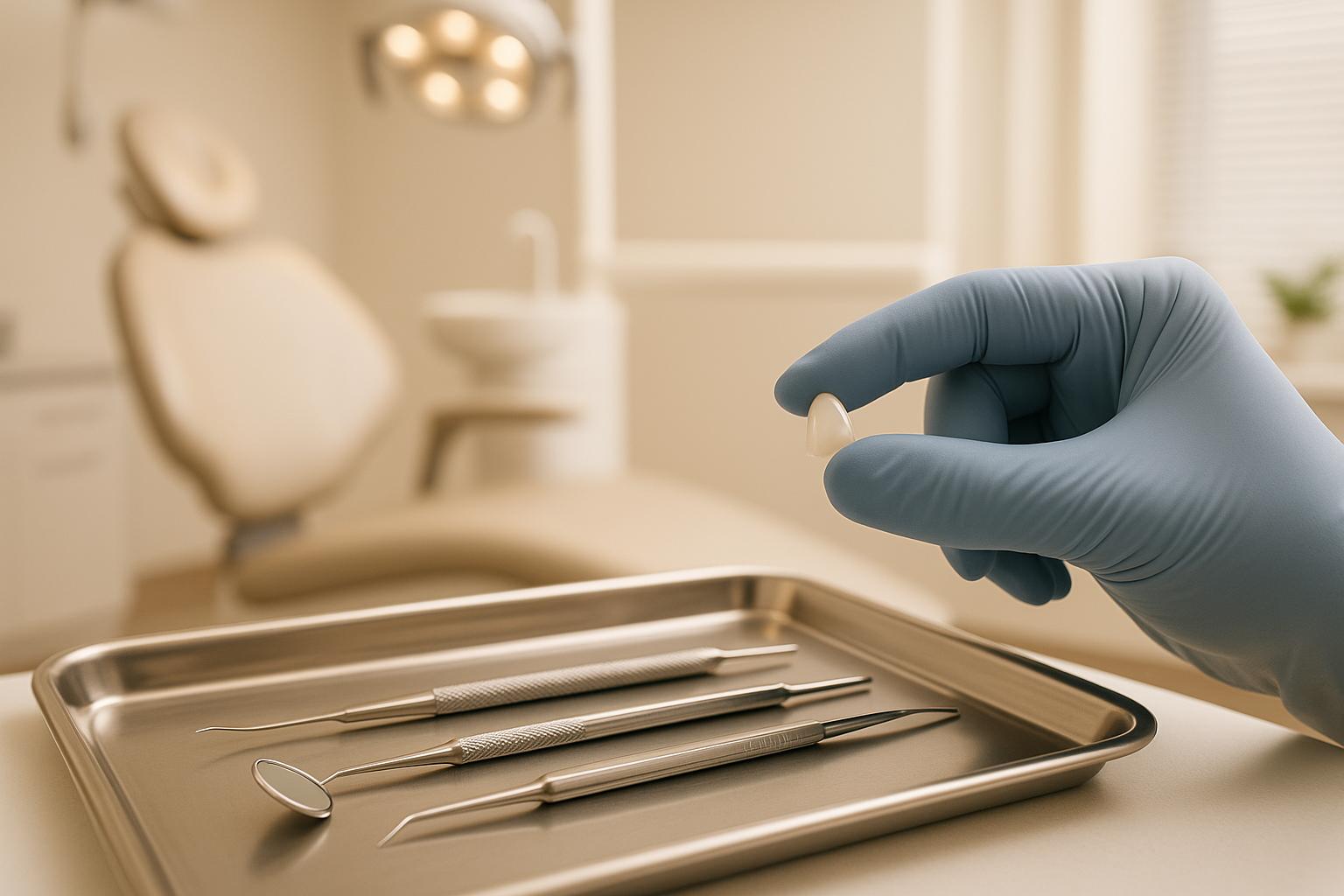
Porcelain veneers in Australia can cost anywhere from A$300 to A$2,500 per tooth, depending on several factors:
- Material Quality: Porcelain veneers are durable and stain-resistant, lasting 10–20 years, but are more expensive (A$600–A$2,500 per tooth). Composite veneers are cheaper (around A$500 per tooth) but last only 2–5 years.
- Dentist’s Expertise and Location: Metro clinics (e.g., Sydney) charge more due to higher overheads, starting at A$1,500 per tooth, while regional areas (e.g., Adelaide) may start closer to A$1,100.
- Treatment Complexity: Additional procedures like gum contouring or orthodontics can increase costs significantly, especially in complex cases.
Quick Comparison
| Veneer Type | Cost (Australia) | Lifespan | Features |
|---|---|---|---|
| Porcelain | A$600–A$2,500 | 10–20 years | Natural look, stain-resistant |
| Composite Resin | ~A$500 | 2–5 years | Affordable, easier to repair |
| City | Starting Price (Porcelain) | Starting Price (Composite) |
|---|---|---|
| Sydney | A$1,500 | A$375–A$400 |
| Adelaide | A$1,100 | A$380 |
Porcelain veneers are a long-term investment in your smile. Consider costs, quality, and durability when making your decision.
How Much Does Dental Veneers Cost?
1. Material Quality and Manufacturing Methods
The materials and manufacturing techniques behind porcelain veneers play a big role in shaping their cost. These factors largely explain why prices vary so much.
Material Type
Porcelain veneers are well-known for their top-tier aesthetics, with prices in Australia typically ranging from A$600 to A$2,500 per tooth [4][7]. The exact cost depends on the material’s quality and the complexity of the treatment.
The type of porcelain used also impacts the final look and durability. Feldspathic porcelain veneers, for instance, are handcrafted and admired for their stunning visual appeal, though they may not be as durable as newer options [6].
For those on a tighter budget, composite resin veneers are an alternative, costing around A$500 per tooth in Australia [1]. These veneers are made from the same bonding resin used in fillings and can often be applied in a single visit. However, they’re more prone to chipping or breaking compared to porcelain [8].
Another option is no-prep veneers, such as Lumineers, which are crafted from thinner ceramic materials. These veneers require minimal or no tooth reduction, making them less invasive [8][9].
| Veneer Type | Cost (Australia) | Lifespan | Key Features |
|---|---|---|---|
| Porcelain | A$600–A$2,500 per tooth | 15–20 years | Natural appearance; stain-resistant |
| Composite Resin | Approximately A$500 per tooth | 2–5 years | Affordable; often done in one visit |
Besides the material, where and how veneers are made also influence their price.
Geographic Location
The location and manufacturing process of veneers significantly affect their cost. Veneers made in Australia are typically more expensive, reflecting the country’s high-quality standards, advanced technology, and approved materials.
Cheaper alternatives are often sourced from countries like Malaysia or Thailand. While these options may save money upfront, they can come with risks, such as lower quality, poor hygiene standards, and limited aftercare.
Australian dental practices follow strict regulations and offer thorough aftercare, which adds to the cost but ensures better safety and long-term success. Additionally, the level of customisation plays a key role. Australian dental labs provide highly personalised services, allowing technicians to collaborate closely with dentists to achieve precise colour matching and contouring. This attention to detail is reflected in the final price [6].
2. Dentist Experience and Practice Location
The skill level of your dentist and the location of their clinic play a big role in determining the cost of porcelain veneers.
Geographic Location
Where your dentist is located can significantly impact the price of veneers, with noticeable differences across Australian cities. In metropolitan areas, higher operating costs – such as rent, staff wages, and other expenses – often result in higher treatment fees. For example, porcelain veneers in Sydney might start at A$1,500 per tooth, whereas in Adelaide, the starting price could be closer to A$1,100 per tooth [10].
Here’s a breakdown of starting prices in major cities:
| City | Starting Price per Tooth | Direct Veneer Options |
|---|---|---|
| Sydney | A$1,500 | A$375–A$400 |
| Melbourne | A$1,400 | Around A$400 |
| Brisbane | A$1,300 | Over A$360 |
| Perth | A$1,200 | From A$320 |
| Adelaide | A$1,100 | From A$380 |
As Timberlands Dental explains:
"Dental clinics in metro areas tend to have higher overhead costs, affecting the cost per tooth for dental veneers" [11].
However, they also point out:
"While you might find more budget-friendly pricing in rural or regional areas, there may be fewer choices regarding clinics and dentists" [11].
This geographic variation often ties into the complexity of the treatment being offered.
Treatment Complexity
Beyond location, the complexity of your treatment also impacts the cost of veneers. Dentists with more experience in cosmetic procedures generally charge higher fees [8][12], but their expertise often ensures a higher standard of care and better results [13].
For cases requiring precise colour matching, bite alignment, or seamless aesthetic integration, the skill and attention to detail of the dentist are vital. Each veneer must be crafted and applied with precision to achieve the desired outcome [5].
Urban clinics typically charge more than those in rural areas [12], reflecting not only the higher cost of operations but also the advanced expertise often found in metropolitan practices [7]. When considering veneers, it’s essential to weigh both cost and quality to ensure the best possible results.
sbb-itb-2be92ed
3. Treatment Difficulty and Additional Procedures
When it comes to veneers, the complexity of the treatment plays a big role in determining the overall cost. This includes any preparatory work and adjustments tailored to your specific dental needs. If your dental situation is more complicated, you can expect the price to reflect that.
Treatment Complexity
The state of your oral health directly impacts both the time and money involved in veneer treatment. If you’re dealing with multiple cosmetic concerns or underlying dental problems, your dentist might recommend additional treatments like orthodontics or periodontal therapy before veneers can even be considered [14].
For instance, issues like cavities, gum disease, or infections must be addressed first, which naturally adds to the overall expense [16][17]. Teeth that are severely discoloured or decayed may also need extra preparation beyond the standard veneer process [15].
Orthodontic needs can drive costs even higher. If your teeth are severely misaligned or you have significant bite issues, you may need braces or clear aligners before veneers become an option [16].
If you’re considering veneers for multiple teeth, keep in mind that this will increase the cost. More teeth mean more materials, time, and appointments. Additionally, cases requiring veneers with highly customised shapes or shades to seamlessly match your natural teeth will also cost more [11].
Some common preparatory procedures that may be required before veneer placement include:
- Gum contouring: Reshaping the gum line for a better appearance, which can range from A$150 to A$3,000 [21].
- Tooth preparation: Removing a thin layer of enamel to ensure the veneers fit properly [19][20].
- Cavity fillings: Addressing any tooth decay before veneers can be applied [19][20].
- Root canal treatments: Necessary if the damage to a tooth extends deep into the pulp [4][7].
Together, these additional steps add to the total cost of your veneers.
In more complex cases, you might need as many as 10–15 visits to complete the treatment, which naturally increases the expense [18]. Temporary veneers made in a lab to protect your teeth between visits can also add to the bill, costing around A$100 each [18].
Advanced tools like digital smile design, which help create a more precise and personalised outcome, can also push the costs higher [11]. While these technologies often lead to better results, they add to the overall investment.
Pros and Cons
Understanding the trade-offs involved in veneer options can make pricing clearer and help you make informed decisions. Each factor comes with its own set of benefits and challenges, affecting both the cost and the final outcome of the treatment.
Material Quality Trade-offs
When it comes to materials, porcelain veneers stand out for their durability and resistance to stains, lasting between 10 and 15 years. However, they come at a higher cost – starting from A$1,000 per tooth – and are more difficult to repair. On the other hand, composite resin veneers are a more budget-friendly option at around A$500 per tooth. They are easier to repair but have a shorter lifespan and only moderate resistance to stains [1].
| Material | Durability | Stain Resistance | Repairability |
|---|---|---|---|
| Porcelain | 10–15 years [1] | Excellent [1] | Difficult |
| Composite Resin | Lower [1] | Moderate | Easy [1] |
While material choice is a key factor, location also plays a significant role in determining veneer costs.
Location-Based Pricing Considerations
Metropolitan clinics often provide access to cutting-edge technology and highly skilled specialists. However, these benefits come with higher overhead costs, which are reflected in the pricing. For instance, in New South Wales, porcelain veneers typically cost between A$1,800 and A$2,500, while composite veneers range from A$800 to A$1,200 [11]. Metropolitan areas also have the advantage of offering a broader range of clinics and advanced treatment options.
In contrast, regional clinics tend to offer more affordable pricing. For example, in Tasmania, porcelain veneers are priced between A$1,580 and A$2,100 [11]. However, regional areas may have fewer clinic options, and patients might need to travel longer distances for appointments. Additionally, access to advanced dental technology might be limited [3], which could affect the quality of ongoing care and follow-up treatments.
The complexity of the treatment can further influence the overall cost.
Treatment Complexity Implications
Simple cases requiring minimal preparation are generally more affordable and quicker to complete.
However, complex cases often demand additional procedures, such as gum contouring, which can increase both the cost and the time required for treatment [4]. Advanced laboratory techniques, while improving precision and customisation, also add to the expense [4]. These additional factors can significantly influence the overall value of the treatment investment.
Conclusion
The cost of porcelain veneers in Australia is influenced by several key factors. One of the most significant is the quality of materials. Porcelain veneers typically cost between A$1,000 and A$2,036 per tooth, while composite veneers are more affordable at A$500 to A$836 per tooth. However, the higher price of porcelain veneers is often balanced by their durability, lasting anywhere from 12 to 25 years, compared to composite veneers, which generally need replacing every 4 to 8 years [1][2].
Location also plays a major role. Dentists in metropolitan areas often charge more, reflecting access to advanced technology and specialised expertise. Additionally, the skill and reputation of the dentist can significantly impact pricing, as experienced professionals may charge premium rates.
When considering veneers, thorough research is crucial. Request detailed quotes, explore financing options, and think about the overall value. Australia’s high standards in dental care, cutting-edge technology, and skilled cosmetic dentists often justify the higher costs compared to overseas options [1]. In the long run, the durability and aesthetic benefits of porcelain veneers, combined with fewer future corrections, can make them a more cost-effective choice.
Ultimately, veneers are more than just a cosmetic enhancement – they’re an investment in both your oral health and self-confidence. Carefully weighing factors like cost, longevity, and quality will help you make the best decision for your smile.
FAQs
What should I consider when choosing between porcelain and composite resin veneers based on my budget and long-term goals?
When choosing between porcelain and composite resin veneers, it’s essential to consider both your budget and what you hope to achieve in the long run. Porcelain veneers typically come with a price tag of $1,000 to $2,500 per tooth, while composite resin veneers are a more budget-friendly option, costing between $250 and $1,500 per tooth. But cost isn’t the only thing to think about.
Porcelain veneers are known for their durability, lasting around 10–15 years, and they also offer excellent stain resistance and a highly natural appearance. On the other hand, composite veneers are more affordable upfront but usually have a shorter lifespan of 5–7 years, meaning you might need to replace them more often. If you’re after a temporary, cost-effective fix, composite veneers could work well. But if you’re aiming for a longer-term solution with a natural finish, porcelain veneers are often the better investment.
To make the right choice, it’s a good idea to consult a skilled dentist who can guide you based on your needs and ensure you achieve the look you’re after.
What factors should I consider when selecting a dentist for porcelain veneers in Australia?
When choosing a dentist for porcelain veneers in Australia, their experience and qualifications in cosmetic dentistry should be at the top of your checklist. Dentists with extensive training and a proven history of successful veneer treatments are far more likely to provide the results you’re after. Being a member of professional organisations is another good sign, as it reflects their dedication to upholding industry standards and staying current with new techniques.
Location plays a big role too. The cost of porcelain veneers can differ significantly depending on where you are – city prices often vary from those in regional areas. Additionally, the complexity of your case can influence the overall cost. Comparing quotes from several practices is a smart move, but make sure the dentist offers a thorough consultation. This is your chance to discuss your goals, budget, and treatment plan in detail.
Above all, choose a dentist who prioritises personalised care and employs modern techniques to help you achieve the best possible smile.
What extra costs or procedures should I consider before getting porcelain veneers?
Before deciding on porcelain veneers, it’s worth keeping in mind that there might be extra costs or procedures involved. For example, you may need treatments like teeth whitening, gum contouring, or even dental crowns to ensure the veneers achieve the desired look. These additional procedures can cost anywhere from around $200 to over $1,500, depending on your individual dental requirements and the complexity of the work.
In Australia, the cost of porcelain veneers generally falls between $1,000 and $2,500 per tooth. The price can vary based on several factors, such as the dentist’s level of experience, the materials used, and the location of the clinic. To avoid unexpected expenses, it’s a smart move to go over all potential costs with your dentist during your consultation. This way, you can plan your budget with confidence.
Related Blog Posts
- 5 Essential Tips for Maintaining Porcelain Veneers
- Dental Implants: Your Top 8 Questions Answered
- Guide to Choosing the Right Cosmetic Dental Treatment
- Wear-Resistant Materials in Dental Restorations
Important Notice: Any surgical or invasive procedure carries risks. Before proceeding, you should seek a second opinion from an appropriately qualified health practitioner.
Individual results may vary. The information provided in this article is for educational purposes only and does not constitute medical advice.
Checkout Related Blogs




Get in touch with us
For more information, call us now to start feeling better. Or fill the form below to make appointment
The Latest News from Complete Smiles
How to Clean Clear Plastic Retainers
Checklist for Choosing Wearable Dental Devices
Checklist for Choosing Cloud AI Platforms in Dentistry

Complete Smiles Bella VistaAccepts All Major Health Funds, Including





