




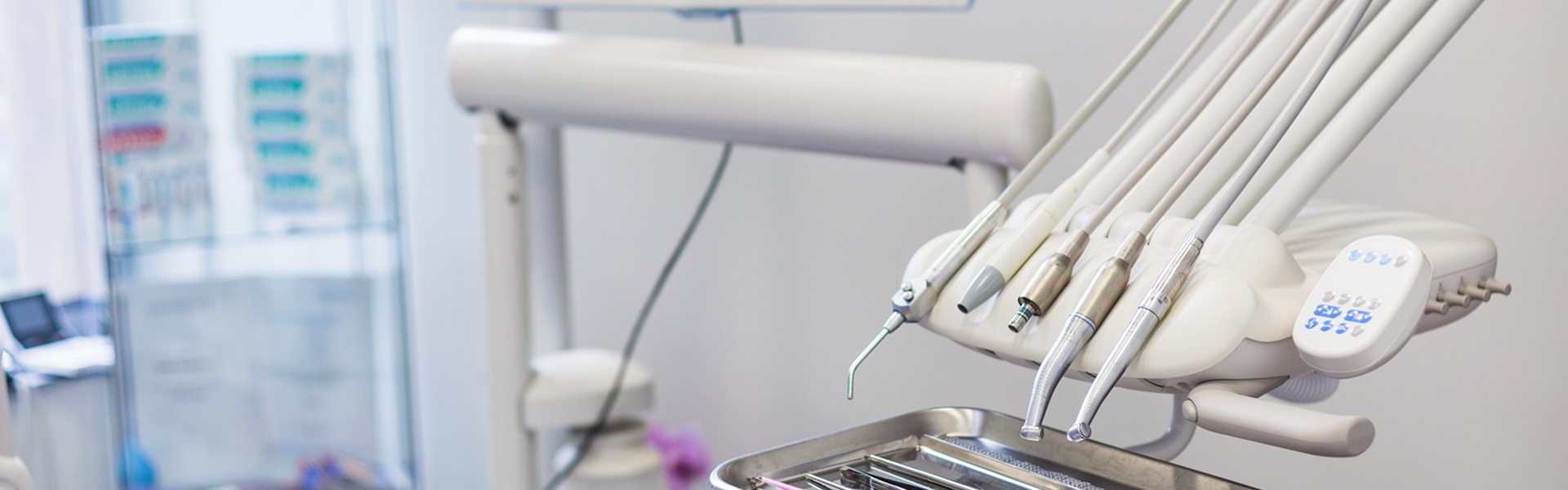
Checklist for Sterilisation Competency in Dental Clinics

Sterilisation in dental clinics is critical for patient and staff safety. Australian dental practices must follow strict regulations, including the latest AS 5369:2023 standards, which focus on consistent infection control across healthcare settings. This includes proper instrument cleaning, autoclave validation, staff training, and thorough documentation. Failure to comply can lead to healthcare-associated infections (HAIs), legal risks, and reputational damage.
Here’s what you need to know:
- Instrument Reprocessing: Follow a step-by-step workflow – cleaning, inspection, packaging, sterilisation, and documentation.
- Autoclave Use: Validate sterilisation with biological, chemical, and physical indicators. Perform daily and weekly tests to ensure effectiveness.
- Staff Training: Provide initial and annual training, competency checks, and refresher courses. Document all training activities.
- Documentation: Record sterilisation cycles, test results, and maintenance logs for at least seven years.
- Quality Assurance: Conduct regular audits, equipment maintenance, and risk assessments to address any gaps.
Is Your Sterilization Room Compliant? A CDC Inspector Weighs In
Australian Regulatory and Legal Requirements
Dental practices in Australia operate within a strict regulatory framework designed to ensure high standards of sterilisation and infection control. Adhering to these regulations is not just about compliance – it’s about safeguarding patient safety and maintaining trust in dental care. The following section outlines the key standards and obligations that guide these practices.
Sterilisation Standards and Guidelines
The Australian Dental Association (ADA) Guidelines for Infection Prevention and Control are the go-to resource for dental clinics when it comes to sterilisation. The latest 5th Edition, released in 2024, introduces several updates that dental practitioners must adopt to stay compliant [2].
One of the most notable changes is the introduction of AS 5369:2023, a standard that replaces the older AS/NZS 4815:2006. Unlike the previous version, AS 5369:2023 applies uniformly across all healthcare settings, including dental practices. This update brings a consistent approach to cleaning, disinfecting, and sterilising reusable medical devices (RMDs), streamlining infection control practices across the board [2][3].
Steam sterilisation remains the preferred method for processing dental instruments. Under the new guidelines, autoclaves must now undergo annual Performance Qualification (PQ) validation, which can only be carried out by qualified service providers. To meet the updated standards, the validation process requires three consecutive loads to confirm the steriliser’s performance [2].
For sterilisers equipped with vacuum systems, a daily Bowie-Dick test is mandatory – except when processing only solid, non-packaged RMDs using specified cycles [2].
In addition to these technical requirements, dental practices must meet specific compliance and documentation obligations to ensure ongoing adherence to these standards.
Key Compliance Obligations
Regulatory bodies are increasingly focusing on continuous professional development and self-monitoring. While the Dental Board of Australia no longer prescribes specific practice guidelines, it provides tools and resources to help practitioners stay informed and implement evidence-based sterilisation protocols [4]. This shift places greater responsibility on individual practices to remain up-to-date with current standards.
Maintaining detailed records is a critical part of compliance. Practices must document every sterilisation cycle, including load identification, operator details, cycle parameters, and biological indicator results. These records are essential for both traceability and regulatory audits.
To address potential gaps in sterilisation processes, practices are encouraged to develop and implement risk mitigation strategies. This includes routine monitoring, maintaining clear separation between clean and contaminated areas, and following proper storage, cleaning, and sterilisation protocols [3]. Regular risk assessments should also be conducted to identify weaknesses and implement corrective actions quickly.
Biological indicators play a vital role in validating sterilisation processes. The use of Geobacillus stearothermophilus, a reliable organism for testing sterilisation efficacy, is mandatory when used according to manufacturer instructions and current standards.
Accreditation has proven to enhance compliance. Research shows that accredited dental practices achieve 83% compliance in infection prevention and control compared to 76% in non-accredited facilities. Additionally, hand hygiene compliance is higher in accredited practices, reaching 63% compared to lower rates in non-accredited ones [3]. These figures highlight the benefits of formal accreditation in meeting regulatory demands.
Regular audits are another essential component of compliance. Whether conducted internally or externally, these reviews help practices identify and address compliance gaps before they escalate into regulatory issues. The ADA Guidelines recommend systematic audits that assess all aspects of sterilisation, from staff training records to equipment maintenance schedules. Any deficiencies should be documented and addressed with corrective action plans that include clear timelines and assigned responsibilities.
Core Sterilisation Procedures and Best Practices
Ensuring proper sterilisation in dental clinics is all about sticking to a detailed, step-by-step process. By following established protocols, clinics can effectively clean, sterilise, and track every reusable dental instrument, keeping both patients and staff safe.
Instrument Reprocessing Workflow
The instrument reprocessing workflow involves five essential steps:
- Cleaning: Begin by removing any organic or inorganic debris from instruments, following the manufacturer’s instructions. This step is crucial for reducing bioburden and improving sterilisation effectiveness. When manual cleaning is required, staff should wear the appropriate personal protective equipment to minimise risks.
- Inspection: Carefully examine each instrument under good lighting. If any debris or damage is found, the instrument should either be re-cleaned or taken out of service.
- Packaging: Once cleaned and dried, instruments should be placed in sterilisation pouches or wraps approved for the process. These materials must allow steam to penetrate effectively. Hinged instruments should be left open, and complex instruments disassembled as recommended by the manufacturer.
- Sterilisation: Sterilise the instruments using validated parameters to ensure thorough processing.
- Documentation: Record all relevant cycle details for compliance and traceability.
Proper packaging is critical to maintaining sterility from the moment the sterilisation cycle ends until the instrument is used again. Once instruments are cleaned, inspected, and packaged, the next step is focusing on the autoclave’s performance.
Autoclave Operation Guidelines
Steam sterilisation via autoclaves is widely regarded as the most reliable method for dental instruments. These machines operate at temperatures between 121°C and 134°C, with specific cycle times tailored to the load type [1]. Before loading, ensure instruments are completely dry and properly packaged, leaving enough space for steam to circulate. Overloading the autoclave can compromise the entire process.
To monitor sterilisation effectiveness, include a chemical indicator in every package. Each cycle must be verified through physical, chemical, and biological indicators:
- Physical indicators: Track temperature, pressure, and cycle time.
- Chemical indicators: Provide quick feedback by changing colour or form when exposed to the correct conditions.
- Biological indicators: Weekly tests using Geobacillus stearothermophilus spores confirm the autoclave’s effectiveness.
Staff operating the autoclave should undergo regular competency assessments to ensure they’re preparing loads correctly and selecting the appropriate cycles.
Documentation and Record-Keeping
Accurate record-keeping is a cornerstone of quality assurance in sterilisation. Clinics should maintain detailed logs – either in physical logbooks or digital systems – of every sterilisation cycle. These records should include:
- The date and time of the cycle
- Load contents
- Cycle parameters
- Operator details
- Results of chemical and biological indicator tests
Typically, these records are retained for at least seven years to ensure traceability and meet regulatory requirements [1]. Digital systems can now automatically capture cycle data, reducing the chance of manual errors and improving overall accuracy.
Every sterilised package should be clearly labelled with the steriliser ID, load number, sterilisation date, and, if applicable, an expiration date. This labelling allows staff to confirm that instruments have been processed correctly and are still within their sterile shelf life.
Routine audits of documentation practices are vital for spotting any gaps and ensuring all necessary details are recorded. For instance, Complete Smiles Bella Vista, like many modern dental clinics, keeps thorough sterilisation records to maintain high standards of patient safety and regulatory compliance. This level of organisation supports smooth daily operations, simplifies inspections, and ensures traceability in case of any concerns.
Staff Training and Competency Verification
The effectiveness of sterilisation processes relies heavily on staff who not only follow technical protocols but also grasp the importance of infection control. A 2022 review of 18 dental facilities revealed concerning gaps: over half (56.3%) lacked annual staff training, and nearly 70% (68.8%) did not routinely conduct competency evaluations[9].
Initial and Ongoing Training
A solid training program is essential to turn theoretical knowledge into effective daily practices. Every staff member involved in sterilisation should undergo specific training from their first day. In Australia, the Certificate III in Sterilisation Services (HLT37015) is a nationally recognised qualification. It includes 14 units of competency delivered over 550 hours, with 80 hours dedicated to professional experience placement[5]. Key units cover areas such as cleaning and disinfecting reusable medical devices (HLTSTE001), sterilising loads (HLTSTE003), and applying infection prevention and control principles (HLTINF006)[5].
While formal certification is not always mandatory, it is increasingly seen as a benchmark for best practice by employers and regulators. Training typically combines online learning, hands-on workshops, and practical sessions, ensuring staff are well-versed in sterilisation techniques and equipment use. Annual refresher courses help staff stay updated on the latest ADA guidelines and clinic-specific protocols[1]. Additionally, training must be provided whenever new equipment or procedures are introduced.
To ensure training programs remain effective, clinics should appoint an infection control coordinator. This person oversees training activities, addresses staff queries, and ensures compliance with current regulations[7]. For example, Complete Smiles Bella Vista conducts regular in-house training sessions and encourages attendance at external workshops to keep their team’s skills sharp.
Once training is completed, it’s crucial to verify that staff can apply their knowledge consistently and correctly.
Competency Verification Methods
Training alone isn’t enough – clinics must ensure staff can competently perform sterilisation tasks. Competency verification involves a mix of methods to thoroughly assess each team member’s skills and understanding.
Supervised practical assessments are a key component. These assessments allow staff to demonstrate their ability to handle instruments, operate autoclaves, package items properly, and maintain accurate records[5]. Written or online tests can supplement these assessments, confirming that staff not only know how to perform tasks but also understand their importance in maintaining patient safety.
Daily observations provide another layer of validation. Regular internal audits and peer reviews can highlight any discrepancies between training and actual practices[1]. Such reviews help identify areas for improvement before they impact safety.
| Training Component | Frequency | Verification Method | Documentation |
|---|---|---|---|
| Initial training (all staff) | Upon hire | Supervised practice, written test | Yes |
| Annual refresher training | Every 12 months | Competency checklist | Yes |
| Competency assessment | At least annually | Formal assessment, audit | Yes |
| Infection control coordinator | Ongoing | Appointment, review | Yes |
These methods ensure that competency is upheld through structured evaluations and continuous peer feedback. Staff can also expand their expertise through ADA-approved seminars, online courses, and industry events, staying informed on evolving practices. Clinics must maintain detailed training records, including dates, topics covered, trainer details, assessment outcomes, and follow-up actions, as required by Australian regulations[7].
Failing to provide adequate training can lead to lapses in infection control and potential regulatory penalties. When audits or incident reviews uncover competency gaps, immediate corrective measures – such as targeted retraining, one-on-one coaching, or additional supervised practice – are essential[5][1].
sbb-itb-2be92ed
Quality Assurance and Equipment Maintenance
Having reliable equipment is non-negotiable – no amount of staff expertise can make up for faulty autoclaves or inconsistent monitoring. Quality assurance and regular maintenance are the foundation of effective infection control, ensuring sterilisation equipment consistently meets Australian standards.
Routine Monitoring and Testing
Biological indicator testing is widely regarded as the most reliable method for confirming sterilisation effectiveness. Australian dental clinics are advised to perform these spore tests weekly, using commercially available biological indicators containing resistant bacterial spores[6][8]. If these spores are destroyed during the sterilisation cycle, it’s a clear sign that less-resistant pathogens have also been eradicated.
The process involves placing a biological indicator in the most challenging spot within a typical load – usually the centre of a wrapped instrument pack. After the sterilisation cycle, the indicator is incubated as per the manufacturer’s instructions. Results typically take 24 to 48 hours, though some rapid-read systems can deliver results within just one to three hours[8].
Chemical indicators, such as strips or tabs, offer immediate feedback after every sterilisation cycle by confirming whether key parameters, like temperature and steam penetration, were met. While they don’t guarantee sterility like biological indicators, they can quickly flag issues with the process. Best practice involves placing a chemical indicator in every instrument package and verifying it before use.
Digital displays and printed cycle records should be reviewed after each cycle to confirm that time, temperature, and pressure stayed within acceptable limits. Comprehensive logs, as previously mentioned, are essential. They not only demonstrate compliance during inspections but also help identify potential equipment problems.
Failing to monitor sterilisation processes can have severe consequences. For instance, in Oklahoma, improper sterilisation practices led to the potential exposure of 7,000 patients to HIV and hepatitis[7]. Regular monitoring helps ensure timely maintenance, keeping sterilisation performance consistent and reliable.
Equipment Maintenance and Troubleshooting
Preventive maintenance, in line with Australian standards, plays a critical role in reducing sterilisation failures and extending the life of equipment. Manufacturer recommendations often include daily cleaning of autoclave chambers, weekly cleaning of drain screens and filters, and monthly checks of door seals and gaskets[7]. Using distilled or demineralised water is also crucial to avoid mineral buildup, which can disrupt steam generation and distribution.
Professional servicing should follow the manufacturer’s schedule, typically every six to twelve months depending on usage. Certified technicians handle tasks like calibration checks, replacing worn parts, and ensuring that safety systems are functioning as they should[7].
If a sterilisation cycle fails, immediate action is required. Instruments from the failed cycle must be quarantined and reprocessed before use. Staff should document the failure, investigate its cause, and take corrective steps – whether the issue stems from improper loading, inadequate steam penetration, equipment malfunction, or operator error[7].
| Monitoring Type | Frequency | Purpose | Documentation |
|---|---|---|---|
| Biological indicators | Weekly | Verify sterilisation effectiveness | Test results, incubation records |
| Chemical indicators | Every cycle | Confirm process parameters | Visual verification, cycle logs |
| Physical parameters | Every cycle | Monitor time, temperature, pressure | Digital printouts, manual logs |
| Equipment maintenance | Per manufacturer | Prevent breakdowns, ensure accuracy | Service records, calibration certificates |
Basic training can help staff troubleshoot common issues. For example, cycle failures caused by improper loading or door seal problems can often be resolved without professional help. However, more complex issues, such as electronic malfunctions or pressure system failures, require expert attention.
Annual reviews of sterilisation policies are essential to keep procedures aligned with updated guidelines from the Australian Dental Association and other regulatory bodies[7]. These reviews should cover monitoring frequencies, documentation methods, maintenance schedules, and staff responsibilities. Many practices appoint an infection control coordinator to oversee these tasks and ensure consistent compliance.
Clinics like Complete Smiles Bella Vista follow ADA and manufacturer guidelines by conducting weekly biological tests, daily chemical and physical monitoring, and scheduled equipment servicing. Maintenance logs are meticulously kept to meet regulatory requirements, and staff receive regular training in troubleshooting and quality assurance[1][10].
Complete Checklist for Sterilisation Competency
Sterilisation Compliance Checklist
This checklist offers a straightforward daily guide to meet Australian standards for sterilisation. Each step aligns with the ADA Infection Control Guidelines, ensuring patient safety through proper infection control measures.
Pre-Cleaning and Manual Cleaning
- Keep instruments moist and remove visible debris promptly.
- Use enzymatic cleaners and ultrasonic baths for thorough cleaning.
- Inspect instruments for damage, document issues, and remove compromised items from use.
Packaging and Labelling
- Choose sterilisation pouches or wraps that comply with Australian standards.
- Place a chemical indicator inside every package.
- Clearly label packages with the load number, date, operator initials, and expiry date. Ensure the seal is intact and avoid overpacking.
Autoclave Operation
- Arrange loads with enough space for steam to circulate properly.
- Set cycle parameters based on load type and manufacturer guidelines.
- Monitor and log time, temperature, and pressure for each cycle. Allow packages to dry completely before removing them.
Testing and Monitoring
- Perform weekly biological indicator testing with spore strips.
- Use chemical indicators in every sterilisation cycle.
- Record all test results and note any corrective actions taken.
- Keep service and calibration records up to date.
Storage and Handling
- Store sterile packages in a clean, dry area, away from potential contamination.
- Use a first-in, first-out system to rotate stock.
- Inspect package integrity before use; reprocess if compromised.
- Maintain storage areas under controlled environmental conditions.
Documentation Requirements
- Keep detailed logs for each sterilisation cycle, including parameters.
- Maintain records of staff training, including dates and competency assessments.
- Document equipment maintenance, repairs, and calibration.
- Store all records securely for the legally required period (seven years).
| Compliance Area | Facilities with Issues | Key Requirements |
|---|---|---|
| Staff Training | 56.3% | Annual training with documented competency |
| Competency Evaluation | 68.8% | Regular practical assessments and verification |
| Audit Processes | 81.3% | Systematic reviews with corrective actions |
| Sharps Management | 50%+ | Safe handling and disposal protocols |
| Package Labelling | 50%+ | Clear identification and traceability |
Staff Competency Verification
- Ensure all staff complete initial infection control training before handling instruments.
- Provide annual refresher training, with competency evaluations recorded.
- Assess understanding through practical demonstrations and written tests.
- Assign an infection control coordinator to oversee compliance efforts.
Equipment Maintenance Schedule
- Clean autoclave chambers and water reservoirs daily.
- Perform weekly maintenance on drain screens, filters, and door seals.
- Schedule professional servicing every six to twelve months as advised.
- Address equipment failures immediately, isolating faulty items as needed.
Regularly completing these tasks ensures a solid foundation for self-audits and ongoing compliance.
Self-Audit and Review Processes
Combining hands-on practices with robust record-keeping and staff training, regular audits help maintain high standards. A 2022 review revealed that all facilities had areas for improvement in instrument transportation and immediate use steam sterilisation (IUSS) [9].
Monthly Internal Reviews
Focus on specific sterilisation components each month. For example, review cleaning procedures in January, packaging standards in February, and autoclave operations in March. Rotate focus areas to cover all aspects of the process.
Quarterly Comprehensive Audits
Every three months, conduct a full review of sterilisation practices. This should include inspecting equipment, reviewing records, interviewing staff about procedures, and testing practical knowledge. Document findings thoroughly and address any deficiencies with corrective action plans.
Annual Policy Reviews
Once a year, review all sterilisation policies and procedures to ensure they align with the latest ADA guidelines and manufacturer recommendations. Include key staff in this process and update protocols to reflect current best practices and regulatory changes.
Documentation and Follow-Up
Keep detailed records of all audit activities, including findings, corrective actions, and follow-ups. This systematic tracking helps ensure issues are resolved and demonstrates a commitment to improvement during external inspections.
Staff Involvement and Feedback
Encourage team participation by rotating audit responsibilities and gathering input on potential improvements. Regular team meetings should include discussions of audit results and collaborative problem-solving for practical challenges.
External Verification
Consider occasional external audits by infection control experts. These independent assessments can highlight blind spots and offer valuable comparisons to industry standards.
Clinics that consistently implement self-audit processes see better compliance outcomes. The key is regular, thorough reviews and proactive adjustments, creating a culture that prioritises both patient safety and adherence to regulations.
Conclusion: Maintaining High Standards in Sterilisation Practices
Sterilisation competency is a cornerstone of infection control in Australian dental practices. Upholding these standards goes beyond meeting regulatory requirements – it plays a crucial role in ensuring patient safety. As outlined in the checklist, achieving and maintaining high standards demands meticulous attention to detail, regular staff training, and consistent monitoring of protocols. By prioritising these practices, dental clinics not only protect their patients and staff but also remain compliant with regulatory expectations.
Historical data and incidents serve as a stark reminder of the dangers posed by lapses in sterilisation practices. Insufficient annual training and competency assessments have been linked to outbreaks that placed thousands of patients at risk of serious infections. These examples highlight the importance of rigorous and ongoing commitment to sterilisation protocols.
Compliance with standards outlined by the Australian Dental Association, the Dental Board of Australia, and the National Safety and Quality Health Service Standards is essential. Adhering to these frameworks safeguards practitioners and patients alike while protecting clinics from potential legal and financial repercussions, including the loss of accreditation [11].
Incorporating sterilisation protocols into daily operations is key. This includes appointing infection control coordinators, conducting regular self-audits, and creating a work culture where every team member understands their role in maintaining sterile environments [7][11]. A great example is Complete Smiles Bella Vista, led by Dr. James Hanna, where advanced clinical techniques are seamlessly supported by stringent infection control measures.
The adoption of digital record-keeping and automated monitoring has also transformed compliance efforts. These tools not only simplify documentation but also ensure accountability while reducing administrative strain [8].
Sterilisation competency isn’t a one-time milestone – it’s a continuous journey. Regular reviews of policies, ongoing staff education, and consistent maintenance of equipment embed high standards into the clinic’s culture. A commitment to these practices enhances patient trust, minimises liability, and upholds the ethical responsibilities of providing quality dental care in Australia.
FAQs
What changes in the AS 5369:2023 standards should dental clinics know about for sterilisation procedures?
We don’t have the specifics on the updates made in the AS 5369:2023 standards for sterilisation in dental clinics at this time. For the most accurate and current information, it’s best to refer directly to the official standards documentation or get in touch with a professional body like the Australian Dental Association (ADA).
What steps can dental clinics take to ensure their staff are properly trained and competent in sterilisation procedures?
To uphold rigorous sterilisation standards, dental clinics should establish comprehensive training programs for all staff involved in infection control. These programs should not only cover the latest sterilisation protocols but also include practical, hands-on training to ensure staff can apply these practices effectively.
Important steps to implement include:
- Regularly auditing sterilisation procedures to pinpoint and address any shortcomings.
- Offering continuous education through workshops, seminars, or accredited training programs.
- Ensuring every team member is well-versed in Australian infection control standards and guidelines.
- Keeping detailed records of training sessions to demonstrate compliance with regulatory requirements.
Focusing on consistent education and strict adherence to established protocols helps protect patient safety while meeting regulatory expectations.
What are the best practices for ensuring autoclaves in dental clinics are properly maintained and validated?
To ensure autoclaves in dental clinics perform reliably and meet Australian standards, it’s crucial to stick to well-defined protocols. This includes regular servicing by qualified technicians, routine cleaning, and following the manufacturer’s instructions carefully.
Validation processes should involve periodic performance tests like biological indicator tests, Bowie-Dick tests, and leak rate tests. These tests confirm the autoclave’s ability to properly sterilise instruments. Additionally, maintaining detailed records of test results and service logs is essential for meeting regulatory requirements.
By following these practices, dental clinics can protect both patients and staff while adhering to the strict infection control standards of the industry.
Related Blog Posts
- Orthodontic Sterilization Tools: Guide
- Compliance Audits in Australian Dental Practices
- Australian Standards for Dental Tool Disinfection
- Sterilisation Monitoring: Australian Standards Explained
Important Notice: Any surgical or invasive procedure carries risks. Before proceeding, you should seek a second opinion from an appropriately qualified health practitioner.
Individual results may vary. The information provided in this article is for educational purposes only and does not constitute medical advice.
Checkout Related Blogs



Get in touch with us
For more information, call us now to start feeling better. Or fill the form below to make appointment
The Latest News from Complete Smiles
How to Clean Clear Plastic Retainers
Checklist for Choosing Wearable Dental Devices
Checklist for Choosing Cloud AI Platforms in Dentistry
Complete Smiles Bella VistaAccepts All Major Health Funds, Including