




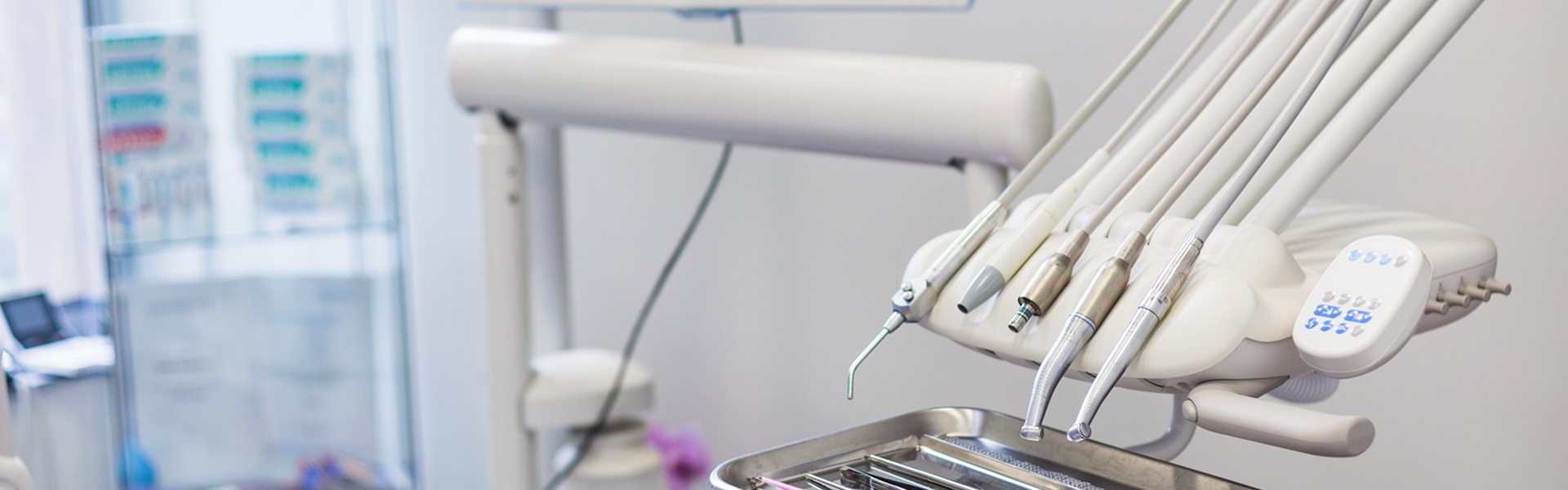
Orthodontic Sterilization Tools: Guide

Orthodontic sterilisation is critical for maintaining safety in dental clinics, ensuring tools are free from harmful microorganisms. This guide covers key sterilisation methods, Australian standards, and instrument classifications to help clinics meet legal requirements and protect patients and staff.
Key Points:
- Instrument Categories: Tools are classified as critical, semi-critical, or non-critical based on infection risk. Each category requires specific sterilisation methods.
- Sterilisation Methods: Common methods include steam autoclaving (ideal for most tools), dry-heat sterilisation (suitable for sharp or moisture-sensitive items), and chemical sterilisation (used for heat-sensitive materials).
- Australian Standards: Clinics must adhere to regulations like AS 5369:2023 and guidelines from the Dental Board of Australia and AHPRA.
- Preparation & Maintenance: Proper cleaning, drying, and storing of instruments are vital for effective sterilisation and tool longevity.
Quick Overview of Methods:
| Method | Best For | Limitations |
|---|---|---|
| Steam Autoclave | Most metal tools | May cause corrosion, unsuitable for heat-sensitive items |
| Dry Heat | Sharp or moisture-sensitive tools | Long cycles, high temperatures |
| Chemical | Heat-sensitive plastics/electronics | Safety concerns, requires thorough rinsing |
Proper sterilisation protects against infections like hepatitis and COVID-19, ensures compliance with Australian health standards, and fosters trust in clinic operations. Regular staff training and equipment maintenance are essential for meeting these standards effectively.
Essential Dental Instrument Sterilization: Best Practices & Products
Orthodontic Instruments and Sterilisation Requirements
Properly categorising orthodontic instruments and applying the right sterilisation methods are essential for maintaining clinical safety. Each instrument carries a different level of infection risk, and Australian dental clinics must adhere to specific protocols to manage these risks effectively.
How Instruments Are Classified by Risk Level
Orthodontic instruments are classified based on Spaulding’s system, which assigns them into three risk levels. This classification helps dental professionals determine the appropriate sterilisation or disinfection method for each type of instrument.
- Critical instruments: These carry the highest risk as they come into contact with sterile tissue or the bloodstream. Examples include scalpels, forceps, band pushers, scalers, and explorers. These instruments must undergo complete sterilisation to eliminate all microorganisms, including bacterial spores.
- Semi-critical instruments: These have a moderate risk as they contact mucous membranes or non-intact skin. Items such as mouth mirrors, orthodontic pliers, cheek retractors, reusable dental impression trays, digital radiography sensors, and dental handpieces fall into this category. Ideally, these should be sterilised, although high-level disinfection may suffice for heat-sensitive items.
- Non-critical instruments: These pose the lowest risk since they only touch intact skin. Examples include X-ray heads, patient headrests, light handles, blood pressure cuffs, facebows, curing lights, exam lights, and extraoral cameras. These instruments require thorough cleaning followed by disinfection using EPA-registered hospital disinfectants.
Orthodontists have historically faced the second-highest incidence of hepatitis B among dental practitioners [2], highlighting the critical importance of proper instrument classification and sterilisation protocols.
Sterilisation Methods for Each Instrument Type
Once instruments are categorised, the appropriate sterilisation method ensures compliance with safety standards. The choice of sterilisation depends on the instrument’s classification and material.
| Category | Examples | Required Method | Temperature/Process |
|---|---|---|---|
| Critical | Scalpels, forceps, band pushers, scalers, explorers | Heat sterilisation (autoclave) | 121°C–134°C steam sterilisation |
| Semi-critical | Mouth mirrors, orthodontic pliers, cheek retractors, impression trays, handpieces | Heat sterilisation preferred; high-level disinfection if heat-sensitive | 121°C–134°C steam or chemical disinfection |
| Non-critical | X-ray heads, patient headrests, light handles, facebows, curing lights | Cleaning followed by disinfection with EPA-registered products | Room temperature chemical disinfection |
Steam sterilisation is considered the gold standard for critical instruments. Semi-critical instruments should also undergo heat sterilisation whenever possible, with chemical disinfection reserved for items sensitive to heat. Non-critical instruments require thorough cleaning and disinfection with EPA-approved products.
Australian dental clinics must follow manufacturers’ guidelines for reprocessing all reusable instruments. Additionally, clear policies should be in place for handling, transporting, and containing potentially contaminated items. Regular monitoring of sterilisation effectiveness and strict adherence to manufacturer instructions are key to ensuring optimal instrument cleaning and maintenance. These practices will be explored further in the next section.
Sterilisation Methods for Orthodontic Tools
Sterilisation is a critical aspect of infection control in Australian orthodontic practices. By tailoring sterilisation methods to the risk level of instruments, practitioners ensure both patient safety and adherence to professional standards. Let’s explore the commonly used methods and their specific applications.
Steam Autoclave Sterilisation
Steam autoclaving is often considered the benchmark for sterilising orthodontic instruments. It works by using pressurised steam at temperatures between 121°C and 134°C to eliminate all microorganisms, including spores.
"Of all the methods available for sterilization, moist heat in the form of saturated steam under pressure is the most widely used and the most dependable." – CDC [6]
This method relies on three key factors: temperature, pressure, and time. The moisture in the steam ensures efficient heat transfer, making it highly effective. Steam sterilisation is not only efficient but also avoids the use of harsh chemicals, making it a safer option for both staff and patients. It’s also cost-effective and has a quick turnaround time, which is ideal for busy practices.
However, it’s not without its challenges. Over time, it can cause corrosion on certain metal instruments and isn’t suitable for heat-sensitive materials like some plastics or electronics. Additionally, instruments must be thoroughly dried after sterilisation to prevent rust and contamination.
Research backs its effectiveness. A 2022 study by Ardeshna et al. demonstrated that steam autoclaving completely eradicated bacteria such as Staphylococcus aureus, Staphylococcus epidermidis, Lactobacilli, and Klebsiella pneumoniae from orthodontic tools [5].
Next, let’s look at dry-heat sterilisation, a method suited for instruments that can’t tolerate moisture.
Dry-Heat Sterilisation
Dry-heat sterilisation uses hot air to sterilise items, operating at around 180°C. Unlike steam, it’s ideal for materials that might be damaged by moisture, such as sharp instruments and certain pliers.
"This method should be used only for materials that might be damaged by moist heat or that are impenetrable to moist heat (e.g., powders, petroleum products, sharp instruments)." – CDC [7]
There are two types of dry-heat sterilisers: static air models, which rely on natural air circulation, and forced air models, which use fans to speed up the process. While effective, this method has its downsides. It requires longer cycles – sometimes up to five times longer than steam – and prolonged exposure to high temperatures can degrade certain materials.
Despite these drawbacks, dry-heat sterilisation is economical, using less energy and incurring lower operating costs. It’s particularly valuable for preserving the cutting edges of sharp instruments, making it a go-to choice for orthodontic scalers and metal burs.
Let’s move on to chemical sterilisation, which is designed for heat-sensitive tools.
Chemical Sterilisation Methods
Chemical sterilisation is a versatile option for instruments that can’t handle high temperatures. It uses agents like glutaraldehyde, hydrogen peroxide, or ethylene oxide gas to destroy microorganisms. This method is well-suited for orthodontic sensors, electronic handpieces, and specialised plastic items.
Glutaraldehyde is often used for immersion sterilisation, requiring instruments to be fully submerged for a specific time. However, its toxic nature demands careful handling to avoid skin and respiratory irritation. Hydrogen peroxide systems, which are sometimes combined with low-temperature steam or plasma technology, provide a faster alternative while effectively targeting resistant microorganisms.
While chemical sterilisation is effective, it comes with safety concerns. Adequate ventilation is necessary, and staff must wear personal protective equipment. Instruments also need thorough rinsing to remove any chemical residue. Regular monitoring of solution potency and strict adherence to exposure times are essential to maintain effectiveness.
Sterilisation Methods Comparison
| Method | Temperature | Cycle Time | Best For | Limitations | Operating Cost |
|---|---|---|---|---|---|
| Steam Autoclave | 121°C–134°C | ≈30 minutes | Most metal instruments, textiles | Corrosion risk; unsuitable for heat-sensitive items | Low |
| Dry Heat | 180°C | 60–120 minutes | Sharp instruments, moisture-sensitive items | Long cycles; high temperatures may degrade some materials | Low |
| Chemical | Room temperature | Extended cycle | Heat-sensitive electronics, plastics | Safety hazards; requires thorough rinsing | Moderate–High |
When choosing a sterilisation method, orthodontic practices must weigh factors like instrument compatibility, processing volume, and safety protocols. Steam sterilisation is the go-to for most instruments, while dry-heat and chemical methods cater to specific needs, particularly for heat-sensitive tools.
"For sterilization in orthodontics, proper sterilization techniques are important to prevent the spread of infections. The most common sterilization methods used are autoclaving, dry heat, and chemical vaporization." – Dr Shilpa Dineshan [4]
In high-volume practices, where up to 640 items may be processed daily, efficiency is crucial. Monitoring sterilisation effectiveness is equally important. This includes using biological indicators weekly and maintaining detailed records of each cycle to ensure compliance and patient safety [3][8].
Cleaning and Maintaining Orthodontic Tools
Ensuring orthodontic tools are properly cleaned and maintained is critical for effective sterilisation and long-term performance. Australian orthodontic practices should implement clear protocols to prepare instruments for sterilisation while keeping them in excellent condition.
How to Clean Instruments Before Sterilisation
Cleaning tools immediately after use is key to preventing debris from hardening, which can complicate the sterilisation process.
Start with a thorough rinse to remove visible debris. Follow this with manual scrubbing using a soft brush and detergent, or opt for ultrasonic cleaners and instrument washers for more effective cleaning. Manual scrubbing not only removes debris but also allows for a closer inspection of each tool. Ultrasonic cleaning, on the other hand, uses high-frequency sound waves to reach intricate areas, such as hinges or grooves. Make sure to replace the ultrasonic bath solution daily and fully submerge instruments during the cleaning process.
Once cleaned, inspect each instrument under proper lighting to ensure no residue remains. Dry the instruments completely before sterilisation, as moisture can interfere with the process – especially with chemical-vapour sterilisation – and may cause corrosion [9].
For sterilisation preparation, package instruments in sterilisation pouches or cassettes, ensuring hinged tools are left open to allow proper steam or heat penetration. Using labelling and tracking systems can help monitor sterilisation cycles and maintain compliance with Australian infection control standards. After cleaning, regular maintenance is essential to keep instruments in top condition.
Tool Maintenance Tips
After cleaning, ongoing maintenance ensures tools function effectively and last longer. Begin by inspecting and lubricating moving parts, such as plier hinges, to prevent wear. Use only lubricants recommended by the manufacturer, applying them sparingly and removing any excess to avoid issues during sterilisation or damage to the instrument’s surface.
Keep an eye out for signs of wear or damage, such as rust, pitting, dull edges, loose joints, or misalignment. Any damaged tools should be removed from use immediately and either repaired or replaced. Implementing a weekly maintenance routine for frequently used instruments – including detailed inspections and functional testing – can help identify early signs of wear and maintain quality standards.
Proper storage also plays a crucial role. Sterilised instruments should be stored in sealed, dry, and clearly labelled pouches or cassettes, in a clean, dust-free area away from contaminated zones. Always handle instruments with clean gloves to avoid recontamination.
To prevent corrosion, use distilled water during cleaning and control humidity levels in storage areas. Training staff on proper handling techniques is equally important. This includes avoiding dropping instruments, applying excessive force on delicate components, or mixing different metals, which can cause galvanic corrosion.
Lastly, ensure equipment is calibrated regularly, and maintain clear documentation of all maintenance activities to support quality assurance and compliance.
sbb-itb-2be92ed
Best Practices for Australian Orthodontic Clinics
Ensuring patient safety and maintaining a clean, safe environment are non-negotiable priorities for orthodontic clinics in Australia. Adherence to strict regulatory guidelines and professional standards, as set out by the Dental Board of Australia and the National Health and Medical Research Council (NHMRC), is essential. These frameworks are built on evidence-based infection prevention measures that safeguard both patients and staff.
Infection Control Protocols
Orthodontic clinics in Australia follow the Dental Board of Australia’s Infection Control Guidelines and the NHMRC’s recommendations to implement Standard Precautions. These include:
- Hand hygiene practices
- Respiratory etiquette
- Use of appropriate personal protective equipment (PPE)
- Aseptic techniques
- Prevention of sharps injuries
- Cleaning and disinfection procedures
- Proper waste disposal methods [11][13]
It’s crucial that all staff members are well-trained and consistently apply these protocols. The Dental Board of Australia underscores the importance of compliance:
"As regulators of the profession, we act to protect the public. We take breaches in infection control standards seriously." [11]
To stay informed about evolving practices, dental practitioners are encouraged to undertake continuous professional development (CPD). Clinics should also maintain a detailed infection control manual, readily accessible to all staff. Regulatory bodies may request documentation such as autoclave cycle logs or photographs of sterilisation areas as evidence of compliance. These measures are critical for meeting Australia’s national reprocessing requirements.
Australian Clinic Requirements
The introduction of AS 5369:2023 has replaced earlier standards (AS/NZS 4815:2006 and AS/NZS 4187:2014). Clinics are required to conduct a gap analysis by 30 June 2025 to identify deficiencies and establish risk mitigation strategies [14]. However, immediate full compliance is not expected, as noted in the guidance:
"Compliance is neither expected nor achievable immediately." [15]
In addition to national standards, clinics may need to meet state-specific requirements, such as Queensland’s infection control management plans. The Australian Dental Association offers resources to help clinics navigate these obligations [1]. While accreditation is voluntary, adhering to infection prevention and control protocols remains essential. As one advisory note explains:
"Just because you are not involved with accreditation does not mean that accepted infection prevention and control approaches in Australia do not apply to you." [14]
Professional Clinic Standards
Beyond meeting regulatory requirements, many orthodontic clinics implement robust quality assurance systems to ensure ongoing compliance. These include:
- Weekly autoclave testing and maintaining cycle records
- Scheduled servicing of equipment
- Regular staff training on the operation and maintenance of sterilisation devices [16]
The National Safety and Quality Health Service (NSQHS) Standards provide an additional framework for improving clinic quality. The second edition of these standards, launched in November 2017 and fully implemented by January 2019, includes Standard 3, which focuses on governance, infection prevention, reprocessing reusable medical devices, and antimicrobial sterilisation protocols [12].
Maintaining a clean environment is another critical aspect of infection control. Common practices include:
- Damp dusting to minimise airborne pathogens
- Daily flushing of suction systems
- Using barrier wraps and changing gloves frequently [17]
As one expert highlights:
"Effective infection prevention and control is central to providing high quality health care for patients and a safe working environment for those who work in healthcare settings." [18]
Clinics like Complete Smiles Bella Vista exemplify these practices, demonstrating both regulatory compliance and a strong commitment to patient safety.
Conclusion
Ensuring proper sterilisation of orthodontic instruments is not just a regulatory requirement in Australia – it’s a cornerstone of patient safety and professional responsibility. This guide has highlighted how robust sterilisation protocols protect patients and staff from cross-infection while aligning with strict Australian health standards [10][19].
The classification of orthodontic instruments into critical, semi-critical, and non-critical categories offers a straightforward approach to selecting the right sterilisation methods. Whether dealing with general instruments, corrosion-prone items, or heat-sensitive tools, this system ensures the appropriate care for each type [9][10].
Different sterilisation methods come with their own benefits and challenges. Steam autoclaves are fast and effective but may lead to corrosion on some instruments. Dry-heat sterilisation avoids corrosion but takes longer, while chemical sterilisation is ideal for delicate tools, though it raises occupational health concerns [9][10].
Pre-cleaning is a crucial step in the sterilisation process. Removing organic debris and bioburden is essential for effective sterilisation, and modern solutions like ultrasonic cleaners and automated washers are gaining traction for their efficiency and ability to minimise manual handling risks [10].
Australian orthodontic clinics must also stay abreast of the evolving regulations set by the Dental Board of Australia. These evidence-based guidelines are designed to uphold public health and maintain professional standards.
Failing to meet sterilisation standards can lead to cross-infections, legal complications, and a loss of patient trust. On the flip side, adhering to high sterilisation standards not only fosters patient confidence but also supports long-term business success and contributes positively to public health.
To sustain these practices, clinics must prioritise regular staff training, routine equipment maintenance, and frequent audits. These steps ensure that sterilisation processes remain effective, compliant, and aligned with the latest guidelines.
FAQs
How can heat-sensitive orthodontic instruments be sterilised effectively without causing damage?
Sterilising orthodontic instruments that are sensitive to heat can be tricky. Traditional methods like autoclaving or dry heat might compromise their material integrity, potentially shortening their lifespan and reducing their effectiveness.
To overcome this, there are alternative sterilisation techniques designed to work without high temperatures. These include chemical immersion using approved germicides, ethylene oxide gas, and hydrogen peroxide plasma. These methods are highly effective at sterilising while being gentle on instruments like orthodontic wires and delicate appliances. They ensure the tools stay safe for clinical use and meet rigorous hygiene standards without risking damage.
What steps can Australian orthodontic clinics take to comply with the updated AS 5369:2023 sterilisation standards?
Updated Sterilisation Standards: What Australian Orthodontic Clinics Need to Know
With the release of the AS 5369:2023 sterilisation standards, orthodontic clinics across Australia need to revisit their sterilisation protocols to ensure they align with the latest guidelines. These standards outline updated practices for cleaning, disinfecting, and sterilising reusable medical devices. Clinics are encouraged to complete a gap analysis by 30 June 2025 to pinpoint areas that may need adjustments.
Some of the key actions to consider include adopting extended sterilisation cycles, which might involve increasing exposure times or using higher temperatures when necessary. Equally important is ongoing staff training to ensure everyone is familiar with and correctly follows the updated procedures. This not only ensures compliance but also reinforces patient safety. Keeping up-to-date with these standards enables clinics to maintain high care standards while meeting regulatory expectations.
How can I properly care for orthodontic tools to maintain hygiene and extend their lifespan after sterilisation?
To keep orthodontic tools clean and in good condition, it’s essential to stick to proper care routines. Start by giving the instruments a thorough clean before sterilisation. You can use ultrasonic cleaners or hand wash them with non-enzymatic, phosphate-free cleaning solutions that include rust inhibitors. Once cleaned, carefully inspect the tools and ensure they’re fully dried to prevent water spots or corrosion.
When it’s time for heat sterilisation, make sure the tools are properly packaged to avoid contamination. Equipment like autoclaves also needs regular attention – this includes cleaning, calibration, and replacing parts like gaskets and filters when necessary. By combining routine maintenance, gentle handling, and frequent inspections, you can help ensure your orthodontic tools stay effective and last longer.
Related Blog Posts
- Pre-Orthodontic Treatment Checklist: What to Know
- Dental Equipment Inspection: Key Requirements
- ISO Standards for Dental Materials
- How Intraoral Scanners Improve Orthodontic Workflows
Important Notice: Any surgical or invasive procedure carries risks. Before proceeding, you should seek a second opinion from an appropriately qualified health practitioner.
Individual results may vary. The information provided in this article is for educational purposes only and does not constitute medical advice.
Checkout Related Blogs



Get in touch with us
For more information, call us now to start feeling better. Or fill the form below to make appointment
The Latest News from Complete Smiles
How to Clean Clear Plastic Retainers
Checklist for Choosing Wearable Dental Devices
Checklist for Choosing Cloud AI Platforms in Dentistry
Complete Smiles Bella VistaAccepts All Major Health Funds, Including