





Top 5 Causes of Tooth Decay
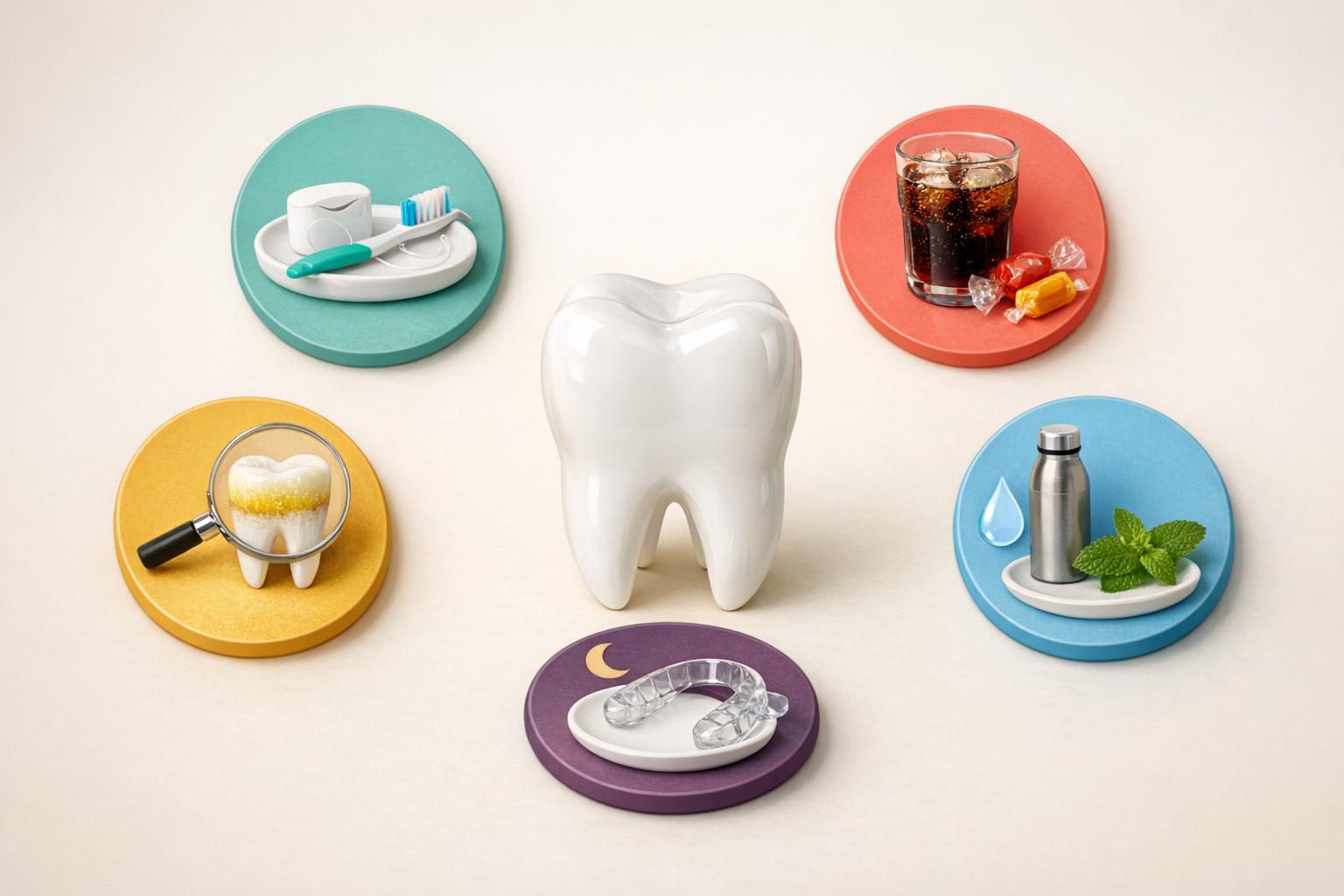
Tooth decay is one of the most common yet preventable health issues in Australia, affecting 1 in 3 adults and 1 in 3 children under 5. It occurs when acids produced by bacteria in the mouth erode the tooth enamel, leading to cavities. The key to prevention lies in understanding the main causes and addressing them early. Here are the top five causes of tooth decay:
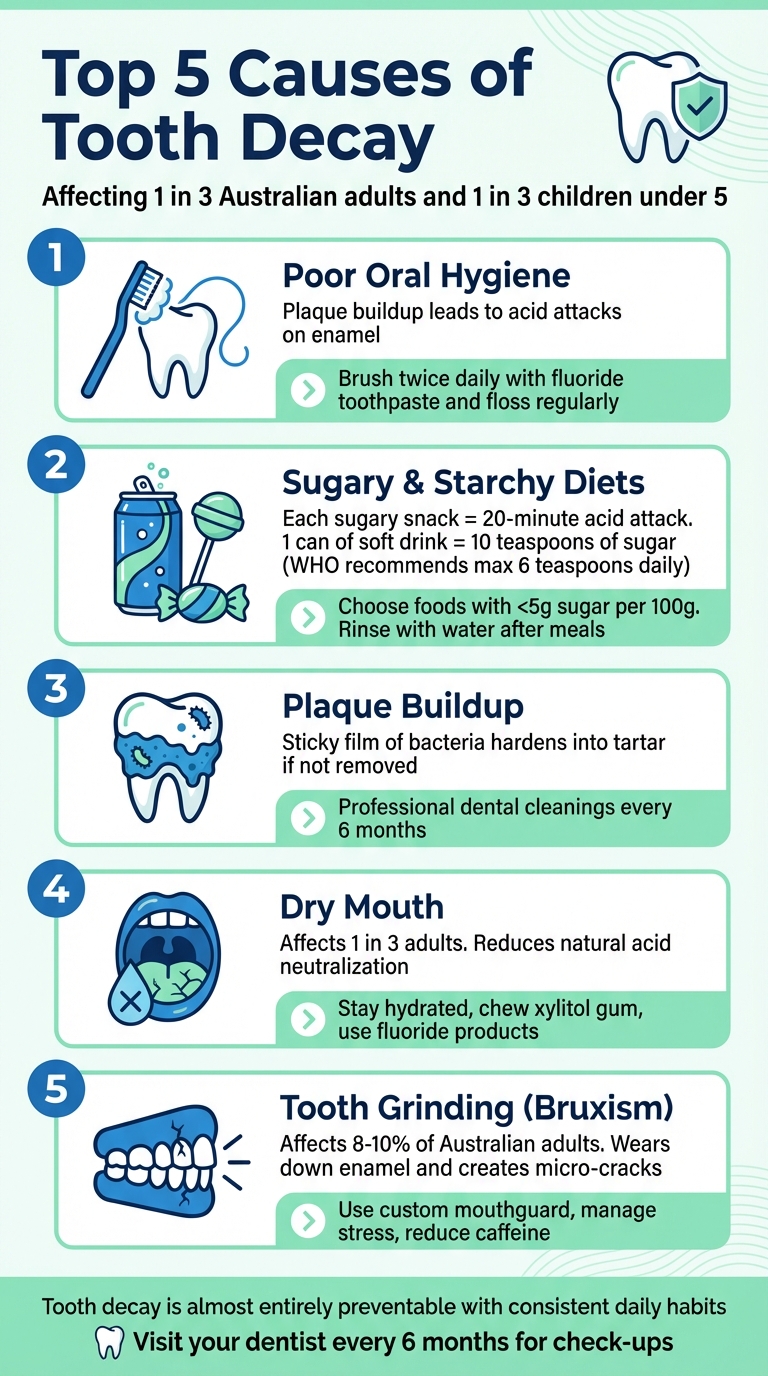
- Poor Oral Hygiene: Skipping brushing and flossing allows plaque to build up, leading to acid attacks on enamel. Regular brushing with fluoride toothpaste and flossing can prevent this.
- Sugary and Starchy Diets: Frequent consumption of sugary or processed foods fuels bacteria, causing repeated acid attacks. Limit sugar intake and rinse with water after meals.
- Plaque Buildup: Plaque forms quickly and hardens into tartar if not removed, increasing the risk of decay. Regular dental cleanings are essential.
- Dry Mouth: Reduced saliva leads to less protection against acids. Stay hydrated, chew sugar-free gum, and use fluoride products to combat this.
- Tooth Grinding (Bruxism): Grinding wears down enamel, making teeth more prone to decay. A custom mouthguard and stress management can help.
Taking small steps, like brushing twice daily, reducing sugary snacks, and visiting your dentist every six months, can make a huge difference in preventing tooth decay.
5 Main Causes of Tooth Decay and Prevention Tips
What Causes Tooth Decay? Cavity 101 | Causes | Treatment
sbb-itb-2be92ed
1. Poor Oral Hygiene
Good oral hygiene is your best defence against tooth decay. When you skip brushing or flossing, bacteria quickly multiply, forming plaque. This sticky film becomes a breeding ground for Streptococcus mutans, bacteria that thrive on leftover sugars in your mouth. As they feed, they produce acid, which directly attacks your tooth enamel.
This acid triggers a process called demineralisation, where minerals are stripped from the enamel. Early signs of this damage include white, chalky spots on your teeth – something that can still be reversed with proper care. But if plaque is left unchecked, the acid continues its assault, eventually breaking through the enamel and forming cavities. This is why consistent oral hygiene is so crucial – it stops this harmful cycle in its tracks.
The situation worsens when decay progresses beyond the enamel into the dentin, the softer layer beneath. Without regular flossing, decay can reach the dentin and even the pulp, leading to pain and, in severe cases, abscesses.
To protect your teeth, brush twice daily with fluoride toothpaste and floss regularly. After brushing, avoid rinsing immediately to allow the fluoride to strengthen your enamel. Replace your toothbrush every three months to ensure it’s effective, and visit your dentist every six months for check-ups. These simple habits can help you stop decay before it becomes a painful issue.
2. Sugary and Starchy Diets
What you eat has a huge influence on your oral health, especially when it comes to sugary and starchy foods. These foods fuel bacteria in your mouth, which produce acids that strip away vital minerals from your teeth, setting the stage for decay.
"Mouth bacteria use the sugar from our foods and drinks to make acids that attack the teeth." – The Australian Dental Association [1]
It’s not just the amount of sugar you consume – it’s also how often you eat it. Every time you have a sugary snack, your teeth endure a 20-minute acid attack [5]. If you snack frequently, your saliva doesn’t get enough time to neutralise these acids or repair the enamel damage.
Processed foods with hidden sugars make things even trickier. For instance, a single can of soft drink can pack in about 10 teaspoons of sugar – well over the World Health Organization’s suggested daily limit of 6 teaspoons [6]. And it’s not just soft drinks. Snacks like crisps, certain cereals, sauces, and even dried fruit often contain sugars that stick to your teeth, giving bacteria a long-lasting food supply [7]. This constant acid exposure only worsens the damage caused by poor oral hygiene.
To keep your teeth safe, start by checking nutrition labels. Look for products with 5 grams or less of sugar per 100g – they’re a safer bet. Be cautious with anything over 15 grams [6]. If you do indulge in a sugary treat, try to have it during a meal instead of as a standalone snack. Afterward, rinse your mouth with fluoridated tap water to help wash away debris and neutralise acids [4].
3. Plaque Buildup
Plaque buildup takes the problems of poor hygiene and diet to the next level, speeding up tooth decay. Plaque is a thin, sticky film made up of bacteria, saliva, and food particles. It forms quickly on your teeth, which is why you might feel that unpleasant "fuzzy" sensation if you skip brushing[8][11].
The bacteria in plaque feed on sugars from the foods you eat, setting off repeated acid attacks that last around 20 minutes each time. These acids slowly wear down your enamel by stripping away essential minerals in a process called demineralisation[8][10][12]. Over time, this erosion creates tiny pits in the enamel, which can eventually turn into cavities.
"Plaque is a sticky, colourless film of bacteria and sugars that constantly forms on our teeth and gums, as well as on dentures and braces." – Colgate Professional[8]
If plaque isn’t removed, it hardens into tartar – a yellow or brown deposit that can’t be brushed away at home. Tartar requires professional dental cleaning to be removed[8][11]. Unlike soft plaque, tartar makes it harder to clean your teeth properly and provides a surface for more plaque to stick to, creating a cycle of decay and gum irritation[9][11].
To keep plaque from hardening into tartar, brush your teeth twice a day with fluoride toothpaste, floss daily, and visit your dentist regularly for check-ups and cleanings[8][12].
4. Dry Mouth
Saliva does much more than just keep your mouth moist – it’s a crucial line of defence against tooth decay. That’s why dry mouth, or xerostomia, can be a serious issue. When your salivary glands don’t produce enough saliva, your mouth loses its ability to neutralise harmful acids, flush away food particles, and deliver minerals like fluoride, calcium, and phosphate to your teeth. Without these defences, the balance between demineralisation and remineralisation shifts, putting your enamel at greater risk of decay [13][14].
A lack of saliva creates the perfect environment for bacteria to thrive, speeding up the decay process. As Dr. Amanda Phoon Nguyen, an Oral Medicine Specialist, puts it:
"A dry mouth is a dangerous mouth. This is because tooth decay can develop faster in a dry mouth." [15]
Dry mouth is more common than you might think – about one in three adults experience it at some point [13]. The causes vary widely, from medications like antidepressants and antihistamines to health conditions such as diabetes and Sjogren’s syndrome. Lifestyle factors like smoking, excessive caffeine or alcohol consumption, and even mouth breathing during sleep can also leave you waking up with that uncomfortable dry sensation.
The good news? There are simple ways to manage it. Chewing xylitol gum can encourage saliva production while also helping to reduce bacteria that cause decay. Staying hydrated by sipping room-temperature water throughout the day and using a humidifier at night can also make a big difference. Switching to alcohol-free mouthwashes and using high-fluoride toothpaste offers extra protection for your enamel.
If your dry mouth is linked to medication, it’s worth discussing alternatives or dosage adjustments with your doctor. And don’t underestimate the importance of regular dental check-ups – they can catch early signs of decay before they turn into bigger problems.
5. Tooth Grinding
Mechanical stress from bruxism (teeth grinding or clenching) can significantly weaken teeth, adding to the risks posed by biological and dietary factors.
Bruxism wears down enamel through constant friction, exposing the softer dentine underneath. This exposure makes teeth more vulnerable to bacterial acids, speeding up decay. Over time, this mechanical wear can compound other issues, accelerating enamel erosion.
Bruxism doesn’t just thin enamel – it can also create micro-cracks and fractures on the tooth surface. These tiny cracks become hiding spots for plaque and bacteria, making decay more likely. They can also damage dental work like fillings or crowns, adding further complications.
In Australia, around 8% to 10% of adults experience bruxism [17]. Stress and anxiety are major triggers, but lifestyle habits play a role too. Smoking, drinking alcohol, or consuming more than six cups of coffee daily can double the likelihood of teeth grinding [16]. Sleep disorders like sleep apnoea and certain medications, such as some antidepressants, are also contributing factors.
Dr Andrew Gikas, Board Director of the Australian Dental Association, highlights the broader implications:
"We’re looking at bruxism now as a sign that something’s not right. It’s like when somebody’s got a fever; it’s not the fever that’s the problem, but rather whatever’s causing it." [17]
To protect your teeth, focus on reducing wear and addressing the root causes. Consider using a custom-made mouthguard at night, managing stress through mindfulness or therapy, cutting back on evening caffeine and alcohol, and consulting your doctor if medications might be contributing.
Conclusion
This article explored the main causes of tooth decay – ranging from poor oral hygiene to dietary habits – and offered practical ways to address them.
Tooth decay stands as Australia’s most common chronic disease [1], yet it’s almost entirely preventable. Factors like inadequate brushing, sugary and starchy foods, plaque accumulation, dry mouth, and tooth grinding can all disrupt oral health. Addressing these daily can help protect your teeth and maintain a healthy smile.
The statistics highlight the widespread nature of the issue and the importance of prevention. Small, consistent habits – like brushing twice daily with fluoride toothpaste, reducing sugary snacks, drinking fluoridated tap water, and chewing sugar-free gum – can have a big impact.
Catching tooth decay early is crucial since the condition often starts without noticeable symptoms. As healthdirect points out, "Early tooth decay has no symptoms" [2], making restorative dental check-ups every six months essential for spotting problems before they worsen.
"Preventing tooth decay is far easier, less expensive, and less painful than treating established cavities." – G Dental Greensborough [3]
For personalised advice, visit Complete Smiles Bella Vista. Combining professional care with consistent home routines is key to maintaining strong oral health for life.
FAQs
How can I tell if I have early tooth decay?
Early tooth decay often goes unnoticed because it usually doesn’t cause any obvious symptoms. However, in some cases, you might spot white or brown patches on your teeth – these are signs of acid wearing down the enamel. Since these early stages can be tricky to detect on your own, routine dental check-ups are crucial. Regular visits to your dentist help catch and manage tooth decay before it progresses.
Is it worse to eat sugar often or a lot at once?
Consuming small amounts of sugar in one go is less damaging to your teeth than snacking on sugary foods or drinks throughout the day. Why? Frequent sugar intake gives bacteria in your mouth more opportunities to produce acid, which leads to a higher risk of tooth decay. By cutting down on how often you indulge in sugary treats, you can help keep your teeth healthier.
What can I do at home for dry mouth to protect my teeth?
Dealing with dry mouth at home doesn’t have to be complicated. Here are some practical ways to keep your mouth moist and your teeth protected:
- Chew sugar-free gum or enjoy sugar-free lollies that contain xylitol. This can help stimulate saliva production.
- Stay hydrated by sipping water throughout the day. It helps keep your mouth lubricated.
- Avoid certain triggers like caffeine, alcohol, smoking, and alcohol-based mouthwashes. These can make dry mouth worse.
- Try saliva substitutes with xylitol, available over the counter, to maintain moisture levels in your mouth.
These simple habits can ease dry mouth symptoms and help guard against tooth decay.
Related Blog Posts
- How Fluoride Prevents Tooth Decay
- Dry Mouth and Diabetes: Causes and Solutions
- How Diet Impacts Oral Health
- 5 Ways To Prevent Tooth Decay From Snacking
Important Notice: Any surgical or invasive procedure carries risks. Before proceeding, you should seek a second opinion from an appropriately qualified health practitioner.
Individual results may vary. The information provided in this article is for educational purposes only and does not constitute medical advice.
Checkout Related Blogs




Get in touch with us
For more information, call us now to start feeling better. Or fill the form below to make appointment
The Latest News from Complete Smiles
How to Clean Clear Plastic Retainers
Checklist for Choosing Wearable Dental Devices
Checklist for Choosing Cloud AI Platforms in Dentistry

Complete Smiles Bella VistaAccepts All Major Health Funds, Including





