





How Fluoride Prevents Tooth Decay in Seniors
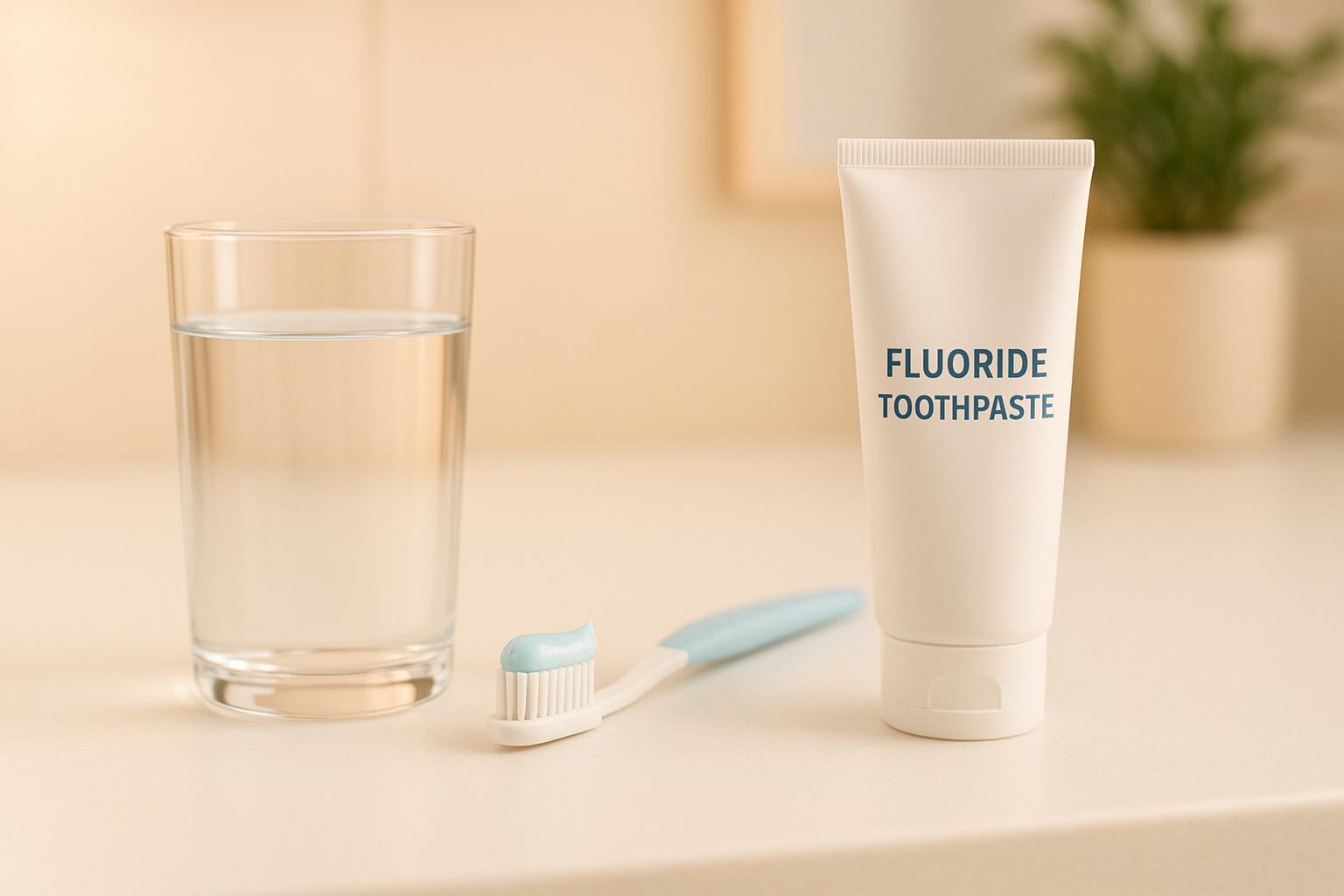
Fluoride is essential for protecting your teeth, especially as you age. It strengthens enamel, repairs early decay, and fights harmful bacteria. For seniors, fluoride becomes even more important due to challenges like gum recession, dry mouth, and exposed roots, which increase the risk of decay.
Here’s how fluoride helps:
- Strengthens enamel: Fluoride forms harder crystals (fluorapatite) that resist acid better than natural enamel.
- Repairs early decay: It promotes remineralisation by attracting calcium and phosphate to weak spots.
- Protects roots: Exposed roots (dentine) are softer and decay faster, but fluoride helps reinforce them.
- Fights bacteria: Fluoride reduces acid production by harmful bacteria like Streptococcus mutans.
Seniors can access fluoride through:
- Toothpaste and mouthwash: Affordable, daily options with 1,000–5,000 ppm fluoride.
- Professional treatments: Varnishes or gels applied by dentists for high-risk cases.
- Fluoridated water: A free, everyday source available in many Australian communities.
To maximise fluoride’s benefits, brush twice daily with fluoride toothpaste, avoid rinsing immediately after brushing, and consult your dentist for tailored advice. Regular fluoride use not only prevents cavities but also supports overall oral health, helping seniors maintain their natural teeth and quality of life.
The Battle Against Root Caries: High Fluoride Toothpaste vs. Standard
How Fluoride Stops Tooth Decay
Fluoride is a key thing that keeps teeth safe, helping fight off tooth decay. Here’s how it makes teeth strong and fights bad germs, which is very important for older people.
How Fluoride Makes Tooth Enamel and Root Surfaces Strong
Fluoride is crucial for fixing and making tooth enamel strong. It pulls calcium and phosphate from your spit, making hard crystals called fluorapatite. These crystals are stronger than the natural stuff in enamel, giving better cover against acid wear. Even better, fluoride can fix early tooth decay before it turns into big holes.
For older people, this is very important. As gums pull back with age, they show the softer root parts (dentine), which can decay fast. Fluoride helps fix these weak spots, making them less sensitive and cutting down on the risk of root decay.
Big fluoride fixes, like 5% sodium fluoride varnish or 38% silver diamine fluoride (SDF), give extra help and fix for enamel and open roots.
How Fluoride Lowers Harmful Germs in the Mouth
Fluoride goes after decay-making germs, like Streptococcus mutans. It messes with their eating ways, making it hard for them to turn sugar into tooth-hurting acids. With fewer acid hits, teeth can fix themselves more easily through natural hardness coming back.
This germ-fighting move is super helpful for older people, who might deal with dry mouth and less spit – natural blocks against bad germs. Using fluoride, in toothpaste, mouthwash, or through big fixes, helps keep mouths healthy.
In places with just-right fluoride water, the mix of strong enamel and fewer bad germs helps keep teeth safe from decay for a long time.
Where Seniors Can Get Fluoride
Fluoride’s ability to help prevent tooth decay makes it an essential part of dental care, especially for seniors. Fortunately, there are several convenient ways to incorporate fluoride into daily routines, each offering enamel-strengthening and bacteria-reducing benefits.
Fluoride Toothpaste and Mouthwash
Fluoride toothpaste and mouthwash are simple yet effective tools for maintaining oral health. Most Australian pharmacies and supermarkets stock toothpaste with at least 1,000 ppm (parts per million) fluoride, priced between AUD $3 and $12. Seniors at higher risk of tooth decay might benefit from prescription-only high-strength fluoride toothpaste, which contains up to 5,000 ppm fluoride.
Fluoride mouthwash, typically containing 225–900 ppm fluoride and costing around AUD $5–$15, is another excellent option. It helps maintain fluoride levels in saliva throughout the day, which is especially helpful for those with dry mouth or exposed root surfaces. For maximum protection, seniors should brush twice daily with fluoride toothpaste and avoid rinsing with water immediately after brushing to allow fluoride to remain on the teeth longer.
Professional Fluoride Treatments at the Dentist
For a more concentrated approach, professional fluoride treatments offer powerful protection. These treatments, often applied as varnishes containing 12,300–22,600 ppm fluoride during dental visits, provide rapid reinforcement against decay. Research indicates that these treatments can reduce new cavities by about 30% in older adults[1][4].
Dental clinics like Complete Smiles Bella Vista include these treatments as part of their senior care programs. Dr. James Hanna and his team customise fluoride applications based on individual needs, particularly for seniors with exposed roots, frequent decay, or difficulty maintaining regular oral hygiene. These treatments are a cost-effective alternative to more invasive procedures like fillings.
Fluoridated Drinking Water
In many Australian communities, tap water is fluoridated to an optimal level of 0.6–1.1 ppm fluoride. This low-level exposure supports ongoing remineralisation and has been linked to a 25% reduction in tooth decay across all age groups[5][6]. For seniors, drinking fluoridated tap water is a simple and cost-free way to maintain consistent fluoride levels throughout the day. This steady exposure complements other fluoride sources, such as toothpaste and professional treatments.
The table below provides a quick comparison of fluoride sources, their usage, and associated costs to highlight the variety of options available.
| Fluoride Source | Frequency | Fluoride Strength | Best For | Cost Range |
|---|---|---|---|---|
| Fluoride Toothpaste | Twice daily | 1,000–5,000 ppm | General use, high-risk seniors | AUD $3–$12 |
| Fluoride Mouthwash | Daily | 225–900 ppm | Dry mouth, extra protection | AUD $5–$15 |
| Professional Treatments | 2–4 times/year | 12,300–22,600 ppm | High-risk, exposed roots | Varies by clinic |
| Fluoridated Water | Continuous | 0.6–1.1 ppm | Baseline protection for everyone | No additional cost |
sbb-itb-2be92ed
How to Use Fluoride Safely and Effectively
To get the best out of fluoride, it’s important to use it correctly and follow safety guidelines. For seniors, this means balancing proper dosage, timing, and seeking professional advice. By doing so, they can protect their teeth from decay while minimising any risks. Let’s explore some practical ways to make fluoride a part of daily dental care.
Daily Fluoride Use for Dental Care
Using fluoride effectively isn’t just about picking the right product – it’s about how and when you use it. Seniors should brush their teeth twice daily with a fluoride toothpaste. Use a pea-sized amount, and brush for at least two minutes each time[2]. After brushing, avoid rinsing with water so the fluoride has more time to work on your teeth[2].
For those at higher risk of tooth decay – like individuals with dry mouth, exposed roots, or medications that reduce saliva flow – adding a fluoride mouthwash once a day can help[2]. To maximise its benefits, use the mouthwash at a different time than brushing. This ensures fluoride is working throughout the day.
Some seniors may require more personalised fluoride plans. Tailored regimens based on specific risk factors have been shown to reduce decay effectively.
Getting Professional Advice for Your Fluoride Needs
A personalised approach is key to making fluoride work for you. Dentists assess factors like medication use, medical conditions, and previous dental work to recommend the most effective fluoride strategies[1]. Regular check-ups – ideally every six months or as advised – are crucial for monitoring oral health and adjusting fluoride routines as needed[1].
Professional fluoride treatments, such as varnishes, gels, or foams, are especially beneficial for seniors with higher decay risks. These treatments provide a concentrated dose of fluoride directly to the teeth, helping to strengthen them and protect against decay. This is particularly useful for those with exposed roots or existing dental restorations.
Specialist clinics, such as Complete Smiles Bella Vista, offer tailored fluoride strategies based on thorough oral health assessments.
Fluoride Dosage and Safety Guidelines
Once you’ve established a daily routine and consulted a dentist, it’s important to stick to recommended fluoride dosages. Using the right amount ensures your teeth are protected without unwanted side effects. For adults, Australian guidelines recommend fluoride toothpaste containing 1,000–1,500 ppm[2]. Additionally, most Australian community water supplies maintain fluoride levels between 0.6–1.1 mg/L, which is both safe and effective for preventing tooth decay[4].
Excessive fluoride exposure can lead to dental fluorosis, but this condition is rare in seniors and usually affects developing teeth[3]. Other minor side effects, like mild stomach upset, can occur if large amounts are ingested. To avoid this, seniors should use fluoride products as directed and avoid swallowing toothpaste or mouthwash[2][3].
| Risk Factor | Recommended Action | Fluoride Consideration |
|---|---|---|
| Frequent cavities | Professional assessment | Use high-strength toothpaste as advised |
| Dry mouth | Additional fluoride exposure | Consider mouthwash and professional treatments |
| Exposed roots | Enhanced protection needed | Professional varnish applications |
| Normal risk | Standard prevention | Regular fluoride toothpaste (1,000–1,500 ppm) |
For seniors taking medications that reduce saliva production, fluoride use requires extra care. Saliva plays a key role in protecting teeth, so a dry mouth (xerostomia) increases the risk of decay. Using fluoride toothpaste and incorporating additional treatments like mouth rinses or professional applications can help. Dentists can recommend products specifically designed for these conditions, ensuring effective protection tailored to individual needs.
Conclusion: Fluoride’s Role in Senior Oral Health
Fluoride plays a key role in preventing tooth decay for seniors, thanks to its ability to strengthen enamel and combat harmful bacteria. Studies reveal that fluoride treatments can reduce cavities by 20–60%, while water fluoridation lowers decay rates by about 25% [1][5].
For seniors, fluoride becomes even more important as they face unique oral health challenges like gum recession, dry mouth caused by medications, and reduced dexterity. By encouraging remineralisation, fluoride enhances the teeth’s defence against acid attacks, which is especially crucial for preventing root caries – a common issue in older adults.
To make the most of fluoride’s benefits, personalised professional care is essential. Dentists can evaluate individual risk factors, recommend the right fluoride treatments or products, and monitor progress to ensure safety and effectiveness. This tailored approach is particularly helpful for those dealing with dry mouth or exposed roots.
Regular fluoride use does more than just prevent cavities; it also helps maintain overall oral health, reducing the likelihood of needing complex dental procedures. Keeping natural teeth intact strengthens nutrition, supports clear speech, and boosts self-confidence – factors that significantly improve quality of life and independence for seniors.
Leading health organisations, including the ADA and CDC, advocate for fluoride use among adults and seniors. Whether through fluoridated toothpaste, professional treatments, or drinking fluoridated water, incorporating fluoride into daily dental care is a practical and effective way to maintain oral health well into later years.
FAQs
Why is fluoride especially important for preventing tooth decay in seniors?
Fluoride is essential for keeping teeth healthy and strong, and this becomes even more important as we get older. With age, gums may recede, exposing the softer root surfaces of teeth, which are more vulnerable to decay. On top of that, many seniors experience dry mouth due to medications, which can further increase the risk of cavities.
By strengthening tooth enamel and repairing early signs of decay, fluoride provides a vital defence against these issues. It also helps protect exposed root surfaces. Seniors can integrate fluoride into their dental routine by using fluoride toothpaste, mouth rinses, or opting for professional fluoride treatments during dental visits. Regular check-ups with a dental professional are key to maintaining healthy teeth and gums as we age.
How can seniors use fluoride toothpaste effectively to protect against tooth decay?
Fluoride toothpaste offers an easy and effective way for seniors to keep their teeth strong and healthy while lowering the risk of decay. For the best results, apply a pea-sized amount of toothpaste to a soft-bristled toothbrush and brush gently for at least two minutes, twice a day. Make sure to clean all tooth surfaces thoroughly, paying extra attention to areas near the gumline.
After brushing, avoid rinsing your mouth with water. Rinsing can remove the fluoride before it has a chance to protect and strengthen your enamel. Instead, simply spit out any excess toothpaste. Regular visits to the dentist are also important for tailored advice and to ensure your fluoride use is working effectively to support your oral health.
How can seniors use fluoride safely while managing dry mouth caused by medications?
Fluoride plays a key role in preventing tooth decay, but seniors who take medications that cause dry mouth need to be especially mindful. Dry mouth reduces saliva production, which is essential for protecting teeth. Combining fluoride use with ways to manage dryness can make a big difference in maintaining oral health.
For safe fluoride use, seniors can choose fluoride toothpaste or mouthwash specifically made for dry mouth. Staying hydrated, chewing sugar-free gum, or using saliva substitutes are also effective ways to counteract dryness. If you’re unsure which fluoride product is best or have concerns about how it might interact with your medications, it’s always a good idea to consult your dentist for advice tailored to your situation.
Related Blog Posts
- Fluoride Varnish in Preventive Dentistry
- How Fluoride Prevents Tooth Decay
- Top Benefits of Community Water Fluoridation
- Ultimate Guide to Toothpaste Ingredients
Important Notice: Any surgical or invasive procedure carries risks. Before proceeding, you should seek a second opinion from an appropriately qualified health practitioner.
Individual results may vary. The information provided in this article is for educational purposes only and does not constitute medical advice.
Checkout Related Blogs




Get in touch with us
For more information, call us now to start feeling better. Or fill the form below to make appointment
The Latest News from Complete Smiles
How to Clean Clear Plastic Retainers
Checklist for Choosing Wearable Dental Devices
Checklist for Choosing Cloud AI Platforms in Dentistry

Complete Smiles Bella VistaAccepts All Major Health Funds, Including





