




Advances in Laser Whitening Technology 2025
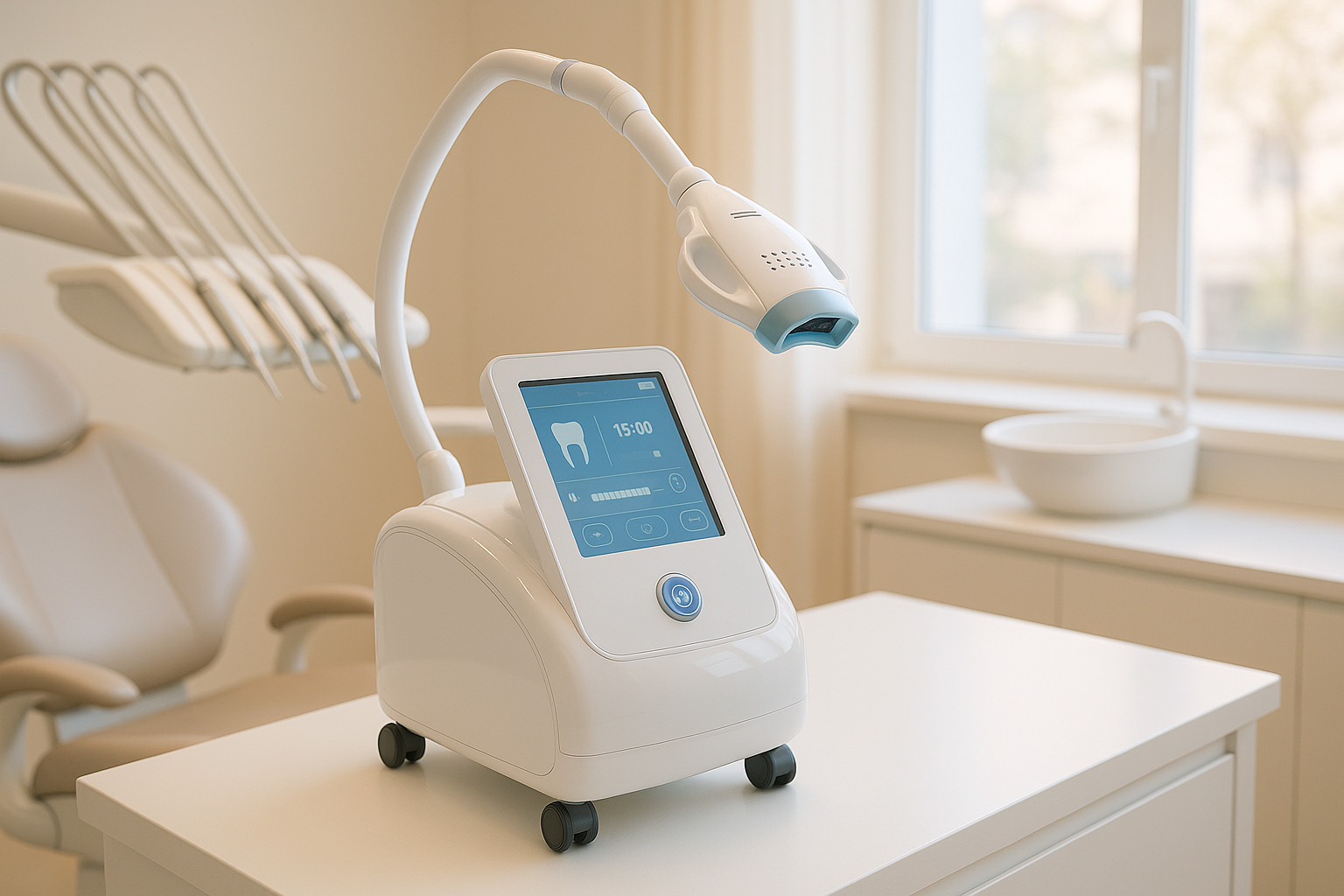
Laser teeth whitening in 2025 has become faster, safer, and more effective, thanks to advancements in precision lasers, AI-driven systems, and improved whitening gels. Here’s what you need to know:
- Immediate Results: A single session, lasting 1-2 hours, delivers noticeable whitening.
- Customised Treatments: AI systems adjust laser intensity based on tooth sensitivity and shade.
- Safety First: Modern procedures protect enamel and gums with advanced barriers and monitoring.
- Reduced Sensitivity: New gels and protocols minimise discomfort during and after treatment.
- Suitability: Best for individuals with healthy teeth and gums. Dental restorations like crowns won’t whiten.
Australia ensures strict safety standards for laser whitening, making it a reliable choice for brighter smiles. With ongoing research, future systems aim to offer even more precise and comfortable solutions.
Laser Teeth Whitening: The Safe and Effective Way to Whiten Your Teeth
New Developments in Laser Whitening Technology
Laser teeth whitening has seen some exciting progress, particularly with the introduction of AI-driven smart energy control systems. These advancements aim to improve both the effectiveness of treatments and the comfort of patients.
Smart Energy Control Systems
According to Varni Dental, as of 2025, whitening systems now feature AI-powered, light-activated controls. These systems can automatically adjust the intensity and duration of whitening sessions based on factors like enamel sensitivity and the current shade of the teeth. This not only helps minimise discomfort but also ensures better whitening results [1].
How Well Laser Whitening Works and Safety
Laser whitening has come a long way, offering improved results with fewer risks compared to older methods. Advances in technology have made treatments more effective while addressing concerns like tooth sensitivity and enamel protection.
Treatment Results
Modern laser whitening systems can achieve a noticeable improvement in tooth shade in just one session. With better formulations and precise energy delivery, the procedure is now faster and more efficient, often reducing the time spent in the dentist’s chair. Following the treatment, proper care – like using recommended oral hygiene products – can help maintain the brighter results for longer. Additionally, updated protocols for managing sensitivity ensure a more comfortable experience.
Controlling Sensitivity During and After Treatment
To minimise discomfort, newer procedures start with low energy settings and gradually increase based on feedback during the session. Desensitising gels with fluoride and other remineralising agents are applied to restore minerals in the enamel and reduce sensitivity. Dentists also prepare teeth beforehand with conditioning agents and recommend specialised toothpastes post-treatment to continue supporting enamel health and comfort.
Enamel and Gum Safety
Safety measures have advanced alongside effectiveness. Light-cured resins are now used to protect the gum line during treatment, shielding soft tissues while ensuring precise laser application. Studies show that modern laser whitening only causes minimal, surface-level changes to enamel without significant mineral loss. Many systems also include features like temperature monitoring and tissue sensors to adjust or pause the procedure if necessary. Thorough pre-treatment evaluations – checking for factors like enamel thickness, existing dental work, and gum health – are key to ensuring a safe and successful outcome. By focusing on both results and patient comfort, these innovations make laser whitening a more reliable and patient-friendly option.
sbb-itb-2be92ed
Clinical Use and Patient Factors
For laser whitening to be both safe and effective, it’s essential to work with patients who have excellent oral health. This means healthy gums, strong teeth, and no untreated dental issues. Meeting these conditions helps ensure the treatment delivers the best possible results while minimising risks.
Best Candidates and Treatment Limits
Patients with healthy teeth and gums typically see the best results from laser whitening. However, it’s important to know that dental restorations – like crowns, fillings, and veneers – won’t respond to the whitening process. These materials will stay the same colour, which could affect the overall appearance if they’re visible.
Safety Precautions and When Not to Use
Safety is a top priority for laser whitening. Any active dental problems, such as cavities or gum disease, must be treated before starting the procedure. Addressing these issues first not only ensures a safer experience but also improves the likelihood of a successful outcome.
What’s Next for Laser Whitening Technology
The future of laser whitening is all about making treatments more effective, comfortable, and accessible. Researchers are working on new advancements that could significantly improve how laser whitening works, building on the progress already made in this field.
Smarter Laser Systems
Next-generation laser systems are focusing on fine-tuning energy delivery and temperature control. These systems aim to adjust output in real time, ensuring treatments are both effective and safe. Some designs are even exploring ways to customise beam profiles to match the unique shape and structure of each tooth, adding a level of precision that could make a big difference in results.
Improved Whitening Gels
The development of new whitening gels is shifting away from traditional peroxide-based formulas. These new options focus on balancing powerful stain removal with reduced sensitivity. By incorporating additives that support enamel and improving pH stability, these gels aim to offer a gentler yet effective whitening experience.
Role of AI and Digital Tools
Artificial intelligence and advanced imaging technologies are stepping into the world of laser whitening. These tools help by analysing the extent of discolouration, tracking progress during treatments, and customising treatment plans for each individual. This level of precision could lead to more predictable and satisfying results for patients.
Summary and Main Points
As we look at laser teeth whitening in 2025, the advancements in technology and clinical practices have brought more precise, comfortable, and effective treatments to the forefront. Improved safety measures and precision tools have significantly enhanced patient outcomes.
Key Technology Improvements
The standout progress lies in advanced laser-gel systems that deliver better stain removal. With smart energy control technology, practitioners can now fine-tune laser energy to avoid overheating while achieving optimal whitening results.
New features like integrated temperature monitoring and smart energy control have also made treatments gentler on enamel and reduced post-treatment sensitivity – a common concern for patients.
Additionally, the development of improved gel formulations has complemented these laser advancements. These gels now offer better pH stability and include enamel-protective ingredients, working seamlessly with laser energy to enhance results.
Important Points for Patients
These innovations not only improve results but also prioritise patient safety and comfort. However, there are a few essential considerations:
- Professional Assessment: A thorough evaluation by a qualified dentist is crucial, as treatment suitability depends on individual dental conditions. In Australia, practitioners adhere to strict guidelines set by the Dental Board of Australia for cosmetic procedures.
- Managing Expectations: While the technology in 2025 offers impressive results, the level of whitening achievable varies from person to person. Factors such as natural tooth colour, age, and lifestyle habits play a significant role in the final outcome.
- Aftercare Matters: New aftercare protocols have been designed to maintain whitening results and protect enamel health. Patients are encouraged to follow these recommendations for lasting benefits.
Australian patients can also take comfort in the fact that all laser whitening equipment is subject to stringent safety standards under the country’s regulatory framework. This oversight ensures treatments are both safe and effective, giving patients confidence in their decisions.
Lastly, digital treatment planning has revolutionised the process by tailoring procedures to each patient’s unique dental anatomy, ensuring these technological advancements benefit everyone.
FAQs
How is AI improving the safety and results of laser teeth whitening in 2025?
In 2025, AI technology is transforming the way laser teeth whitening works, making it safer and more efficient. By using AI to carefully control the activation of bleaching agents, treatments now produce less heat, which helps minimise sensitivity and makes the process much more comfortable for patients.
What’s more, AI-driven diagnostics and treatment planning are allowing for procedures to be customised to suit each person’s unique dental needs. This personalised approach not only delivers better whitening results but also lowers the chances of complications, making the treatment safer and more dependable for all.
Who is a good candidate for laser teeth whitening?
Laser teeth whitening works best for those with healthy teeth and gums, free from issues like tooth decay, gum disease, or severe enamel erosion. These conditions can affect both the safety and results of the procedure.
If your teeth have extrinsic stains – the kind caused by coffee, tea, wine, or smoking – you’re likely to see the most noticeable improvement. On the other hand, intrinsic stains, such as those from ageing or certain medications, may not respond as well. Keeping your oral health in check and having realistic expectations about the results are key to deciding if laser whitening is the right choice for you.
What are the best aftercare tips for maintaining laser teeth whitening results and protecting enamel health?
To keep your teeth sparkling after laser whitening and to protect your enamel, it’s essential to follow a few straightforward steps. For the first 48 hours, steer clear of foods and drinks that might stain your teeth – think coffee, tea, red wine, and dark sauces. During this period, your teeth are more prone to absorbing stains.
Stick to a solid oral hygiene routine by brushing twice a day with fluoride toothpaste and flossing regularly. If you’re experiencing sensitivity after the treatment, switching to a toothpaste made for sensitive teeth can help. Don’t forget to schedule regular dental check-ups and professional cleans to maintain both your whitening results and overall oral health.
It’s also wise to cut back on habits that lead to staining, like smoking. For drinks that could discolour your teeth, using a straw can make a difference. These small adjustments can go a long way in extending the effects of your whitening treatment while keeping your enamel healthy and strong.
Related Blog Posts
- Neurostimulation: Future of Dental Pain Relief
- AI Research in Oral Disease Detection: Key Findings
- AI vs. Traditional Methods: Impacted Teeth Detection
- Laser Dentistry for Pain Relief
Important Notice: Any surgical or invasive procedure carries risks. Before proceeding, you should seek a second opinion from an appropriately qualified health practitioner.
Individual results may vary. The information provided in this article is for educational purposes only and does not constitute medical advice.
Checkout Related Blogs


Get in touch with us
For more information, call us now to start feeling better. Or fill the form below to make appointment
The Latest News from Complete Smiles
How to Clean Clear Plastic Retainers
Checklist for Choosing Wearable Dental Devices
Checklist for Choosing Cloud AI Platforms in Dentistry
Complete Smiles Bella VistaAccepts All Major Health Funds, Including