





Guide to Adult Oral Health Education

Oral health isn’t just about brushing and flossing – it’s about understanding how your age, lifestyle, and health impact your teeth and gums. Poor oral hygiene can lead to serious health problems, including heart disease, diabetes complications, and respiratory infections. This guide covers key oral health risks, prevention strategies, and professional care tips tailored for adults.
Key Takeaways:
- Common Issues: Gum disease, tooth decay, oral cancer, dry mouth, and sensitivity are major concerns for adults.
- Health Links: Oral health affects overall health, including risks for cardiovascular disease and diabetes.
- Prevention: Brush twice daily with fluoride toothpaste, floss daily, and limit sugar and acidic foods.
- Professional Care: Regular dental check-ups help catch problems early and maintain long-term oral health.
- High-Risk Groups: Tailored care is essential for older adults, people with diabetes, and smokers.
Maintaining oral health requires daily care, smart lifestyle choices, and regular dental visits. Let’s explore how to keep your teeth and gums healthy at every stage of life.
Oral Health throughout the Life Course
Common Oral Health Problems in Adults
Oral health in adulthood comes with its own set of challenges, far beyond the cavities often associated with childhood. As we grow older, factors like hormonal shifts, medications, lifestyle habits, and underlying medical conditions can significantly impact the health of our teeth and gums. Your oral health often reflects your overall well-being. Below, we explore some key risk factors and how they connect to broader health concerns.
Main Risk Factors for Adults
Gum disease is one of the most common oral health problems among adults in Australia. It often progresses silently, beginning as gingivitis, which causes red, swollen, and bleeding gums. If untreated, it can advance to periodontitis, a more severe condition that damages the gums and underlying bone. Plaque buildup hardens into tartar, which can only be removed by a professional. The bacteria in tartar release toxins that inflame the gums, creating pockets between the teeth and gums where bacteria thrive, further worsening the condition.
Tooth decay in adults frequently occurs near the gum line or around older fillings. As gums naturally recede with age, the roots of teeth become exposed. These root surfaces lack the protective enamel layer, making them more vulnerable to decay.
Oral cancer is another serious concern. It can develop in any part of the mouth, and early detection is crucial for better treatment outcomes. Unfortunately, its early symptoms are often mistaken for minor issues, delaying diagnosis.
Dry mouth (xerostomia) is common, especially among Australians over 65. Reduced saliva production diminishes the mouth’s natural ability to cleanse itself, increasing the risk of tooth decay and other oral health issues.
Tooth sensitivity often stems from enamel erosion or gum recession. When the roots of teeth are exposed, they can become sensitive to hot or cold foods, drinks, or even air. This discomfort warrants professional attention.
How Oral Health Affects Your Body
The conditions mentioned above don’t just stay confined to the mouth – they can have far-reaching effects on overall health. The mouth serves as a gateway to the respiratory and digestive systems, and bacteria from oral infections can spread throughout the body, especially when the immune system is compromised.
Cardiovascular disease has been linked to gum disease. Bacteria from inflamed gums can enter the bloodstream and contribute to the formation of arterial plaques. While the exact mechanisms are still being studied, research consistently shows a connection between severe gum disease and a higher risk of heart attacks and strokes.
Diabetes and oral health have a two-way relationship. People with diabetes are more susceptible to gum disease due to reduced infection resistance and slower healing. Conversely, severe gum disease can make it harder to control blood sugar levels.
Respiratory infections can result from inhaling bacteria from the mouth into the lungs. This is especially concerning for older adults or those with weakened immune systems, as it can lead to conditions like pneumonia or chronic obstructive pulmonary disease (COPD).
Pregnancy complications also highlight the importance of oral health. Hormonal changes during pregnancy can make gums more prone to inflammation. Women with gum disease may face a higher risk of complications such as premature birth or low birth weight.
Chronic inflammation caused by gum disease isn’t limited to the mouth. It can contribute to systemic inflammation, which has been associated with conditions like rheumatoid arthritis, certain cancers, and Alzheimer’s disease.
Lifestyle Factors Affecting Oral Health
Daily habits can significantly influence oral health, for better or worse.
Smoking is one of the most harmful habits for your mouth. Tobacco use increases the risk of gum disease, oral cancer, tooth loss, and complications during dental treatments. Smokers are also more likely to experience tartar buildup, slower healing, and persistent bad breath.
Alcohol consumption can also take a toll. Acidic alcoholic beverages can erode tooth enamel, and heavy drinking – especially when combined with smoking – further raises the risk of oral cancer. Alcohol may also reduce saliva production, leading to dry mouth and creating conditions that support harmful bacteria.
Dietary choices play a huge role in oral health. Diets high in processed foods and sugary drinks fuel the growth of bacteria that cause decay. Frequent snacking on carbohydrate-rich foods provides a constant supply of food for these bacteria, weakening teeth over time.
Stress can lead to teeth grinding (bruxism), which wears down enamel and strains the jaw. Stress also weakens the immune system, making it harder to fight off oral infections.
Medications often come with side effects that impact oral health. Many, such as antihistamines, decongestants, and painkillers, cause dry mouth. Others, like blood thinners, may increase bleeding during dental procedures, while some can lead to gum overgrowth or changes in taste.
Hormonal changes, particularly in women, can also influence oral health. Fluctuations during menstruation, pregnancy, and menopause can temporarily increase gum sensitivity and inflammation. During menopause, reduced oestrogen levels may lead to bone loss in the jaw, potentially affecting tooth stability.
These factors show that oral health is deeply intertwined with overall health. Maintaining a healthy mouth requires more than just brushing and flossing – it involves understanding how your lifestyle, medical history, and habits shape your oral health. Tailoring your care routine to address these factors can make a significant difference in your overall well-being.
Prevention Strategies for Oral Health
Taking care of your oral health is all about prevention. While there are risk factors to consider, many oral health problems can be avoided with the right habits and choices. By sticking to a solid daily routine, making smart lifestyle adjustments, and taking extra precautions if you’re in a high-risk group, you can significantly reduce the chances of facing serious dental issues. These steps build on the risk factors we’ve already covered, giving you a way to take control of your oral health.
Daily Oral Care Routine
A consistent daily routine is your first line of defence against oral health problems. Start with brushing your teeth twice a day – after breakfast and before bed. Use a soft-bristled toothbrush with fluoride toothpaste to clean your teeth and gums effectively. Remember to replace your toothbrush every three to four months, or sooner if the bristles are worn out.
Fluoride is key for strengthening enamel and reversing early decay. If your local water supply isn’t fluoridated, talk to your dentist about fluoride supplements.
Flossing every day helps remove plaque and food particles from areas your toothbrush can’t reach, reducing the risk of gum disease. If traditional flossing feels tricky, try alternatives like interdental brushes, water flossers, or floss picks.
Using an antimicrobial mouthwash can help reduce bacteria, but it’s important to note that it doesn’t replace brushing and flossing.
After consuming acidic foods or drinks, wait 30–60 minutes before brushing your teeth. Brushing too soon can damage enamel softened by the acid.
Diet and Lifestyle Changes
What you eat and how you live play a major role in your oral health. Cutting back on sugar is one of the most impactful changes you can make. Bacteria thrive on sugars and starches, producing acids that erode tooth enamel. Try to limit sugary treats to mealtimes to minimise damage.
Acidic drinks like soft drinks, fruit juices, and even sparkling water can weaken enamel over time. Using a straw can reduce direct contact with your teeth, and rinsing with water afterward can help. While coffee and tea are less acidic, they can stain your teeth – adding milk may help neutralise some of the acidity.
Incorporate calcium-rich foods like dairy products, leafy greens, and almonds into your diet to strengthen teeth and bones. Crunchy fruits and vegetables, such as apples, carrots, and celery, can naturally clean your teeth and stimulate saliva production, which helps neutralise acids and wash away debris.
If you smoke, quitting is one of the best decisions you can make for your oral health. Smoking increases the risk of gum disease, oral cancer, and tooth loss, while also complicating dental treatments. For help quitting, reach out to your GP or contact the Australian Government’s Quitline at 13 78 48.
Reducing alcohol consumption is another positive step. Heavy drinking, especially when combined with smoking, can significantly raise the risk of oral cancer. Alcoholic beverages are often acidic and can lead to enamel erosion and dry mouth.
These changes are especially important if you have additional risk factors like diabetes or are older.
Extra Protection for High-Risk Groups
If you’re in a high-risk group, it’s crucial to tailor your oral care routine to your specific needs. For instance, people with diabetes face a higher risk of gum disease and other oral health issues.
For those with diabetes, managing blood sugar levels is essential. Keeping your HbA1c level below 7% can greatly lower your risk of complications [2]. Make sure your dentist is aware of your medical history, including your HbA1c levels, any history of low blood sugar, and your current medications, so they can personalise your care [2].
People with diabetes should prioritise oral hygiene by brushing after every meal with an extra-soft toothbrush. Healing may take longer, and gums can be more sensitive, so extra care is needed [2][3]. Be alert to signs of oral problems, such as swollen gums, loose teeth, unusual pain, or difficulty chewing [1].
For smokers with diabetes, the risks are even higher. This combination can increase the likelihood of developing thrush and severe gum disease by up to 20 times [2]. Smoking and diabetes together can reduce blood flow to the gums and weaken the immune system, making it harder to fight infections.
Older adults often face unique challenges like dry mouth caused by medications, which can increase the risk of decay and gum disease. If you wear dentures, clean them daily and remove them overnight [2]. If you have braces and experience discomfort, contact your orthodontist promptly [2].
Regular dental check-ups are especially important for high-risk groups. For example, people with diabetes should see their dentist at least once a year, or more often if recommended [1][2]. Before undergoing periodontal treatments or oral surgery, consult your doctor to determine if you need antibiotics or adjustments to your medication or meal schedule [2].
Professional Dental Care
While daily oral care is essential, professional dental care plays a critical role in addressing issues that might not be visible or preventable through at-home routines. Regular visits to the dentist not only help catch potential problems early but also provide a much deeper clean than brushing and flossing can achieve. Plus, dentists offer tailored advice to improve your oral hygiene and overall dental health.
Even if you don’t notice any symptoms, regular check-ups are vital. Did you know that about one in three Australian adults have untreated tooth decay? [6] This highlights the importance of routine dental visits to prevent minor issues from turning into major problems.
What Happens During a Dental Check-Up
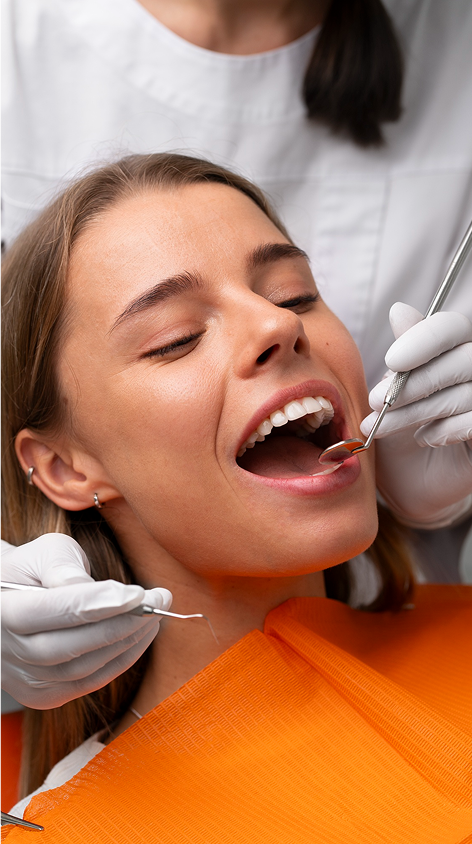
A dental check-up involves much more than just a quick glance at your teeth. Dentists carry out a full examination of your mouth, including your teeth, gums, tongue, and other soft tissues, to assess any changes since your last visit. Using specialised tools, they can detect early signs of cavities, gum disease, or alignment issues that might otherwise go unnoticed [4][5].
An essential part of this process is an oral cancer screening, where your dentist examines your lips, tongue, throat, and the inside of your mouth for unusual lumps, sores, or discolouration. Catching oral cancer early can dramatically improve treatment outcomes [4][5][6].
Your gum health is also checked by measuring pocket depths and looking for inflammation or bleeding – key indicators of gum disease. Professional cleaning is another important step in the visit, as it removes plaque, tartar, and stains that daily brushing and flossing often miss [5]. To round out the appointment, your dentist will offer personalised advice on brushing, flossing, and lifestyle habits that impact your oral health [4][5].
These regular evaluations are a proactive way to maintain good oral health and address any concerns before they escalate.
Benefits of Early Treatment
Once your dentist identifies a problem, acting quickly is crucial. Regular dental visits make it easier to address issues while they’re still manageable and less costly. For example, catching a small cavity early means it can be treated with a simple filling. Left untreated, that same cavity could lead to more invasive procedures like root canals or crowns.
Taking action early also helps preserve your natural teeth. Treating gum disease in its earliest stages can stop it from progressing to more severe forms that might result in tooth loss. Beyond oral health, regular dental visits can also reveal signs of conditions like diabetes, cardiovascular disease, or even Alzheimer’s, allowing for timely medical intervention [4][5][6].
For those who feel anxious about dental visits, regular check-ups can help ease that fear over time, creating a more positive experience [6].
Public vs Private Dental Care in Australia
When it comes to dental care in Australia, understanding the differences between public and private options is key to making informed choices. Here’s a quick comparison:
| Aspect | Public Dental Care | Private Dental Care |
|---|---|---|
| Cost | Free or subsidised for eligible patients | Costs borne by the patient, often with partial coverage through health insurance |
| Eligibility | Limited to concession card holders, children, and emergencies | Open to all patients |
| Waiting Times | Often lengthy for non-urgent care | Typically short, with appointments available quickly |
| Scope of Services | Basic treatments like check-ups and extractions | Includes routine, cosmetic, and specialist treatments |
| Choice of Dentist | Limited, assigned based on availability | Freedom to choose your preferred dentist |
| Appointment Flexibility | Less flexible scheduling | Options for evenings and weekends available |
Public dental services are a lifeline for many, offering essential care to eligible groups. However, the long waiting times for non-emergency treatments can be a drawback. If you qualify for public care, such as holding a concession card, you may access free or low-cost treatment.
Private dental care, on the other hand, provides faster access to a wide range of services. Many private clinics even offer gap-free check-ups for patients with suitable health fund coverage, making preventive care more accessible. For example, Complete Smiles Bella Vista (https://completesmilesbv.com.au) offers tailored dental care using advanced techniques, ensuring you receive the treatment you need promptly.
When deciding between public and private care, think about your budget, how quickly you need treatment, and your personal preferences. Some Australians choose to use both systems to balance cost and accessibility, ensuring they get the care they need when they need it.
sbb-itb-2be92ed
Treatment Options for Common Oral Problems
When oral health issues arise, knowing your treatment options can make a big difference in how you approach your care. Modern dentistry provides a range of treatments, from straightforward fixes to more advanced procedures, ensuring there’s a solution for both everyday and complex dental problems. These treatments go hand-in-hand with preventive strategies, stepping in when home care isn’t enough.
Managing Common Problems
Many common dental issues can be managed effectively with the right approach and ongoing care. For instance, tooth sensitivity – a frequent complaint – often improves with desensitising toothpastes containing fluoride or potassium nitrate. If the sensitivity is more severe, dentists can apply professional-strength fluoride or use dental bonding to shield exposed root surfaces.
Dry mouth, which is common among Australians taking certain medications or dealing with specific health conditions, can lead to increased tooth decay. Dentists may suggest prescription fluoride rinses to protect teeth when saliva production is reduced.
Chronic bad breath often requires a multi-faceted solution. Once medical causes are ruled out, treatment focuses on improving oral hygiene, addressing gum disease, and tackling bacterial imbalances. Professional cleaning paired with antimicrobial rinses can help manage this condition effectively.
Dental erosion, usually from acid exposure, requires both preventive and restorative care. Dentists might recommend fluoride treatments to strengthen enamel, dietary changes to minimise acid intake, or restorative options like bonding or crowns for more severe cases.
These treatments work best when paired with consistent oral hygiene and professional guidance. For more advanced cases, patients may need restorative or specialist care.
Restorative and Specialist Treatments
When dental problems go beyond what preventive care can handle, restorative and specialist treatments step in. Dental implants are a trusted solution for replacing missing teeth. This involves placing a titanium post into the jawbone, which fuses with the bone over a few months before attaching a crown. The result is a durable, long-term replacement for natural teeth.
Root canal therapy is another key treatment, used to save teeth with infected or severely damaged pulp. Modern techniques make this procedure both effective and comfortable. It involves removing the infected tissue, thoroughly cleaning the tooth, and sealing it to prevent further issues.
Dental crowns are a go-to option for teeth that are heavily damaged or weakened. These caps, often made from porcelain, ceramic, or metal alloys, cover the visible part of the tooth, offering both protection and a natural look. Crowns are commonly used after root canals or for teeth with large fillings that compromise their strength.
For cosmetic concerns like discolouration, chips, or slight misalignments, porcelain veneers provide a solution. These thin shells bond to the front of teeth, enhancing their appearance. Orthodontic treatments, such as traditional braces or clear aligners like Invisalign, are effective for bite correction and teeth straightening. Advances in orthodontics mean more discreet and tailored options, with treatment times varying based on individual needs.
For more complex dental issues, specialist care is often required.
Specialist Services in Australia
Understanding how specialist services are delivered locally is essential when seeking advanced dental care. In Australia, access to specialist services can depend on location, with urban areas typically offering a broader range of options. Many clinics now combine general and specialist care under one roof, making it easier for patients to access coordinated treatments.
Take Complete Smiles Bella Vista, for example. This practice, led by Dr. James Hanna, provides a wide range of services, from orthodontics and dental implants to cosmetic procedures, all with a focus on personalised care and advanced techniques.
When selecting a specialist, consider their qualifications, experience with your condition, and the technology available at their clinic. Many practices offer flexible payment options, with some providing financing up to AU$70,000 for extensive treatments, making care more accessible.
Emergency dental care is another important aspect to keep in mind. Dental emergencies can happen unexpectedly, and timely treatment can often save a tooth. Look for clinics that provide emergency appointments and have clear protocols for urgent cases.
Australia’s dental system includes both public and private care. While private clinics often offer quicker access and a wider range of treatments, public services focus on essential care for eligible patients. Specialist treatments may require multiple visits and healing periods, so your dentist will outline a detailed plan, including timelines, costs, and aftercare instructions. This reflects the diverse options available within Australia’s dental system, ensuring patients can find care suited to their needs.
Long-Term Oral Health Care
Taking care of your teeth and gums isn’t just about what you do today – it’s about building habits that last a lifetime. Long-term oral health care focuses on maintaining those preventive measures and treatments you’ve already started, ensuring they continue to protect your smile as your needs evolve. Regular dental check-ups and consistent oral hygiene routines are key to keeping your teeth and gums in good shape over the years.
Oral Care for Older Adults
As we get older, our oral health needs naturally change. Issues like reduced saliva production and gum recession can increase the risk of dental problems. Adjusting your oral care routine to address these changes – such as using toothpaste designed for sensitive gums or staying hydrated to combat dry mouth – can make a big difference. Regular dental visits become even more important to catch and address any new concerns early.
Education and Resources
Staying informed is just as important as brushing and flossing. Accessing trusted, evidence-based resources can help you make informed decisions about your oral health. In Australia, the Australian Dental Association offers patient education materials on everything from daily oral hygiene tips to more advanced dental treatments. These resources are a valuable complement to the guidance you get from your dentist.
For those who qualify, state and territory governments provide public dental services at little or no cost, making preventive care more accessible. To stay up to date, rely on credible sources like government websites and dental association platforms, which offer accurate information to support your long-term oral health journey.
Conclusion
Taking care of your oral health as an adult means sticking to a reliable routine, seeking professional help when needed, and adjusting your approach as life changes. Good oral health is a long-term commitment that thrives on daily habits, regular dental visits, and flexibility in your care plan.
Brushing daily with fluoride toothpaste, flossing, and making thoughtful food choices can prevent many common dental issues before they even begin. Visiting your dentist every six months ensures that any potential problems are caught early, making them easier – and often less costly – to address.
Whether you use public or private dental services in Australia, keeping up with regular professional care is key to preventing minor problems from escalating into major ones. This balanced approach allows your dental care to adapt to your unique and changing needs.
As you age, your oral care strategy should evolve. What worked in your twenties might not be as effective in your fifties or seventies. Factors like dry mouth, the side effects of medications, or reduced dexterity can all affect how you care for your teeth and gums. Adjusting your routine to meet these new challenges can help you maintain great oral health at every stage of life.
Oral health plays a big role in your overall wellbeing. By focusing on it today, you’re making an investment in your future health and quality of life.
The tools and support you need are readily available. From the Australian Dental Association’s educational resources to the advice and care offered at your local dentist, help is always within reach. Take control of your oral health now – your future self will thank you for it.
FAQs
How does my oral health affect my overall wellbeing, and what risks are linked to poor dental hygiene?
Your oral health is more connected to your general wellbeing than you might think. Neglecting dental hygiene doesn’t just affect your teeth and gums – it can also raise the risk of severe health problems like heart disease, diabetes, and respiratory infections. This happens because bacteria from your mouth can enter your bloodstream, potentially impacting other areas of your body. Beyond that, poor oral care can result in pain, infections, and a noticeable drop in your quality of life.
There’s even evidence linking poor oral health to conditions like dementia and some types of cancer. The good news? Simple habits like brushing, flossing, and seeing your dentist regularly can go a long way in reducing these risks and keeping your overall health in check.
What simple lifestyle changes can help improve my oral health and prevent dental problems?
Improving your oral health doesn’t require drastic measures – just a few practical changes to your daily routine. Start with your diet. Incorporate calcium-rich foods like leafy greens, dairy, and tofu, and aim for a balanced, low-sugar intake. Staying hydrated is equally important, so drink plenty of water and cut back on sugary beverages to help prevent tooth decay.
Oral hygiene habits play a huge role too. Brush your teeth twice a day for two minutes with fluoride toothpaste, and don’t skip flossing – it’s key to cleaning those hard-to-reach spots. Regular visits to the dentist, ideally every six to twelve months, ensure any potential problems are caught early. Also, steer clear of smoking and try to limit snacking between meals, as both can harm your teeth and gums over time.
These simple adjustments can go a long way in keeping your smile healthy and strong for years to come.
Am I at higher risk for oral health issues, and what can I do to protect my teeth and gums?
Certain groups in Australia face a greater risk of oral health problems. These include older adults, Indigenous Australians, individuals with disabilities or mental health conditions, people living in rural or low-income areas, and socially disadvantaged communities. Contributing factors often include limited access to dental care, higher rates of smoking, and diets rich in sugar.
To keep your teeth and gums healthy, focus on practising good oral hygiene. Brush twice daily using fluoride toothpaste, floss every day, and reduce your intake of sugary foods and drinks. Regular dental check-ups are also essential to catch and address issues early. If you belong to a higher-risk group, reaching out to a dental professional for personalised advice can go a long way in preventing potential oral health problems.
Related Blog Posts
- 5 Early Signs of Gum Disease
- Ultimate Guide to Oral Hygiene Maintenance
- 5 Tips for Managing Oral Ulcers with Diabetes
- How Diabetes Impacts Periodontal Health Over Time
Important Notice: Any surgical or invasive procedure carries risks. Before proceeding, you should seek a second opinion from an appropriately qualified health practitioner.
Individual results may vary. The information provided in this article is for educational purposes only and does not constitute medical advice.
Checkout Related Blogs




Get in touch with us
For more information, call us now to start feeling better. Or fill the form below to make appointment
The Latest News from Complete Smiles
How to Clean Clear Plastic Retainers
Checklist for Choosing Wearable Dental Devices
Checklist for Choosing Cloud AI Platforms in Dentistry
Complete Smiles Bella VistaAccepts All Major Health Funds, Including





