





How Diabetes Impacts Periodontal Health Over Time
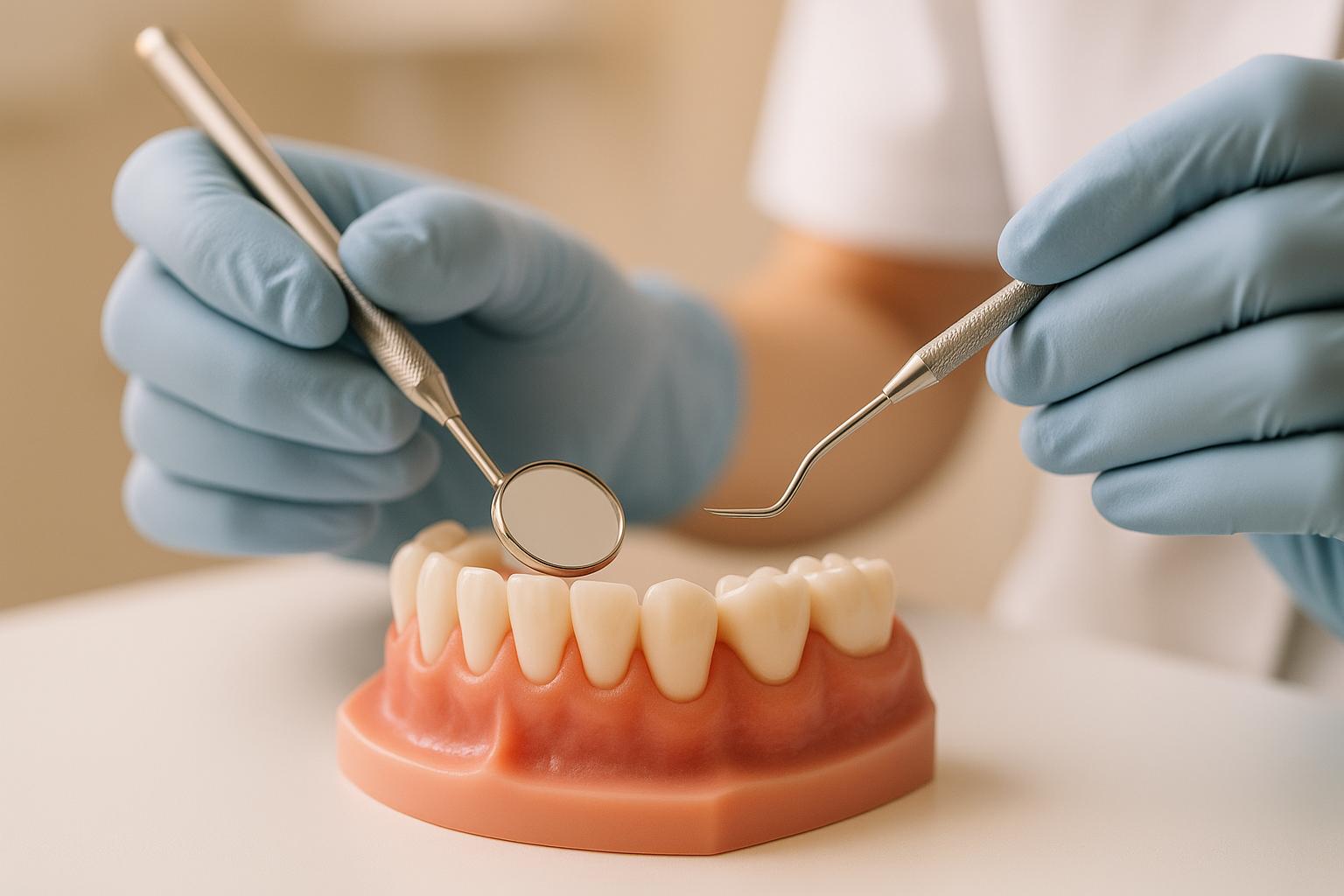
Diabetes and gum disease are closely linked, with each condition worsening the other. High blood sugar levels can lead to chronic inflammation, weakened immunity, and changes in mouth bacteria, all of which contribute to gum damage. At the same time, untreated gum disease can make diabetes harder to manage by interfering with blood sugar control.
Key Points:
- Diabetes effects on gums: High blood sugar causes chronic inflammation, delays healing, and alters bacteria in the mouth.
- Gum disease effects on diabetes: Gum infections increase systemic inflammation, making blood sugar management more difficult.
- Common problems: Gum recession, persistent bad breath, infections, and even tooth loss are more frequent in people with diabetes.
- Management tips: Regular dental visits, daily oral hygiene, stable blood sugar levels, and a healthy lifestyle can help protect oral health.
Why it matters: Poor oral health can lead to serious complications for people with diabetes, including tooth loss and worsening blood sugar control. Addressing both conditions together is essential for overall health and well-being.
Diabetes and periodontitis: The two way relationship
How Diabetes Damages Periodontal Health
Diabetes doesn’t just affect blood sugar levels – it also plays a significant role in oral health, particularly when it comes to your gums and the structures that support your teeth. By understanding how diabetes impacts these areas, we can better grasp why people with diabetes are more prone to severe gum disease. The damage stems from a combination of biological processes that work together to create serious oral health challenges.
High Blood Sugar and Inflammation
When blood sugar levels remain high, they trigger a chain reaction of problems in your mouth. One major issue is chronic inflammation. This happens because high blood sugar leads to the formation of harmful compounds called AGEs (advanced glycation end-products) and an overproduction of cytokines – proteins that play a role in inflammation. Together, these factors disrupt blood vessel function and slow down healing.
Inflammation in diabetic patients often becomes a long-term issue. Cytokines, which are supposed to help fight infections, go into overdrive. Instead of protecting your gums, this constant inflammatory response starts to damage them.
On top of that, blood vessels in the gums thicken, making it harder for nutrients to reach the tissues and for waste to be removed. This poor circulation creates the perfect conditions for infections to thrive. Over time, the inflammation weakens your gums’ ability to act as a barrier against bacteria. This can cause your gums to recede, forming deeper pockets where harmful bacteria can grow, setting the stage for more serious problems.
Weakened Immune System and Cell Damage
Diabetes also weakens your immune system, making it harder for your body to fight off infections. Neutrophils, a type of white blood cell responsible for attacking harmful bacteria, become less efficient at reaching infection sites and eliminating threats. This leaves your gums vulnerable.
High blood sugar also increases the production of free radicals – unstable molecules that damage cells. These free radicals overwhelm your body’s natural defences, leading to ongoing harm in your periodontal tissues.
The imbalance of inflammatory signals in diabetes further complicates things. Pro-inflammatory cytokines, such as interleukin-1 and tumour necrosis factor-alpha, remain elevated, while anti-inflammatory signals are suppressed. This disrupts healing and allows gum damage to progress unchecked.
Another issue is the impact on collagen, a protein essential for strong and healthy gums. Diabetes impairs collagen production and accelerates its breakdown, causing your periodontal tissues to lose their strength and resilience over time.
Changes in Mouth Bacteria
Diabetes also alters the bacterial environment in your mouth. Excess sugar in saliva provides fuel for harmful bacteria like Porphyromonas gingivalis, Tannerella forsythia, and Aggregatibacter actinomycetemcomitans. These bacteria release toxins and enzymes that directly harm gum tissues and the bone that supports your teeth.
Reduced saliva flow and changes in pH further weaken your mouth’s natural defences. This creates an environment where bacterial biofilms – sticky, toxin-producing communities – can thrive. In diabetic patients, these biofilms become tougher to remove with regular brushing and flossing. Over time, they produce more aggressive toxins and lead to deeper, harder-to-treat infections.
The shift in bacterial balance also disrupts your mouth’s healing processes. Beneficial bacteria that normally help maintain oral health are outnumbered by harmful species, making it even harder to keep your gums and teeth healthy.
Long-Term Periodontal Problems in Diabetic Patients
When diabetes is left unchecked, it can significantly worsen gum disease, leading to distinct periodontal issues. High blood sugar levels combined with chronic inflammation disrupt the body’s ability to heal and alter the balance of oral bacteria, setting the stage for serious dental complications.
Common Periodontal Issues
One major result of chronic inflammation is gum recession. As the gums pull back, teeth lose their stability, leading to gaps and looseness, which can make chewing uncomfortable and challenging[1][2][3].
Another warning sign is persistent bad breath, even with rigorous oral hygiene. This often points to deep periodontal infections. These infections thrive in pockets that form as gums recede, creating an ideal breeding ground for harmful bacteria[1][3].
Perhaps the most alarming consequence is damage to the jawbone. Infections and inflammation can cause the bone supporting the teeth to break down, leading to severe complications. For many, this results in tooth loss. In fact, about 25% of U.S. adults with diabetes aged 50 and older experience severe tooth loss, compared to just 16% of those without diabetes[1][2].
How to Manage Periodontal Health with Diabetes
Taking care of your gums when you have diabetes involves more than just brushing your teeth. It’s about combining consistent daily habits, regular dental visits, and keeping your blood sugar in check. By doing so, you can lower the risk of gum complications that often come with diabetes.
Regular Dental Care
Make it a point to visit your dentist every six months for check-ups and professional cleanings. These visits are crucial for removing tartar that brushing can’t tackle. Let your dentist know about your diabetes management – share details like your HbA1c levels, medications, and any recent changes in your condition. It’s also a good idea to have your dental and medical teams work together to ensure your treatments align.
Daily Oral Hygiene Practices
Good oral hygiene starts at home. Brush your teeth at least twice a day for two minutes each time, using fluoride toothpaste. Hold the toothbrush at a 45-degree angle to your gums to clean all surfaces effectively. Opt for a soft-bristled toothbrush to prevent gum irritation and replace it every three months.
Flossing is just as important. Use about 45 cm of floss, curve it around each tooth in a C shape, and gently clean along the gum line. If flossing is tricky, try interdental brushes or other specialised tools to reach those tight spaces your toothbrush might miss.
Diabetes can lead to dry mouth, which makes it harder to keep your mouth clean. To combat this, drink plenty of water throughout the day to wash away food particles and bacteria. Chewing sugar-free gum can also help stimulate saliva production. An antimicrobial or antiseptic mouthwash might be another good addition – ask your dentist which type suits you best. These small steps can go a long way in protecting your gums.
Lifestyle and Medical Management
Your lifestyle and medical choices play a huge role in keeping your oral health in check. Aim to maintain stable blood sugar levels, eat a diet rich in nutrients like vitamin C and omega-3 fatty acids, and quit smoking if you haven’t already – smoking significantly increases gum disease risks. Regular exercise and proper sleep can help manage stress, which also impacts your gum health.
When it comes to food, focus on a balanced diet that supports both your gums and your overall health. Manage your carbohydrate intake to keep blood sugar stable and cut back on sugary snacks and drinks, as they can feed harmful bacteria in your mouth.
Lastly, stay in touch with all your healthcare providers. Some medications or dental treatments might temporarily affect your blood sugar, so keeping everyone informed ensures your care is well-coordinated. By integrating your diabetes and oral health management, you’re setting yourself up for better overall health.
sbb-itb-2be92ed
Risk Factors for Periodontal Disease in Diabetic Patients
Diabetes significantly raises the risk of gum disease, and understanding the specific factors that contribute to this can help in managing and preventing periodontal complications. Identifying these risks allows for more effective prevention strategies tailored to individual needs.
Main Risk Factors
- Poor blood sugar control: High blood sugar levels create an environment where harmful bacteria thrive, while also impairing the body’s ability to heal. Keeping blood glucose levels well-managed is essential for reducing this risk.
- Age: As people age, their immune systems may weaken. This can make it harder to manage blood sugar fluctuations and fight off oral infections, increasing the likelihood of gum disease.
- Smoking: Tobacco use is a significant risk factor. It reduces blood flow to the gums and slows down healing, which compounds the negative effects of diabetes on gum health. Smokers with diabetes are more likely to experience severe gum inflammation and delayed recovery.
- Duration of diabetes: The longer someone has diabetes, the greater the risk of periodontal issues. Prolonged periods of blood sugar imbalance can lead to more advanced gum conditions over time.
- Genetic predisposition: Genetic variations in immune response can make some individuals more prone to both diabetes complications and gum disease.
- Medication side effects: Certain medications used to manage diabetes or other conditions may cause dry mouth or alter gum tissue, indirectly increasing the risk of periodontal disease.
Prevention and Early Treatment
Recognising these risk factors early is crucial for timely intervention. Regular professional assessments can help identify potential issues before they progress, allowing for customised prevention strategies.
For those at higher risk, prevention plans might include more frequent dental visits. If you notice signs like bleeding gums, persistent bad breath, or gum recession, seek dental advice promptly.
Collaboration between dental and medical professionals is key. By aligning treatment plans, healthcare providers can better address both diabetes management and gum health. Advances in diagnostic tools also make early detection of gum disease more accessible, often identifying problems before symptoms become noticeable.
Proactively addressing these risk factors can help maintain healthier gums and reduce the chances of developing severe periodontal disease.
Professional Dental Care for Diabetic Patients
Managing oral health as a diabetic patient requires more than just routine dental visits. The connection between diabetes and gum disease means that professional care must address both conditions together. Dental professionals with expertise in this area can offer treatments tailored to the unique needs of diabetic patients, helping to manage periodontal health effectively.
The success of such care often depends on close collaboration between your dentist and your medical team. This teamwork ensures that dental treatments align with your diabetes management plan, resulting in better outcomes for both your oral health and overall well-being. Below, we’ll explore how customised periodontal treatments play a key role in this process.
Customised Periodontal Treatment
For diabetic patients, periodontal care must take into account factors like blood sugar control, the effects of medications, and the body’s ability to heal. These considerations shape personalised treatment plans that go beyond standard dental care.
Non-surgical options like scaling and root planing are often the first step. These procedures, designed to remove bacteria below the gum line, may need to be scheduled more frequently than routine cleanings. The timing of these treatments often depends on how well the patient’s diabetes is controlled and how quickly their gums heal.
In cases of advanced gum disease, more intensive treatments might be necessary. For example, antimicrobial therapy involves placing antibiotics directly into gum pockets to target harmful bacteria. Some practices also offer laser therapy, which can reduce bacteria and encourage healing with minimal discomfort.
At Complete Smiles Bella Vista, Dr James Hanna and his team specialise in integrating periodontal care with diabetes management. Their approach includes advanced cleaning techniques, antimicrobial treatments, and regular monitoring. Another key focus is patient education, which empowers individuals to understand how diabetes affects their gums and what they can do to maintain oral health between visits. This knowledge is essential for achieving long-term results.
Modern Dental Treatment Methods
In addition to tailored care, modern dental technologies are transforming how periodontal treatment is delivered to diabetic patients. These advancements make treatments more precise, comfortable, and effective.
Digital imaging systems and advanced periodontal probing tools help detect early signs of gum disease and monitor progress throughout treatment. Laser therapy offers a minimally invasive way to remove infected tissue and promote healing, often leading to quicker recovery times compared to traditional surgical methods. This precision is especially important for diabetic patients, who may have slower healing processes.
Antimicrobial treatments have also seen significant progress. Today’s targeted delivery systems ensure that medication reaches the areas where it’s needed most, helping to control bacterial infections that can be harder to manage in diabetic patients with weakened immune systems.
Maintaining Oral Health with Diabetes
Taking care of your oral health when living with diabetes calls for a combined effort involving daily self-care, regular dental visits, and managing your blood sugar effectively. Since blood sugar levels and gum health are closely linked, neglecting one can quickly have a negative effect on the other. Here’s how you can stay on top of both.
Daily oral hygiene plays a big role in keeping your gums healthy. Make it a habit to brush twice a day using fluoride toothpaste, floss regularly, and rinse with an antimicrobial mouthwash to keep bacteria in check. Keeping your blood sugar levels stable not only supports your overall health but also helps your gums heal better and lowers the risk of infections. Collaborating with your healthcare team to manage your diabetes can directly improve your oral health outcomes.
Regular dental check-ups are another important step. These visits can help detect gum disease early, allowing for timely treatment. Advances like laser therapy and targeted antimicrobial treatments provide effective ways to address gum issues in people with diabetes.
It’s important to understand that the connection between diabetes and gum health goes both ways. While diabetes can worsen gum disease, untreated gum issues can, in turn, make it harder to manage blood sugar levels.
Prevention is your best defence. Simple steps like maintaining a consistent oral hygiene routine, managing your diabetes, avoiding tobacco, eating a balanced diet, and staying hydrated can lower your chances of serious gum problems. And if issues do crop up, addressing them early with professional dental care can stop them from escalating into more severe complications that impact both your oral health and overall wellbeing.
FAQs
How does managing my blood sugar levels help protect my gums if I have diabetes?
Keeping your blood sugar in check plays a big role in protecting your gum health, particularly if you’re managing diabetes. When blood sugar levels run high, it can lead to more inflammation and create an ideal environment for bacteria to thrive in your mouth – both factors that contribute to gum disease. By keeping your glucose levels under control, you give your immune system a better chance to fight off infections, lowering the risk of gum issues and promoting better oral health overall.
Managing your blood sugar doesn’t just help your gums – it also helps prevent complications that could affect both your oral and general health. Alongside this, regular dental check-ups and sticking to good oral hygiene habits, like brushing and flossing every day, are essential for keeping your gums healthy when you’re living with diabetes.
What oral care habits can help people with diabetes protect their gums and teeth?
People with diabetes can take proactive steps to protect their oral health by sticking to a solid dental care routine. Start by brushing your teeth twice a day with fluoride toothpaste, and don’t forget to clean between your teeth daily using floss or interdental brushes. Be gentle, especially around the gums, to prevent irritation.
Keeping blood glucose levels in the recommended range (4–7 mmol/L) plays a key role too, as high blood sugar can make gum disease more likely. Regular dental check-ups – at least once a year – are just as important. These visits allow for professional cleaning and help keep an eye on your oral health. When paired with proper diabetes management, these habits can go a long way in lowering the chances of developing periodontal disease.
Why is collaboration between dental and medical teams essential for people with diabetes?
For people managing diabetes, teamwork between dental and medical professionals is crucial. Diabetes can significantly heighten the risk of periodontal disease, and the connection goes both ways – poor oral health can make blood sugar levels harder to control, while uncontrolled diabetes can speed up the progression of gum disease. By coordinating care, healthcare teams can help keep inflammation and infections in check, which not only supports oral health but also lowers the chances of complications like heart and kidney issues.
When your healthcare providers work together, they can develop a personalised plan to help regulate blood sugar levels while maintaining good oral health. This collaborative approach has been shown to improve outcomes for both diabetes management and gum health, contributing to a more balanced and healthier lifestyle.
Related Blog Posts
- Oral Health and Heart Disease: The Connection
- 5 Early Signs of Gum Disease
- 5 Tips for Managing Oral Ulcers with Diabetes
- Best Practices for Periodontal Care in Cardiac Patients
Important Notice: Any surgical or invasive procedure carries risks. Before proceeding, you should seek a second opinion from an appropriately qualified health practitioner.
Individual results may vary. The information provided in this article is for educational purposes only and does not constitute medical advice.
Checkout Related Blogs




Get in touch with us
For more information, call us now to start feeling better. Or fill the form below to make appointment
The Latest News from Complete Smiles
How to Clean Clear Plastic Retainers
Checklist for Choosing Wearable Dental Devices
Checklist for Choosing Cloud AI Platforms in Dentistry

Complete Smiles Bella VistaAccepts All Major Health Funds, Including





