




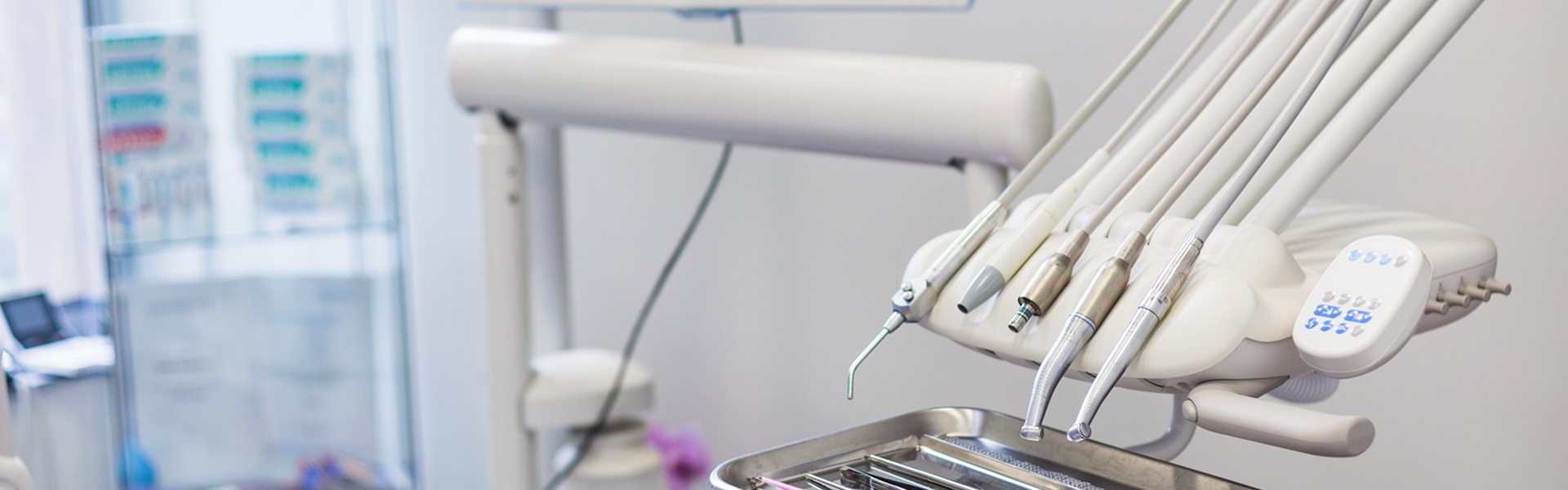
What Are Electronic Dental Anesthesia Systems?

Electronic Dental Anaesthesia (EDA) systems are a needle-free method for managing pain during dental procedures. They use low-frequency electrical impulses to block pain signals, making them a less intimidating option for patients who fear needles or are allergic to anaesthetics. EDA systems are particularly useful in paediatric dentistry and minor treatments like cleanings or cavity fillings, though they may not be effective for more complex procedures.
Key Points:
- How It Works: Electrical impulses disrupt pain signals using electrodes placed on the face or inside the mouth.
- Benefits: No needles, no drugs, immediate onset/offset of anaesthesia, and patient-controlled intensity.
- Limitations: Variable effectiveness, not suitable for complex treatments, requires training, and has contraindications (e.g., pacemaker users).
- Common Uses: Cleanings, fillings, paediatric care, and gum treatments.
- Challenges: High equipment costs, training needs, and limited scope for certain patients or procedures.
EDA systems are gaining traction in Australian dental clinics but are not yet a complete replacement for conventional anaesthesia methods.
How Electronic Dental Anaesthesia Systems Work
Parts of EDA Systems
At the heart of an Electronic Dental Anaesthesia (EDA) system is a portable, battery-powered unit designed to generate controlled electrical currents. These currents are carefully regulated through integrated circuits to produce specific frequencies and wave patterns that help manage pain.
"An EDA unit consists of a battery powered, portable device able to generate electric currents which transmit through subcutaneous tissues via electrodes (or pads). These electrodes or pads are attached to the area to be treated and block surrounding nerves or trunks, thereby preventing pain and associated anxiety." – Chunjie Li et al. [1]
The electrode system plays a key role, delivering the electrical stimulation directly to the treatment area. These electrodes ensure accurate targeting with minimal discomfort, making the process more effective for both patients and practitioners.
Another essential component is the control interface, which allows dental professionals to adjust the treatment settings. Parameters like frequency, wave patterns, and intensity levels can be customised based on the procedure and the patient’s needs. For example, lower frequencies (2–20 Hz) are often used for chronic pain, while higher frequencies are better suited for acute pain management [1]. Additionally, many EDA systems empower patients to adjust the anaesthesia level themselves, giving them a sense of control and helping to reduce anxiety during treatment [1].
These elements work together seamlessly, as explained further in the section on how EDA blocks pain.
How EDA Blocks Pain
EDA systems rely on two main mechanisms to manage pain effectively. The first is based on gate control theory. This theory suggests that non-painful electrical stimulation can "close the gates" to painful signals, preventing them from reaching the central nervous system.
"One is based on gate control theory, which is the idea that non‐painful input closes the ‘gates’ to painful input, which prevents the pain sensation from travelling to the central nervous system. The current generated by EDA devices constitutes the non‐painful input during the treatment." – Chunjie Li et al. [1]
The second mechanism involves stimulating the body’s natural painkillers – endogenous opioids. The electrical currents activate large-diameter nerve fibres, which, in turn, excite inhibitory cells. These cells block pain signals from reaching the brain, creating what is known as an antinociceptive effect. This process is further supported by inhibitory mechanisms originating from the brain stem [1].
Using EDA During Dental Treatments
Before using an EDA system, dental practitioners conduct a thorough pre-treatment assessment. This includes an oral examination and a review of the patient’s dental history to determine the best electrode placement and current settings for the procedure.
The electrodes are then positioned to target specific nerves or nerve trunks linked to the treatment area. This precise placement ensures effective pain management while keeping the patient comfortable.
One of the standout features of EDA systems is their flexibility. Practitioners can adjust the electrical stimulation in real time, making it suitable for a wide range of dental procedures – from routine cleanings to more complex restorative work.
Another major benefit is the reversibility of the anaesthesia. Unlike traditional local anaesthetics, where numbness can linger for hours, the effects of EDA stop immediately once the device is turned off [1].
Throughout the procedure, patient comfort is closely monitored. The built-in patient control feature allows individuals to adjust their anaesthesia levels as needed, making the experience less stressful and more manageable.
This level of precision and adaptability enhances patient comfort during various dental treatments, while also providing valuable insights into treatment outcomes.
Clinical Uses and Results
Dental Procedures That Use EDA
In Australian dental clinics, EDA systems are increasingly used to manage discomfort during a variety of dental treatments. These include routine cleanings, cavity fillings, paediatric dental care, and periodontal procedures. For example, EDA is often employed during scaling and root planing, cavity preparation, and filling placement. What makes it stand out is its ability to manage pain without the need for traditional injections.
This needle-free and non-invasive method is particularly beneficial for paediatric patients, helping to ease anxiety during minor procedures like sealant applications or small restorative treatments. Periodontal treatments, aimed at addressing gum discomfort, also utilise EDA to improve patient comfort. In some cases, it has even been considered for crown and bridge placements as well as minor oral surgeries. These diverse applications highlight its potential, though its effectiveness can vary depending on the procedure.
How Well EDA Works and Its Limits
EDA shows promise in managing pain for minor to moderate dental procedures, but its success depends on several factors. Clinical studies suggest it works effectively for shorter or less invasive treatments, where it can provide sufficient pain relief. However, for more complex or lengthy procedures, additional pain management methods might still be necessary. The accuracy of electrode placement also plays a key role in its effectiveness.
Patient responses to EDA can differ significantly based on individual pain thresholds, age, and other factors. While most adults respond positively to electrical stimulation, very young children and some elderly patients might require supplementary pain relief.
It’s also important to note that EDA isn’t suitable for everyone. Patients with pacemakers or certain neurological conditions may need alternative options for managing discomfort. Dentists must carefully evaluate each patient’s needs and medical history to determine whether EDA is an appropriate choice.
Benefits and Drawbacks of EDA Systems
Benefits of EDA
Electronic dental anaesthesia (EDA) systems bring several advantages to both dental professionals and patients in Australia. One of the standout benefits is their needle-free approach to managing pain. For patients who dread injections or struggle with dental anxiety, this feature helps eliminate the stress and discomfort commonly associated with traditional anaesthetic methods.
Another key advantage is the absence of pharmaceutical drugs. Unlike conventional anaesthetics, EDA doesn’t involve any medications, which means there’s no risk of allergic reactions or adverse side effects – a significant relief for patients with sensitivities or medical concerns.
EDA systems also allow for precise control of pain relief. Dentists can adjust the intensity of the electrical stimulation in real time, tailoring the experience to each patient’s comfort level. This level of customisation is difficult to achieve with traditional injections, which have a fixed effect.
One more notable benefit is the immediate onset and offset of anaesthesia. With EDA, pain relief starts instantly when the device is activated and stops the moment it’s turned off. This eliminates the lingering numbness that often follows traditional anaesthesia, enabling patients to return to their daily routines without delay.
Drawbacks of EDA
Despite its benefits, EDA systems have their limitations, which can affect their broader adoption in Australian dental practices. The most notable issue is their variable effectiveness. Pain relief can differ from one patient to another and may not be sufficient for everyone, especially during more invasive procedures. Some patients might not experience adequate comfort with electrical stimulation alone.
EDA also has a limited scope of use. While it works well for minor procedures like cleanings or small fillings, it’s often not effective enough for more complex treatments such as extractions, root canals, or surgeries. As a result, traditional anaesthetic methods remain necessary for many dental practices.
Another challenge is the learning curve for dental staff. Properly placing electrodes and adjusting stimulation levels require training and practice. If applied incorrectly, the system may fail to control pain effectively or could cause discomfort, potentially leading to negative patient experiences.
Equipment costs are another consideration, particularly for smaller practices. The initial investment in EDA systems, along with ongoing expenses for maintenance and consumable items like electrodes, can strain budgets. Additionally, patient contraindications limit who can safely use EDA. For example, individuals with pacemakers, certain neurological conditions, or specific medical implants are not suitable candidates for this technology.
EDA Benefits vs Drawbacks Comparison
The table below highlights the main benefits and limitations of EDA systems:
| Aspect | Benefits | Drawbacks |
|---|---|---|
| Pain Management | Needle-free, immediate onset/offset, adjustable intensity | Variable effectiveness, insufficient for complex procedures |
| Patient Safety | No drug allergies, no systemic effects, suitable for sensitive patients | Contraindicated for pacemaker patients, limited compatibility with specific medical histories |
| Clinical Application | Effective for cleanings, minor fillings, paediatric care | Not suitable for complex procedures |
| Practice Implementation | Immediate patient recovery, enhanced comfort | Requires staff training, high initial equipment costs |
| Cost Considerations | Reduces reliance on multiple anaesthetic agents | Expensive setup and ongoing consumable costs |
These factors play an important role in determining how EDA systems fit into modern dental care practices. The balance between their benefits and limitations must be carefully weighed by practitioners.
sbb-itb-2be92ed
Future of Electronic Dental Anaesthesia
EDA in Modern Dental Practices
Electronic dental anaesthesia (EDA) is becoming a more common feature in dental clinics across Australia. While it hasn’t completely replaced traditional injection-based methods, many dentists are now using a combination of both. EDA is particularly helpful for patients with a strong fear of needles or for certain procedures involving children. However, for more complex or invasive treatments, traditional anaesthetic methods remain the go-to option. Research continues to refine how EDA fits into these modern practices.
New Research and Developments
Current research is focused on making EDA more consistent and effective. Efforts include designing better electrodes and improving pulse modulation techniques to deliver more dependable pain relief. Some studies are also looking at combining low doses of traditional anaesthetics with electronic stimulation to enhance results. However, these approaches still need more clinical testing to confirm their effectiveness.
These developments are shaping the way Australian dental clinics are incorporating EDA into their practices.
EDA in Australian Dental Clinics
In Australia, the adoption of EDA systems is happening with a strong focus on patient safety and regulatory compliance. Clinics ensure that staff are properly trained and that all technology aligns with guidelines set by the Dental Board of Australia and the Therapeutic Goods Administration (TGA). Urban clinics often have better access to technical support and training opportunities, while rural practices face challenges such as limited resources. To manage the cost of introducing EDA, many clinics are exploring flexible funding options like leasing equipment. Leading dental practices, such as Complete Smiles Bella Vista, are also using the latest research to refine how EDA is used to improve pain management for their patients.
Demonstration of Soan Electronic Dental Anesthesia Pen for Painless Pediatric Intraosseous Numbing
Conclusion
Electronic dental anaesthesia systems provide a needle-free option compared to traditional local anaesthetics. However, their effectiveness in clinical settings still lacks strong evidence, meaning conventional methods remain the standard in Australian dental practices.
To better understand how these systems might fit into everyday dentistry, more research is needed. Studies should focus on their advantages, limitations, and how they can be seamlessly incorporated into current care. For now, established anaesthetic techniques and guidelines continue to ensure safe and effective dental treatments as advancements in this area progress.
FAQs
How do electronic dental anaesthesia systems compare to traditional methods for complex dental procedures?
Modern dentistry is seeing a shift with the rise of electronic dental anaesthesia systems, including computer-controlled local anaesthetic delivery devices and TENS (Transcutaneous Electrical Nerve Stimulation). These systems are crafted to prioritise patient comfort by delivering anaesthesia with precision and control. The result? A quicker onset of numbness and a noticeable reduction in pain during more involved procedures.
Studies show that these systems often achieve lower pain scores and higher levels of patient satisfaction compared to traditional techniques. By reducing discomfort and improving the overall dental experience, they are quickly becoming a go-to choice for both patients and dental professionals in a variety of clinical settings.
Are electronic dental anaesthesia systems safe for patients with medical devices like pacemakers?
Patients with pacemakers can safely receive dental treatments using electronic dental anaesthesia systems, but a few precautions are essential. These systems can emit electromagnetic fields, which might potentially interfere with pacemaker function. Always let your dentist know about any implanted medical devices before starting treatment.
To reduce any risks, dentists might take steps like keeping the anaesthesia device away from the pacemaker, ensuring a safe distance during the procedure, and consulting your cardiologist if there are any concerns. These measures help ensure your safety while allowing you to benefit from modern dental technologies.
What new technologies are being developed to make electronic dental anaesthesia more effective and reliable?
Recent developments in electronic dental anaesthesia are centred around computer-controlled local anaesthetic delivery (CCLAD) systems and AI-powered technologies. These tools are designed to reduce pain and improve patient comfort by delivering anaesthesia with greater accuracy and consistency.
Innovations like refined vibration feedback and automated delivery systems are also being explored. These features are especially helpful for children and those who are more sensitive, making dental procedures less intimidating and more manageable. Together, these advancements aim to create a more relaxed and stress-free experience for patients.
Related Blog Posts
- What Are Computer-Controlled Anesthetic Devices?
- Neurostimulation: Future of Dental Pain Relief
- Nanotechnology in Dental Anesthesia: Overview
- Acupuncture vs. Relaxation: Pain Relief in Dentistry
Important Notice: Any surgical or invasive procedure carries risks. Before proceeding, you should seek a second opinion from an appropriately qualified health practitioner.
Individual results may vary. The information provided in this article is for educational purposes only and does not constitute medical advice.
Checkout Related Blogs



Get in touch with us
For more information, call us now to start feeling better. Or fill the form below to make appointment
The Latest News from Complete Smiles
How to Clean Clear Plastic Retainers
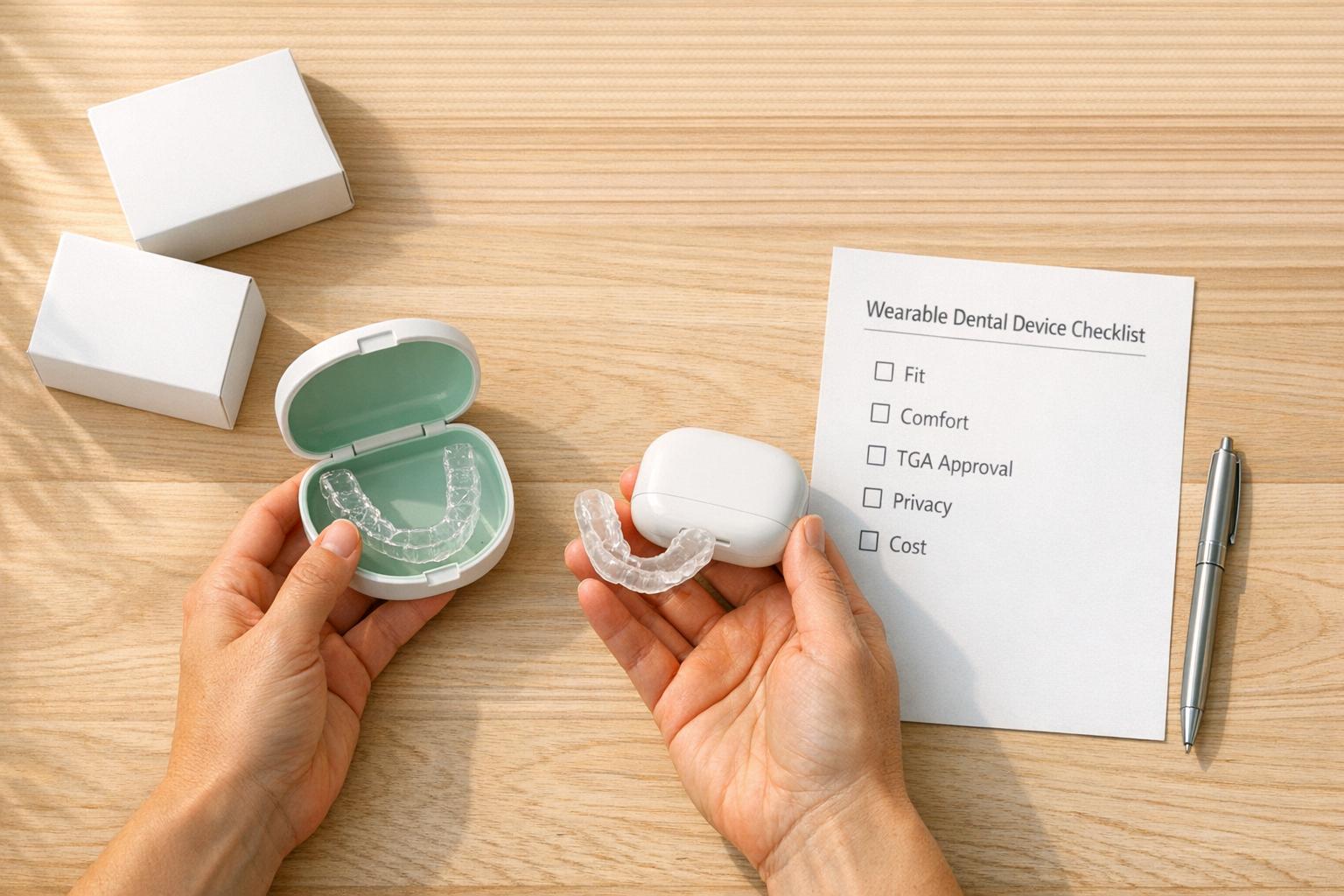
Checklist for Choosing Wearable Dental Devices
Checklist for Choosing Cloud AI Platforms in Dentistry
Complete Smiles Bella VistaAccepts All Major Health Funds, Including