




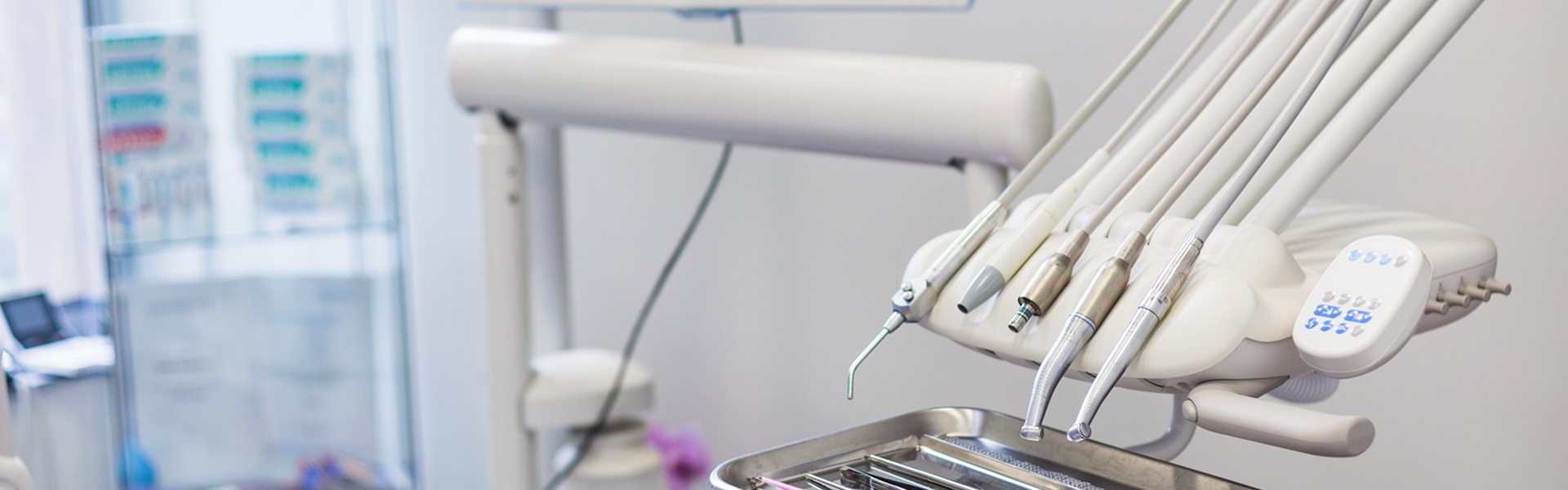
Nanotechnology in Dental Anesthesia: Overview

Nanotechnology is changing how dental anaesthesia works, making it more precise, effective, and comfortable for patients. Here’s what you need to know:
- What is it? Nanotechnology involves using tiny particles (smaller than 100 nanometres) to deliver anaesthetics directly to the source of pain.
- Why does it matter? It reduces the amount of anaesthetic needed, minimises side effects, and improves comfort by targeting specific areas with pinpoint accuracy.
- Key advancements:
- Nanoparticles: Deliver drugs effectively and extend pain relief.
- Nanorobots: Offer needle-free, reversible anaesthesia by targeting nerves directly.
- Hybrid systems: Combine nanoparticles and hydrogels for controlled drug release.
- Challenges to address: Safety concerns, high costs, and limited long-term data.
- In Australia: Research and regulation ensure these technologies are safe and effective before clinical use.
Nanotechnology is set to transform dental care, offering needle-free options and better pain management. While challenges remain, ongoing research and strict regulations in Australia are paving the way for safer and more efficient dental treatments.
How Nanotechnology-Based Dental Anaesthesia Works
Targeted Delivery of Anaesthetics
Nanotechnology allows for precise and localised delivery of anaesthetic agents, significantly reducing the required dosage and minimising side effects. By using nanoparticles, these agents can pass through biological barriers, like cell membranes, and reach areas in the oral cavity that were previously hard to access.
The process works by encapsulating anaesthetic drugs within nanoparticles, which act like tiny delivery vehicles. These particles travel through tissue with remarkable accuracy, releasing the anaesthetic right at the source of pain. This method not only makes the anaesthetic more effective but also extends its duration compared to traditional techniques.
Building on this precision, researchers have developed various types of nanoparticles to improve how anaesthetics are delivered.
Types of Nanoparticle Carriers
Different kinds of nanoparticles are being explored to enhance dental anaesthesia, each offering unique benefits and applications.
- Polymeric nanoparticles: Made from materials like alginate and PLGA, these have shown promise in improving pain relief. For instance, a 2022 study by Deng and colleagues demonstrated that a CS-GP/PCL polymeric hydrogel loaded with bupivacaine could provide pain relief for at least seven days – far longer than conventional methods.
- Lipid-based nanoparticles: This category includes solid lipid nanoparticles (SLNs), nanostructured lipid carriers (NLCs), and lipid nanoemulsions. Research from 2018 by Barbosa and colleagues revealed that SLNs could deliver dibucaine with reduced toxicity and prolonged anaesthetic effects in lab settings.
- Inorganic nanoparticles: These include metallic particles, such as gold and silver, as well as non-metallic options like hollow mesoporous organosilica. In 2018, Gao and colleagues developed ropivacaine-loaded hollow mesoporous organosilica nanoparticles (HMONs), which provided controlled and sustained anaesthetic release in mouse models, outperforming a single free injection.
New Concepts: Nanorobotics and Oral Nano-Anaesthesia
Looking beyond traditional carriers, nanorobotics introduces an entirely new level of precision in anaesthesia delivery. This approach involves injecting a colloidal solution of microscopic robots into the gum tissue. Under the dentist’s guidance, these nanorobots navigate directly to the nerves, blocking pain signals with pinpoint accuracy.
Nanorobots use chemotactic sensors to identify and target specific nerve pathways, leaving other cellular functions untouched. Once their job is done, they restore normal sensation and exit the body naturally, offering a needle-free, potentially anxiety-reducing alternative to conventional anaesthesia.
These robots provide immediate and reversible anaesthesia with minimal side effects. Early research even suggests they could be used to treat dentin hypersensitivity by sealing dentinal tubules in seconds, delivering both instant and lasting relief.
While still in experimental stages, nanorobotics shows immense potential. For example, the robotic navigation system Yomi, developed by Neocis, gained approval from the U.S. Food and Drug Administration and performed over 1,000 dental implants in 2019, highlighting the growing role of robotic precision in dentistry.
Nanotechnology: The Future of Conservative Dentistry and Endodontics @DentalAddaDrSwarneet
Benefits and Limitations of Nanotechnology in Dental Anaesthesia
Building on the mechanisms discussed earlier, let’s delve into the practical advantages and challenges of using nanotechnology in dental anaesthesia.
Key Benefits
Nanotechnology offers a game-changing approach to dental anaesthesia by enabling precise, targeted delivery. This means pain relief can be achieved quickly, with better control, and can also be reversed when needed, minimising residual numbness and reducing patient anxiety [5]. By allowing dentists to deliver exact doses to specific areas, the total amount of anaesthetic used can be reduced, which in turn lowers the risk of systemic side effects.
One particularly exciting application is the use of nanorobotic analgesics, which provide enhanced selectivity and control. This not only improves patient comfort but also helps alleviate dental anxiety – an issue that often discourages people from seeking timely dental care [1] [2].
Potential Limitations
However, the use of nanotechnology in dental anaesthesia doesn’t come without its challenges. A significant concern is safety and toxicity. The properties of nanoparticles, such as their size, shape, and surface charge, can lead to risks like cytotoxicity, genotoxicity, inflammation, or even accumulation in organs [6] [7].
Another hurdle is the lack of extensive clinical data. There’s limited information about the long-term effects of nanoparticles, particularly regarding the chemicals they may release when used in dental materials. This knowledge gap makes it difficult to fully evaluate their safety over time [7]. Additionally, navigating the complex and evolving regulatory environment adds another layer of difficulty [6].
Practical challenges also exist. Nanotechnology requires controlled storage conditions, careful handling, and advanced manufacturing processes, all of which increase costs and complicate widespread adoption. Moreover, we still lack a complete understanding of long-term risks, including potential environmental impacts and cytotoxicity [7].
Comparison Table: Benefits vs Limitations
Here’s a clear breakdown of the benefits and challenges:
| Benefits | Limitations |
|---|---|
| Improved patient comfort and reduced anxiety | Risks of cytotoxicity and genotoxicity |
| Precise targeting with lower drug dosages | Limited data on long-term safety |
| Quick and reversible action | Complex regulatory requirements |
| Better selectivity and control | High costs for manufacturing and implementation |
| No reported side effects in current studies | Challenges in storage and handling |
| Reduced residual numbness | Potential environmental concerns |
This comparison highlights the dual nature of integrating nanotechnology into dental anaesthesia. While the benefits are promising, addressing the safety concerns, regulatory barriers, and practical challenges is critical for its successful implementation in Australia. Ongoing research is essential to ensure that nanodentistry can be both safe and effective, paving the way for its broader application in dental practices.
sbb-itb-2be92ed
Uses of Nanotechnology in Dental Practice
Nanotechnology is making its way from research labs into dental clinics, offering new ways to improve patient care. With its precise delivery methods and innovative nanoparticle systems, it’s transforming how dental anaesthesia is administered.
Current Uses
One of the most established applications of nanotechnology in dental anaesthesia is targeted drug delivery systems. By using nanoparticles, anaesthetic drugs can be delivered directly to the required area without affecting surrounding tissues. This not only improves pain relief but also reduces the amount of anaesthetic needed [8].
Another method already in practice is liposome-based delivery systems. These systems encapsulate anaesthetic drugs, allowing them to be released slowly over time. This approach extends the duration of pain relief while minimising systemic toxicity [8].
Nanotechnology is also improving post-operative pain management. Studies show that nanoparticles can manage post-surgery pain more effectively and with fewer side effects compared to traditional methods [8].
Additionally, nanoneedles are being used for precise, minimally invasive drug delivery. These ultra-fine needles can penetrate tissues with minimal trauma while administering exact doses of anaesthetic agents [8].
New Technologies
Emerging nanotechnologies promise to take dental anaesthesia even further. For example, researchers are developing hybrid nanoparticle-hydrogel delivery systems, which combine the benefits of both technologies. These systems allow for better control over drug release rates and can be customised to deliver anaesthetics with high precision [8].
Another exciting development is the creation of needle-free anaesthesia. A patented nanotechnology product introduced in 2017 is currently under clinical investigation and could change how anaesthesia is administered in dental care [9].
Nanorobotic systems are also on the horizon. These could temporarily and selectively desensitise specific teeth, giving dentists precise control over where and when anaesthesia is applied [10].
Finally, nanoparticle-based delivery systems offer several advantages over traditional microparticle methods. Since they are more compatible with the body’s nanostructured environment, they enhance cellular penetration, bioavailability, and retention times [8].
Relevance in the Australian Context
Australia’s strong research and regulatory framework positions it as a leader in applying nanotechnology to dental care. Local universities and organisations are already making significant contributions to this field.
For instance, researchers at the University of Sydney have demonstrated that nano-enhanced composites outperform traditional materials, providing stronger and more durable dental solutions [12]. At the University of Melbourne, studies show that titanium implants coated with nano-hydroxyapatite integrate more effectively with bone [12]. Meanwhile, the University of Queensland is working on dental adhesives that use silver nanoparticles to offer antibacterial properties [12]. Additionally, CSIRO is developing nano-sensors for quick, non-invasive diagnostics, helping dentists identify areas requiring anaesthesia with greater precision [12].
The regulatory oversight of the Therapeutic Goods Administration (TGA) ensures that all new nanomaterials meet strict safety and effectiveness standards before being introduced into dental practices [12]. This aligns with the high standards upheld by Australian health regulations, which dental professionals fully support [13].
In 2022, the launch of the Australia’s Economic Accelerator (AEA) program renewed funding for medical research, including advancements in oral care. With a $5-billion investment, this initiative underscores the country’s commitment to innovation in healthcare [14].
These advancements are set to reshape dental anaesthesia practices across Australia, offering patients safer and more effective treatments.
Safety, Regulatory, and Clinical Considerations in Australia
Australia has put in place detailed protocols to ensure that advancements in nanotechnology for dental anaesthesia prioritise patient safety and clinical efficiency.
Safety Protocols and Monitoring
Before nanomaterials are used in clinical settings, they undergo rigorous safety evaluations. Factors like toxicity, compatibility, and the potential for contamination are carefully examined to minimise risks associated with their physical properties and small size [5].
Dental clinics across Australia adhere to strict guidelines when administering anaesthesia. For general anaesthesia, protocols are aligned with the standards set by the Australian and New Zealand College of Anaesthetists (ANZCA) and comply with state, territory, or federal regulations [15].
Nanomaterials, in particular, are subjected to extensive assessments. These include analysing their size, surface charge, solubility, and chemical reactivity [5]. Depending on their exposure levels – low, medium, or high – nanomaterials are evaluated for toxicity, hypersensitivity, and long-term effects. Products designed for invasive use undergo additional scrutiny for immunotoxicity and potential accumulation in the body [5].
The International Organization for Standardization (ISO) 10993 series offers guidelines for assessing the biocompatibility of nanomaterials used in medical and dental devices [5].
Regulatory Guidelines
After passing stringent safety evaluations, nanotechnology applications must meet Australia’s regulatory standards. Several agencies work together to oversee these innovations. The Therapeutic Goods Administration (TGA) plays a key role in regulating therapeutic goods, including nanotechnology-based dental anaesthesia [18].
For dental devices incorporating nanotechnology, whether imported or locally manufactured, inclusion in the Australian Register of Therapeutic Goods (ARTG) is mandatory. Implantable devices face even stricter evaluation processes, especially when nanotechnology-based anaesthetic delivery systems are involved [16].
Strict compliance is enforced, with severe penalties for the illegal import or supply of dental devices. Sponsors must be Australian-based and have their own ARTG inclusion for the devices they supply [16].
The Australian Pesticides and Veterinary Medicines Authority (APVMA) also evaluates certain nanomaterial applications. While specific guidelines for products containing nanomaterials are still in development, each application is reviewed individually [17].
The Importance of Evidence-Based Practice
Beyond safety and regulations, evidence-based practice is essential for the successful clinical use of nanotechnology. Long-term research is required to confirm the safety and effectiveness of nano-based drug delivery systems (DDSs) in humans. Clinical trials are critical for moving mature nanoscale DDSs from laboratory studies to real-world applications [3].
For example, studies have shown that bupivacaine-loaded alginate/chitosan nanoparticles can enhance the analgesic effect by 1.4 times compared to traditional bupivacaine solutions [3]. These findings not only highlight the potential of nanotechnology but also reinforce the importance of patient safety.
Australian researchers are making significant contributions to this field. At the University of Queensland, recent studies demonstrated that nanomaterials can quickly block exposed dentin tubules, providing faster and longer-lasting pain relief than current treatments [4].
Future research should focus on verifying these results and translating them into clinical practice. The importance of evidence-based adoption is reflected in other advanced dental technologies, such as Neocis’ Yomi. This robotic navigation system, approved by the FDA in the US, performed over 1,000 implants by 2019, proving how rigorous testing can lead to successful clinical implementation [5].
Australia’s dedication to evidence-based practices ensures that nanotechnology in dental anaesthesia will be thoroughly validated before becoming widely available. This approach safeguards patients while pushing the boundaries of dental care innovation. The clinical advantages of nanotechnology, as discussed earlier, rest on this solid foundation of safety and research.
Conclusion and Key Takeaways
Summary of Key Points
This guide has delved into how nanotechnology is reshaping the precision and safety of dental anaesthesia. By enabling drugs to target affected areas directly, nanotechnology reduces dosages and minimises side effects [3][11].
The clinical benefits are compelling. Nanorobotic analgesics eliminate the need for needles, offer reversible anaesthesia, and significantly reduce the adverse effects linked to traditional methods [2]. Additionally, nanomaterials improve the effectiveness and longevity of local anaesthetics, cutting down the frequency of re-administration [3]. As highlighted by the National Nanotechnology Initiative:
"Nanotechnology is helping to considerably improve, even revolutionise, many technology and industry sectors: information technology, homeland security, medicine, transportation, energy, food safety, and environmental science, among many others." [19]
In Australia, patient safety is reinforced by a robust regulatory framework. Seven different regulatory bodies oversee nanotechnology and nanomaterials in commercial products, with the Therapeutic Goods Administration (TGA) focusing on nanoparticles in therapeutic goods and medical devices [20]. Each application undergoes a case-by-case review to ensure quality, safety, and efficacy before approval [21].
Evidence-led practices remain critical, and these advancements provide a strong foundation for the next wave of innovation in dental anaesthesia.
Future Outlook
With a growing body of evidence and regulatory backing, the future of nanotechnology in dental anaesthesia looks promising. Advanced nanorobotic systems could soon deliver switchable, reversible, and precisely controlled anaesthesia [1][22].
For Australian dental practices, this technology offers the potential for needle-free procedures, reduced patient anxiety, and fewer side effects. The TGA’s supportive framework encourages clinical research and innovation [21].
However, bringing these advancements to everyday practice will require cooperation between researchers, clinicians, and regulators. The TGA advises developers to engage early in the design process to identify challenges and streamline regulatory approval [21]. This proactive strategy ensures that nanotechnology-based anaesthesia undergoes rigorous validation before it becomes widely available.
FAQs
How does nanotechnology make dental anaesthesia more precise and effective?
Nanotechnology is reshaping dental anaesthesia by allowing precise delivery of anaesthetic agents directly to the targeted tissues. This method ensures greater effectiveness, minimises side effects, and makes the experience more comfortable for patients. By utilising nanoparticles or nanorobots, anaesthesia can be applied with remarkable precision, focusing only on the needed areas and avoiding unnecessary exposure to the rest of the body.
This advancement not only refines pain management but also offers a safer and more efficient alternative to conventional techniques. As research in nanodentistry progresses, these advanced methods are poised to revolutionise dental care, providing patients with a more comfortable and effective experience.
What are the risks of using nanoparticles in dental anaesthesia, and how are they managed?
The application of nanoparticles in dental anaesthesia isn’t without its challenges. Potential risks include cellular toxicity, genotoxic effects, and the chance that nanoparticles might travel to other organs – such as the liver and heart – via inhalation or systemic circulation. These issues are a key focus in both ongoing research and clinical practices.
To address these concerns, scientists and dental practitioners carry out thorough safety evaluations to understand how nanoparticles interact with the human body. In clinical settings, safety is prioritised through strict protocols for handling, containment, and monitoring. Additionally, ongoing research into nanoparticle biocompatibility plays a crucial role in reducing these risks and enhancing their safe use in dentistry.
How could nanorobotics in dental anaesthesia improve comfort and reduce anxiety during dental procedures?
Nanorobotics in dental anaesthesia is reshaping how patients experience pain management. These tiny robots can administer anaesthesia with pinpoint accuracy, often bypassing the need for needles entirely. For patients who dread injections, this could mean a much more comfortable and stress-free visit to the dentist.
By focusing on specific areas with speed and precision, nanorobotics allows for quicker numbing and better pain control. This level of efficiency not only reduces discomfort but also helps ease the anxiety many people feel about dental treatments. It’s a step toward making dental visits less intimidating and far more manageable.
Related Blog Posts
- Nanomaterials in Dentistry: Wear Resistance Explained
- What Are Computer-Controlled Anesthetic Devices?
- Gene Therapy in Dental Implants: Overview
- Neurostimulation: Future of Dental Pain Relief
Important Notice: Any surgical or invasive procedure carries risks. Before proceeding, you should seek a second opinion from an appropriately qualified health practitioner.
Individual results may vary. The information provided in this article is for educational purposes only and does not constitute medical advice.
Checkout Related Blogs



Get in touch with us
For more information, call us now to start feeling better. Or fill the form below to make appointment
The Latest News from Complete Smiles
How to Clean Clear Plastic Retainers
Checklist for Choosing Wearable Dental Devices
Checklist for Choosing Cloud AI Platforms in Dentistry
Complete Smiles Bella VistaAccepts All Major Health Funds, Including