





Porcelain vs. Composite Inlays and Onlays
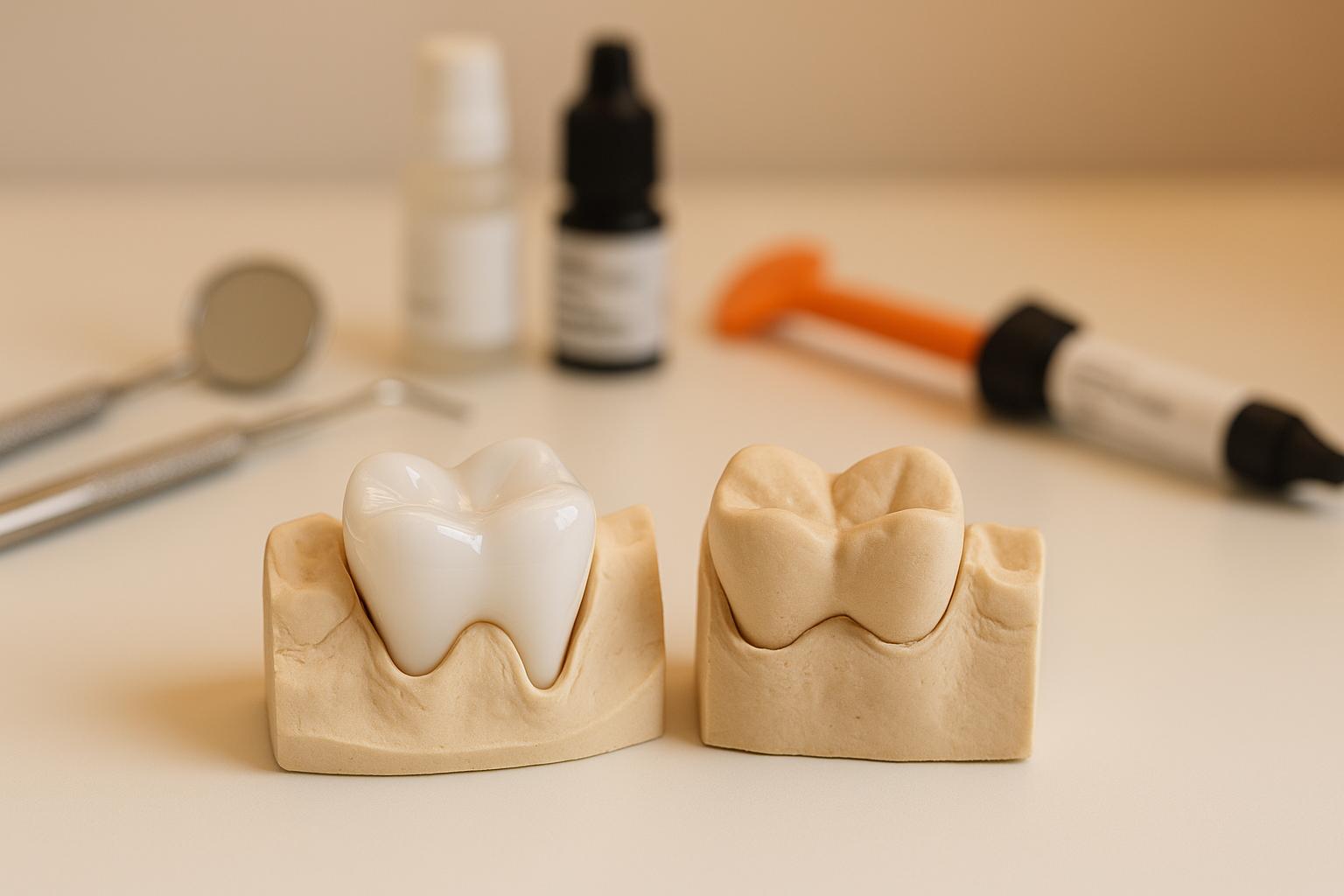
When repairing moderate tooth damage or decay, porcelain and composite resin inlays and onlays are popular options. Both are custom-made restorations that offer more durability than fillings and preserve more of your natural tooth compared to crowns. Here’s a quick breakdown:
- Porcelain: Long-lasting (10–20+ years), highly stain-resistant, and closely matches the natural look of teeth but costs more ($800–$1,600 per tooth) and can require two visits.
- Composite: Affordable ($565–$880 per tooth), easier to repair, and absorbs chewing forces better, but it stains more easily and lasts 5–10 years on average.
The choice depends on factors like tooth location, damage severity, budget, and personal habits like teeth grinding. Porcelain is ideal for visible teeth and durability, while composite suits back teeth and cost-conscious patients. Always consult your dentist for tailored advice.
Porcelain Inlays and Onlays
Material Properties
Porcelain stands out as a top-tier material for dental inlays and onlays. Known for its chemical stability, it resists deterioration over time, ensuring longevity [5]. Its impressive compressive strength allows it to handle the forces of chewing and grinding, making it a reliable choice for patients with high functional demands [5].
Aesthetically, porcelain is exceptional at replicating the natural appearance of teeth. Unlike natural enamel or composite resin, porcelain is less porous, which means it resists staining more effectively [6]. Additionally, its precision manufacturing ensures a snug fit, reducing the risk of bacterial infiltration and further decay [6]. These qualities make porcelain a strong choice for dental restorations, though there are both benefits and trade-offs to consider.
Pros and Cons
Porcelain inlays and onlays are highly durable and closely resemble natural teeth. With proper care, they can last anywhere from 10 to 20 years or even longer [8]. They also strengthen the tooth, increasing its durability by up to 75 per cent [12].
However, there are some factors to weigh. The cost of porcelain restorations ranges from $650 to $1,200 per tooth without insurance [10]. The process requires at least two dental visits [7][9]. While porcelain is strong, it can be brittle and prone to cracking under extreme pressure [8]. Additionally, some patients may experience temporary sensitivity to hot or cold after the procedure [9].
Treatment Process
The treatment for porcelain inlays and onlays is typically completed in two visits. During the first appointment, the dentist prepares the tooth, takes an impression, and places a temporary restoration to protect the tooth while the permanent one is crafted in a dental lab. This fabrication process usually takes one to two weeks [11].
At the second visit, the temporary restoration is removed, and the custom porcelain inlay or onlay is carefully bonded into place. The dentist will make any necessary adjustments to ensure a comfortable bite and proper alignment. While this two-step process takes more time than direct composite fillings, it offers superior precision and durability, making it ideal for larger cavities or significant tooth damage [11].
Composite Inlays and Onlays
Material Properties
Composite resin is a tooth-coloured material made from a mix of fine glass or quartz particles combined with plastic resin [14]. Its flexibility and strong bonding capabilities make it a popular choice for dental restorations. Thanks to its ability to absorb and distribute chewing forces, composite resin is particularly suitable for patients with high bite forces. Studies show that composites can absorb compressive forces and reduce impact forces by 57% more effectively than porcelain [2]. Additionally, because the luting cement and composite resin share a similar composition, composites tend to achieve better marginal adaptation compared to ceramics [2]. Another advantage is that less tooth structure needs to be removed when preparing for composite restorations, as opposed to porcelain restorations [2]. While these features make composites a versatile option, they come with both benefits and limitations.
Pros and Cons
Composite inlays and onlays provide several benefits, especially for those looking for a more economical and conservative treatment. They are generally less expensive than porcelain alternatives and can often be repaired without needing a full replacement. Porcelain restorations, on the other hand, typically require complete replacement if damaged [2]. From an aesthetic perspective, composites excel in blending with the natural colour of teeth, creating a seamless appearance [2]. However, a study published in The European Journal of Dentistry in 2022 found that composite resin inlays and onlays had an 85% success rate and a 15% failure rate over a nine-year period [13].
Treatment Process
The flexibility and adhesive properties of composites make the restoration process more efficient. Using CAD/CAM technology, the procedure can often be completed in a single visit. Alternatively, the traditional method involves two appointments. In the first, the dentist administers local anaesthesia, removes decay, prepares the tooth, and takes an impression before placing a temporary restoration. At the second visit, the temporary is removed, and the custom composite restoration is bonded in place using strong adhesives. This ensures proper alignment and long-lasting durability [2]. Composite restorations also transfer chewing forces less intensely than porcelain, allowing them to work harmoniously with the natural tooth structure [2].
Porcelain vs. Composite: Side-by-Side Comparison
Comparison Table
Here’s a quick look at how porcelain and composite restorations stack up against each other:
| Factor | Porcelain | Composite |
|---|---|---|
| Durability | Lasts 15+ years with proper care | Typically lasts 5–10 years |
| Aesthetics | Offers excellent light reflection, translucency, and colour matching | Provides good colour matching but stains more easily over time |
| Cost (AUD) | $800–$1,600 per tooth | $565–$880 per tooth |
| Stain Resistance | Highly resistant to stains | More prone to staining and discolouration |
| Force Distribution | Handles compression well but less tolerant of shear stress | Absorbs impact forces better |
| Treatment Time | Usually requires two appointments | Can often be completed in one visit with CAD/CAM |
The price difference reflects their durability and performance. Dr Arthur Glosman highlights this, saying:
"Compared to composite fillings, which last around 5–10 years on average, porcelain fillings generally last for at least 15 years, making them a much longer‐term investment" [4].
Clinical Considerations
When selecting a material, understanding stress distribution is key. Porcelain excels under compressive forces but is more vulnerable to shear stress. On the other hand, composite restorations absorb impact forces more effectively. Dr Daniel Naysan sheds light on this:
"Porcelain inlays are notably more robust and durable than composite fillings. This means they can withstand biting forces better and tend to last longer" [3].
Oral hygiene also plays a big role in how long these restorations last. Porcelain is naturally resistant to stains, while composites can discolour over time, especially with frequent consumption of pigmented foods and drinks. Discussing your lifestyle, budget, and aesthetic goals with your dentist can help you decide which material suits you best.
Choosing the Right Material
Patient-Specific Needs
When deciding between porcelain and composite materials, several factors come into play. One key consideration is the tooth’s location. For front teeth, which are more visible, ceramic materials like porcelain are often preferred because they closely replicate the natural appearance of teeth. On the other hand, back teeth, which bear the brunt of chewing, might require materials better suited to withstand heavy forces [15].
The extent of tooth damage also matters. For larger restorations that cover multiple cusps, porcelain is a strong contender due to its durability in high-stress areas.
Budget is another practical factor to weigh. While porcelain generally has a higher upfront cost, its longevity can make it a more economical choice in the long run.
Personal habits, such as bruxism (teeth grinding), should also influence the decision. Composite materials absorb compressive forces more effectively than porcelain, reducing impact forces by up to 57%. This makes composite a better choice for patients prone to grinding their teeth [2].
Lastly, aesthetic goals play a significant role. Porcelain is renowned for its ability to mimic the natural colour and translucency of teeth, making it ideal for visible areas. Composite can still deliver good results, but it is more prone to discolouration over time, particularly if you consume staining beverages like coffee or red wine frequently.
These factors underscore the importance of personalised recommendations when selecting the right material.
Professional Consultation
After considering these individual factors, consulting with your dentist is crucial. A thorough evaluation will help determine whether inlays or onlays are appropriate for your situation. Your dentist will assess the extent of damage or decay and suggest the best material based on the tooth’s location and condition [17][18]. They can also provide a personalised cost estimate and recommend treatment options that align with your budget and lifestyle [16].
Complete Smiles Bella Vista
For tailored dental care, clinics like Complete Smiles Bella Vista offer customised treatment plans. This practice, led by Dr. James Hanna, specialises in both porcelain and composite inlays and onlays. By leveraging advanced dental techniques and focusing on individual care, they help patients choose the material that best suits their needs. Whether you prioritise porcelain for its durability and aesthetic appeal or composite for its affordability and repairability, clinics like this ensure that all aspects of your dental health and personal preferences are carefully considered during the decision-making process.
sbb-itb-2be92ed
Lifespan and Maintenance
How Long They Last
The longevity of dental restorations depends on factors like the material used, oral hygiene habits, diet, teeth grinding (bruxism), and chewing forces. Porcelain inlays and onlays, when cared for properly, can last 10–20 years or more. Medium-term studies (spanning 2–5 years) report survival rates of 91–100% for ceramic onlays, while long-term studies show rates ranging from 71% to 98.5% [19][21]. Composite restorations, on the other hand, typically last 5–7 years, though some may last up to a decade [20].
Porcelain, along with gold, is often considered one of the most durable materials for dental restorations [20]. Proper care and maintenance can help extend their lifespan even further.
| Material | Expected Lifespan | Key Characteristics |
|---|---|---|
| Porcelain | 10–20+ years | Durable and resistant to stains |
| Composite | 5–10 years | Affordable and easy to repair |
Care Instructions
Regular care is essential to maximise the lifespan of both porcelain and composite restorations. Here’s how to keep them in good condition:
- Daily oral hygiene: Brush twice a day with fluoride toothpaste and floss regularly to minimise plaque buildup.
- Avoid harmful habits: Steer clear of biting on hard items like ice, pens, or fingernails, which can damage restorations.
- Watch your diet: Limit sugary foods and acidic drinks to reduce the risk of decay around the restoration’s edges.
For composite restorations, specifically, it’s a good idea to avoid staining items like coffee, tea, and red wine to maintain their natural appearance. Regular dental check-ups – ideally every six months – are crucial to monitor the condition of your restorations. Dentists can catch early signs of wear, such as chipping or cracking, during these visits.
If you grind your teeth at night, using a nightguard can provide extra protection. While porcelain restorations usually require full replacement if damaged, composite restorations are easier to repair. By combining consistent oral hygiene, a balanced diet, and routine dental care, you can help your restorations last as long as possible.
Composites Vs Ceramic Podcast with Dr Chris Orr – Protrusive Dental Podcast Episode 30

Conclusion
Choosing between porcelain and composite inlays and onlays comes down to understanding their distinct advantages and how they align with your needs. Porcelain restorations stand out for their durability and strength, offering a natural look through precise colour matching. Their snug fit also promotes healthier gums, making them a popular choice for many patients [3].
On the other hand, composite inlays and onlays take a more conservative approach. They require less removal of tooth structure and are easier to repair if needed [2]. Composites are also better at absorbing compressive forces, which helps protect the surrounding teeth [2]. A study published in the European Journal of Dentistry highlighted an 85% success rate for composite restorations over a nine-year period [2]. While they are more cost-effective and bond well to the tooth, composites typically have a shorter lifespan compared to porcelain.
The decision ultimately depends on your dental health, functional needs, aesthetic goals, and budget. Factors like the extent of damage, personal preferences, and financial considerations all play a role [7]. For the best outcome, it’s essential to consult a dental professional who can provide a thorough evaluation and tailored advice [1][3].
If you’re in Bella Vista, Complete Smiles Bella Vista offers expert care to help you navigate these choices. Under the guidance of Dr. James Hanna, the team provides personalised treatment plans, helping you make confident decisions about your dental restorations.
FAQs
What’s the difference between porcelain and composite inlays and onlays, and how do I choose the right one?
When deciding between porcelain and composite inlays and onlays, it’s important to weigh factors like appearance, durability, cost, and your specific dental requirements.
Porcelain inlays and onlays are known for their durability and resistance to staining. They closely mimic the natural look of teeth and, with proper care, can last 15 years or even longer. However, they tend to be more expensive and involve a more intricate placement process. On the flip side, composite inlays and onlays are a more budget-friendly option. They’re quicker to apply and easier to repair if damaged, but they don’t last as long and are more likely to stain over time.
Ultimately, your dentist will guide you in choosing the best option based on your oral health, aesthetic goals, and budget. For tailored advice, it’s always wise to consult a qualified dental professional who can recommend the most appropriate material for your needs.
How do porcelain and composite inlays and onlays compare in terms of durability and maintenance?
Porcelain inlays and onlays are known for their durability, often lasting 10 to 15 years or even longer when properly cared for. Their lifespan hinges on maintaining good oral hygiene, eating a balanced diet, and steering clear of habits like teeth grinding or chewing on hard objects. Regular dental check-ups are also key to keeping them in excellent condition.
Composite inlays and onlays, while not as long-lasting as porcelain, generally hold up for 5 to 10 years. With exceptional care, they might exceed this range. Factors like the size and location of the restoration, along with daily habits, play a role in their longevity. To help them last, avoid putting too much force on your teeth and stick to a consistent oral hygiene routine.
Regardless of the material, both types of restorations benefit from regular dental visits and attentive care to stay in good shape over time.
What lifestyle habits can impact the durability of porcelain and composite inlays and onlays?
Certain daily habits can have a big impact on how long porcelain and composite inlays and onlays stay in good condition. For instance, smoking, heavy alcohol use, and eating sugary or acidic foods can cause staining, decay, or even weaken these dental restorations. On top of that, behaviours like teeth grinding (bruxism) or chewing on hard items can lead to damage over time.
To keep your inlays and onlays in top shape, focus on solid oral hygiene practices, steer clear of harmful habits, and don’t skip regular dental check-ups. Eating a balanced diet and addressing issues like grinding – perhaps with a custom-fitted mouthguard – can go a long way in protecting your dental work.
Related Blog Posts
- Wear-Resistant Materials in Dental Restorations
- Durability of Metal-Ceramic Restorations
- Research: Porcelain Veneers Durability
- CAD/CAM vs. Traditional Restorations: Key Differences
Important Notice: Any surgical or invasive procedure carries risks. Before proceeding, you should seek a second opinion from an appropriately qualified health practitioner.
Individual results may vary. The information provided in this article is for educational purposes only and does not constitute medical advice.
Checkout Related Blogs




Get in touch with us
For more information, call us now to start feeling better. Or fill the form below to make appointment
The Latest News from Complete Smiles
How to Clean Clear Plastic Retainers
Checklist for Choosing Wearable Dental Devices
Checklist for Choosing Cloud AI Platforms in Dentistry

Complete Smiles Bella VistaAccepts All Major Health Funds, Including





