





What to Do if Veneers Fall Off
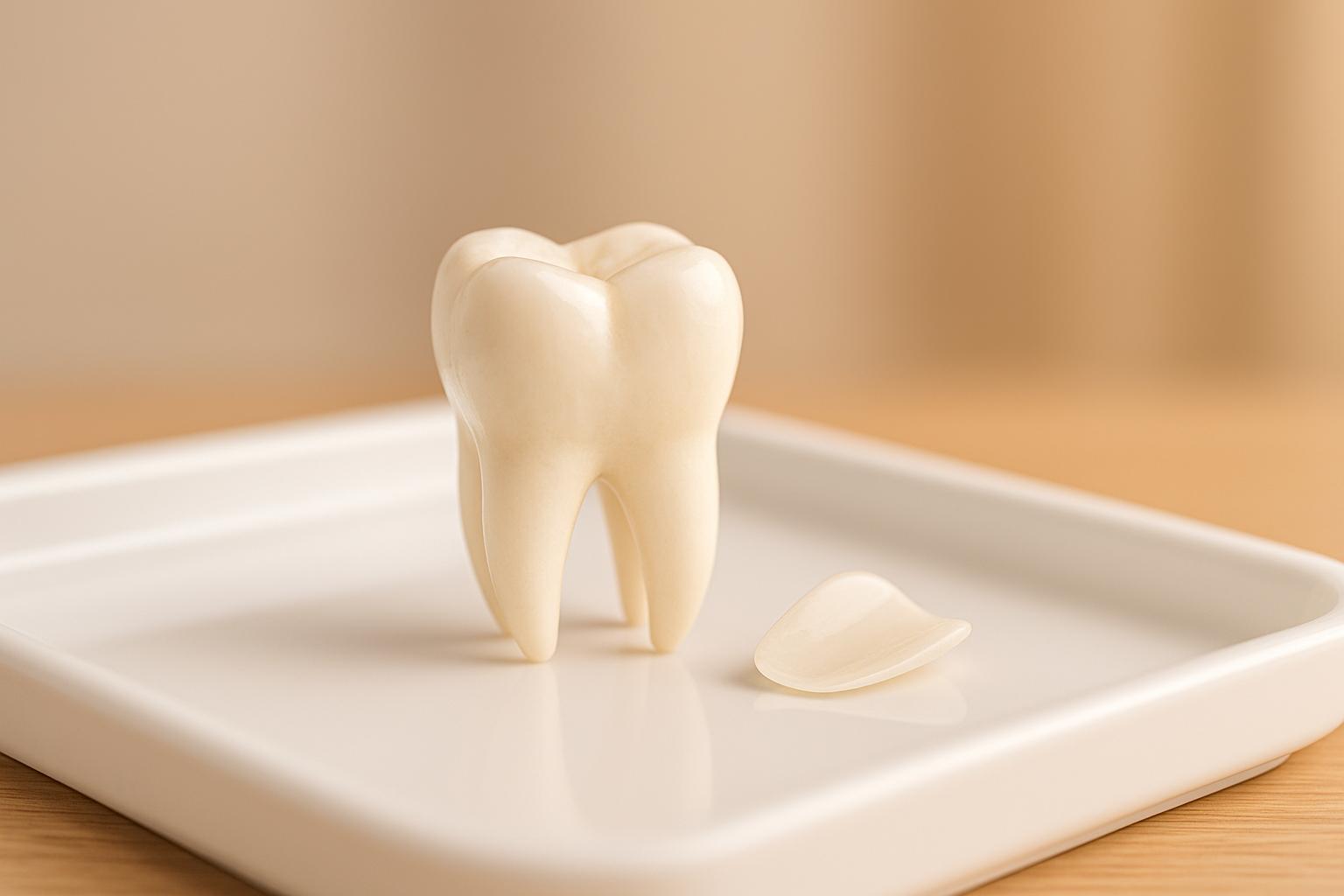
If your veneer falls off, don’t panic. Here’s what to do:
- Locate the veneer: Check your mouth and surrounding area to find it.
- Inspect the veneer and tooth: Look for damage on the veneer and note any sensitivity or sharp edges on the tooth.
- Rinse your mouth: Use warm salt water to clean the area and reduce bacteria.
- Store the veneer safely: Keep it in a clean, damp container or tissue.
- Protect the exposed tooth: Use dental wax for comfort and avoid hard or sticky foods.
- Contact your dentist immediately: Explain the situation and arrange an appointment.
Avoid DIY fixes like superglue or denture adhesive, as these can cause permanent damage. Stick to soft foods and manage discomfort with over-the-counter pain relief. For long-term care, regular dental check-ups, good oral hygiene, and protective measures like night guards can help prevent veneers from detaching.
What to Do Right Away When a Veneer Falls Off
Stay Calm and Locate the Veneer
If a veneer comes off, the first thing to remember is to stay calm. Panicking won’t help and might make things worse. Take a deep breath and start looking for the veneer right away. Begin by checking inside your mouth – sometimes the veneer might be partially detached or stuck between your teeth.
If it’s not in your mouth, carefully search your surroundings. Look on your clothes, in any food you were eating, or even on the table, plate, or napkin. Acting quickly increases the chances of finding the veneer intact and ready for possible reattachment.
Inspect the Veneer and Your Tooth
Once you’ve found the veneer, examine it under good lighting. Look for any cracks or chips, and handle it gently, as porcelain can be fragile when it’s not bonded to your tooth. Even if you notice damage, don’t assume it’s a lost cause – your dentist can evaluate it and may be able to repair or reuse it.
Next, check how your tooth feels. Run your tongue over the exposed area – it might feel rough or uneven compared to your other teeth. This is normal due to the preparation process for veneers. However, be cautious of any sharp edges that could hurt your tongue or cheek and take note if the tooth is more sensitive to air or temperature changes.
Rinse Your Mouth
To clean the exposed tooth and surrounding area, gently rinse your mouth with warm salt water. Mix ½ teaspoon of salt with 1 cup of lukewarm water. This simple rinse can help remove food particles and reduce the risk of bacteria causing irritation or infection. Avoid using mouthwash with alcohol, as it can worsen sensitivity or discomfort.
Safely Store the Veneer
Proper storage of the veneer is key if you’re considering reattachment. Place it in a small, clean container with a damp paper towel or cloth to keep it moist. Alternatively, wrap it in a clean, damp tissue. Never store it loose in your pocket or on a hard surface where it could get damaged, and don’t let it dry out completely.
Keep the container with you until your dental appointment. Preserving the veneer in good condition can make reattachment easier and may save you from extra costs or delays. Once these steps are done, focus on protecting the exposed tooth and avoid chewing on that side until you can see your dentist.
Temporary Care and What to Avoid
Protect the Exposed Tooth
An exposed tooth beneath a veneer is more delicate than your other teeth, so it’s crucial to treat it gently. Avoid touching it with your tongue or fingers, as this can irritate the area or introduce bacteria. While the prepared tooth surface may feel rough or uneven, resist the temptation to run your tongue over it repeatedly.
To ease discomfort, apply a small piece of softened dental wax over the exposed surface. Dental wax is readily available at Australian pharmacies like Chemist Warehouse or Priceline Pharmacy. Simply soften a small piece between your fingers and press it gently onto the tooth. This helps create a smoother surface and reduces sensitivity until you can visit your dentist.
Be mindful of temperature sensitivity, which is common with exposed teeth. Hot drinks like coffee or cold beverages can cause discomfort. The tooth may also be sensitive to air exposure, so using dental wax can offer quick relief.
Lastly, consider changing your eating habits to avoid further irritation or damage.
Foods and Actions to Avoid
To protect the exposed tooth, stick to soft foods that require minimal chewing. Options like yoghurt, soup, mashed vegetables, or scrambled eggs are ideal. Avoid hard or crunchy foods like nuts, crusty bread, or raw carrots, as these can cause pain or damage the prepared tooth surface.
Chew on the opposite side of your mouth. Pay attention to which side you’re using while eating and consciously shift food away from the affected area. This simple adjustment can prevent unnecessary discomfort.
Never attempt to reattach the veneer using household adhesives. Products like super glue, craft glue, or denture adhesive may seem like quick fixes, but they can cause serious damage to both the tooth and the veneer. Using these could even make professional reattachment impossible, leading to the need for a completely new veneer.
Sticky foods, such as toffee or chewing gum, should also be avoided. These can pull on surrounding teeth or get stuck in the gap where the veneer was, causing further irritation.
Handle Pain or Sensitivity
If you’re experiencing discomfort, there are steps you can take to manage it. Over-the-counter pain relief, like paracetamol or ibuprofen, can help ease pain. Ibuprofen is especially useful as it also reduces inflammation.
Stick to room temperature or lukewarm foods and drinks, as extreme temperatures can worsen sensitivity. If you need something cold, use a straw to direct the liquid away from the affected tooth. For hot beverages, let them cool down before drinking.
For temporary relief, clove oil is a great option. Available at most Australian pharmacies, you can apply a small amount to a cotton swab and gently dab it onto the exposed tooth. Be cautious not to overuse it, as excessive clove oil can irritate your gums.
If the pain becomes severe or you notice swelling, this may indicate a more serious issue that requires immediate dental care. Don’t wait – contact your dentist or an emergency dental service without delay.
Getting Professional Dental Care
Call Your Dentist Right Away
If a veneer detaches, contact your dentist immediately, even if it’s after hours. Many dental clinics in Australia provide after-hours contact numbers or emergency services to handle such situations.
When you call, give a clear explanation of what happened. Mention how the veneer came off, whether you’re experiencing any pain, and the condition of the veneer itself. This helps your dentist assess how urgently you need care and ensures they’re prepared with the right materials for your visit.
Bring the detached veneer to your appointment, as your dentist will want to examine it. If the veneer is intact and your tooth isn’t causing severe discomfort, you may be able to wait 24-48 hours for a regular appointment. However, if you’re in pain or the exposed tooth feels sharp, request an earlier visit.
Many dental practices offer same-day emergency slots for issues like this. Dentists are well-versed in handling veneer detachments, so they’ll guide you through the next steps. This initial call is crucial for determining how soon you’ll need treatment.
Emergency vs. Urgent Dental Care
Once you’ve contacted your dentist, it’s important to understand whether your situation requires emergency or urgent care. Not all veneer detachments are emergencies, and knowing the difference can save you unnecessary stress.
Emergency dental care is needed if you’re experiencing severe symptoms like throbbing pain that doesn’t improve with over-the-counter pain relief, noticeable swelling, or bleeding around the affected tooth. These could signal an infection or nerve damage that needs immediate attention.
Urgent care, on the other hand, is suitable if the veneer has come off cleanly, there’s minimal discomfort, and no swelling or significant sensitivity. In such cases, most dentists can schedule an appointment within 1-2 days.
If your regular dentist isn’t available, many Australian cities, including Sydney, Melbourne, and Brisbane, have after-hours dental clinics that can provide temporary fixes. However, if the situation isn’t causing severe pain, it’s usually better to wait for your regular dentist, as they’re familiar with your dental history and the original veneer work.
What Happens During the Appointment
During your appointment, your dentist will take several steps to address the issue and ensure the veneer is securely reattached. They’ll start by examining both the detached veneer and the exposed tooth. This includes checking for any damage or decay that may have contributed to the detachment.
If the veneer is still in good condition, both the veneer and the tooth will be thoroughly cleaned to remove any old bonding material. If the tooth has experienced wear or damage, it may need slight reshaping before reattachment.
The actual reattachment process involves applying a dental adhesive to both surfaces. Your dentist will carefully position the veneer, check your bite, and use a light-cured adhesive to secure it in place.
If the veneer cannot be reused, your dentist will discuss replacement options. This might involve taking new impressions and providing a temporary veneer while the permanent one is crafted. This process typically takes 1-2 weeks, during which you’ll need to protect the exposed tooth.
Finally, your dentist will investigate why the veneer came loose in the first place. Possible causes could include teeth grinding, gum issues, or bite misalignment. To prevent future problems, they may recommend protective measures like a night guard or other treatments to address the underlying issue.
Why Veneers Fall Off and How to Prevent It
Common Reasons Veneers Fall Off
Understanding why veneers detach can help you avoid future problems. One major culprit is the natural ageing of the bonding material. While dental adhesives are designed to last for years, constant exposure to saliva, temperature changes, and everyday wear can gradually weaken the bond.
Teeth grinding, or bruxism, is another factor. Many Australians unknowingly grind their teeth at night, creating immense pressure on veneers. This can lead to the edges lifting or, in some cases, the veneer coming loose entirely. Poor oral hygiene also plays a role – plaque build-up around the edges of veneers encourages bacteria to weaken the bond. Gum disease, which causes gums to recede, can expose the veneer margins, making them more susceptible to damage.
Accidents and injuries, whether from sports or an unfortunate bite into something hard like an olive pit, can also cause veneers to detach. Even seemingly minor habits, like nail biting or chewing pens, put unnecessary stress on veneers. Similarly, eating very hard foods can create sudden forces that compromise the adhesive bond.
Age-related changes in the teeth themselves can also affect how well veneers stay in place. Being aware of these factors is the first step towards taking better care of your veneers.
How to Protect Your Veneers
Now that the common causes are clear, here’s how you can keep your veneers secure and in great shape. Prevention starts with regular care and professional check-ups.
Make it a priority to visit your dentist every six months. These routine check-ups allow your dentist to catch early signs of veneer issues, such as slight edge lifting or changes near the gum line. Addressing problems early can save you from more significant issues later.
Good oral hygiene is non-negotiable. Use a soft-bristled toothbrush and fluoride toothpaste to brush twice daily, and floss daily to clean the areas where your veneers meet your natural teeth. This routine helps maintain healthy gums and prevents plaque from compromising the bond.
If you grind your teeth, consider investing in a custom night guard. These guards distribute pressure evenly and protect your veneers from the strain of grinding. Many people find their veneers last longer once they start using a night guard consistently.
Avoid using your teeth as tools – don’t open packages or bottles with them. When eating hard foods, cut them into smaller pieces to reduce stress on your veneers. Try to limit very hard foods like ice or hard lollies, which can put sudden pressure on the adhesive.
Acidic beverages like soft drinks, wine, or citrus juices can also weaken the bond over time. Using a straw can minimise direct contact with your veneers, and rinsing your mouth with water afterwards can help neutralise the acid.
Pay attention to any changes in your bite. If your veneers feel different or you notice unusual pressure when biting, see your dentist right away. Bite shifts can create uneven stress, increasing the risk of veneer detachment.
Lastly, if you’re active in sports or activities where falls are possible, wear a properly fitted mouthguard. This not only protects your veneers but also safeguards your overall oral health.
sbb-itb-2be92ed
Oops! My Veneer Fell Off… Now What? ????????#fix #veneers #repairs
Temporary Fixes: Safe Options vs. Risks
If your veneer detaches, resist the urge to try a DIY fix. While some temporary measures can shield your tooth until you see a dentist, others could lead to complications, making professional reattachment more challenging.
Understanding which solutions are safe and which ones to avoid is crucial. Below is a comparison of common temporary fixes, their benefits, and potential risks.
Comparison Table: Safe vs. Unsafe Temporary Fixes
| Method | Safety Level | How It Works | Pros | Cons | Risk Level |
|---|---|---|---|---|---|
| Dental wax | ✅ Safe | Covers the exposed tooth surface | Protects against sensitivity and food debris; easy to remove | Temporary and may dislodge during meals | Low |
| Sugar-free gum | ✅ Safe | Provides a soft covering for sharp edges | Readily available; offers mild protection | Not secure; requires frequent replacement | Low |
| Saltwater rinse | ✅ Safe | Cleans and reduces bacteria | Natural antiseptic; helps reduce swelling | Lacks physical protection for the tooth | Very low |
| Over-the-counter pain relief | ✅ Safe | Eases discomfort and sensitivity | Quick and effective for pain management | Does not address the root problem | Very low |
| Superglue or craft adhesive | ❌ Dangerous | Attempts to reattach the veneer | May appear like a quick fix | Contains harmful chemicals; risks permanent damage to gums and teeth | Very high |
| Denture adhesive | ❌ Risky | Temporarily attaches the veneer | Designed for oral use | Not meant for veneers; hard to clean; complicates professional repair | High |
| Chewing on affected side | ❌ Harmful | Puts pressure on the exposed tooth | Feels natural | Can worsen damage, increase pain, and harm the tooth further | Medium |
| DIY filing or smoothing | ❌ Dangerous | Tries to smooth rough edges | May reduce discomfort temporarily | Can permanently damage enamel, leading to bigger issues | Very high |
Safe Options to Consider
- Dental wax: Found in Australian pharmacies, dental wax is a simple and safe way to shield the exposed tooth. Warm a small piece with your fingers, press it onto the tooth, and replace it after meals or if it loosens. It’s a great option to reduce sensitivity and protect against food particles.
- Saltwater rinses: These are excellent for maintaining oral hygiene and soothing minor swelling. To prepare, mix half a teaspoon of salt in 250 mL of warm water and swish gently for about 30 seconds. While it won’t physically protect the tooth, it helps keep the area clean and reduces bacteria.
What to Avoid
- Superglue: It might seem like a quick fix, but household adhesives are loaded with chemicals that can irritate or even burn gum tissue. Plus, they create bonds so strong that your dentist might struggle to remove them without causing further damage.
- Denture adhesive: Though formulated for oral use, this product isn’t designed for veneers. It can seep into gaps between the veneer and tooth, making proper cleaning and reattachment more difficult.
Stick to products specifically designed for temporary dental care. Your goal should be to protect the exposed tooth until you can get professional help – not to attempt a fix that could create bigger problems down the road.
Conclusion
Maintaining a consistent oral hygiene routine is key to keeping your veneers in top condition for years to come. Brushing twice a day and flossing daily helps protect against decay and gum issues, which can compromise your veneers’ longevity [1][2][3][4][5]. Opt for a soft-bristled toothbrush to gently clean without causing damage. Pairing these habits with regular dental check-ups will go a long way in ensuring your veneers stay in excellent shape.
FAQs
What should I do if I’ve lost the veneer that fell off?
If your veneer has come off and you can’t find it, don’t panic. Take a moment to carefully search the area around you. If it’s still nowhere to be found, get in touch with your dentist promptly. They’ll examine the issue and go over replacement options to bring your smile back. Until then, avoid chewing on the exposed tooth to minimise the risk of further damage.
What should I do if my veneer falls off?
If a porcelain veneer comes off, make sure to keep it in a safe place and avoid chewing with the affected tooth. Never try to reattach it yourself using glue or other adhesives, as this can harm both the veneer and your tooth. Rinse your mouth with warm water to keep the area clean, and contact your dentist as soon as you can to arrange for a repair or replacement.
In the meantime, you can use dental wax or over-the-counter dental cement to shield the exposed tooth. However, this is only a short-term fix. Visiting your dentist promptly will help restore your smile and maintain the health of your tooth.
How can I stop my veneers from falling off again in the future?
To keep your veneers secure and in good condition, maintaining excellent oral hygiene is key. Brush twice a day using a soft-bristled toothbrush, and make flossing a regular habit to ensure your teeth and gums stay healthy. Be mindful not to bite down on hard items like ice or use your teeth as tools to open packaging, as these actions can damage your veneers.
If you’re someone who grinds their teeth, a custom-fitted nightguard can be a game-changer. It helps protect both your veneers and natural teeth from unnecessary pressure. Also, don’t skip those regular dental check-ups – they’re crucial for keeping an eye on your veneers and catching any issues early. With consistent care and professional support, your veneers can remain in great shape for years to come.
Related Blog Posts
- 5 Essential Tips for Maintaining Porcelain Veneers
- Feldspathic vs Emax Veneers: Care Differences
- Common Problems with Fixed Retainers and Solutions
- Ultimate Guide to Veneer Aftercare
Important Notice: Any surgical or invasive procedure carries risks. Before proceeding, you should seek a second opinion from an appropriately qualified health practitioner.
Individual results may vary. The information provided in this article is for educational purposes only and does not constitute medical advice.
Checkout Related Blogs




Get in touch with us
For more information, call us now to start feeling better. Or fill the form below to make appointment
The Latest News from Complete Smiles
How to Clean Clear Plastic Retainers
Checklist for Choosing Wearable Dental Devices
Checklist for Choosing Cloud AI Platforms in Dentistry

Complete Smiles Bella VistaAccepts All Major Health Funds, Including





